
How Russians Survive Long Winters (Without Complaining)
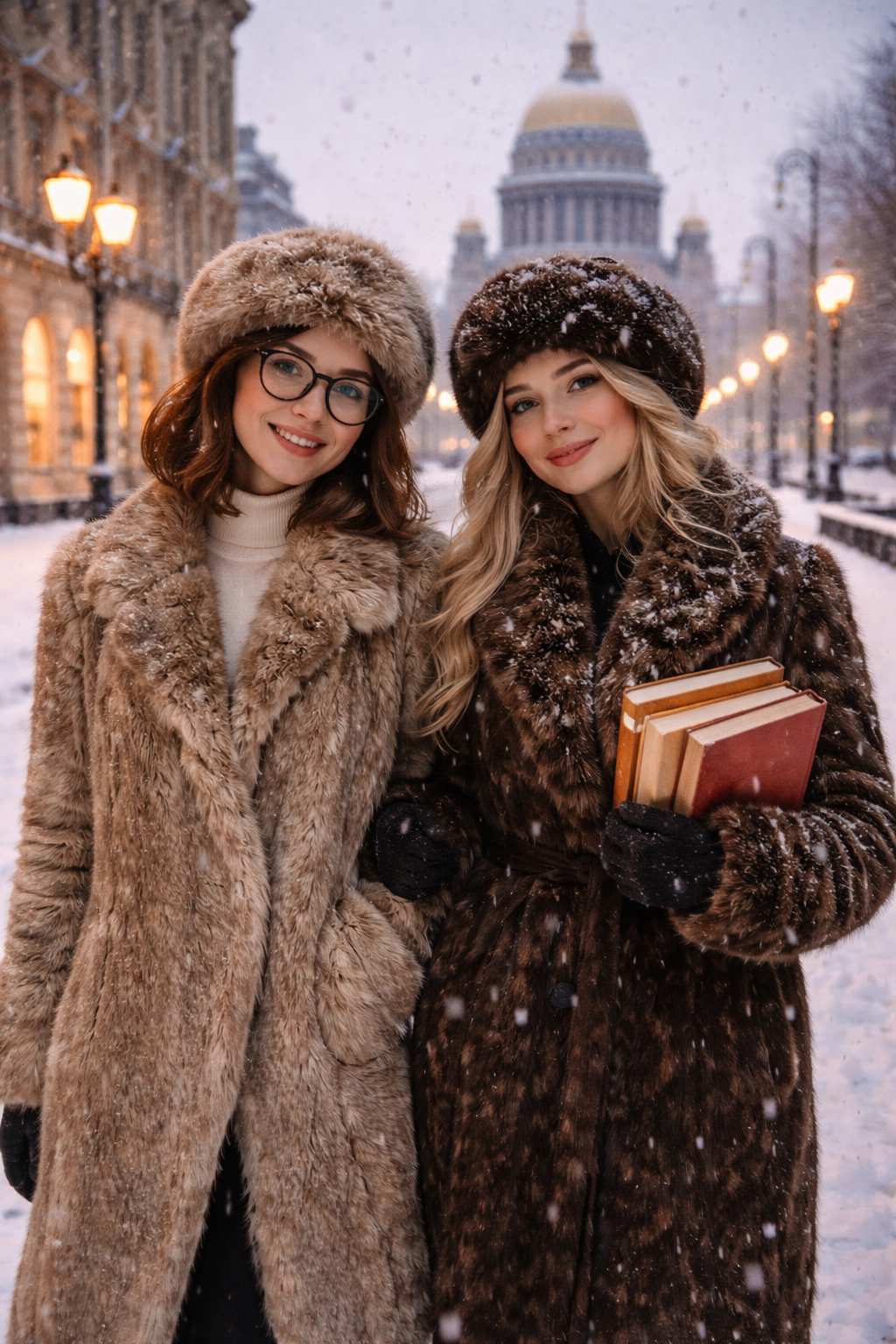
To many outsiders, a Russian winter sounds like a punishment: endless darkness, frozen sidewalks, snow piled into gray walls, breath turning to ice in the air, and temperatures that can make a short walk feel like an expedition. From a distance, it is easy to picture winter in Russia as one long exercise in suffering.
But that image misses something important.
Winter in Russia is not just a season. It is a condition that has shaped routines, architecture, food, humor, family life, literature, and even national self-image. Russians do not “win” against winter, and they do not romanticize it either. They adapt to it. They organize life around it. They learn early that complaining does not make the wind less sharp or the darkness less long. So instead of dramatizing it, they build habits that make winter survivable, social, and sometimes even beautiful.
That does not mean Russians never complain about the cold. Of course they do. They complain, joke, sigh, curse the slush, and mutter about icy sidewalks. But they tend to do it differently. Winter is often treated as a shared burden, a recurring fact of life, not a personal injustice. The tone is more irony than outrage, more endurance than self-pity.
To understand Russia, you have to understand that relationship with winter. It reveals something central about the culture: practicality, toughness, warmth hidden behind reserve, and the ability to create comfort in the middle of hardship.
What Russian Winter Actually Feels Like
One of the first surprises for foreigners is that “Russian winter” is not one single experience. Russia is enormous, and winter in Moscow is not the same as winter in Siberia.
Moscow in January often averages around minus 6 or minus 7 degrees Celsius. St. Petersburg is similarly cold, often hovering a little below that, but its dampness and wind can make it feel even harsher. People often say Petersburg cold gets into your bones. Siberia is a different category altogether. In places like Novosibirsk, temperatures around minus 20 are normal in winter, while in more extreme regions such as Yakutsk, the numbers can become almost surreal.
And yet the cold itself is only part of the story.
Russian winter also means reduced daylight, wet boots in the city, layers of clothing that must be put on and taken off constantly, snow that turns to slush, then freezes again, and the simple fact that everyday tasks require more energy. Going outside is not casual. It is a process. You prepare for it.
This is why winter in Russia produces a very practical culture. Life cannot stop for six months. Children still go to school. Adults still commute. Groceries still need to be carried home. Dogs still need to be walked. Cars still need to be scraped. Sidewalks still need to be shoveled. In that sense, winter is less a dramatic event than a long logistical reality.
That reality teaches something early: survival depends less on mood than on systems.
The Russian Winter Mindset: Endure First, Talk Later
A useful phrase associated with cold-weather cultures is: there is no bad weather, only bad clothing. Whether the proverb originated in Russia or not, the mindset fits perfectly.
In Russia, winter is not usually framed as an interruption to life. It is part of life. That difference matters. If you see bad weather as an exception, you resent it. If you see it as normal, you adapt.
Russian attitudes toward winter are deeply connected to a broader cultural respect for endurance. This is not just about climate. Russian history has been full of instability, invasion, scarcity, loss, and political pressure. In that context, emotional discipline became a survival skill. Complaining too much about hardship can even look childish or weak if the hardship is something everyone must face anyway.
That helps explain why many Russians seem less theatrically upset by cold than people in milder climates. They are not necessarily enjoying it. They have simply learned not to center themselves in the discomfort. Cold weather is not an insult. It is a condition to manage.
There is also pride involved. Winter has long been tied to ideas of Russian strength and resilience. The legendary figure of “General Frost” captures this perfectly: the belief that Russia’s brutal climate has historically defended the country more effectively than armies alone. Winter is not just an enemy. It is also part of the national mythology.
This mentality shows up in small ways. Children are often taught not to fear the cold but to dress properly and keep moving. Adults treat competence in winter as a mark of seriousness. You do not beat winter by complaining about it. You beat it by knowing what boots to wear, how to layer, when to leave the house, and how to keep life going.
Warm Inside, Frozen Outside: The Russian Home as Winter Fortress
One of the great paradoxes of Russian winter is this: while the outside world may be brutally cold, interiors are often tropical.
Foreigners are frequently shocked by how warm Russian apartments can be in winter. Central heating is a defining feature of urban life in Russia, especially in apartment blocks. In many places, heating is not adjusted room by room the way it often is in Western Europe. The system is simply on for the season, and it can be intense. It is not uncommon for people to crack a window open in the middle of winter because the apartment is overheated.
This shapes winter culture in a major way.
Russian winter is built around contrast. Outside, you are bundled up, shoulders tense, face numb, hurrying through icy air. Inside, you remove layers, drink tea, and feel your body thaw. The apartment becomes more than shelter. It becomes a sanctuary.
That helps explain why domestic life matters so much in the winter months. The Russian home is not just where you sleep. It is where you recover, gather, eat, talk, host, and retreat. Warmth is emotional as well as physical.
The kitchen, in particular, has a special place in Russian culture. In winter, even more so. In many societies, social life spills into plazas, patios, or outdoor cafés. In Russia, especially in cold months, the kitchen becomes the true social center. Friends sit for hours over tea, bread, sweets, soup, and conversation. The space may be small, but it becomes intimate, intense, and meaningful.
That hidden indoor warmth is one of the most important keys to understanding how Russians survive winter. They do not survive it alone, and they do not survive it only through grit. They survive it by making the inside world deeply habitable.
Dressing for Reality, Not Fantasy
Russians are often stereotyped as naturally immune to cold. They are not. They just know how to dress for it.
That sounds simple, but it reflects a very different attitude. In places with milder winters, people often try to negotiate with the weather. In Russia, you respect it. You do not pretend a fashionable coat without proper insulation will somehow be enough. You build layers. You protect the extremities. You think ahead.
Traditional winter gear such as ushankas, felt boots, heavy coats, wool socks, shawls, and thick mittens all emerged for a reason. Even when modern fashion changes the look, the logic remains the same. You cover what matters. You assume the cold is stronger than you. You prepare accordingly.
This practicality does not mean Russian winter style is unattractive. Quite the opposite. Russian winter fashion often blends elegance with seriousness. Good outerwear is not optional. It is part of the social grammar of winter. You can see modern city residents mixing luxury coats with old-fashioned habits that would make total sense to their grandparents.
This is another reason Russians may seem less openly distressed by winter than outsiders. They have a culture of readiness. A great deal of winter suffering comes from being underprepared. Russian life has spent centuries reducing that mistake.
Food, Tea, and the Art of Internal Warmth
Winter changes appetite everywhere, but in Russia it has helped shape an entire emotional cuisine.
This is a culture of food that warms, fills, and sustains. Soups like borscht are not only traditional but logical. Dumplings like pelmeni are economical, hearty, and perfect for family preparation during long winter evenings. Porridges, potatoes, bread, pancakes, sour cream, preserved foods, and strong black tea all fit a climate where comfort must also be practical.
Pelmeni are especially revealing. Making them is not just cooking. It can be a family ritual: people gather, fold, talk, work, and store food for later. Winter meals in Russia often combine necessity and closeness. Survival is socialized.
Tea matters just as much. In Russian culture, tea is not merely a beverage. It is a pause, an invitation, a gesture of care, an excuse to remain at the table a little longer. In winter, endless cups of hot black tea turn into a kind of structure for the day. Add jam, lemon, sweets, or pastries, and the whole thing becomes a small defense against darkness and fatigue.
This is why Russian winter life is not as bleak as outsiders imagine. It contains difficulty, yes, but also ritual. And ritual is one of the best human tools for surviving repetition.
Banya: Turning Cold Into Strength
If there is one tradition that captures the Russian winter spirit perfectly, it is the banya.
To an outsider, the idea sounds insane: sit in a scorching steam room, then plunge into freezing water or roll in the snow, then repeat. But to many Russians, this is not madness. It is renewal.
The banya is physical, social, and psychological all at once. It is about heat after cold, shock after stillness, circulation after numbness. It also creates a communal bond. People go together. They laugh, endure, recover, and repeat. Hardship is transformed into a shared ritual.
This is important. Russians often survive winter not by eliminating discomfort, but by reorganizing it into something meaningful. The banya takes extremes and turns them into a rhythm. It also strips away social barriers. People relax, talk more openly, and experience the body not as a burden but as something resilient.
That is part of the wider Russian attitude toward winter: you do not always avoid harshness. Sometimes you lean into it, master it, and come out stronger.
New Year: Light in the Middle of the Dark Season
Another reason winter feels different in Russia is that the season contains the country’s biggest celebration: New Year.
Because of Soviet history, New Year rather than Christmas became the central winter holiday for many families. This gave the darkest season an emotional anchor. Lights, gifts, decorated trees, festive food, champagne at midnight, television traditions, Father Frost and the Snow Maiden, visits from relatives, and the long-awaited holiday atmosphere all create a bright center inside a dark time of year.
This matters more than it may seem.
In cultures with severe winters, celebration is not decoration. It is strategy. You place warmth, color, and ceremony where the environment gives you the least of it. The Russian New Year does exactly that. It turns the heart of winter into a moment of abundance, memory, and collective joy.
Again, we see the pattern: Russians do not simply suffer winter. They build structures inside it.
Do Russians Really Not Complain?
The title of this article is only partly literal. Russians do complain. They complain about slush, late buses, icy stairs, dirty snow, and the endlessness of March. Russian writers complained about winter. Russian city residents complain about winter. Anyone who has slipped on ice knows complaint is a perfectly reasonable response.
So what is different?
The difference is tone and function.
In many Western settings, weather talk is light social filler. It is a safe topic. In Russia, winter talk can be darker, more ironic, more fatalistic, and more layered with shared experience. It often sounds like: yes, this is terrible, but of course it is terrible, and of course we go on. Complaint becomes less performance and more mutual recognition.
There is also less expectation that comfort is a right that should always be instantly restored. In a culture shaped by endurance, some discomfort is simply part of the deal. That mindset does not make people emotionless. It makes them economical.
And there is one more nuance: what looks like lack of complaint is often emotional privacy. Russians may not perform their discomfort as openly for strangers. But behind closed doors, with friends or family, the commentary can be sharp, funny, and relentless.
So the real truth is better than the stereotype. Russians do not survive winter because they are robots. They survive it because they have built a culture that combines stoicism, ritual, humor, preparation, and warmth.
Winter in Russian Literature and the Russian Soul
Russian literature would be unimaginable without winter.
Writers have described it as beautiful, oppressive, silent, magnificent, deadening, luminous, and cruel. Chekhov, Turgenev, Bunin, Tolstoy, and many others understood winter not only as weather but as atmosphere. Snow changes sound, movement, mood, memory, and time itself. It slows life down and intensifies interiority.
That is one reason winter feels so tied to the idea of the “Russian soul,” however imperfect that phrase may be. Vast fields, long nights, blizzards, isolation, candles in warm rooms, trains crossing snowy distances, villages buried in white silence, the contrast between emotional depth indoors and indifference outdoors — all of this helped shape the symbolic world of Russian culture.
Winter in Russian writing is rarely simple. It can crush the spirit, but it can also sharpen perception. It can encourage laziness and sadness, but it can also create intimacy, contemplation, and beauty. That emotional ambiguity is very Russian. Winter is not just hated or loved. It is lived with.
What Foreigners Usually Get Wrong
One common myth is that all of Russia spends the winter at minus 50. Not true. Some regions are extraordinarily cold, but major western cities like Moscow and St. Petersburg are cold in a more familiar, urban way: snowy, windy, damp, icy, and tiring rather than permanently apocalyptic.
Another myth is that Russians never feel cold. Of course they do. They simply tend to treat cold as something to manage rather than dramatize.
A third myth is that winter in Russia is only misery. In reality, many Russians feel mixed emotions: dread, pride, irritation, nostalgia, and even affection. Winter is exhausting, but it can also be beautiful. It contains rituals people would miss elsewhere: snowy evenings, New Year lights, tea in hot kitchens, the smell of soup, the shock of the banya, and the peculiar calm of a city under fresh snow.
The deepest misunderstanding, though, is assuming endurance means emotional emptiness. It does not. Russian winter culture contains tremendous warmth. It is just often located indoors, in private, in routines, and in relationships rather than in outward cheerfulness.
What This Reveals About Russia
In the end, the question is not really how Russians survive long winters. It is what kind of culture emerges when long winters are normal.
The answer is a culture that values preparation over theatrics, warmth over display, and endurance over constant emotional broadcasting. Winter teaches patience. It teaches people to create comfort deliberately. It teaches the importance of food, home, timing, clothing, company, and humor.
That is why winter tells you so much about Russia. It reveals a society where resilience is rarely abstract. It lives in radiators, boots, tea glasses, kitchen tables, dumplings in the freezer, a shovel by the door, and the decision to keep going outside anyway.
Learn Russian Culture More Deeply With Polyglottist Language Academy
If Russian winter fascinates you, that usually means you are interested in something bigger than weather. You are interested in mentality, daily life, humor, habits, and the hidden logic of Russian culture.
That is exactly why learning the Russian language matters.
At Polyglottist Language Academy, Russian classes are designed not just to teach vocabulary and grammar, but to help students understand how Russians actually think, speak, and live. Language makes cultural details come alive. Suddenly words for weather, food, home life, hospitality, endurance, and emotion stop being abstract and start feeling real.
Whether you are drawn to Russian literature, travel, history, or everyday conversation, learning Russian opens the door to a world that is far richer and more nuanced than clichés about snow and stoicism. If you want to move beyond stereotypes and begin understanding Russian culture from the inside, Russian classes at Polyglottist Language Academy are a great place to start.
Russian Classes at Polyglottist Language Academy
FAQs
Do Russians really not complain about winter?
They do complain, but often with irony, understatement, or dry humor. The difference is that winter is treated as a shared reality rather than a shocking inconvenience.
Are Russian homes really very warm in winter?
Yes. Many apartments are heavily heated in winter, sometimes so much that people open windows to cool the room down.
What foods help Russians get through winter?
Hearty staples like borscht, pelmeni, kasha, potatoes, bread, blini, and endless cups of black tea all play a major role.
Why is the kitchen so important in Russian winter culture?
Because winter pushes social life indoors. The kitchen becomes a place for long conversations, tea, meals, and emotional warmth.
What is a banya?
A banya is a traditional Russian steam bath. It often includes intense heat followed by cold water or snow, and it is both a wellness ritual and a social tradition.
Is Russian winter always extremely cold?
Not everywhere. Siberia can be brutally cold, but Moscow and St. Petersburg are milder than many foreigners imagine, even though they are still very cold by most standards.
Why is New Year so important in Russia?
Because Soviet history elevated New Year into the major winter holiday. It became the season’s emotional center, full of rituals, food, lights, and family gatherings.
What can foreigners learn from the Russian approach to winter?
Probably this: hardship becomes easier when you prepare for it properly, stop expecting comfort to be automatic, and create warmth through ritual, home, and human connection.
Continue Reading on the Polyglottist Blog
If you enjoyed this article, here are some other Russian culture posts you may like:
Moscow: The Most Beautiful Winter City I’ve Ever Walked Through
Walking In Saint Petersburg In December: A Winter City That Has Adapted
My First Morning In St. Petersburg: Snow, Silence, And The Smell Of Fresh Bread
MY FIRST 24 HOURS IN ST. PETERSBURG: NEVSKY PROSPECT, TOO MUCH TEA, AND RUSSIAN DONUT “PISHKA”
How Russians Heat Their Buildings (And Why It Feels Tropical Indoors)