
Beginner Russian Classes in Berkeley: Where to Start Learning
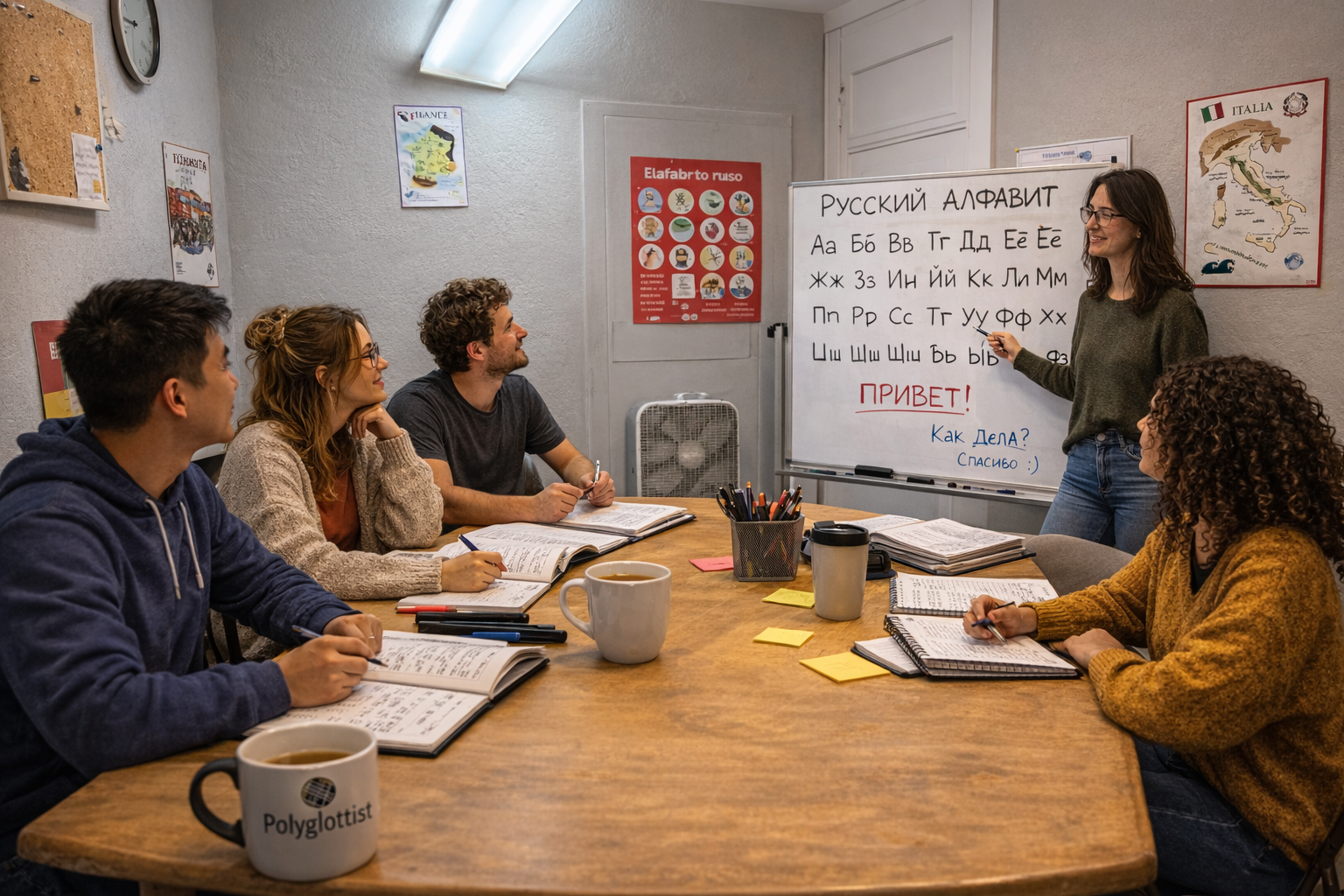
In a city known for intellectual curiosity, global awareness, and a long tradition of cultural exploration, it is no surprise that more and more adults in Berkeley are choosing to learn Russian—not because it is easy, but precisely because it opens doors to a rich literary heritage, a complex modern society, and a language that challenges the mind while expanding the way we think about communication itself.
Berkeley has always been a place where people seek depth. Students read philosophy in cafés, researchers debate ideas late into the evening, entrepreneurs explore global markets, and lifelong learners enroll in classes simply because curiosity compels them. Russian fits naturally into that spirit. It is a language of Dostoevsky and Bulgakov, of space exploration and modern tech innovation, of intricate grammar and expressive nuance. But for beginners, the first question is always the same:
Where do I start?
Learning Russian can feel intimidating at first glance. The Cyrillic alphabet looks unfamiliar. The pronunciation seems mysterious. Cases and verb aspects appear complex. Yet thousands of beginners in Berkeley begin every year—and discover that with the right structure and support, Russian is not overwhelming. It is logical, engaging, and deeply rewarding.
This guide explains how to begin learning Russian in Berkeley, what to expect from beginner classes, how to avoid common mistakes, and how to build confidence from day one.
Why Learn Russian in Berkeley?
Berkeley’s academic and cultural environment makes it uniquely suited for language learning.
1. Intellectual Culture
Russian attracts learners who enjoy analytical thinking. The grammar system—while initially unfamiliar—is structured and systematic. For students, engineers, writers, researchers, and professionals, Russian becomes an intellectual puzzle worth solving.
2. Cultural Curiosity
Berkeley residents often have strong interests in:
literature
history
international relations
global politics
philosophy
music and film
Russian culture offers profound material in all these areas.
3. Professional Relevance
Russian remains strategically important in:
technology
cybersecurity
energy sectors
global trade
diplomacy
academia
For professionals in the Bay Area, language skills create both distinction and opportunity.
What Makes Russian Challenging (And Why That’s Good)
Many beginners fear Russian because of its reputation.
Let’s clarify what makes it different:
The Cyrillic Alphabet
The Russian alphabet contains 33 letters. Some look familiar but sound different; others are entirely new.
The good news? Most students learn to read Cyrillic within 2–4 weeks.
Once mastered, reading becomes empowering rather than intimidating.
Pronunciation
Russian pronunciation requires attention to stress patterns and vowel reduction.
However, pronunciation is consistent. Unlike English, spelling usually matches sound.
With early guidance, beginners quickly build clear speaking habits.
Grammar Cases
Russian uses cases to indicate grammatical roles instead of relying strictly on word order.
While this sounds complex, it allows flexibility and expressive nuance.
With structured teaching, cases become predictable patterns rather than obstacles.
How Beginner Russian Classes Typically Progress
In a well-designed beginner course, students move step by step.
Stage 1: Foundations (Weeks 1–4)
Focus areas:
alphabet mastery
basic greetings
pronunciation training
simple sentences
Students begin speaking from week one.
Stage 2: Everyday Communication (Weeks 5–8)
Topics include:
introducing yourself
talking about family
ordering food
asking directions
basic travel phrases
Grammar integrates naturally into communication.
Stage 3: Confidence Building
Students learn:
past and future tense basics
conversational patterns
listening comprehension
short dialogues
Momentum becomes visible and motivating.
The Importance of Speaking Early
One of the biggest mistakes beginners make is waiting until they “know enough” before speaking.
Language develops through use, not perfection.
Beginner classes in Berkeley that prioritize conversation help students:
reduce anxiety
improve pronunciation
retain vocabulary
build real-life readiness
Speaking imperfectly is part of the process.
In-Person vs. Online Beginner Classes in Berkeley
Both formats offer benefits.
In-Person Classes
Advantages:
face-to-face interaction
immediate feedback
classroom community
immersive atmosphere
Berkeley’s walkable neighborhoods make evening classes convenient.
Online Classes
Advantages:
flexible scheduling
no commute
easier consistency
comfort for shy beginners
Many adult learners prefer hybrid flexibility.
What to Look for in a Beginner Russian Course
Not all programs are equal. When choosing where to start, consider:
Small Class Sizes
Language requires participation. Smaller groups ensure everyone speaks.
Native or Highly Proficient Instructors
Teachers should understand both Russian grammar and English learner challenges.
Structured Curriculum
A clear progression prevents confusion.
Cultural Context
Language is inseparable from culture. Good programs integrate both.
Common Beginner Fears (And Why They’re Unnecessary)
“Russian Is Too Hard”
Russian is systematic. Once patterns are understood, progress accelerates.
“I’m Too Old to Start”
Adult learners often outperform younger students because of discipline and motivation.
“My Accent Will Be Terrible”
With early correction, pronunciation improves steadily.
“I Don’t Have Time”
Two sessions per week plus short review periods are enough for progress.
A Sample Weekly Beginner Routine
To succeed in Berkeley beginner classes, follow this structure:
Monday: review vocabulary (15 minutes)
Wednesday: class session
Friday: listen to audio dialogues
Weekend: short speaking practice
Consistency builds fluency.
The Cultural Rewards of Learning Russian
Language opens unexpected doors.
Students often discover:
deeper appreciation of Russian literature
new perspectives on global history
exposure to contemporary Russian culture
friendships with Russian speakers
Russian encourages reflection and intellectual curiosity.
Why Berkeley Is a Great Place to Start
Berkeley combines:
academic energy
global perspective
lifelong learning culture
supportive educational environment
This atmosphere supports challenging languages like Russian.
FAQs: Beginner Russian Classes in Berkeley
How long does it take to read Cyrillic?
Most beginners read comfortably within a few weeks.
Is Russian harder than Spanish or French?
It is different, but not impossible. Structure helps learners succeed.
How many hours per week should I study?
3–5 hours weekly produces steady progress.
Can beginners start with no prior knowledge?
Absolutely. Courses are designed for true beginners.
Will I be able to hold a conversation after one term?
Yes—simple introductions and basic exchanges become possible.
Is Russian useful for travel?
Very. English is less widely spoken outside major cities.
What age group enrolls in beginner classes?
Adults of all ages—from college students to retirees.
What motivates most beginners?
Curiosity, cultural interest, professional goals, or personal connections.
Learn Russian with Polyglottist Language Academy
If you are looking for beginner Russian classes in Berkeley, Polyglottist Language Academy offers structured, supportive, and engaging programs designed specifically for adult learners.
Our Russian courses emphasize:
Small group learning
Conversation from day one
Clear grammar explanations
Cultural insights integrated into lessons
Flexible scheduling
Experienced instructors
We believe language learning should feel intellectually stimulating—not intimidating.
Whether your goal is travel, professional growth, cultural exploration, or personal challenge, our beginner Russian classes provide the foundation you need.
👉 Ready to start learning Russian in Berkeley? Sign up today and begin your journey with confidence.
Continue Reading: Explore More from Our Blog
Traveling From St. Petersburg To Moscow By Train: A First-Hand Account
What It’s Like To Take The Saint Petersburg Metro For The First Time
Why Russian Bakeries Matter In St. Petersburg: Pekarni, Rum Baba, And Everyday Life
A DAY AT DOM KNIGI: BOOKSTORES, COFFEE, AND KAZAN CATHEDRAL IN ST. PETERSBURG
Walking In Saint Petersburg In December: A Winter City That Has Adapted
My First Morning In St. Petersburg: Snow, Silence, And The Smell Of Fresh Bread
Learn Russian In Portland: Practical Language Courses For Adult Students
Moscow: The Most Beautiful Winter City I’ve Ever Walked Through
Traveling From St. Petersburg To Moscow By Train: A First-Hand Account
Best Russian Classes In Los Angeles For Adults: Flexible Online Courses