
What Is Anime? A Complete Beginner's Guide to Japanese Animation
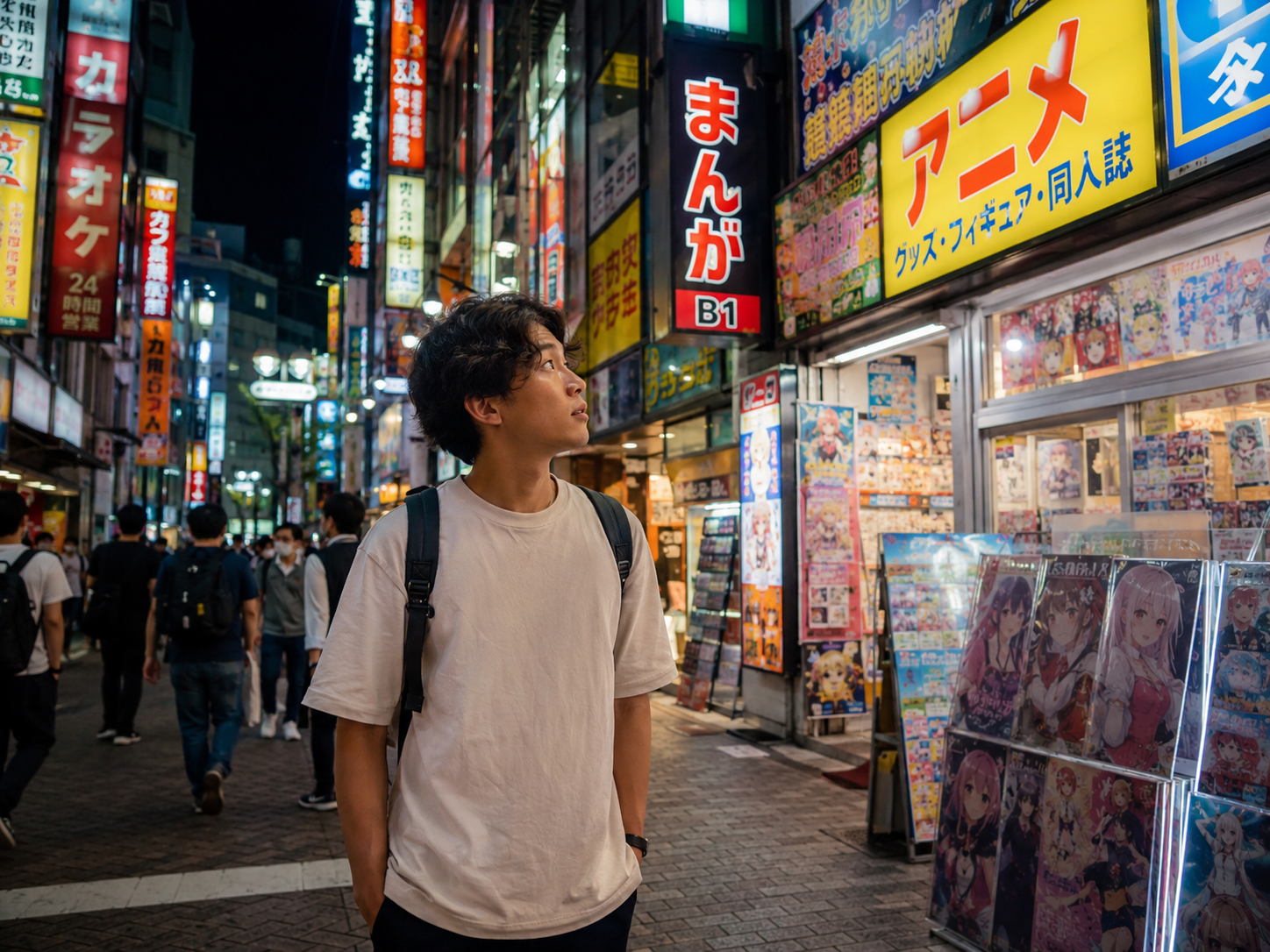
If you have ever found yourself scrolling through Netflix, Crunchyroll, Hulu, YouTube, or social media and suddenly noticed a colorful Japanese animated series with expressive characters, emotional music, dramatic battles, quiet school scenes, magical creatures, futuristic cities, or beautifully drawn food that somehow looks more delicious than real food, you have already had a glimpse into the enormous, fascinating, and surprisingly diverse world of anime.
For many people, anime begins as simple entertainment. Maybe a friend recommends Naruto, Demon Slayer, Attack on Titan, Sailor Moon, One Piece, Pokémon, or a Studio Ghibli movie such as Spirited Away or My Neighbor Totoro. Maybe you see a short clip online and wonder why the animation looks so different from the cartoons you watched as a child. Maybe your child, student, friend, or coworker talks about anime constantly, and you want to understand what makes it so special. Or maybe you are interested in Japanese culture and have heard that anime is one of the best ways to begin exploring Japan’s language, customs, humor, values, and imagination.
Whatever brings you here, the first thing to know is this: anime is not just one genre, one style, or one type of story. Anime can be funny, serious, romantic, scary, philosophical, futuristic, historical, gentle, violent, childish, mature, realistic, or completely fantastical. It can be a five-minute comedy episode, a long-running adventure with more than a thousand episodes, a quiet film about childhood, a romance about teenagers, a science fiction masterpiece, a sports drama, a supernatural mystery, or a story about ordinary people trying to understand themselves and the world around them.
This is one reason anime has become such a powerful global cultural force. It offers something for almost everyone. Children may discover anime through Pokémon or Doraemon. Teenagers may fall in love with shonen adventure stories such as My Hero Academia or Jujutsu Kaisen. Adults may be drawn to complex films by Studio Ghibli, psychological dramas, historical series, or emotionally rich slice-of-life stories. Language learners may begin watching anime because they want to hear real Japanese speech, recognize common expressions, and connect more deeply with Japanese culture.
But what exactly is anime? Where did it come from? How is it different from Western cartoons? Why are so many people around the world fascinated by it? And can watching anime really help you learn Japanese?
This complete beginner’s guide will walk you through the meaning of anime, its history, its most common genres, its connection to manga, its cultural importance, and its role in Japanese language learning.
What Is Anime?
Anime is animation from Japan. In English, the word usually refers to Japanese animated films, television series, and online or video productions that have a recognizable Japanese origin or style. Anime often features colorful artwork, expressive characters, emotional storytelling, dramatic music, and a wide range of themes that can appeal to children, teenagers, and adults.
In Japan, however, the word “anime” has a broader meaning. It is simply a shortened form of the English word “animation.” In Japanese, anime can refer to any animated work, whether it comes from Japan, the United States, Europe, or another country. A Japanese speaker may refer to a Disney movie as anime because, in Japan, the word functions as a general category for animation.
Outside Japan, the meaning is more specific. When English speakers say “anime,” they usually mean animation made in Japan or animation strongly influenced by Japanese visual and storytelling traditions. This is why the word often brings to mind certain visual features: large expressive eyes, stylized hair, emotional facial expressions, dramatic action scenes, detailed backgrounds, and stories that often continue across many episodes.
Still, anime is not only a visual style. It is also a storytelling tradition. Anime can explore friendship, loneliness, ambition, grief, courage, love, memory, identity, war, school life, family relationships, technology, spirituality, nature, and the meaning of growing up. Some anime series are light and funny. Others are emotionally intense or intellectually challenging. This variety is one of the main reasons anime has such a wide audience.
Is Anime Just Japanese Cartoons?
A common beginner question is: “Is anime just cartoons?”
The simple answer is yes and no.
Technically, anime is animation, and animation is sometimes called cartoons in English. But the word “cartoon” can create the wrong impression, especially for people who grew up thinking of cartoons as short, funny programs made mainly for children. In many Western countries, animation has historically been associated with comedy, children’s entertainment, or family films. Of course, Western animation has become much more diverse over time, but the old stereotype still exists.
Anime challenges that stereotype. In Japan, animation has long been used to tell stories for many different age groups. There are anime series for young children, but there are also anime films and series for teenagers, university students, office workers, parents, and older adults. Some anime is silly and playful. Some is deeply serious. Some includes complex political themes, psychological struggles, philosophical questions, or mature relationships.
This does not mean anime is “better” than Western animation. It simply means anime developed within a different cultural and media environment. Japanese animation became closely connected with manga, serialized storytelling, fan communities, character design, and a wide range of demographic categories. As a result, anime grew into a medium that could support many different kinds of stories.
So, while anime is animation, it is not accurate to think of it as only children’s cartoons. Anime is a broad creative medium, not a single genre.
A Brief History of Anime
The history of anime goes back more than a century. Japanese animation began in the early 20th century, when Japanese artists and filmmakers started experimenting with animation techniques inspired by European and American animated shorts. Around 1917, some of the earliest Japanese animated films appeared, including short works that used paper cutouts, chalk drawings, and other simple animation methods.
One of the oldest surviving examples of Japanese animation is Namakura Gatana, often translated as The Blunt Sword. This short film from 1917 tells a humorous story about a samurai with a dull sword. Even in this early work, viewers can see how Japanese animation was beginning to develop its own comic timing and cultural personality.
Many early Japanese animated films were lost because of fires, earthquakes, war, and the natural fragility of film materials. Still, animation continued to grow in Japan during the 1920s and 1930s. Some works were made for children, while others were used for education or propaganda. During and after World War II, Japanese animation changed significantly as artists responded to new technologies, new audiences, and the influence of foreign animation studios.
A major turning point came in the 1960s with Osamu Tezuka, one of the most important figures in both manga and anime history. Tezuka’s Astro Boy, known in Japanese as Tetsuwan Atomu, helped establish the model for weekly television anime. Because television production required episodes to be made quickly and affordably, studios used limited animation techniques. Instead of animating every movement in full detail, they used strong character designs, dramatic still images, repeated motion, and expressive framing. This approach became part of anime’s visual identity.
In the 1970s and 1980s, anime expanded dramatically. Mecha series such as Mobile Suit Gundam introduced giant robots, war stories, politics, and moral complexity. Science fiction and space opera became popular. The home video market allowed creators to experiment with stories that were too unusual or mature for regular television. In 1988, the film Akirashocked international audiences with its visual ambition, cyberpunk atmosphere, and adult themes. For many viewers outside Japan, Akira was proof that animation could be powerful, serious cinema.
The 1990s brought another wave of global anime popularity. Series such as Dragon Ball Z, Sailor Moon, Pokémon, Neon Genesis Evangelion, and later Naruto helped build international fan communities. Anime appeared on television, VHS tapes, DVDs, and eventually streaming platforms. Fans created subtitles, attended conventions, made costumes, shared fan art, and introduced new viewers to Japanese animation.
In the 2000s and 2010s, anime became easier to access around the world. Streaming services allowed viewers to watch Japanese series legally and quickly, sometimes almost at the same time they aired in Japan. Films such as Your Name and series such as Attack on Titan, Demon Slayer, One Piece, and My Hero Academia turned anime into a mainstream global phenomenon.
Today, anime is no longer a niche interest. It is part of international pop culture.
Major Anime Studios Beginners Should Know
Anime is created by many studios, each with its own style, history, and reputation. Beginners do not need to memorize every studio name, but knowing a few major ones can help you understand the industry.
Toei Animation
Toei Animation is one of the most famous and influential anime studios. It has produced many long-running and globally recognized series, including Dragon Ball, One Piece, and Sailor Moon. If you grew up watching popular anime on television, there is a good chance you encountered Toei’s work.
Studio Ghibli
Studio Ghibli is perhaps the best-known anime film studio internationally. Founded in 1985, it became famous for beautifully animated films such as My Neighbor Totoro, Spirited Away, Princess Mononoke, Howl’s Moving Castle, and Kiki’s Delivery Service. Studio Ghibli films often explore childhood, nature, courage, war, memory, family, and environmental responsibility.
Madhouse
Madhouse is known for stylish, bold, and often mature anime projects. It has been associated with works such as Death Note, Perfect Blue, and One Punch Man Season 1. The studio has contributed to both popular entertainment and artistically ambitious animation.
Kyoto Animation
Kyoto Animation, often called KyoAni, is admired for its emotional storytelling, detailed character animation, and sensitive treatment of everyday life. Works such as Clannad, K-On!, A Silent Voice, and Violet Evergarden are known for expressive characters and emotional depth.
MAPPA
MAPPA is a newer studio compared with some older names, but it has become extremely well known. It has worked on visually dynamic and popular series such as Jujutsu Kaisen, Yuri!!! on Ice, and later seasons of Attack on Titan. MAPPA is often associated with intense action, dramatic visuals, and ambitious modern productions.
Other important studios include Bones, Sunrise, ufotable, A-1 Pictures, Production I.G, and Gainax. Each studio has helped shape anime in different ways.
Common Anime Categories: Shonen, Shojo, Seinen, Josei, and Kodomomuke
One of the most confusing things for beginners is anime terminology. Anime is often grouped not only by genre, such as romance or fantasy, but also by target demographic. These demographic labels originally come from manga publishing, but they are also commonly used in anime discussions.
Shonen
Shonen anime is generally aimed at boys and teenage male audiences, although many girls and adults enjoy it too. Shonen stories often focus on action, adventure, friendship, competition, training, and personal growth. Popular examples include Naruto, One Piece, Dragon Ball, My Hero Academia, Demon Slayer, and Jujutsu Kaisen.
A typical shonen hero starts with a dream or goal, faces obstacles, trains hard, builds friendships, and grows stronger over time. The themes are often inspiring: never give up, protect your friends, work hard, and believe in yourself.
Shojo
Shojo anime is usually aimed at girls and teenage female audiences, though it also has many fans outside that group. Shojo often focuses on romance, friendship, emotional growth, identity, and relationships. Famous examples include Sailor Moon, Fruits Basket, Ouran High School Host Club, and Nana.
Shojo anime can be magical, romantic, dramatic, funny, or deeply emotional. It often explores how characters understand love, friendship, family expectations, and self-worth.
Seinen
Seinen anime is generally aimed at adult men. It often includes more mature themes, complex characters, psychological conflict, political ideas, violence, or darker storytelling. Examples may include Berserk, Monster, Ghost in the Shell, and some interpretations of Attack on Titan.
Seinen does not always mean violent or serious. It can also include quiet slice-of-life stories, workplace comedies, or realistic dramas. The key point is that the intended audience is older.
Josei
Josei anime is usually aimed at adult women. It often focuses on realistic relationships, work life, romance, family, adulthood, and emotional complexity. Compared with shojo, josei tends to be less idealized and more grounded in adult experience. Examples include Nana, Paradise Kiss, and Honey and Clover.
Josei can be especially interesting for viewers who want stories about adult life rather than high school settings.
Kodomomuke
Kodomomuke anime is made for children. These shows often have simple stories, clear moral lessons, cute characters, and repetitive language. Examples include Doraemon, Hamtaro, Anpanman, and Pokémon.
For Japanese learners, children’s anime can sometimes be useful because the language may be simpler than in complex adult dramas, although the speech can still include fantasy words, exaggerated voices, or childish expressions.
Popular Anime Genres
In addition to demographic categories, anime includes many familiar genres.
Slice of Life
Slice-of-life anime focuses on everyday experiences: school, family, friendship, hobbies, work, meals, seasons, and small emotional moments. These stories may not have dramatic battles or huge plot twists. Instead, they highlight the beauty and meaning of ordinary life.
For Japanese learners, slice-of-life anime can be very useful because it often includes daily vocabulary and natural conversations.
Mecha
Mecha anime features robots, machines, or powered suits. Some mecha series are action-heavy, while others use robots to explore war, trauma, politics, and human identity. Famous examples include Mobile Suit Gundam, Neon Genesis Evangelion, and Code Geass.
Isekai
Isekai means “another world.” In isekai anime, a character is transported, reincarnated, or trapped in a different world, often one with fantasy or video-game-like rules. Popular examples include Sword Art Online, Re:Zero, and That Time I Got Reincarnated as a Slime.
Fantasy
Fantasy anime includes magic, mythical creatures, supernatural powers, imaginary kingdoms, and epic quests. Some fantasy anime is inspired by European medieval settings, while others draw from Japanese folklore or completely original worlds.
Romance
Romance anime focuses on love, relationships, emotional misunderstandings, confession scenes, and personal growth. It can be sweet, dramatic, funny, tragic, or realistic.
Sports
Sports anime tells stories about athletes, teams, competition, discipline, and improvement. Popular sports anime can make viewers care deeply about volleyball, basketball, soccer, tennis, swimming, skating, or even board games. The emotional structure is often similar to shonen: train hard, support your teammates, face rivals, and grow stronger.
Horror and Psychological Anime
Horror anime may include ghosts, monsters, curses, violence, mystery, or suspense. Psychological anime focuses on the mind, identity, fear, guilt, memory, and moral conflict. These genres are usually better for mature viewers.
Historical Anime
Historical anime may be set in real periods of Japanese history, such as the samurai era, or in fictional worlds inspired by historical settings. These stories can introduce viewers to traditional clothing, social roles, warfare, architecture, and cultural values.
Common Themes in Anime
Anime covers many themes, but some appear again and again.
Friendship and Teamwork
Many anime series place friendship at the center of the story. Characters grow stronger not only because of individual talent but because they support each other. The idea of chosen family, team loyalty, and emotional bonds is especially common in shonen anime.
Personal Growth
Training arcs are a classic part of anime. A character begins with weakness, fear, or inexperience. Through effort, discipline, failure, and guidance from mentors, the character grows. This theme is one reason anime can feel motivational.
Coming of Age
Many anime stories follow young people as they discover who they are. School life, first love, exams, club activities, family expectations, and future dreams often appear in coming-of-age anime.
Good vs. Evil — and Moral Complexity
Some anime features clear heroes and villains. Other anime complicates the idea of good and evil. A villain may have understandable motives. A hero may make terrible mistakes. A society may be unfair. This moral complexity is one reason older viewers often become deeply invested in anime.
Family and Belonging
Anime often explores the desire to belong. Characters may search for family, repair broken relationships, or create new communities with friends. Found family is a very common theme.
Nature and Environmentalism
Many anime films and series show a deep respect for nature. Studio Ghibli films, especially Princess Mononoke and Nausicaä of the Valley of the Wind, are famous for environmental themes. Nature is not just a background; it can be a living presence.
Technology and the Future
Science fiction anime explores robots, artificial intelligence, cyberpunk cities, space travel, virtual reality, and the relationship between humans and machines. These stories often ask what makes us human.
Anime Art Style: Why Does Anime Look the Way It Does?
Anime does not have one single art style, but many anime works share certain visual features.
Large expressive eyes are one of the most recognizable features. These eyes allow artists to show emotion clearly: sadness, surprise, determination, embarrassment, fear, joy, or love. Hair colors and styles may be unrealistic, but they help viewers recognize characters instantly.
Anime also uses visual symbols to show emotion. A sweat drop may show nervousness. A popping vein may show anger. A tiny chibi version of a character may appear during a comic moment. Sparkles may show beauty or excitement. These visual shortcuts allow anime to express feelings quickly and dramatically.
Background art is another important feature. Many anime films and series include detailed city streets, classrooms, train stations, rural landscapes, food, temples, festivals, and seasonal scenery. Some backgrounds are so beautiful that viewers want to visit the real places that inspired them.
Older anime often has a different look from modern anime. Shows from the 1970s and 1980s may use flatter colors, heavier outlines, and cel animation. Modern anime often uses digital coloring, lighting effects, smoother compositing, and more dynamic camera movement. Both older and newer styles have their own charm.
Anime vs. Manga: What Is the Difference?
Manga are Japanese comics or graphic novels. Many anime series are adapted from manga. A manga may first appear in weekly or monthly magazines, then later be collected into volumes. If the manga becomes popular, an anime studio may adapt it into a television series or film.
The relationship between anime and manga is very important. Manga often provides the original story, characters, pacing, and visual design. Anime adds voice acting, music, color, movement, sound effects, and cinematic timing.
Sometimes anime follows the manga closely. Sometimes it changes scenes, adds new material, or creates a different ending. In long-running series, anime may include “filler” episodes, which are episodes not found in the original manga. This often happens when the anime catches up to the manga and needs to give the author time to write more chapters.
For language learners, both anime and manga can be useful. Manga helps with reading practice, vocabulary, and kanji exposure. Anime helps with listening, pronunciation, rhythm, emotion, and cultural context. Together, they can make Japanese study more engaging.
How Anime Reflects Japanese Culture
Anime is not a perfect mirror of real Japan. Like all fiction, it exaggerates, simplifies, and invents. However, anime often includes many elements of Japanese daily life and culture.
Japanese Language and Politeness
Anime introduces viewers to Japanese honorifics such as -san, -chan, -kun, -sama, -sensei, and -senpai. It also shows differences between casual and polite speech. A character may speak respectfully to a teacher, casually to a friend, and very formally to a stranger or superior.
This is one of the most interesting aspects of Japanese for beginners. The way people speak changes depending on relationship, age, status, and situation.
School Life
Many anime series take place in Japanese schools. Viewers may see school uniforms, homeroom, club activities, entrance exams, school festivals, cleaning duty, sports days, and lunch routines. These details can introduce beginners to aspects of Japanese education and student life.
Food
Anime makes food look unforgettable. Bento boxes, ramen, onigiri, curry rice, takoyaki, sushi, convenience-store snacks, and festival foods appear frequently. Food scenes often show family warmth, friendship, celebration, or comfort.
Festivals and Seasons
Japanese culture is strongly connected to the seasons, and anime often reflects this. Cherry blossoms, summer festivals, fireworks, autumn leaves, winter snow, New Year traditions, and school-year transitions are common story elements.
Folklore and Spirituality
Many anime stories draw from Shinto, Buddhism, yokai folklore, spirits, temples, shrines, and traditional legends. Even fantasy anime may include cultural ideas about nature spirits, purification, ancestors, or invisible worlds.
For viewers interested in Japanese culture, anime can become a doorway into deeper study.
Common Japanese Words Anime Fans Learn
Even people who do not formally study Japanese often learn a few words from anime. Some common examples include:
Konnichiwa — hello
Ohayou — good morning
Arigatou — thank you
Gomen — sorry
Hai — yes
Iie — no
Sugoi — amazing
Kawaii — cute
Ganbatte — do your best
Itai — ouch
Sensei — teacher
Senpai — senior or upperclassman
Nakama — companion or comrade
Baka — fool or idiot
However, beginners should be careful. Anime language is not always appropriate for real-life conversation. Some characters speak in exaggerated, rude, old-fashioned, childish, fantasy-based, or highly dramatic ways. A villain, samurai, robot, magical creature, or five-year-old child may not be the best model for everyday Japanese.
This is why anime is helpful, but it should be combined with structured language learning.
Can Anime Help You Learn Japanese?
Yes, anime can help you learn Japanese, but it should not be your only method.
Anime is excellent for motivation. It gives learners a reason to keep going. When you love a story, you naturally want to understand the characters, jokes, songs, and emotional moments in the original language. This emotional connection can make language learning feel less like homework and more like discovery.
Anime also helps with listening practice. You hear Japanese pronunciation, rhythm, intonation, and repeated expressions. You begin to notice common words and sentence endings. You may recognize when a character is speaking politely, casually, angrily, or affectionately.
Anime also teaches culture. You see bowing, school life, food customs, family roles, seasonal events, honorifics, and social expectations. Even when scenes are fictional, they often contain cultural details that textbooks may not fully capture.
However, anime has limitations. It does not systematically teach grammar. It does not explain kanji. It may include unnatural speech. It may use slang, fantasy vocabulary, or dramatic expressions that would sound strange in real life. If you only learn from anime, you may understand certain phrases but lack the ability to speak politely, write correctly, or build sentences accurately.
The best approach is to use anime as a supplement. Take Japanese classes, study grammar, learn hiragana and katakana, build vocabulary, and use anime as a fun listening and culture resource.
How to Use Anime for Japanese Learning
If you want to use anime to support your Japanese studies, here are practical tips.
First, choose the right type of anime. Slice-of-life, school-life, family, and children’s shows are often more useful for beginners because they include everyday vocabulary. Fantasy, historical, and action anime can be exciting, but they may include specialized or unrealistic language.
Second, watch actively. Instead of watching only for entertainment, choose a short scene and replay it. Listen for words you recognize. Write down repeated expressions. Try to imitate the rhythm of a sentence.
Third, use subtitles wisely. Beginners can start with English subtitles to understand the story. Later, you can rewatch with Japanese subtitles. Advanced learners can try short scenes without subtitles.
Fourth, do not try to understand everything. Even intermediate learners may miss many words. Focus on repeated phrases, emotion, context, and gradual improvement.
Fifth, combine anime with real study. A Japanese class will help you understand grammar, writing systems, pronunciation, and polite communication. Anime will make those lessons feel alive.
Good Anime for Complete Beginners
If you are new to anime, it is better to start with accessible titles rather than extremely long or confusing series. Here are some good starting points.
Studio Ghibli Films
Studio Ghibli films are ideal for many beginners because they are beautifully made, emotionally rich, and easy to enjoy as standalone stories. My Neighbor Totoro is gentle and family-friendly. Kiki’s Delivery Service is a charming story about independence and growing up. Spirited Away is more mysterious and symbolic, but it is one of the most internationally famous anime films ever made.
Pokémon
Pokémon is a classic introduction to anime for children and families. The stories are simple, repetitive, and focused on friendship, adventure, and competition.
Sailor Moon
Sailor Moon is one of the most iconic magical-girl anime series. It combines school life, friendship, romance, humor, and fantasy.
Naruto
Naruto is a famous shonen adventure about a young ninja who wants to be recognized by his village. It includes themes of loneliness, perseverance, friendship, rivalry, and growth.
My Hero Academia
My Hero Academia is a modern superhero anime that is easy for many Western viewers to approach because it combines Japanese school structure with superhero themes.
Demon Slayer
Demon Slayer is visually stunning and emotionally powerful. It is best for older teens and adults because it includes violence and darker themes.
Your Name
Your Name is a beautiful anime film that mixes romance, fantasy, comedy, and Japanese rural and urban life. It is a good choice for viewers who prefer films over long series.
One Piece
One Piece is one of the most famous anime series in the world. It is adventurous, emotional, funny, and enormous. Because it has so many episodes, beginners may prefer to start with shorter anime first.
Common Misconceptions About Anime
“Anime is only for children.”
This is one of the biggest misconceptions. Some anime is for children, but much anime is made for teenagers and adults. Anime includes romance, horror, science fiction, historical drama, psychological thrillers, workplace stories, and serious films.
“Anime is one genre.”
Anime is not a genre. It is a medium. Saying “I don’t like anime” can be like saying “I don’t like movies.” There are many kinds of anime, and you may simply need to find the type that matches your interests.
“All anime is violent or strange.”
Some anime is violent or unusual, but much of it is gentle, funny, realistic, romantic, or family-friendly. Studio Ghibli films, slice-of-life series, and many children’s anime are excellent examples.
“Anime is only for hardcore fans.”
You do not need to become an expert to enjoy anime. You can watch one film, one short series, or one genre that interests you. Anime can be casual entertainment or a serious hobby.
“You must understand Japanese culture before watching anime.”
You do not need prior knowledge to enjoy anime. However, learning about Japanese culture will help you appreciate many details more deeply.
Anime Fandom and Global Influence
Anime has inspired a huge global fan culture. Around the world, fans attend anime conventions, dress in cosplay, create fan art, collect figures, learn Japanese songs, play anime-inspired video games, and discuss new episodes online.
Cosplay, short for costume play, is one of the most visible parts of anime fandom. Fans dress as their favorite characters and often spend months creating detailed costumes. Anime conventions may include panels, concerts, screenings, merchandise, artist alleys, language workshops, and cultural events.
Anime has also influenced fashion, music, gaming, design, and internet culture. Anime-inspired visuals appear in streetwear, music videos, video games, digital art, and advertising. Many people first become interested in Japan through anime and later explore Japanese language, food, history, travel, literature, and traditional arts.
For language learners, anime fandom can be motivating because it creates a community. You are not only studying grammar from a book. You are joining a global conversation about stories, characters, culture, and creativity.
Why Anime Is a Great Gateway to Japanese Culture
Anime is not a complete picture of Japan, but it is a powerful gateway. It gives beginners an emotional connection to the language. It introduces cultural details in memorable ways. It shows how Japanese can sound in different situations. It makes learners curious.
A textbook can teach you that “arigatou” means thank you. Anime can show you when a character says it shyly, angrily, formally, casually, tearfully, or with deep gratitude. A grammar chart can explain polite speech. Anime can let you hear how a student speaks to a teacher, how friends speak to each other, and how a younger character addresses an older one.
That does not replace formal study, but it makes study more meaningful. When learners have a cultural reason to care about the language, they are more likely to continue.
FAQs About Anime
What does anime mean?
Anime is the Japanese word for animation. In Japan, it can refer to animation from any country. Outside Japan, it usually means Japanese animation or animation made in a Japanese style.
Is anime only for kids?
No. Anime exists for all age groups. Some anime is made for children, but many anime series and films are created for teenagers or adults.
What is the difference between anime and manga?
Anime is animation. Manga is Japanese comics or graphic novels. Many anime series are adapted from popular manga.
What is the best anime for beginners?
Good beginner choices include Studio Ghibli films, Pokémon, Sailor Moon, My Hero Academia, Your Name, and shorter slice-of-life or adventure series. The best choice depends on your age, interests, and comfort with subtitles.
Should I watch anime with subtitles or dubbed?
Both are fine. If you are watching for entertainment, choose the version you enjoy most. If you are learning Japanese, watching with Japanese audio and subtitles can help you hear pronunciation and recognize common expressions.
Can anime teach me Japanese?
Anime can help with listening, vocabulary, pronunciation, and cultural awareness, but it should not be your only study method. To learn Japanese well, you also need grammar, writing practice, speaking practice, and structured lessons.
Why do anime characters have big eyes?
Large eyes help show emotion clearly. They are part of a long visual tradition in Japanese manga and animation, though not all anime characters have the same style.
What does shonen mean?
Shonen refers to anime or manga generally aimed at boys and teenage male audiences. Shonen stories often include action, adventure, friendship, competition, and personal growth.
What does shojo mean?
Shojo refers to anime or manga generally aimed at girls and teenage female audiences. Shojo often focuses on romance, friendship, emotions, and personal identity.
What is isekai?
Isekai means “another world.” In isekai anime, a character is transported, reincarnated, or trapped in a different world, often a fantasy or game-like universe.
Learn Japanese and Explore Culture with Polyglottist Language Academy
Anime is a wonderful way to begin your journey into Japanese language and culture, but if you want to understand what your favorite characters are really saying, recognize the difference between casual and polite speech, read hiragana and katakana, and build real communication skills, structured Japanese classes can make a huge difference.
At Polyglottist Language Academy, we offer language classes for adults who want to learn in a supportive, engaging, and culturally rich environment. Our classes are designed to help students build practical skills step by step, whether they are complete beginners or continuing learners. In addition to Japanese, we offer a variety of language classes, including Spanish, French, German, Italian, Russian, Portuguese, Tagalog, Vietnamese, and other languages depending on current scheduling and instructor availability.
If anime has inspired you to learn Japanese, this is a perfect time to take the next step. Instead of only recognizing a few words from subtitles, you can begin to understand the language more deeply, speak with confidence, and connect with Japanese culture in a more meaningful way.
Visit Polyglottist Language Academy and sign up for one of our language classes today. Your favorite anime may be the beginning of a much bigger journey.
Check Out Our Other Blog Articles
If you enjoyed this beginner’s guide to anime and Japanese culture, you may also like these articles:
The Best Way To Start Learning Japanese As A Complete Beginner
How To Practice Japanese Every Day Even With A Busy Schedule
Japanese Classes In San Francisco For Adults: Where To Start
Japanese Pronunciation For Beginners: What English Speakers Get Wrong
Japanese Lessons In Palo Alto: A Smarter Way To Learn The Language
Learn Japanese In Walnut Creek: Small Classes, Real Progress