
Arbat Street in Moscow: The Russian Street of Artists, Poets, and Musicians
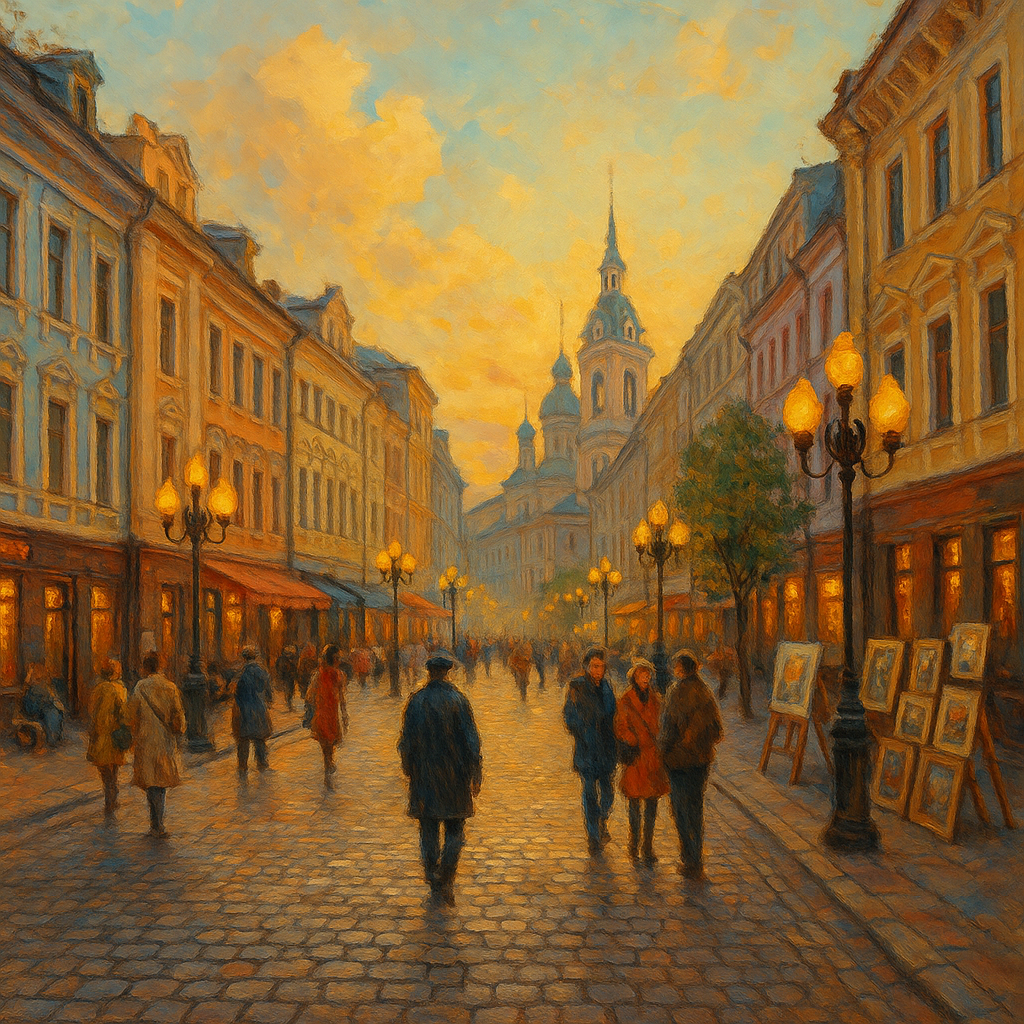
Walking down Arbat Street in Moscow is like stepping into a living museum of Russian history and culture, where centuries-old architecture stands shoulder to shoulder with bohemian cafés, souvenir stalls, and the melodies of street musicians that echo against the cobblestones. This is no ordinary street: Arbat is the most famous pedestrian thoroughfare in Russia, a place where art, politics, poetry, and daily life have intertwined for hundreds of years. To know Arbat is to know a part of the Russian soul, because this street has long been a canvas for artists, a refuge for intellectuals, and a stage for musicians who play not only for coins, but for the joy of connecting with passersby.
Arbat’s charm lies in its paradoxes. It is both ancient and modern, commercial and romantic, bustling with tourists and yet deeply tied to Russia’s artistic traditions. Originally a medieval trade route, it later became home to aristocrats, then writers and musicians, and today it is a vibrant promenade filled with shops, performers, and memories. Few streets in Moscow have seen so many transformations, and yet Arbat remains instantly recognizable as a cultural landmark, loved by Muscovites and travelers alike.
For language learners and cultural explorers, Arbat offers something rare: a place where the Russian language comes alive not only in textbooks but in poetry carved on plaques, in conversations overheard at cafés, and in the songs sung by buskers on street corners. To walk the Arbat is to hear Russian in its most expressive forms, and to understand how deeply culture, language, and daily life are connected.
In this article, we will explore Arbat Street’s rich history, its role as a haven for artists and intellectuals, the legendary figures who lived and worked here, and its modern incarnation as a vibrant pedestrian space. Along the way, we’ll uncover why Arbat continues to enchant Russians and foreigners alike, and what makes it such an unforgettable experience.
The History of Arbat Street
From Trade Route to Cultural Center
The history of Arbat goes back at least to the 15th century, when it served as a key route for merchants and travelers heading west from the Kremlin. Over time, it became a prestigious residential area for nobility, dotted with mansions and churches.
In the 18th and 19th centuries, fires and rebuilding changed Arbat’s face, but its reputation as a cultural hub grew. Writers, painters, and musicians began to settle here, creating an intellectual enclave that gave Arbat its enduring identity.
Arbat in the Soviet Era
In the Soviet period, Arbat was both a showpiece and a gathering place for artists and dissidents. Many writers lived here, including the famous poet Alexander Pushkin, whose house still stands as a museum today.
By the mid-20th century, Arbat had become a symbol of bohemian life, where artists mingled in cafés and underground musicians performed songs that reflected the spirit of an era.
Arbat and Russian Literature
Pushkin’s Legacy
Perhaps no figure is more closely tied to Arbat than Alexander Pushkin, Russia’s greatest poet. Pushkin lived here briefly with his young wife Natalia Goncharova, and his presence gave the street an aura of literary romance that persists to this day. The Pushkin House Museum on Arbat celebrates his life and work.
Poets and Songwriters
In the Soviet era, bards such as Bulat Okudzhava—himself a resident of Arbat—sang heartfelt songs that captured the struggles and hopes of ordinary people. His music, often performed with just a guitar, became a voice of sincerity in a time of political constraints.
Walking along Arbat, one can still hear street musicians covering Okudzhava’s songs, keeping his spirit alive.
Arbat and Music
Music is central to Arbat’s identity. From folk singers to classical musicians, the street has always been a stage. Buskers line the sidewalks, performing everything from Russian romances to rock ballads. Tourists stop, listen, and often join in, creating a shared moment of connection.
During the Soviet years, Arbat was a hub for unofficial cultural expression. Musicians who couldn’t perform on official stages often played here, earning Arbat a reputation as the “street of free voices.”
Today, the tradition continues. Guitars, violins, accordions, and even grand pianos sometimes appear on the street, making Arbat a living concert hall.
Artists on Arbat
Visual art is equally present. Painters set up easels to sell landscapes, portraits, and caricatures. Souvenir stalls offer Russian crafts: matryoshka dolls, lacquer boxes, icons, and jewelry. For many Muscovites, the image of artists painting en plein air is inseparable from Arbat’s atmosphere.
For language learners, this is an opportunity to practice Russian in real time: bargaining with vendors, asking about art, or chatting with caricaturists. The artistic life of Arbat is interactive, drawing visitors into the culture itself.
Modern Arbat: Tourism and Tradition
Since the 1980s, Arbat has been a fully pedestrian street, making it a magnet for both locals and tourists. Today, it blends tradition with commerce:
Cafés and restaurants line the street, serving everything from traditional Russian dishes to international cuisine.
Street performers and vendors add color and spontaneity.
Museums, including the Pushkin House and the Okudzhava memorial, anchor Arbat’s literary heritage.
Some critics argue that Arbat has become too commercial, losing some of its bohemian spirit. But for many, it remains an essential Moscow experience—a place where history and art meet everyday life.
Why Arbat Still Matters
Arbat Street is more than a tourist attraction. It is a symbol of Russian culture’s resilience and creativity. Despite wars, revolutions, and political upheavals, Arbat has remained a space where artists, poets, and musicians could find expression.
For learners of Russian, Arbat represents the living language. To hear poetry recited, to read Pushkin’s words on plaques, or to talk with a street artist is to experience Russian in its most authentic, expressive form.
A Language Learner’s Perspective
If you’re studying Russian, walking Arbat can be a language lesson in itself. You’ll encounter:
Street signs and plaques rich with historical vocabulary.
Conversations with vendors or performers.
Snippets of songs and poetry in Russian.
Every step is an opportunity to connect language to culture in a tangible way.
FAQs About Arbat Street
1. Where is Arbat Street located?
Arbat is in central Moscow, stretching about one kilometer from Arbatskaya Square to Smolenskaya Square.
2. Is Arbat pedestrian-only?
Yes, since the 1980s, it has been a pedestrian street, perfect for walking.
3. What is Arbat best known for?
Its artistic atmosphere—street musicians, painters, poets—and its literary and historical heritage.
4. Did Pushkin really live on Arbat?
Yes, Pushkin and his wife Natalia lived briefly in a house on Arbat, which is now a museum.
5. Who was Bulat Okudzhava?
A Soviet-era poet and singer-songwriter closely associated with Arbat, known for his heartfelt songs.
6. Is Arbat worth visiting for tourists?
Absolutely. It’s one of Moscow’s most famous and beloved streets, rich in history and atmosphere.
7. When is the best time to visit Arbat?
Evenings in summer are especially lively, with music, art, and bustling crowds.
8. What can you buy on Arbat?
Souvenirs, art, crafts, and books, as well as enjoying food and drink at cafés.
Conclusion: Arbat as the Soul of Moscow
Arbat Street is not just a Moscow landmark but a microcosm of Russian cultural life. It is where poetry lives on in museum walls, where music flows freely in the air, and where artists and dreamers continue to gather. To walk the Arbat is to witness centuries of Russian history compressed into a single street, alive with the voices of the past and the sounds of the present.
At Polyglottist Language Academy, we believe that learning Russian means more than mastering grammar—it means engaging with the culture that gives the language its depth and beauty. Exploring iconic places like Arbat helps learners feel connected to Russia’s history and creativity. If you’re ready to take your Russian learning to the next level, sign up for our classes today and discover the language through its culture.
And if you enjoyed this article, don’t miss our other deep dives into Russian life, language, and literature: