
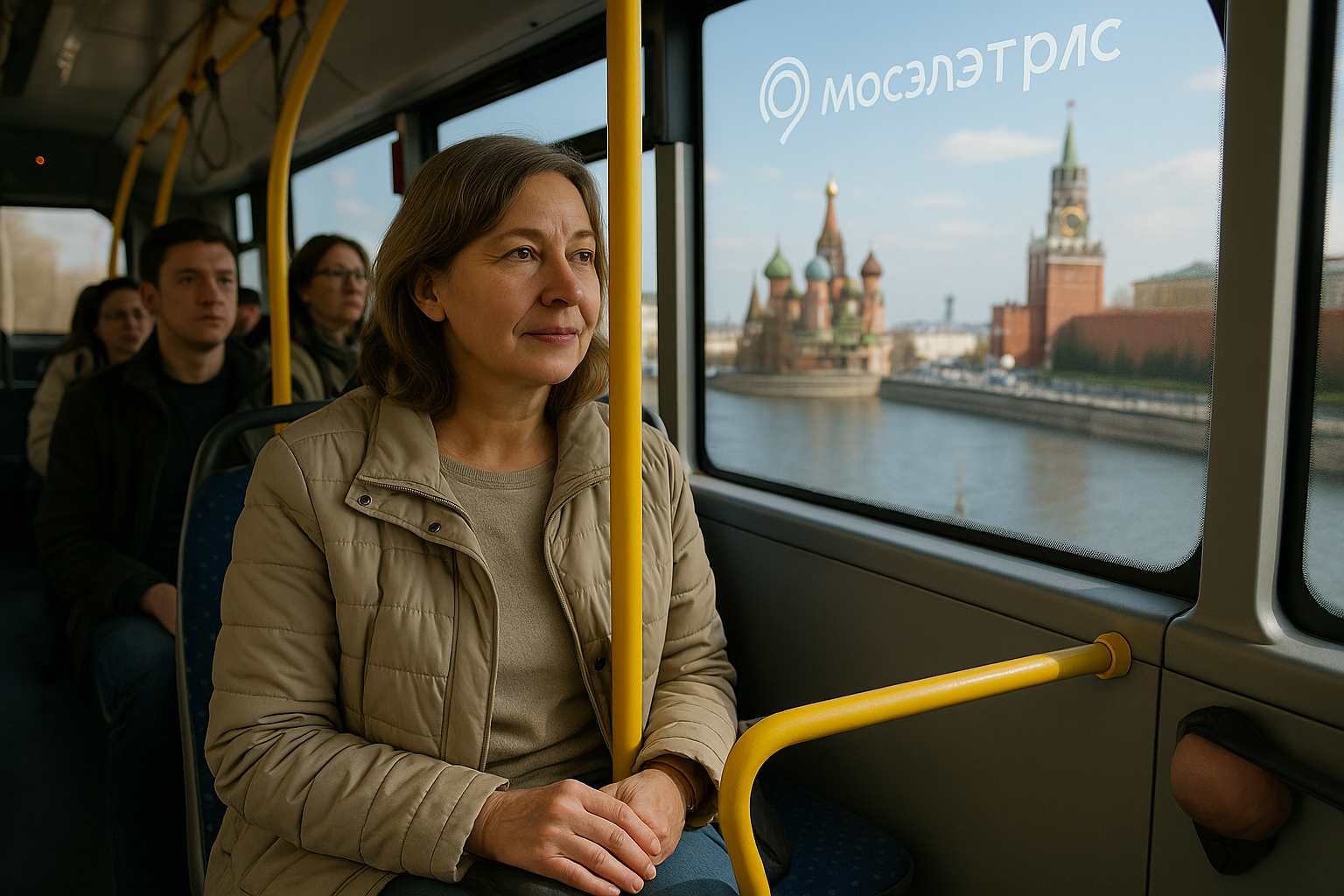
Traveling through Russia can feel like a thrilling adventure, but for many newcomers, one of the most daunting parts is deciphering the public transport system—and more specifically, the language that goes with it. Russian cities, from sprawling Moscow and Saint Petersburg to smaller regional hubs like Kazan or Novosibirsk, rely heavily on public transport, and the terminology you’ll encounter on signs, announcements, and in everyday conversation is packed with nuances that don’t always translate easily. Whether you’re riding the Moscow Metro for the first time, trying to hail a маршрутка (shared minibus), or navigating a train journey across multiple time zones, knowing the right Russian words and expressions can turn confusion into confidence.
This article will take you step by step through the essential vocabulary, cultural context, and practical phrases you’ll need to master Russian public transport terminology. You’ll not only understand the literal meanings of words, but also the hidden cultural logic behind them, so you can move through Russian cities like a local rather than a lost tourist. By the end, you’ll be able to distinguish between an автобус and a троллейбус, know what to say when asking for a stop, and interpret cryptic signs and announcements that are second nature to locals but bewildering to visitors.
Why Public Transport Is Central to Russian Life
Russia is a country of vast distances, harsh winters, and bustling cities, all of which make efficient public transport not just a convenience but a necessity. Unlike in many American cities, where cars dominate, Russian urban life revolves around buses, trams, trolleybuses, metro systems, and trains. Owning a car is still common, but the majority of Russians, especially in large cities, rely on public transport every single day.
Because of this centrality, transport-related vocabulary is deeply woven into everyday Russian. Even in casual conversations, phrases connected to commuting, transfers, and ticketing pop up constantly. For learners of Russian, mastering this vocabulary is not only practical for travel—it’s also an excellent window into cultural habits, social interactions, and even humor.
The Core Modes of Russian Transport
To navigate Russian public transport effectively, you need to recognize the main categories of vehicles and their terms:
1. Автобус (Avtobus) – Bus
The workhorse of Russian transport. Buses operate in all cities and towns, often connecting areas where metro or trams don’t reach.
2. Троллейбус (Trolleybus) – Trolleybus
A bus-like vehicle powered by overhead electric wires. Once iconic in Russia, trolleybuses are less common today but still operate in many cities.
3. Трамвай (Tramvai) – Tram
Trams are rail vehicles that run along tracks on city streets. Some cities boast historic tram networks; in others, modern trams are sleek and fast.
4. Маршрутка (Marshrutka) – Shared Minibus
Perhaps the most uniquely Russian form of public transport, маршрутки are small vans or minibuses running set routes. Unlike buses, they often stop anywhere along the road when passengers ask, and the culture around paying and disembarking can be intimidating to outsiders.
5. Метро (Metro) – Metro/Subway
Russia is famous for its metro systems, especially in Moscow and Saint Petersburg. Stations are often elaborately decorated, earning the Moscow Metro the nickname “the people’s palace.”
6. Электричка (Elektrichka) – Suburban Train
These commuter trains connect cities with surrounding towns and suburbs. The word evokes nostalgia in Russian culture, as countless stories and songs mention life on the электричка.
7. Поезд (Poezd) – Train
For longer journeys across regions or the vast expanse of Russia, поезд is the word you’ll need. From overnight trains with sleeping compartments to the Trans-Siberian Railway, trains remain a backbone of Russian travel.
Key Terminology and Phrases
Here are essential words and phrases you’ll encounter, with explanations of their cultural context:
Остановка (Ostanovka) – Stop. Used for bus and tram stops.
Станция (Stantsiya) – Station. Typically refers to metro or train stations.
Конечная (Konechnaya) – The final stop on a route. Don’t be surprised if the driver announces this abruptly—it means everyone must get off.
Проездной (Proyezdnoy) – Transport pass. Monthly or weekly cards valid across buses, metro, or trams.
Билет (Bilet) – Ticket. May be paper, card, or digital.
Пересадка (Peresadka) – Transfer, especially between metro lines.
Выход к поездам (Vykhod k poezdam) – Exit to trains. Common sign in metro stations.
Держитесь за поручни (Derzhites’ za poruchni) – Hold onto the handrails. Often announced on buses.
Следующая остановка… (Sleduyushchaya ostanovka…) – The next stop is…
Mastering the Metro
The metro is a world unto itself in Russian cities, especially Moscow. To a newcomer, the sprawling network of lines, stations, and tunnels can seem overwhelming. Key tips:
Station Names: Often long and unfamiliar, but many are named after nearby streets, squares, or historical figures.
Transfers: Look for the word пересадка. The same station may have multiple names depending on the line.
Etiquette: Stand to the right on escalators; the left side is for people in a hurry.
Announcements: Onboard announcements indicate the next station and which side the doors will open on.
The Mystique of the Marshrutka
If the metro is orderly, маршрутки are the opposite—semi-formal, crowded, and deeply cultural. Tips for navigating them:
Paying: Hand your fare directly to the driver, often in cash. If you’re seated in the back, pass money forward through other passengers.
Stops: There are no official stop buttons—shout “Остановите, пожалуйста!” (Ostanovite, pozhaluysta! – Please stop!) to the driver.
Etiquette: Quick, no-nonsense communication. Locals will respect your effort if you use polite Russian.
Ticketing and Payment Systems
In recent years, many Russian cities have modernized ticketing systems. Moscow uses the Тройка (Troika) card, which can be tapped on buses, trams, and the metro. Saint Petersburg has the Подорожник (Podorozhnik) card.
Traditional tickets still exist, especially in smaller towns. Learning to say “Один билет, пожалуйста” (Odin bilet, pozhaluysta – One ticket, please) will serve you well.
Cultural Nuances in Transport Language
Understanding Russian public transport vocabulary is not just about words—it’s also about cultural expectations:
Russians use time expressions like “через пять минут” (in five minutes) rather than “at 3:05.”
Humor about delays or crowded conditions is common; knowing words like пробка (traffic jam) helps you join the conversation.
The concept of общение (communication) is key—strangers often chat briefly while traveling, sharing comments about weather, delays, or daily life.
Practical Tips for Learners
Listen to Announcements: Treat them as listening practice. Write down words you hear and look them up later.
Practice with Maps: Use metro or bus maps as language tools, reading the station names aloud.
Role-Play: Practice dialogues like asking for tickets, directions, or stops.
Immerse Digitally: Apps like Yandex Metro and Yandex Maps are available in Russian—switch your phone to Russian to reinforce vocabulary.
FAQs
Q: How different is Russian transport terminology from English?
A: While some words (like автобус) are recognizable, many others (маршрутка, электричка) are uniquely Russian and require cultural context.
Q: Can I survive in Russia using only English?
A: In central Moscow or Saint Petersburg, some signage is bilingual. But in smaller cities or on маршрутки, English is rare—basic Russian is extremely helpful.
Q: How do I ask a driver to stop in a маршрутка?
A: Say “Остановите, пожалуйста!” (Please stop). Loud enough for the driver to hear, but polite.
Q: Are tickets interchangeable across transport modes?
A: In many large cities, yes—especially with transport cards like Troika. In smaller towns, no—you’ll need separate tickets.
Q: What if I get lost in the metro?
A: Don’t panic. Russians are generally helpful if you ask politely. Phrases like “Где пересадка на…?” (Where is the transfer to…?) will help.
Q: How crowded does public transport get?
A: Very, especially during rush hours. This is when etiquette—like standing on the right, not blocking doors, and giving up seats to elderly passengers—is most important.
Conclusion: From Confusion to Confidence
Navigating Russian public transport terminology might seem intimidating at first, but with a bit of study and cultural awareness, it transforms from a barrier into an exciting part of your journey. Every announcement, sign, and interaction is an opportunity to practice your Russian and connect with local life. Mastering these terms means not only smoother travel but also deeper immersion into Russian culture.
At Polyglottist Language Academy, we believe that true language learning goes beyond the classroom. It’s about equipping yourself with the vocabulary and cultural understanding that allows you to live the language. If you’re ready to take your Russian to the next level, join our classes today and gain not just grammar and vocabulary, but the cultural confidence to thrive in real-world situations like navigating public transport.
Explore More Articles on Our Blog
If you found this guide useful, you might also enjoy: