
Russian Fairy Tale Motifs in Modern Cinema
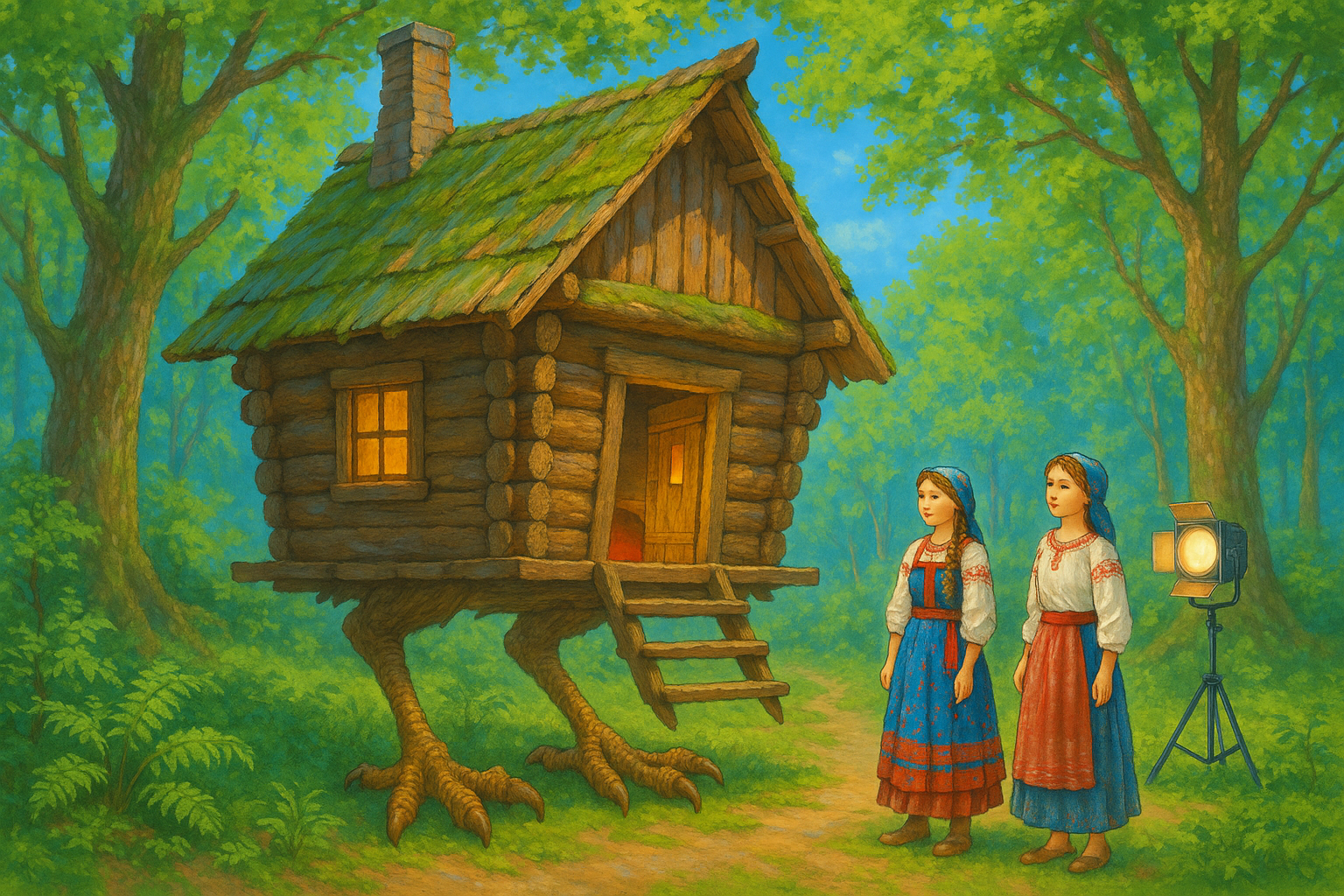
Few nations have produced stories as richly layered, as deeply symbolic, and as endlessly adaptable as Russia, where centuries-old fairy tales continue to echo in literature, theater, and film, shaping how both Russians and foreigners imagine the cultural soul of the largest country on Earth. What makes Russian fairy tales so compelling is not simply their imaginative creatures or dramatic quests, but the way they combine moral instruction, spiritual undertones, folk humor, and vivid archetypes that remain relevant even in our age of special effects and streaming platforms. When we watch a modern movie and suddenly catch a glimpse of Baba Yaga’s crooked hut on chicken legs, or hear echoes of the Firebird’s dazzling feathers in a visual motif, we are reminded that Russian fairy tales never really disappeared—they evolved, adapted, and found new ways to speak to us in cinema.
In this article, we’ll explore the fascinating journey of Russian fairy tale motifs into modern film, examining how ancient stories survive in new guises, why global audiences are drawn to these myths, and how filmmakers—from Soviet directors to Hollywood studios—have borrowed, reinvented, and sometimes misunderstood the archetypes of Russian folklore. Whether you are a film buff, a language learner, or simply someone enchanted by Slavic legends, understanding these motifs can open a window into Russian culture that is at once magical and profoundly human.
What Makes Russian Fairy Tales Unique?
Every culture has fairy tales, but Russian ones stand apart in several key ways:
Moral Ambiguity – Unlike Western fairy tales, which often present clear lines between good and evil, Russian fairy tales are filled with morally complex characters. Baba Yaga, for instance, can be a villain, a helper, or both.
Deep Connection to Nature – Forests, rivers, and animals are not just backgrounds but active participants in the story, reflecting the importance of the natural world in Russian life.
Myth and Christianity Intertwined – Russian fairy tales carry echoes of pre-Christian pagan beliefs layered with Orthodox Christian morality, creating a complex symbolic blend.
Iconic Archetypes – From Ivan the Fool (a seemingly simple-minded hero who triumphs) to Koschei the Deathless (the undying villain whose soul is hidden in a magical object), these archetypes recur endlessly.
Understanding these elements helps explain why Russian fairy tales have proven so adaptable for cinema: their complexity allows for multiple interpretations, while their imagery remains instantly recognizable.
Soviet Cinema and Fairy Tale Adaptations
During the Soviet period, fairy tales became a powerful cinematic tool. On one hand, they offered entertainment for children; on the other, they were subtly infused with ideological messages.
Notable Examples
“Morozko” (1964) – A classic fairy-tale film that mixes Russian folklore with lessons about humility, kindness, and perseverance.
“Vasilisa the Beautiful” (1939) – Bringing the story of Vasilisa and Baba Yaga to life in a pre-war Soviet context.
Alexander Ptushko’s films – Ptushko was often called the Soviet Disney, known for his stunning use of stop-motion and early special effects to create magical creatures.
These films did more than entertain children. They shaped the collective imagination, teaching moral lessons consistent with Soviet values while still preserving the enchantment of folklore.
The Survival of Motifs in Post-Soviet and Global Cinema
After the collapse of the Soviet Union, filmmakers began experimenting more freely with folklore. Some returned to fairy tales directly, while others embedded motifs in modern narratives.
Russian Films
“The Last Warrior” (Последний богатырь, 2017) – A Disney-produced Russian film blending contemporary humor with traditional folklore characters like Baba Yaga, Koschei, and Vasilisa.
“Viy” (2014 remake) – Based on Gogol’s horror tale (itself rooted in folklore), the film reinterprets dark fairy-tale imagery for modern audiences.
Global Influence
Hollywood’s fascination – Films like Hellboy (2004, 2019) and John Wick: Chapter 3 (2019) feature Baba Yaga references, showing how Russian motifs have entered global pop culture.
Animation – DreamWorks’ Rise of the Guardians (2012) included a Russian-inspired Santa Claus (“North”), who embodied the larger-than-life, warrior-like qualities found in Russian folklore.
These examples show that Russian fairy tales, far from being cultural relics, have become flexible tools for filmmakers worldwide.
Key Motifs and Their Cinematic Lives
Baba Yaga – The Ambiguous Witch
No figure is more iconic in Russian fairy tales than Baba Yaga. She lives in a hut on chicken legs, flies in a mortar with a pestle, and both terrifies and helps heroes.
In Soviet films, she was often portrayed humorously, a mixture of menace and comic relief.
In modern Russian cinema, such as The Last Warrior, Baba Yaga has been reimagined as a quirky side character.
In Western references, Baba Yaga has become shorthand for a terrifying, unstoppable force—as in John Wick.
Koschei the Deathless – The Eternal Villain
Koschei is nearly impossible to kill because his soul is hidden in a magical object (an egg inside a duck inside a hare inside a chest…).
Films like The Last Warrior resurrect Koschei as both threatening and humorous, highlighting his immortality in creative ways.
The Firebird – A Symbol of Beauty and Desire
The Firebird represents unattainable beauty and magical power.
It has inspired ballets, operas, and modern cinematic references. While less explicitly adapted in Hollywood, its glowing imagery is echoed in films like Harry Potter’s phoenix.
Ivan the Fool – The Underdog Hero
Ivan’s simplicity, kindness, and perseverance often lead him to victory over stronger rivals.
This archetype influenced Soviet films and continues to appear in Russian cinema, where unlikely heroes succeed by relying on humility and bravery rather than power.
Why Do These Motifs Resonate Today?
Timeless Archetypes – Characters like Baba Yaga or Koschei represent universal human fears and desires.
Moral Complexity – Unlike sanitized Western fairy tales, Russian motifs acknowledge life’s gray areas, which modern audiences appreciate.
Visual Richness – Talking animals, magical forests, and mystical objects naturally lend themselves to striking cinematography.
Global Curiosity About Russia – In an era of geopolitical tension, cultural motifs offer a softer, more intriguing entry into Russian identity.
How Learning Russian Deepens the Experience
Watching Russian films based on fairy tales in their original language reveals layers that translations often miss. Idiomatic phrases, wordplay, and cultural subtext are key to understanding the humor and moral lessons of these stories.
For example:
Baba Yaga’s scolding often uses archaic or rural speech patterns.
The playfulness of Ivan the Fool comes across more vividly in Russian idioms.
By learning Russian, you don’t just watch a film—you step into the cultural imagination that created it.
FAQs
Q: Are Russian fairy tales darker than Western ones?
A: Yes, they often contain darker themes, but this doesn’t mean they are hopeless. Instead, they balance light and dark, offering both moral lessons and acknowledgment of life’s struggles.
Q: Is Baba Yaga always evil?
A: Not at all. Sometimes she is a villain, but other times she acts as a guide or helper. Her ambiguity is what makes her so fascinating.
Q: What’s the difference between Soviet fairy-tale films and modern ones?
A: Soviet films often carried ideological undertones, while modern adaptations play more with humor, fantasy, and globalized tropes.
Q: Do Western films accurately portray Russian folklore?
A: Usually, they simplify or distort motifs. While references to Baba Yaga or the Firebird appear, they rarely capture the cultural depth of the originals.
Q: Which Russian fairy-tale films should a beginner start with?
A: Morozko, Vasilisa the Beautiful, and The Last Warrior are good starting points.
Q: Can Russian fairy tales help with learning the language?
A: Absolutely. They provide exposure to folk vocabulary, idioms, and narrative styles.
Q: Why are forests so important in Russian fairy tales?
A: The forest represents both danger and possibility, reflecting Russia’s geography and symbolic imagination.
Q: Are there modern Russian TV shows based on fairy tales?
A: Yes, several fantasy series in Russia borrow heavily from folklore, though they are less known internationally.
Conclusion – From Forest to Film
Russian fairy tales continue to thrive in modern cinema because their characters and motifs embody universal human truths while retaining a uniquely Slavic flavor. Whether they appear in classic Soviet films, contemporary Russian blockbusters, or subtle Hollywood references, figures like Baba Yaga, Ivan the Fool, and the Firebird remind us that folklore is never just about the past—it is a living tradition that reinvents itself with each generation of storytellers.
If you want to go deeper into Russian culture, there’s no better way than learning the language itself. At Polyglottist Language Academy, we offer Russian classes that bring you closer to the stories, idioms, and cultural contexts that make these fairy tales so enduring. By studying with us, you’ll not only improve your Russian but also discover the rich world of its literature, cinema, and folklore.
👉 Sign up today for our Russian language classes and unlock the magic of Russian storytelling.
Explore More on Our Blog
If you enjoyed this article, you’ll also love these related posts:
How Russians Navigate Public Space—And Why Americans Struggle With It
The Cultural Importance Of Grandmothers (Babushki) In Russian Society
From Bliny To Kvass: What Russian Street Food Reveals About The Culture
Russian Easter Traditions: Food, Faith, And Festivities You’ll Want To Experience
Why Russians Love Dill: A Look At Their Favorite Herbs & Spices
Dachas, Forests, And Mushrooms: Russia’s Deep Bond With Nature
Why Russians Love The Banya: Language, Ritual, And Social Bonding