
Why Russians Love the Banya: Language, Ritual, and Social Bonding
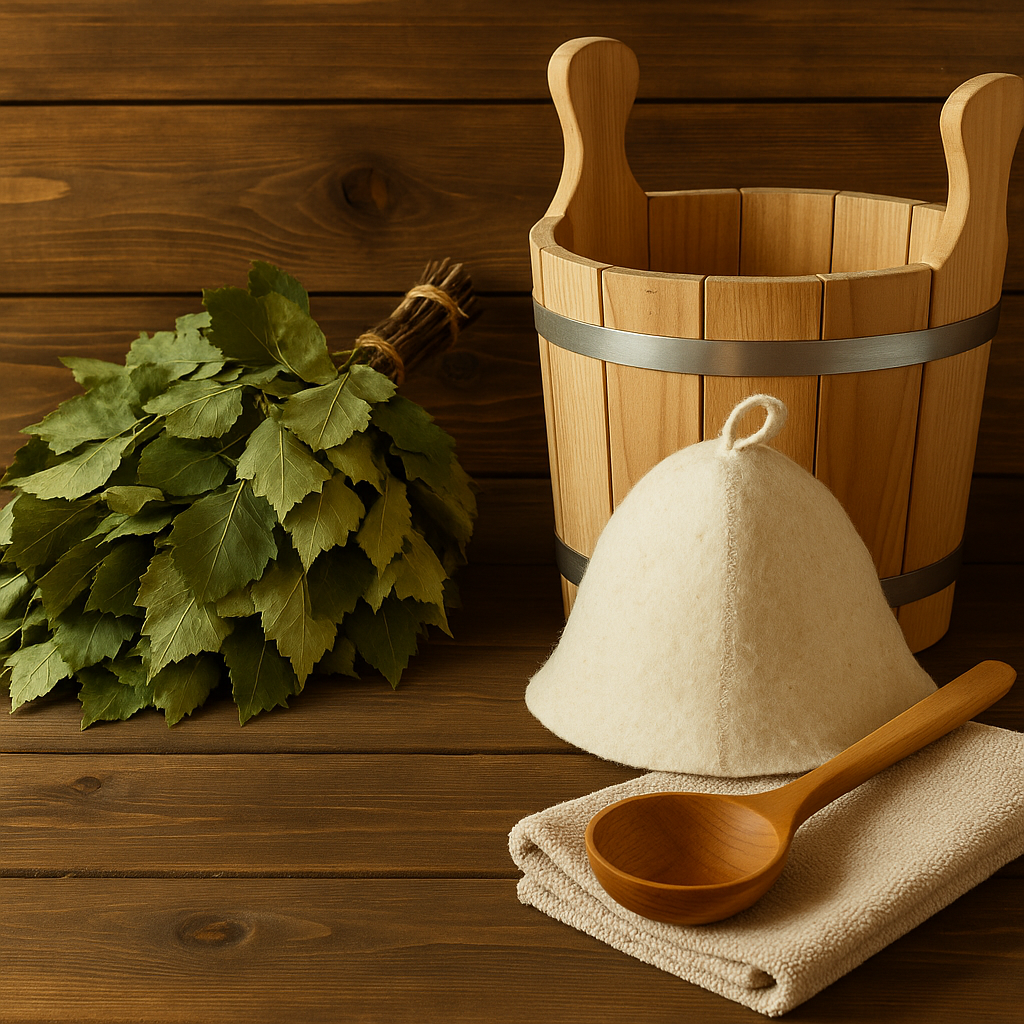
Discover the cultural, linguistic, and social significance of the Russian banya. Learn how this beloved tradition fosters connection and language learning. Brought to you by Polyglottist Language Academy, serving Berkeley, San Francisco, Oakland, and San Jose.
Introduction: More Than Steam — A Window into the Russian Soul
Imagine this: It’s a crisp winter afternoon in Moscow. Outside, the streets are blanketed in snow, the trees bare and silent. But inside a small, unassuming wooden building, it’s a different world entirely. The scent of birch and eucalyptus fills the air. Steam billows through the heavy door. Conversations flow between sips of herbal tea. Laughter echoes off wooden benches. And someone is gently hitting a friend’s back with a leafy bundle. You’ve just stepped into one of Russia’s most sacred and enduring traditions: the banya.
To the uninitiated, it might seem like just a sauna with quirky customs. But to Russians, the banya is far more than heat and humidity. It is a spiritual ritual, a cultural rite, a moment of healing, and perhaps most importantly, a space for deep, authentic human connection. It is where generations gather, ideas are exchanged, stories are told, and the weight of daily life is sweated out, quite literally. It’s also where friendships are forged and family bonds strengthened—without the distractions of modern life.
For Americans, especially those in the San Francisco Bay Area—from Berkeley to San Jose—who may be learning Russian for travel, relationships, or cultural enrichment, understanding the banya is key to understanding Russian people. Why? Because the banya is a metaphor for so much of what defines Russian identity: endurance, openness, warmth beneath a tough exterior, and a deep respect for tradition.
At Polyglottist Language Academy, we often encourage our students to go beyond the textbooks. Language is not just about words and grammar—it’s about the moments, spaces, and rituals where that language lives and breathes. The banya is one of those places. It is where the Russian language unfolds in its most expressive, intimate, and unfiltered form.
And here's the magic: you don’t even need to be fluent to appreciate it. Even if you only know a handful of words—parilka, venik, zhar—you’ll find yourself drawn into a centuries-old tradition that welcomes anyone willing to sit, sweat, and share.
Whether you’re planning a trip to Russia, curious about Eastern European wellness culture, or just love discovering new dimensions of language and lifestyle, the banya is a beautiful entry point. So pour yourself a cup of tea (or maybe a shot of vodka), wrap yourself in a towel, and get ready to explore one of the warmest, steamiest corners of the Russian soul.
Welcome to the Russian banya—a place of healing, tradition, laughter, deep conversation, and cultural meaning.
For many Americans, a sauna or steam room is just a way to unwind after a workout. But in Russia, the banya is something else entirely. It’s a weekly ritual, a sacred space, a social hub, and a cultural cornerstone that’s been around for over a thousand years.
And here’s where it gets interesting for language learners and travelers: to understand Russian life, values, and even language, you have to understand the banya. At Polyglottist Language Academy, we believe that true language learning doesn’t just happen in textbooks—it happens in context. And what better context than a centuries-old tradition where people gather to talk, reflect, cleanse, and connect?
In this article, we’ll explore why Russians love the banya, what happens inside, what it teaches you about language and culture, and how this humble wooden structure brings people together—whether in a village in Siberia or an upscale spa in downtown San Francisco.
Let’s take a steam-powered journey into one of Russia’s most beloved institutions.
What Exactly Is a Banya?
A banya is a traditional Russian steam bath, typically heated by a wood-burning stove. It usually consists of three rooms:
Pre-bath room (predbannik): Where you undress and drink tea or kvass.
Steam room (parilka): The hot core of the experience, with high humidity and temperatures often over 90°C (194°F).
Washing or cooling area: For rinsing off, often involving a cold plunge or snow roll.
People in the banya use veniki (bundles of leafy birch or oak branches) to gently whip each other, improving circulation and exfoliating the skin.
More than just a spa, the banya is a place for storytelling, resolving disputes, toasting with friends, and even informal business meetings.
A Thousand Years of Steam: A Brief History
The banya dates back to at least the 10th century. Chronicles describe early Rus people using wood-fired steam houses for hygiene and healing. Over time, the banya became part of Orthodox and folk rituals: newborns were bathed here, weddings were celebrated with pre-ceremony banyas, and the sick were often treated with steam therapy.
It was common across all classes—from peasants to nobility. Famous Russian authors like Tolstoy and Dostoevsky referenced the banya in their works. Even today, many Russians living in cities still travel to country banyas for a weekend detox.
Why It Matters: More Than Relaxation
1. A Place for Language and Bonding
The banya is a talking place. You’ll often hear:
Proverbs: Par v golovu — i v dushu. (Steam into the head — and into the soul.)
Deep chats: Life, family, politics, and personal challenges.
Generational wisdom: Elders share knowledge with the young.
For language learners, this is a dream scenario: authentic dialogue, real-life slang, and cultural idioms all in one setting.
2. Ritual Meets Community
Going to the banya is never rushed. There’s a rhythm:
Heat
Cool
Rest
Repeat
This creates space for presence, mindfulness, and togetherness. It reflects the Russian value of sincerity over small talk—a quality that often surprises Westerners.
3. Emotional Cleansing
Banya-goers often talk about “steaming out the stress”. There’s a sense of emotional rebirth after a session—echoing the Russian mindset that hardship can be overcome through endurance and renewal.
Vocabulary You’ll Hear in the Banya
Parilka – steam room
Venik – bath whisk (birch/oak branch bundle)
Zhar – intense heat
Zalivat’ kamen’ – to pour water on hot stones
Okhlazhdat’sya – to cool down
Bannik – bathhouse attendant or spirit (in folklore!)
These terms pop up in everyday Russian as metaphors too:
On razognalsya kak v banye! – He heated up like in a banya! (Used for someone who's worked themselves into a frenzy.)
Modern Banyas in the Bay Area
Did you know you can experience a Russian-style banya in the Bay Area? There are wellness centers in San Francisco, Oakland, and nearby cities that offer banya sessions.
Our students at Polyglottist often visit these spaces during our Russian immersion weeks. It’s a fun way to:
Practice vocabulary
Hear native speakers
Feel part of the tradition
You don’t have to fly to Moscow to feel the steam—just bring a towel, an open mind, and maybe a venik.
How Banya Reflects the Russian Language
🔹 Idioms and Proverbs
Russian is full of banya-related sayings:
Banya parit — zdorov’ye darit. (The banya steams — gives health.)
Bez bany i zhizn’ ne ta. (Without the banya, life isn’t the same.)
These show how deeply the banya is embedded in the national psyche—and why learning these phrases gives you insight into Russian humor, worldview, and community.
🔹 Formality and Familiarity
The banya blurs social lines. Everyone wears the same towel. Titles and ranks disappear. That’s why the speech is often colloquial, emotionally open, and sprinkled with regionalisms.
For language learners, it’s a goldmine of real speech patterns.
How Polyglottist Language Academy Connects Language and Culture
At Polyglottist Language Academy, we go beyond grammar charts. Our Russian classes:
Include cultural sessions on rituals like the banya
Use authentic materials (clips, interviews, stories)
Encourage live conversation and slang practice
Offer travel prep for those visiting Russian-speaking countries
Whether you’re in Berkeley, Oakland, San Francisco, or San Jose, our classes are designed to connect you with real people, real language, and real life.
Come for the verbs—stay for the venik!
FAQs
❓ Is the banya the same as a sauna?
No. Russian banyas are hotter and more humid. They include rituals like venik massage and social storytelling.
❓ Do Russians go to the banya often?
Yes! Many go weekly. In rural areas, it’s a core part of life. In cities, it’s a cherished tradition or weekend treat.
❓ Can you visit a banya as a foreigner?
Absolutely. Many banyas welcome foreigners and provide guidance for first-timers.
❓ What should I bring?
A towel, flip-flops, water, and optional hat or venik. Leave modesty at the door—bathing suits may or may not be worn.
❓ Will I be expected to speak Russian?
In Russia, yes—but in Bay Area banyas, English is fine. Still, knowing a few words is always appreciated.
❓ Is it good for your health?
Yes! Banya sessions can improve circulation, reduce stress, help detox, and strengthen immunity.
Loved This? Read These Next:
Russian Classes For Heritage Speakers In Sacramento: Reconnect With Your Roots
Fun And Interactive Russian Classes For Adults In Berkeley And Beyond
Survival Russian For Travelers: Master The Essentials Before You Go
Russian Easter Traditions: Food, Faith, And Festivities You’ll Want To Experience
Ready to steam up your Russian?
Join our classes at Polyglottist Language Academy and discover how language, tradition, and culture connect—in and out of the classroom.
Because learning Russian isn’t just about verbs. It’s about people. And the banya.