
The Role of “Вежливость” (Politeness) in Everyday Russian
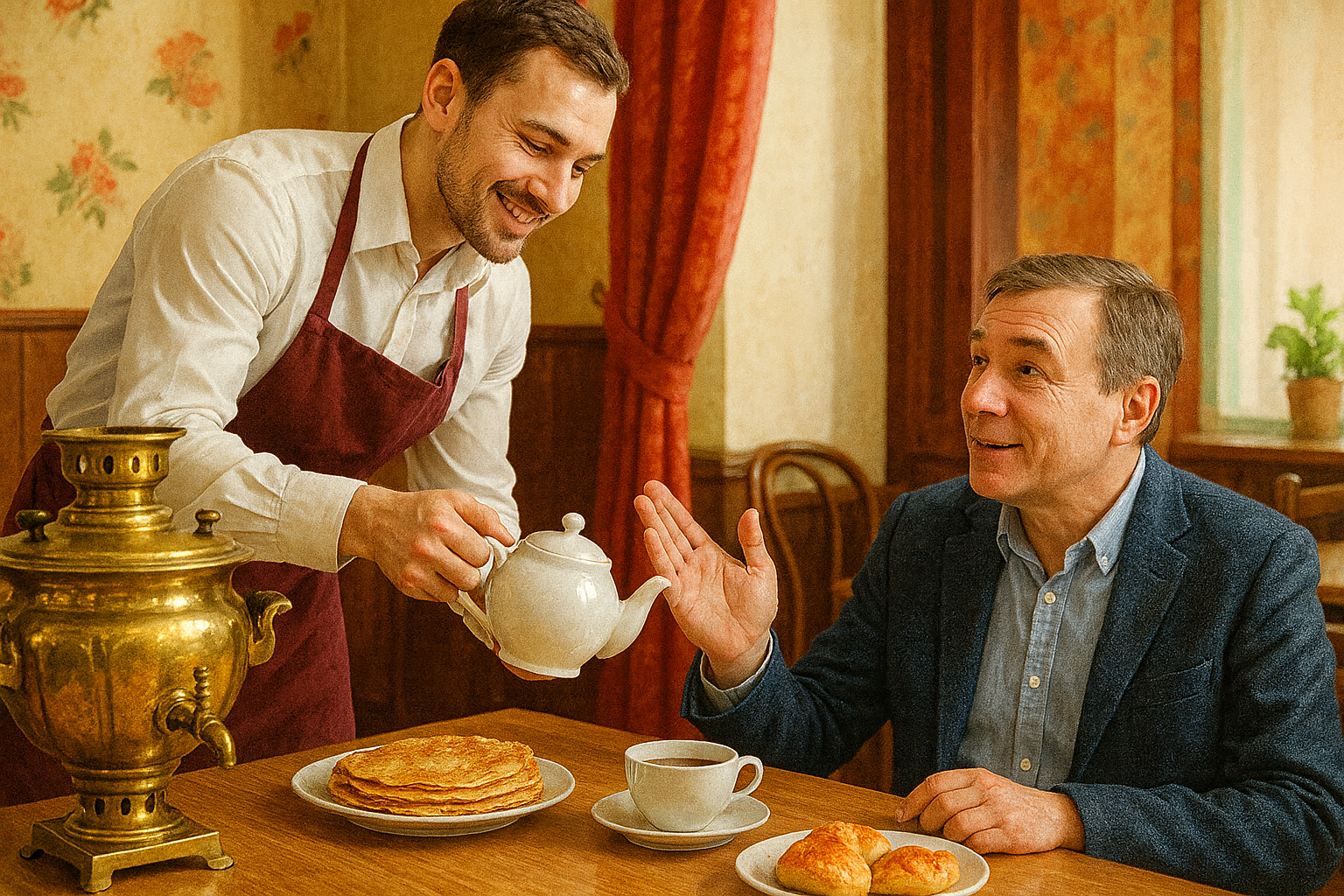
Politeness in Russian is not just about saying “please” and “thank you”—it is a deeply ingrained system of linguistic and cultural norms that reflects hierarchy, respect, intimacy, and social distance. To an English speaker, Russian speech can sometimes sound blunt or even harsh, but this is usually a misunderstanding. What seems like directness often masks a very structured approach to politeness, one that operates differently than in English but is no less nuanced. In fact, the Russian concept of вежливость (vezhlivost’, politeness) is one of the most important keys to understanding how Russians interact in everyday life.
For learners of Russian, mastering politeness is as important as learning grammar and vocabulary. Without it, you might unintentionally sound rude or overly familiar. With it, you can navigate social interactions smoothly, impress native speakers, and connect more authentically with Russian culture. From the pronouns you choose (ты vs. вы) to the phrases you use when greeting someone, to how you soften requests, Russian politeness is a whole language in itself.
This article will explore the role of politeness in everyday Russian. We’ll cover how it manifests in grammar, vocabulary, body language, and cultural norms. We’ll also look at how Russians balance formality and warmth, when to switch registers, and what foreigners should keep in mind to avoid faux pas. By the end, you’ll see that far from being a culture of “rude” speakers, Russia has one of the most carefully calibrated systems of politeness in the world.
What Is “Вежливость”?
The word вежливость comes from вежа (an old word for “knowing, wise”). Historically, it implied behaving with awareness and knowledge of social rules. In modern Russian, вежливость means politeness, courtesy, and respect for others.
At its core, politeness in Russian has three dimensions:
Formal vs. Informal Address – choosing the right pronoun (вы vs. ты).
Polite Phrases – using expressions like пожалуйста (please), будьте добры (be so kind), and извините (excuse me).
Tone and Register – deciding when to sound direct and when to soften speech.
The Power of Pronouns: Ты vs. Вы
Perhaps the most important element of Russian politeness is the distinction between the informal pronoun ты and the formal pronoun вы.
Вы – Used with strangers, older people, colleagues, or anyone with whom you have a formal relationship.
Ты – Used with friends, family, children, and in informal contexts.
Switching from вы to ты is significant. Often, one person proposes the change with a phrase like:
Давайте перейдём на «ты». – Let’s switch to “ты.”
This transition marks a new stage of intimacy or equality. Using ты too early can seem rude; using вы too long can seem distant.
Polite Words and Expressions
Russian has a rich set of polite markers that learners should master.
Здравствуйте – The formal “hello.”
Добрый день / вечер / утро – Good day / evening / morning.
Пожалуйста – Please (and also “you’re welcome”).
Будьте добры – Be so kind (a very polite way to ask).
Извините / простите – Excuse me / sorry.
Спасибо – Thank you.
Большое спасибо – Thank you very much.
Благодарю вас – A formal and somewhat old-fashioned “I thank you.”
Russians also soften requests by adding polite constructions like не могли бы вы… (could you…) instead of blunt imperatives.
Tone and Directness
English speakers sometimes perceive Russians as “rude” because Russian speech can be more direct. For example:
Russian: Дайте меню. – Give me the menu.
English equivalent: “Could I please see the menu, if that’s okay?”
But in Russian, the shorter form isn’t rude—it’s normal. The politeness is implied by context, tone, and often by using вы.
Key point: Directness is not impoliteness. Russians value sincerity and brevity, so excessive softening can sound unnatural.
Politeness in Social Contexts
In Shops and Restaurants
Always greet: Здравствуйте.
Use вы with staff.
Say спасибо when receiving change or food.
At Work
Colleagues usually start on вы, especially across age or rank differences.
Emails often begin with Уважаемый… (Dear, respected…).
Politeness signals professionalism.
With Friends and Family
Politeness shifts toward warmth.
Diminutives (like спасибки) or affectionate nicknames are common.
Ты dominates, though with grandparents or older relatives, вы may still be used.
Nonverbal Politeness
Politeness in Russia isn’t only verbal:
Handshakes – Firm handshakes among men, sometimes women; never across a threshold.
Smiling – Russians don’t smile as often at strangers, but that doesn’t mean they’re impolite. Smiles are reserved for genuine warmth.
Gestures – Standing up when greeting an elder or shaking hands is a sign of respect.
Historical Layers of Politeness
Tsarist Era: Elaborate forms of address, often including titles and patronymics.
Soviet Era: More egalitarian but also more formal in official settings. Patronymics remained central.
Modern Russia: A blend of traditional politeness (patronymics, formal greetings) and global informality (emails, youth slang).
Common Politeness Pitfalls for Foreigners
Overusing ты. Default to вы until invited otherwise.
Forgetting greetings. Russians almost always greet before starting a conversation.
Excessive English-style softening. Phrases like “I was just wondering if maybe you could possibly…” can sound strange in Russian.
Ignoring nonverbal cues. Not standing to shake hands with an older person can seem disrespectful.
How Politeness Reflects Russian Culture
Politeness in Russian reflects values of respect, sincerity, and clear social boundaries. Where English uses small talk and smiles, Russian uses formality and structured language. It is less about being “nice” and more about being respectful and appropriate for the situation.
Mini-Dialogues
In a shop:
Customer: Здравствуйте. Будьте добры, один батон хлеба.
Clerk: Пожалуйста.
Customer: Спасибо.
At work:
Email opening: Уважаемая Мария Ивановна,
Closing: С уважением, Иван Петров.
Among friends:
Привет, спасибо, что помог.
Да не за что.
FAQs About Politeness in Russian
Q: Is Russian less polite than English?
A: Not at all—it’s simply different. Russian politeness emphasizes formality and respect through pronouns, greetings, and tone, rather than constant smiling or softening.
Q: When should I switch from вы to ты?
A: Wait for the other person to suggest it. Using ты too soon can feel presumptuous.
Q: Do Russians really use patronymics in daily life?
A: Yes, especially in formal or professional contexts. Addressing someone by first name + patronymic shows respect.
Q: Why don’t Russians smile at strangers?
A: In Russia, smiles are sincere and reserved for people you genuinely like or know. A constant smile can seem insincere.
Q: What’s the most polite way to make a request?
A: Use не могли бы вы… (could you…) or будьте добры… (be so kind…).
Q: Is it rude not to say “please” every time?
A: No. In Russian, once politeness is established (through greetings, tone, вы), repeating пожалуйста isn’t always necessary.
Q: Do younger Russians care less about politeness?
A: Younger generations are more informal, especially online, but the basics of вы vs. ты and greetings still apply.
Q: How important is body language in Russian politeness?
A: Very. Standing up, handshakes, and tone of voice all play key roles.
Final Thoughts
Politeness in Russian is a carefully balanced system that blends formality, sincerity, and respect. To master вежливостьis to master the invisible code that makes interactions smooth and culturally appropriate. It’s not about being overly elaborate—it’s about knowing when to use вы, when to greet formally, and when to let directness speak for itself. Once you grasp it, you’ll stop worrying about sounding rude and start sounding authentically Russian.
At Polyglottist Language Academy, we don’t just teach vocabulary and grammar—we teach you the cultural keys like вежливость that unlock real communication. Our Russian classes focus on practical language and cultural nuance, giving you the skills to navigate everyday conversations with confidence. Sign up today and let us help you master both the words and the etiquette of Russian.