
How to Host a Russian Tea Ceremony at Home
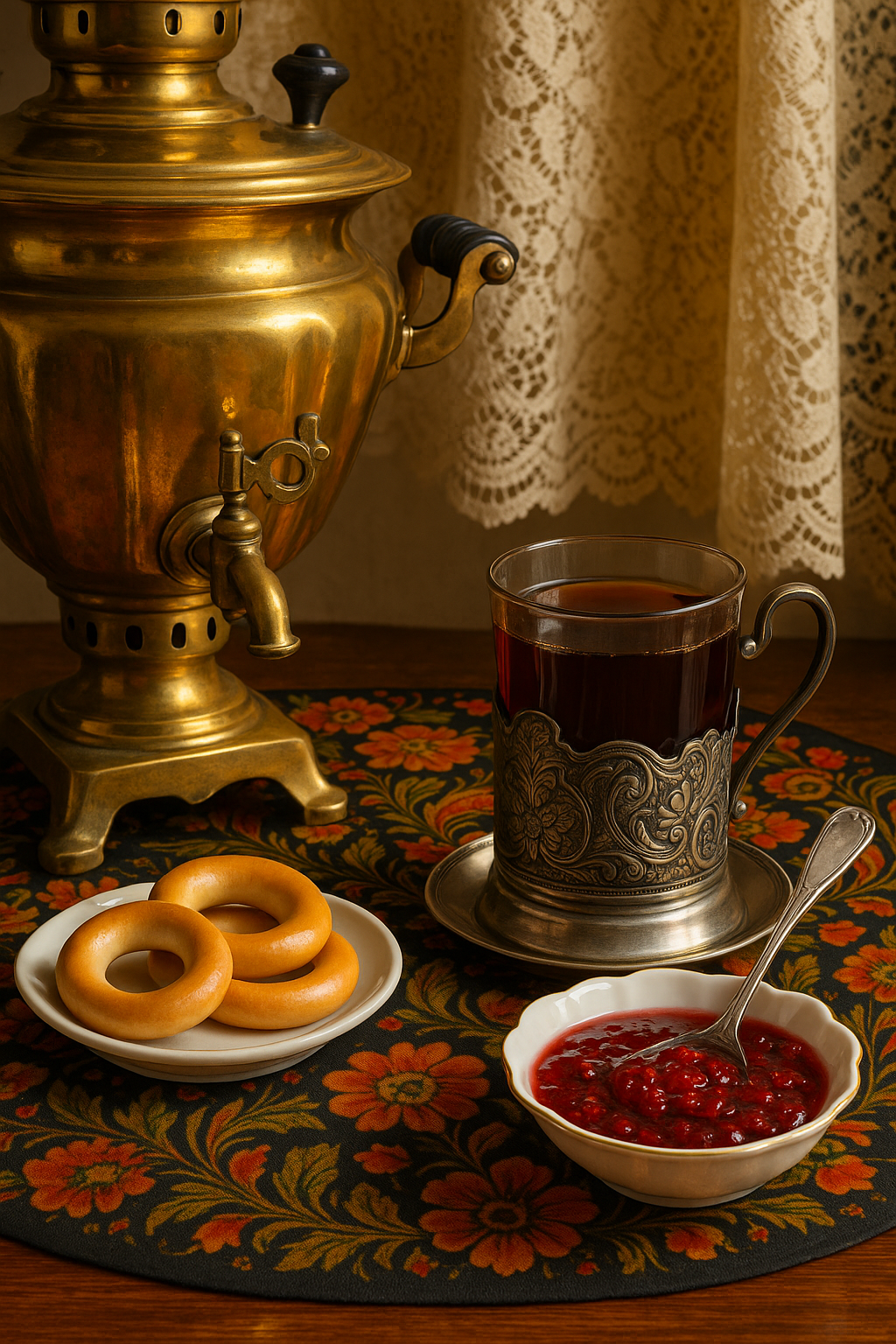
Tea in Russia is not just a drink—it is an entire ritual of hospitality, warmth, and culture that has been cherished for centuries. While many countries boast their own tea traditions, from Japanese matcha ceremonies to British afternoon tea, the Russian tea ceremony stands apart for its sense of abundance, its emphasis on togetherness, and its iconic centerpiece: the samovar. Hosting a Russian tea ceremony at home allows you to create a cultural experience that is at once elegant, cozy, and deeply meaningful. It’s not only about the taste of tea, but about opening a window into Russian life, language, and traditions.
This article will guide you through the history, symbolism, and essential elements of the Russian tea ceremony. You’ll learn what makes it unique, what to serve, how to set the scene, and how to adapt the tradition for modern gatherings. Whether you’re a student of Russian language and culture, someone with Russian heritage looking to reconnect, or simply a tea enthusiast eager for new rituals, hosting a Russian tea ceremony at home can be an unforgettable experience.
The Cultural Significance of Russian Tea
In Russia, tea is more than a beverage—it is a way of life. The Russian word for tea, чай (chai), appears constantly in everyday expressions: "пить чай" (to drink tea) often means far more than sipping a cup; it implies conversation, comfort, and time shared together. Unlike the rushed coffee-to-go culture common in the West, tea in Russia is slow, deliberate, and generous.
Historically, the tradition developed in the 17th century, when caravans brought tea into Russia from China. The long, cold winters made hot drinks not only practical but essential, and tea soon became a staple. Unlike in England, where tea is often paired with refined pastries, Russian tea is traditionally accompanied by an abundance of food: pies, preserves, cookies, dried fruits, and even savory snacks. The tea table becomes a feast, and the act of pouring and sharing tea becomes a ceremony of hospitality.
The samovar, a large urn used to boil and dispense hot water, is the centerpiece of this ritual. Its warm presence on the table represents not only physical heat but also the warmth of home and friendship.
Essential Elements of a Russian Tea Ceremony
If you’re planning to host your own Russian tea ceremony at home, there are a few essential items and practices to know.
1. The Samovar
Traditionally, no Russian tea ceremony is complete without a samovar. While modern electric samovars exist, many households still keep the classic brass or silver versions as heirlooms. The samovar heats water, which is then used to dilute a strong tea concentrate called заварка (zavarka).
If you don’t have a samovar, don’t worry—a large teapot or kettle will do. But if you want the full experience, investing in or borrowing a samovar can make the ritual more authentic.
2. Zavarka (Tea Concentrate)
Unlike in Western traditions where tea is brewed to a drinkable strength, Russians prepare a small pot of highly concentrated tea. Guests then dilute it with hot water from the samovar to their desired strength. This allows everyone to customize their tea—some prefer it strong and dark, others lighter and milder.
3. The Food
Tea in Russia is never drunk alone—it is always accompanied by food. Typical accompaniments include:
Сушки (sushki): small crunchy bread rings, often hung on the samovar itself.
Варенье (varenye): homemade fruit preserves, eaten by the spoonful or stirred directly into the tea.
Пироги (pirogi): savory or sweet pies.
Пряники (pryaniki): spice cookies, often glazed.
Blini (thin pancakes) with jam, honey, or sour cream.
Dried fruits, nuts, and candies.
The variety is key—hospitality is measured by abundance.
4. The Setting
The tea table should feel inviting. A bright tablecloth, porcelain teacups, small plates for snacks, and warm lighting all contribute to the mood. Traditionally, tea was served in glasses held in ornate metal holders called подстаканники(podstakanniki), which keep the glass cool enough to hold.
Step-by-Step Guide to Hosting Your Own Ceremony
Here’s how to recreate the Russian tea experience at home:
Step 1: Prepare the Tea Concentrate
Brew a strong pot of black tea (traditionally, Russians favor varieties like Georgian tea or Indian Assam). Use about three to four teaspoons of loose-leaf tea per small pot of water, letting it steep until it is almost too strong to drink.
Step 2: Heat the Water
Keep a separate pot or kettle of hot water ready—if you have a samovar, this is where it shines. Guests will pour a little concentrate into their cups and dilute it with hot water.
Step 3: Arrange the Table
Set out your best dishes: teacups or glasses, plates for snacks, and a tray of sweets and savories. Arrange foods in abundance—several small bowls and plates filled with variety look more festive than one large platter.
Step 4: Serve with Ritual
Offer tea to your guests, letting them choose how strong to make it. Provide sugar, honey, or jam for sweetening. A particularly Russian touch is to place a spoonful of jam in the mouth and sip the hot tea over it, creating a burst of flavor.
Step 5: Encourage Conversation
The true essence of the Russian tea ceremony lies not in the tea itself but in the time spent together. Conversations can range from lighthearted to philosophical, and guests are encouraged to linger.
Modern Twists on the Tradition
If you don’t have all the traditional items, don’t let that stop you. Hosting a Russian tea ceremony is as much about spirit as it is about strict adherence to tradition. Some ways to modernize:
Use herbal teas or green teas for variety.
Create a fusion tea ceremony with both Russian snacks and your own local favorites.
Play Russian folk music or classical pieces to set the mood.
Incorporate Russian language phrases into the gathering—practice saying “Давайте пить чай!” (Let’s drink tea!) together.
Learning Russian Through Tea Culture
Hosting a Russian tea ceremony is also a fantastic way to deepen your understanding of the Russian language. Each item on the table has a name to practice, and the ceremony itself provides opportunities to use real conversational phrases.
Some useful vocabulary:
Чай (chai) – tea
Самовар (samovar) – samovar
Заварка (zavarka) – tea concentrate
Варенье (varenye) – jam/preserves
Пряники (pryaniki) – spice cookies
Давайте пить чай! (Davaite pit’ chai!) – Let’s drink tea!
FAQs
Q: Do I need a samovar to host a Russian tea ceremony?
A: No, while a samovar is traditional and creates atmosphere, you can easily replicate the experience with a kettle and teapot.
Q: What kind of tea is best?
A: Strong black teas are the most traditional, such as Assam or Darjeeling. In Russia, locally grown teas from Georgia were popular for centuries.
Q: How sweet should Russian tea be?
A: That depends on the guest. Some drink it plain, while others add sugar, honey, or jam. Offering options is key.
Q: What’s the role of conversation?
A: Conversation is central to the ceremony. The goal is not just to drink tea but to create an atmosphere of warmth and connection.
Q: Can I make it vegetarian or vegan?
A: Absolutely—most traditional accompaniments like jam, dried fruit, and sushki are naturally vegetarian. You can adapt recipes for pirogi or blini as needed.
Q: How long should the ceremony last?
A: There’s no set time. Russian tea gatherings often last for hours, with guests sipping tea and eating in a leisurely fashion.
Conclusion: Bringing Russian Warmth Into Your Home
Hosting a Russian tea ceremony at home is a way to bring a centuries-old tradition into your modern life. It combines elegance and coziness, food and friendship, ritual and spontaneity. Whether you go all-in with a samovar and an array of pies, or keep it simple with strong tea and a few sweets, what matters most is creating a space where conversation and connection thrive.
At Polyglottist Language Academy, we believe that learning a language is never just about grammar and vocabulary—it’s about culture, traditions, and experiences like the tea ceremony that bring the language to life. If you’d like to go deeper into Russian language and culture, we invite you to join our Russian classes, where you’ll not only master the language but also gain insights into the customs and ways of thinking that make Russian culture so rich.
Ready to explore Russian beyond the tea table? Sign up for our classes today and start your journey.
Explore More Articles on Our Blog:
If you enjoyed this guide, you might also like:
How Russians Navigate Public Space—And Why Americans Struggle With It
What It’s Like To Be The Only Foreigner In A Russian Dacha Community
The Cultural Importance Of Grandmothers (Babushki) In Russian Society
Russian Weddings, Toasts, And Table Traditions You Didn't Know Existed
What Watching Soviet Cartoons Teaches You About The Russian Mindset