
How to Order at a Russian Bakery: Pirozhki, Blini, and More
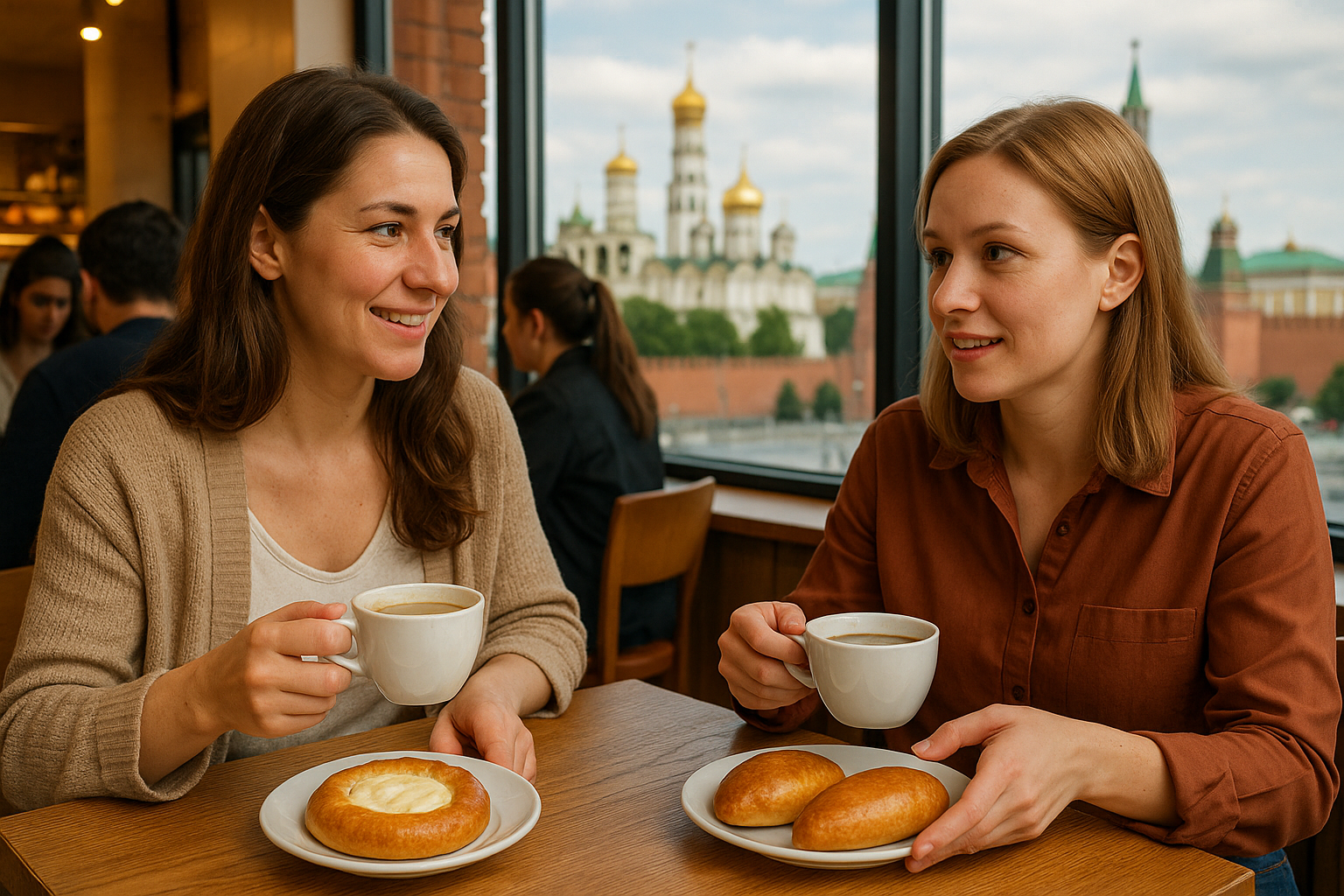
In Russia, bakeries are more than just places to pick up bread—they are cultural institutions that embody warmth, comfort, and centuries of culinary tradition. Step into a Russian bakery on a frosty morning, and the first thing that greets you is the rich aroma of freshly baked pirozhki, their golden crusts still steaming from the oven. On the counter, you’ll spot stacks of blini ready to be filled with sweet jam or savory meat, sweet pastries dusted with powdered sugar, and rustic loaves of rye bread that are as hearty as they are symbolic of Russian hospitality. This is not fast food—it’s a daily ritual, a meeting place, and a window into the Russian way of life.
For a traveler or language learner, however, this scene can feel overwhelming. Russian bakeries are busy, often bustling with customers who know exactly what they want. The menus may be scrawled in Cyrillic, and the names of baked goods may be unfamiliar. Do you know the difference between a pirozhok and a pirog? Should you ask for bliny or blinchiki? And what’s the polite way to order without sounding like a complete outsider?
The good news is that with a little preparation, ordering at a Russian bakery can be one of the most rewarding cultural experiences you’ll have in the country. You’ll not only taste authentic local food but also practice useful phrases, experience the rhythm of everyday Russian life, and maybe even strike up a friendly conversation with a fellow customer. In this guide, we’ll take you step by step through the world of Russian bakeries—from the must-try items like pirozhki and blini, to the etiquette of ordering, to the language tips that will make you sound confident and respectful.
The Heart of Russian Baking
Bread as Symbol
Bread holds a sacred place in Russian culture. The phrase khleb da sol’ (“bread and salt”) symbolizes hospitality, and offering bread is considered a gesture of friendship and generosity. Bakeries carry this spirit, serving as places where everyday Russians gather to buy not just food, but tradition itself.
Staples You’ll Always Find
Russian bakeries usually stock:
Black rye bread (cherny khleb) – Dense, earthy, and integral to Russian meals.
White bread loaves (baton) – Softer, often used for sandwiches.
Sweet pastries (vypechka) – From fruit-filled buns to sweet rolls.
Savory pastries – Meat, potato, cabbage, or mushroom pirozhki.
What to Order: Russian Bakery Classics
1. Pirozhki (Пирожки)
Small hand-held pastries filled with meat, potato, egg, mushrooms, or cabbage. They can be fried or baked, and every region has its variation. Perfect for a quick snack.
2. Pirog (Пирог)
A larger pie, often cut into slices, with savory or sweet fillings. Think of it as the “big cousin” of the pirozhok.
3. Blini (Блины)
Thin Russian pancakes, somewhat like French crêpes, served with sour cream, jam, honey, or savory fillings like caviar and salmon.
4. Syrniki (Сырники)
Small, fluffy pancakes made with cottage cheese, lightly fried, and often topped with sour cream or berries.
5. Vatrushka (Ватрушка)
A sweet round pastry filled with farmer’s cheese, sometimes with raisins.
6. Medovik (Медовик)
A layered honey cake that is a staple of Russian celebrations but often sold by the slice in bakeries.
7. Karavai (Каравай)
A round, elaborately decorated bread, traditionally served at weddings but also sold for festive occasions.
How to Order in Russian
Ordering in a bakery doesn’t have to be intimidating if you know a few essential phrases.
Здравствуйте (Zdravstvuyte) – Hello (formal).
Можно, пожалуйста… (Mozhno, pozhaluysta…) – “Can I have, please…” (the most common way to start an order).
Я возьму… (Ya voz’mu…) – “I’ll take…”
Один пирожок с капустой (Odin pirozhok s kapustoy) – One cabbage pirozhok.
Два блина с вареньем (Dva blina s varen’yem) – Two blini with jam.
Сколько стоит? (Skol’ko stoit?) – How much does it cost?
Спасибо (Spasibo) – Thank you.
Tip: Russians usually specify the filling when ordering pirozhki, since there are many varieties.
Etiquette at a Russian Bakery
Queueing – Russians take lines seriously. Wait your turn and don’t cut.
Be Quick – Bakeries are fast-paced; know what you want before reaching the counter.
Cash Preferred – Smaller bakeries may prefer cash, though cards are now more widely accepted.
Politeness Counts – Always add pozhaluysta (“please”) and spasibo (“thank you”).
Regional Specialties
St. Petersburg: Famous for korzhik (buttery cookies) and refined pastries influenced by French cuisine.
Moscow: Rich pirogi with meat and mushroom fillings.
Siberia: Hearty meat pirozhki, often with venison or fish.
Caucasus region: Cheesy pastries like khachapuri reflect Georgian influence.
Language and Cultural Insight
Understanding bakery culture is an excellent way to deepen your Russian studies. For example:
The plural of pirozhok is pirozhki.
Diminutive forms (-ok, -ochka) often signal affection or small size, so ordering a pirozhok feels warm and personal.
Food words are deeply tied to family life, holidays, and memory in Russian.
Tips for Language Learners
Practice with role-play: Rehearse a bakery scenario in class or with a partner.
Write down fillings: Learn the words for potato (kartoshka), cabbage (kapusta), and mushroom (griby).
Use bakeries as real-life classrooms: Each visit is a chance to practice your Russian.
FAQs: Ordering at a Russian Bakery
1. Are Russian bakeries sit-down cafés or take-away places?
Most are take-away, but many larger ones also have seating.
2. What’s the difference between pirog and pirozhki?
A pirog is a large pie, while pirozhki are small individual pastries.
3. Can I get vegetarian options?
Yes! Potato, cabbage, and mushroom fillings are common vegetarian choices.
4. Do bakeries sell drinks too?
Yes, expect tea (chai), kompot (fruit drink), or coffee.
5. Are Russian bakeries expensive?
Not usually—pirozhki are affordable, making them a popular snack.
6. Can I order in English?
In big cities, sometimes. But learning a few Russian phrases will make your experience smoother.
7. Are there seasonal specialties?
Yes—Easter breads, New Year’s pastries, and Maslenitsa blini are tied to holidays.
8. How do Russians eat blini—by hand or with utensils?
Both! Street blini are handheld; café blini are eaten with fork and knife.
Conclusion and Call to Action
Ordering at a Russian bakery is more than just buying food—it’s an act of cultural participation. With each pirozhok you bite into, you connect with traditions passed down for generations. With every blin topped with sour cream or honey, you taste both history and hospitality. And with every phrase you practice in Russian, you gain confidence in navigating daily life like a local.
At Polyglottist Language Academy, we believe language learning should always be paired with cultural immersion. Our Russian courses don’t just teach grammar and vocabulary—they introduce you to the living culture of Russia, from bakeries to literature, from jokes to toasts.
Are you ready to confidently order your favorite Russian pastry, in Russian, like a local? Sign up today for our Russian classes—online or in-person—and take the first step toward mastering both the language and culture.
Explore More on Our Blog
How Russians Navigate Public Space—And Why Americans Struggle With It
The Cultural Importance Of Grandmothers (Babushki) In Russian Society
From Bliny To Kvass: What Russian Street Food Reveals About The Culture
Russian Easter Traditions: Food, Faith, And Festivities You’ll Want To Experience
Why Russians Love Dill: A Look At Their Favorite Herbs & Spices
Dachas, Forests, And Mushrooms: Russia’s Deep Bond With Nature
Why Russians Love The Banya: Language, Ritual, And Social Bonding