
How to Read Russian Road Signs Like a Local
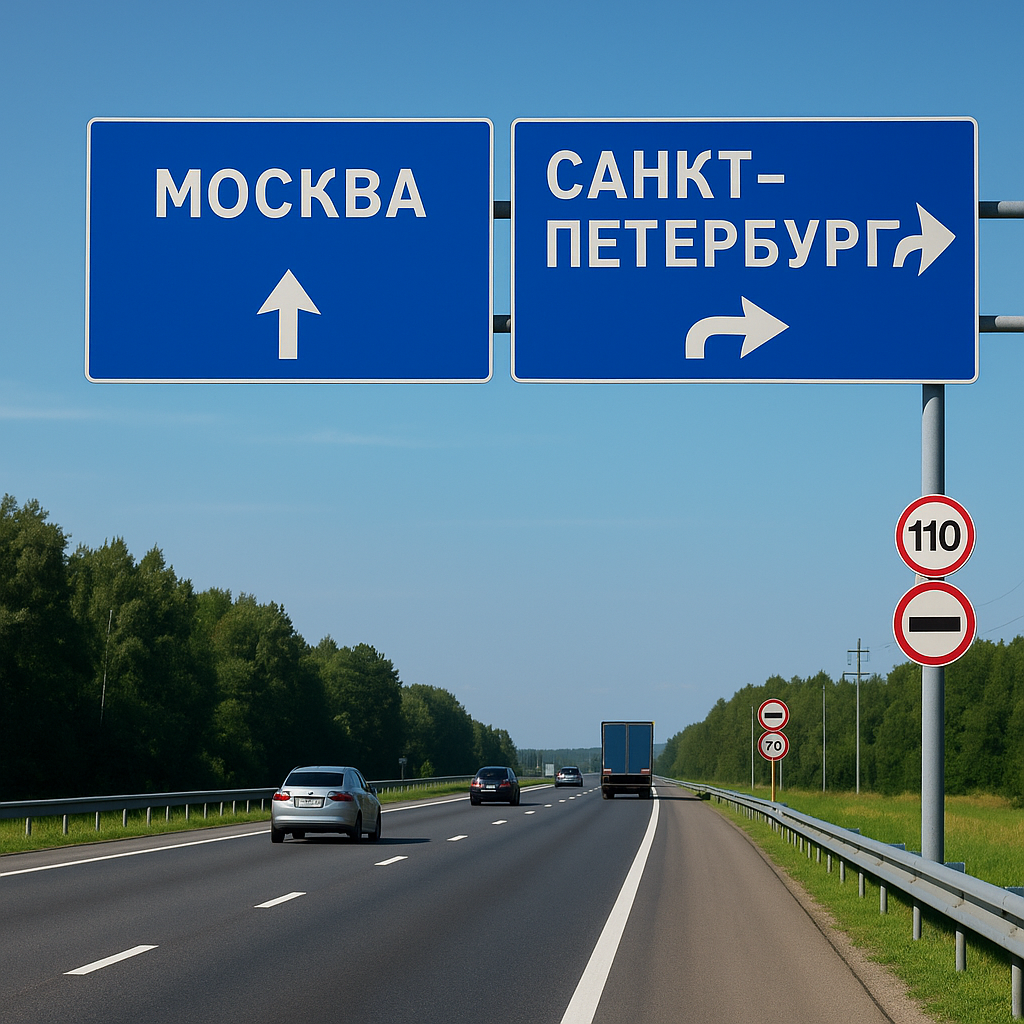
Traveling through Russia—whether by car, bus, or on foot—can be one of the most exhilarating experiences a language learner will ever have, but it can also be intimidating if the signs guiding your way look like indecipherable codes written in Cyrillic. For the unprepared visitor, even the simplest instruction, such as “detour ahead” or “no entry,” can spark confusion and stress. Yet, for those who take the time to learn how Russian road signs work, a whole new layer of cultural and practical understanding unfolds. Reading road signs in Russia isn’t just about getting safely from point A to point B—it’s about seeing how language, symbols, and culture combine to create a system that locals navigate almost instinctively.
Russian road signs are not random or chaotic. They follow international conventions set by the Vienna Convention on Road Signs and Signals, yet they also carry distinct features shaped by Russian geography, infrastructure, and culture. Once you know how to read them, you’ll notice how the Cyrillic alphabet, common abbreviations, and uniquely Russian warnings come together to form a code that feels foreign at first, but soon makes perfect sense.
In this article, we’ll explore the world of Russian road signs: how they are structured, what key terms and abbreviations you need to know, what cultural quirks you should be aware of, and how learning to read them can actually improve your Russian language skills. We’ll look at categories of signs, practice with real-life examples, and uncover how locals interpret them not just literally but with a cultural instinct honed by everyday experience. By the end, you’ll not only be able to recognize the difference between объезд (detour) and обгон запрещён (no overtaking), but you’ll also appreciate the subtleties of how language and culture shape the way Russians move through their world.
Why Reading Russian Road Signs Matters
For many travelers, road signs are the first extended encounter with Russian outside of a classroom. Unlike menus or museum labels, signs demand immediate comprehension—you often have only a second or two to interpret them while moving. This makes them a practical training ground for building your reading fluency in Cyrillic.
But there’s more:
Safety – Misreading a speed limit (ограничение скорости) or misunderstanding a warning like скользкая дорога(slippery road) could have serious consequences.
Cultural immersion – Road signs reveal how Russians conceptualize space, danger, and rules.
Confidence – Being able to decode Cyrillic abbreviations on the go boosts confidence and reduces travel anxiety.
Categories of Russian Road Signs
Russian road signs fall into standard categories familiar to most drivers worldwide, but the text accompanying them is often in Cyrillic, with abbreviations that might throw off a foreigner.
1. Warning Signs (Предупреждающие знаки)
These are triangular with red borders. Examples:
Дети – Children crossing
Дорожные работы – Roadworks
Железнодорожный переезд – Railroad crossing
2. Regulatory Signs (Предписывающие и запрещающие знаки)
Round, often blue or red. Examples:
Въезд запрещён – No entry
Ограничение скорости 60 – Speed limit 60 km/h
Обгон запрещён – No overtaking
3. Informational Signs (Информационные знаки)
Rectangular, usually blue or green. Examples:
Объезд – Detour
Заправка – Gas station
Стоянка – Parking
4. Direction and Place Name Signs
Often large, in blue or green, showing distances and directions. Place names are written in Cyrillic:
Москва 120 км – Moscow, 120 km
Санкт-Петербург → – Saint Petersburg →
Key Cyrillic Words and Abbreviations on Signs
Here are some terms you’ll see repeatedly:
Гостиница – Hotel
Аэропорт – Airport
Вокзал – Train station
Центр – Center (city center)
Заправка / АЗС – Gas station (АЗС = Автозаправочная станция)
Стоянка / P – Parking
Объезд – Detour
Движение запрещено – No traffic allowed
Abbreviations are especially important. For instance:
ГИБДД – The traffic police (Государственная инспекция безопасности дорожного движения)
Ш – Sh, often used for шипы (studded tires), required to be marked on cars in winter.
Cultural Context Behind the Signs
What makes Russian road signs unique isn’t just their language but the cultural context in which they appear.
Winter Warnings – Signs like Скользкая дорога (slippery road) are extremely common in Russia due to icy conditions. Locals instantly interpret them as “drive cautiously and expect black ice.”
Distances – Russia is vast, so directional signs often list distances in hundreds of kilometers. A sign reading Омск 643 км doesn’t feel strange to locals.
Soviet Legacy – Some older signs still use Soviet-era fonts and symbols, giving roads a unique historical flavor.
Practical Strategies for Reading Like a Local
Learn Core Vocabulary – Focus on 30–50 words that appear most frequently.
Practice Cyrillic Speed-Reading – Road signs require quick recognition, not slow decoding.
Pay Attention to Colors and Shapes – They often tell you the category before you read the text.
Compare With English Cognates – Words like аэропорт (airport) or такси (taxi) are easy to recognize.
Use Signs as Practice Tools – When traveling, treat every sign as a mini language exercise.
Examples of Road Signs in Action
Scenario 1: Driving Into a City
You see Центр with an arrow. That’s your cue that this lane takes you toward the city center.
Scenario 2: A Detour
A yellow rectangular sign reads Объезд. You need to follow it to avoid road construction.
Scenario 3: Parking
A blue sign with P and the word Стоянка. That’s your designated parking area.
Scenario 4: Unexpected Warnings
Triangular sign with Дети. That means you’re near a school zone, so slow down.
How Road Signs Improve Your Russian
Road signs train your brain to:
Recognize Cyrillic at high speed
Interpret abbreviations in context
Build associations between visual cues and vocabulary
This kind of practice mimics real-life situations where you need to understand quickly, such as reading subway announcements or scanning menus.
FAQs About Russian Road Signs
Q: Are Russian road signs completely different from European ones?
A: No, they largely follow the Vienna Convention, so symbols look familiar. The main challenge is the Cyrillic text.
Q: Do Russian road signs ever use English?
A: In big cities and near airports, you may see bilingual signs, but in most regions, they’re Cyrillic only.
Q: How do locals learn all the abbreviations?
A: Through driving school and daily exposure. With practice, you’ll get used to them too.
Q: Do pedestrians need to know road signs?
A: Absolutely. Signs like Пешеходный переход (pedestrian crossing) are essential for safety.
Q: What’s the hardest part for foreigners?
A: Speed. Recognizing Cyrillic quickly while driving takes practice.
Final Thoughts
Learning to read Russian road signs isn’t just about navigation—it’s about stepping into the everyday rhythm of Russian life. Each sign carries practical information, but also cultural meaning, reminding you that language and environment are inseparable. Once you can decode объезд, центр, or въезд запрещён at a glance, you’ll feel a new sense of belonging on Russian roads.
At Polyglottist Language Academy, we believe language learning goes beyond textbooks. That’s why in our Russian classes, we explore real-life language—from literature and films to road signs and everyday interactions. If you want to travel in Russia with confidence, join our classes and learn how to think, read, and speak like a local. Sign up today and bring your Russian to life.
Keep Reading
Check out more of our articles on Russian language and culture: