
Preparing for Life in the Netherlands? Dutch Language Courses in San Jose Explained
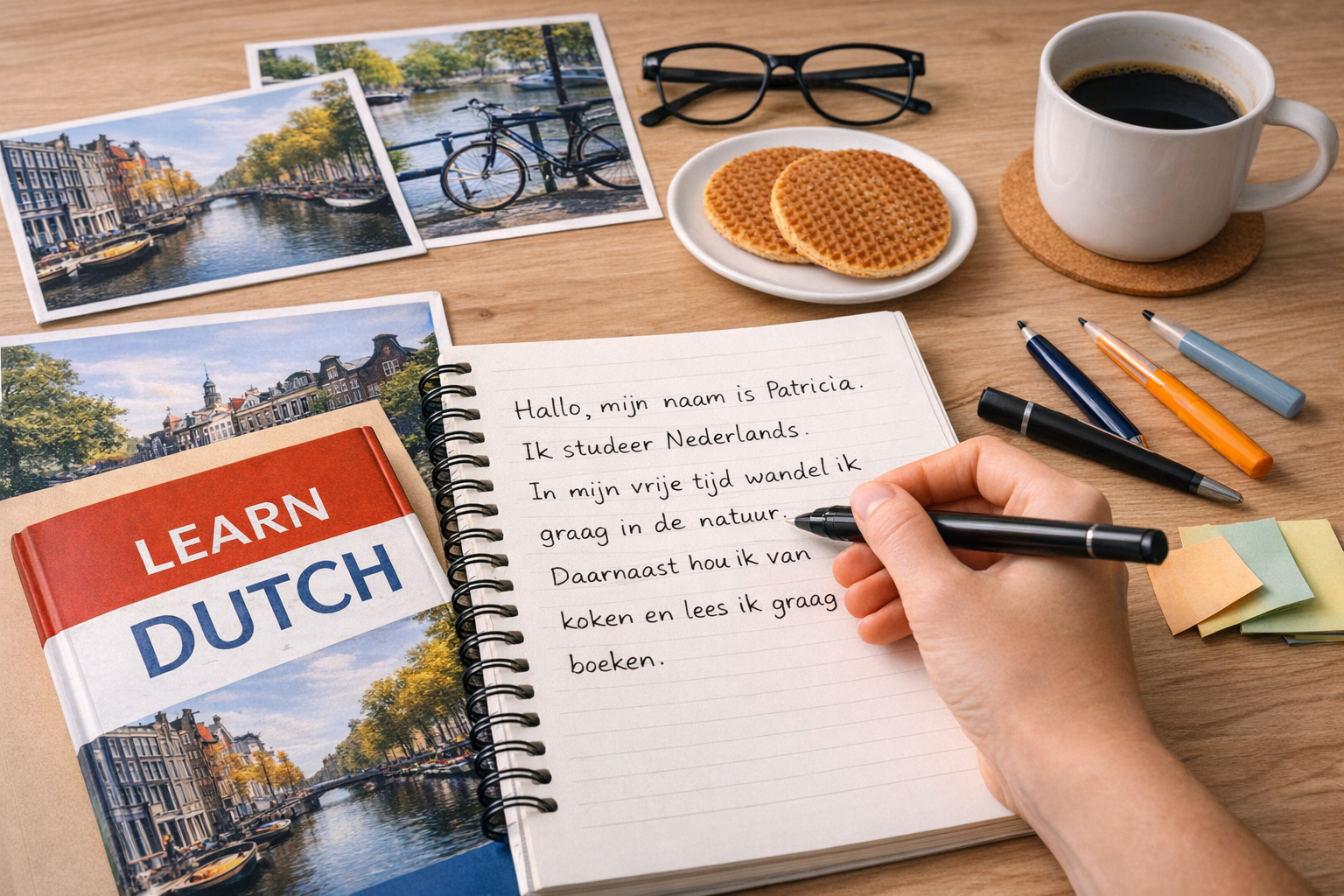
Relocating to another country often begins as an exciting professional opportunity or personal adventure, but somewhere between signing contracts, researching neighborhoods, and planning international logistics, most future expats discover a deeper realization: moving abroad is not only about geography—it is about learning how an entire society communicates, organizes daily life, and expresses its values through language, and nowhere is this more apparent than in the Netherlands, where English may open doors initially but Dutch ultimately determines how comfortably and confidently you live.
Every year, professionals, students, entrepreneurs, and families from San Jose and across Silicon Valley move to Dutch cities such as Amsterdam, Utrecht, Rotterdam, and Eindhoven. Some relocate for technology jobs, others for graduate programs, international partnerships, or lifestyle changes. Nearly all arrive with the same assumption:
“Everyone speaks English, so learning Dutch can wait.”
And nearly all discover within weeks that this assumption only tells half the story.
Yes, English works in many professional environments—but daily life happens in Dutch. Government letters arrive in Dutch. Apartment associations communicate in Dutch. School meetings, neighborhood interactions, healthcare forms, and social conversations naturally shift into Dutch. The difference between functioning as a visitor and feeling at home often comes down to language preparation.
This is why Dutch language courses in San Jose have become increasingly popular—not as academic hobbies, but as practical preparation for real life abroad.
This guide explains how Dutch courses work, what learners should expect, and how practical language training can transform relocation into a smoother, more confident transition.
Why Learn Dutch Before Moving?
Many future expats delay language learning until arrival. While understandable, this decision often creates unnecessary stress.
Language Shapes First Impressions
In Dutch culture, effort matters. Even basic attempts at Dutch communicate respect and initiative.
Simple phrases such as:
Goedemorgen (Good morning)
Dank je wel (Thank you)
Ik spreek een beetje Nederlands (I speak a little Dutch)
immediately change interactions. People become more patient, warmer, and more engaged.
Administrative Reality in the Netherlands
The Netherlands is organized, efficient, and documentation-heavy.
New arrivals must quickly navigate:
municipal registration (gemeente)
housing contracts
insurance systems
banking procedures
transportation subscriptions
Many of these processes involve Dutch-language communication.
Understanding key vocabulary reduces confusion and anxiety.
Social Integration Happens Through Language
While Dutch people speak excellent English, social circles often shift naturally into Dutch among locals.
Learning Dutch helps you:
follow conversations
participate socially
understand humor
build friendships beyond expatriate communities
Language becomes a bridge rather than a barrier.
Why Dutch Is Ideal for English Speakers
Many learners are surprised by how approachable Dutch feels.
Dutch and English share Germanic roots, leading to recognizable vocabulary:
DutchEnglishwaterwaterhuishousemelkmilkboekbook
Sentence structures often feel familiar, allowing beginners to communicate sooner than expected.
What Dutch Courses in San Jose Actually Teach
Modern Dutch programs focus on real-life communication rather than academic theory.
1. Survival Communication
Early lessons prioritize practical situations:
introductions
ordering food
asking directions
scheduling appointments
basic workplace interaction
Students quickly gain functional skills.
2. Listening Skills for Real Dutch Speech
Dutch spoken at natural speed can feel fast.
Courses train learners to recognize patterns rather than individual words, improving comprehension gradually.
3. Pronunciation Training
Dutch sounds such as g, ch, and vowel combinations initially challenge learners.
Guided practice builds confidence early, preventing long-term frustration.
4. Cultural Communication Skills
Language learning also introduces Dutch cultural norms:
direct communication
punctuality
structured planning
equality in conversation
Understanding these expectations prevents misunderstandings.
Who Takes Dutch Courses in San Jose?
Students typically fall into several categories:
Tech Professionals Relocating to the Netherlands
Employees transferring to European offices often prepare months in advance.
Graduate Students
Universities like TU Delft, Leiden University, and University of Amsterdam attract international students who want smoother integration.
Partners and Families
Spouses relocating alongside professionals often benefit greatly from early language preparation.
Remote Workers Moving Abroad
Digital professionals choosing Dutch cities for lifestyle reasons increasingly invest in language training before departure.
Online vs. In-Person Dutch Courses
In-Person Courses
Benefits include:
structured environment
social accountability
immersive interaction
Challenges include commuting and fixed schedules.
Online Courses
Advantages:
flexibility
consistent attendance
access to specialized instructors
easier integration into busy routines
Many professionals prefer online formats for efficiency.
A Realistic Learning Timeline
Consistency matters more than intensity.
Study DurationExpected Ability1 monthgreetings and basic phrases3 monthsdaily survival conversations6 monthssimple social interaction12 monthsindependent functioning
Small, regular study sessions produce lasting progress.
Common Misconceptions About Learning Dutch
“Everyone speaks English, so Dutch isn’t necessary.”
English helps initially—but Dutch determines long-term comfort.
“Dutch grammar is too hard.”
Dutch grammar is structured and predictable when taught practically.
“I don’t have time.”
Most successful learners study only a few hours weekly.
“I’m too old to learn a language.”
Adult learners often progress faster due to clear motivation.
Practical Study Strategies for Busy Professionals
Successful learners combine:
live lessons
short daily exposure
listening practice
conversational repetition
Example weekly plan:
Monday: vocabulary review
Wednesday: lesson
Friday: listening practice
Weekend: conversation exercises
Consistency creates momentum.
Cultural Preparation Through Language
Dutch language courses also prepare students culturally.
Learners discover:
why Dutch communication feels direct
how meetings operate
expectations around punctuality
social etiquette
This cultural understanding often matters as much as vocabulary.
Emotional Benefits of Preparing Early
Students frequently report:
reduced relocation anxiety
increased confidence
faster adaptation abroad
stronger sense of independence
Language preparation transforms uncertainty into readiness.
From Beginner to Integration
Dutch courses are not about perfection—they are about participation.
Once learners handle everyday interactions, opportunities expand naturally:
professional networking
friendships
community involvement
deeper cultural understanding
Language accelerates belonging.
FAQs: Dutch Language Courses in San Jose
How long before moving should I start learning Dutch?
Ideally 3–6 months before relocation.
Is Dutch difficult for English speakers?
No. It is one of the most accessible European languages for English speakers.
Do I need to be fluent before moving?
Not at all. Survival-level Dutch provides a strong foundation.
Can I learn Dutch entirely online?
Yes, especially with structured speaking practice.
How many hours per week are needed?
About 3–5 hours weekly is sufficient.
Will Dutch help professionally?
Yes, particularly for workplace integration and networking.
What level should I aim for before arrival?
A1–A2 survival level is ideal.
Do Dutch people appreciate foreigners learning their language?
Very much. Effort is widely respected.
Learn Dutch with Polyglottist Language Academy
If you are preparing for life in the Netherlands, Polyglottist Language Academy offers Dutch language courses specifically designed for expats, professionals, and families planning international relocation.
Our approach focuses on practical communication and real-world confidence rather than textbook memorization.
We offer:
Small-group Dutch classes
Private lessons tailored to relocation goals
Flexible online scheduling
Native-speaking instructors
Conversation-focused curriculum
Cultural preparation alongside language training
Our mission is simple: help students arrive abroad feeling prepared, confident, and capable from day one.
👉 Ready to prepare for your move to the Netherlands? Sign up for Dutch classes today and start building real-life communication skills.
Continue Reading: Explore More from Our Blog
If you found this guide helpful, you may also enjoy:
The Dutch Identity: A Culture Shaped By Land, Sea, And Trade
Do All Dutch People Speak English? The Truth Behind The Stereotype
A Brief History Of The Dutch Language (And Why It Matters Today)
How Similar Is Dutch To English? Surprising Linguistic Overlaps
The Fastest Way To Learn Dutch According To Language Teachers
Do You Really Need To Learn Dutch If You Live In The Netherlands?
How Long Does It Take To Learn Dutch – Realistic Timelines By Level
Is Dutch Hard To Learn? Honest Insights For English Speakers