
What Do Austrians Eat for Breakfast? A Simple and Elegant Morning Tradition
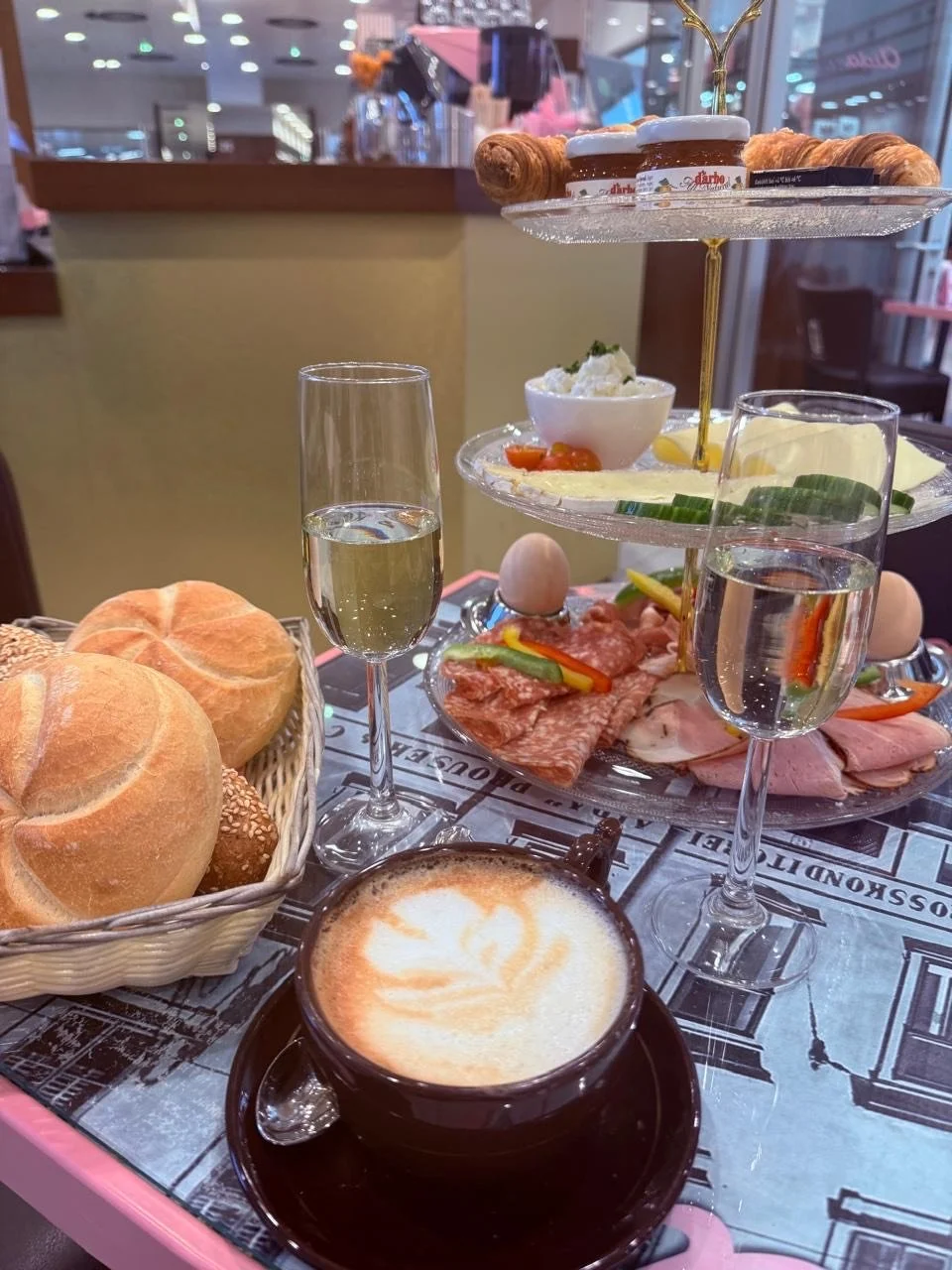
Bread or rolls, butter, jam, cheese, cold cuts and eggs are foods you can encounter at breakfast in Austria. The combination depends on the region and the place you are eating. A Viennese café breakfast, a hotel buffet and a breakfast at home need not look alike.
This guide focuses on café and hotel breakfast traditions, with Vienna as a starting point and regional examples from Tyrol and Vorarlberg. It will help you recognize the food, read a few German menu words and order something you would enjoy.
What Is a Typical Austrian Breakfast?
For a simple café breakfast, think of bread or rolls with butter and jam, then look at what the menu adds. Cheese, ham or other cold cuts and an egg can make up a larger selection. Check whether coffee or tea comes with the food or is ordered separately.
The Vienna Tourist Board’s breakfast guide describes classic Viennese breakfasts with rolls alongside egg dishes, porridge and pancakes. The Seefeld tourism board’s account of its Plateaufrühstück initiative names bread, butter, milk, eggs, jam, cheese and sausage specialties among its regional breakfast components. These are useful examples of what visitors may find, rather than a survey of what every Austrian eats each morning.
A roll, a little butter and a spoonful of jam can be enough for the start you have in mind. If you want something more substantial, read the egg dishes or larger breakfast combinations. The menu is a better guide than a fixed idea of an “authentic” plate.
Viennese Café Breakfast and Regional Traditions
Vienna’s coffeehouses are a good place to explore breakfast and coffee together. A Melange is one option: the Vienna Tourist Board describes it as slightly diluted espresso or mocha with warm milk and a layer of milk foam. You can choose a different coffee or tea according to your taste; a Melange is not a requirement for an Austrian breakfast.
Beyond Vienna, regional ingredients and dishes add other possibilities. In Seefeld, Tyrol, the Plateaufrühstück initiative emphasizes products from Tyrol and, where available, the surrounding region. That focus on provenance is part of the breakfast’s identity.
In Vorarlberg, Riebel has a history as a breakfast dish. It is made from cornmeal, which is cooked and then fried into small pieces. Vorarlberg Tourism describes accompaniments such as applesauce or regional cheese, and notes that it is also eaten at other meals. It is a regional example worth knowing, not something to expect on every Austrian breakfast menu.
How to Read an Austrian Breakfast Menu
Start with das Frühstück, meaning “breakfast.” A name such as Wiener Frühstück means “Viennese breakfast,” but read the ingredients underneath rather than assuming a fixed set of items. These words will help:
die Semmel; plural: Semmeln: a bread roll. Duden marks the word as especially Austrian and Bavarian.
das Brot: bread.
die Marmelade: jam in this breakfast-menu context.
der Käse: cheese. Der Schinken means ham.
das Ei; plural: Eier: an egg. Ein weich gekochtes Ei is a soft-boiled egg.
die Eierspeise: in Austrian usage, scrambled eggs. Duden also records the broader meaning “egg dish”.
die Melange: the Viennese coffee with warm milk and milk foam described above.
Pay attention to the description as well as the dish name. How many rolls are included? Is the egg part of the set? Is the hot drink included? If you have a food allergy or a dietary requirement, ask about ingredients before ordering.
A Simple Way to Order Breakfast in German
Here is a short practice exchange. The lines are examples you can adapt, not a transcript from a particular café.
You: Guten Morgen! Ich hätte gern eine Semmel mit Butter und Marmelade, bitte.
Good morning! I’d like a bread roll with butter and jam, please.
Server: Möchten Sie etwas trinken?
Would you like something to drink?
You: Eine Melange, bitte.
A Melange, please.
Server: Sonst noch etwas?
Anything else?
You: Nein, danke.
No, thank you.
Ich hätte gern … is a polite way to say “I’d like …,” a usage illustrated by Duden. For a shorter order, Eine Semmel, bitte also works.
Two questions are especially useful when choosing a breakfast set:
Was ist beim Frühstück dabei? What is included in the breakfast?
Ist der Kaffee im Preis inbegriffen? Is the coffee included in the price?
Try one small change: order a soft-boiled egg instead of the roll. You can say, Ich hätte gern ein weich gekochtes Ei, bitte. The article changes from eine for Semmel to ein for Ei.
An Austrian-Inspired Breakfast at Home
For an easy version at home, put out bread or rolls, butter and jam, then add cheese, ham or an egg if you want them. Make coffee or tea, and arrange the food so everyone can choose. This is a serving suggestion inspired by the café and regional examples above, rather than a single national recipe.
The pleasure can be as simple as choosing your favorite bread, trying a new jam and taking a moment over your drink. You can also turn it into a little German practice: name what is on the table and try your order aloud.
Learn German at Polyglottist Language Academy
Want to build on these everyday phrases? Polyglottist Language Academy offers German classes for adults in Berkeley and live online. Explore the German course page to compare levels, formats and current course details.
More Culture and Travel Reading from PLA
Continue with these articles from the PLA blog:
Visiting Vienna In Winter: Quiet Streets, Timeless Cafés, And Ice Skating Under The Sky
What It’s Like To Take The Saint Petersburg Metro For The First Time
Why Russian Bakeries Matter In St. Petersburg: Pekarni, Rum Baba, And Everyday Life
Walking In Saint Petersburg In December: A Winter City That Has Adapted
My First Morning In St. Petersburg: Snow, Silence, And The Smell Of Fresh Bread