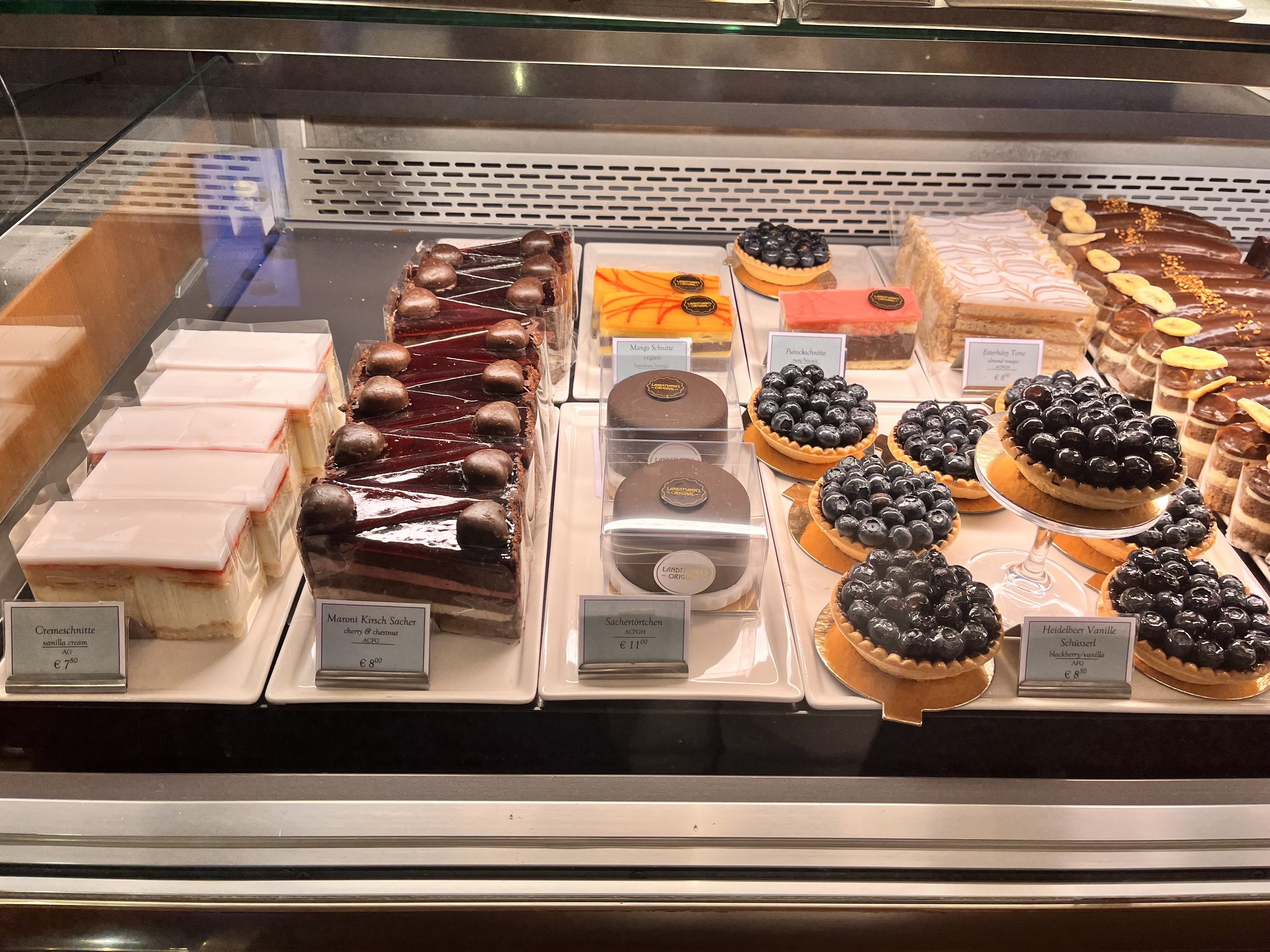
How I Visited a Traditional Café in Downtown Vienna: Classic Strudel, 19th-Century Décor, and Timeless Rituals
Stepping Into a Traditional Viennese Café in Winter
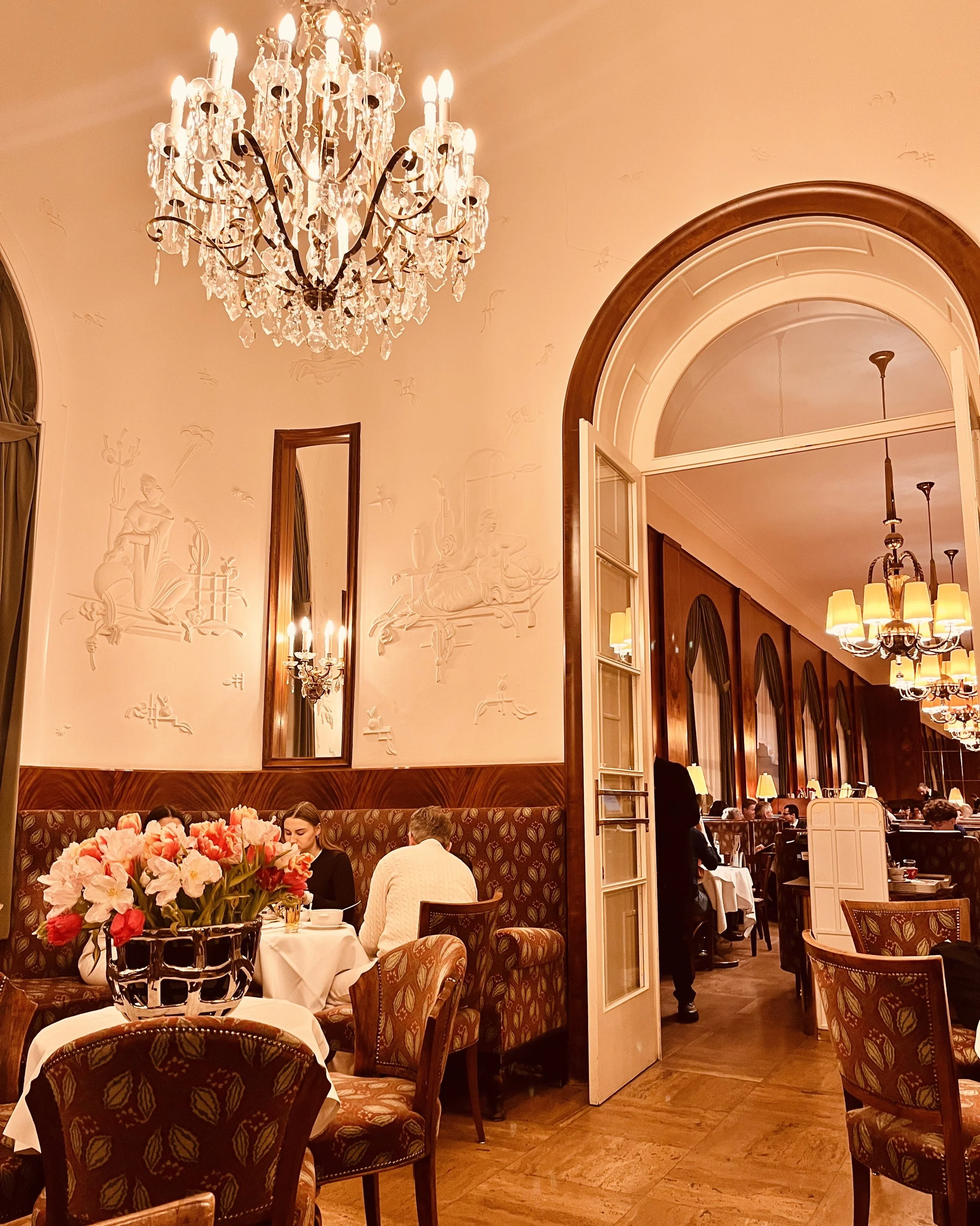
In the late afternoon—brief and fading quickly during a Viennese winter—I decided to step into a traditional café in downtown Vienna to try a proper strudel and warm up for a while. I had been walking for hours, and by then I was genuinely cold. The café felt less like a casual coffeehouse and more like a grand restaurant from the 19th century.
A formally dressed host greeted me and immediately asked me to leave my coat at the cloakroom. When I softly objected, suggesting I could place it on the back of my chair, he firmly refused and pointed to a sign stating that coats were not permitted inside. It confirmed what I already suspected: in a traditional Viennese café, tradition is not optional.
Atmosphere, Décor, and Quiet Ceremony
I was seated at a beautiful round table beneath sparkling chandeliers, surrounded by large vases overflowing with flowers. The café was busy, yet the atmosphere remained hushed, as if guests instinctively adjusted their voices to match the grandeur of the space. Conversations were soft, measured, almost respectful.
The waiters, dressed in formal black attire, moved through the room with quiet, ceremonial grace. Nothing felt hurried. Nothing felt improvised. Every gesture seemed rehearsed—not in a rigid way, but in a way that suggested continuity, as if this scene had been repeated thousands of times before.
Ordering Coffee and Classic Viennese Strudel
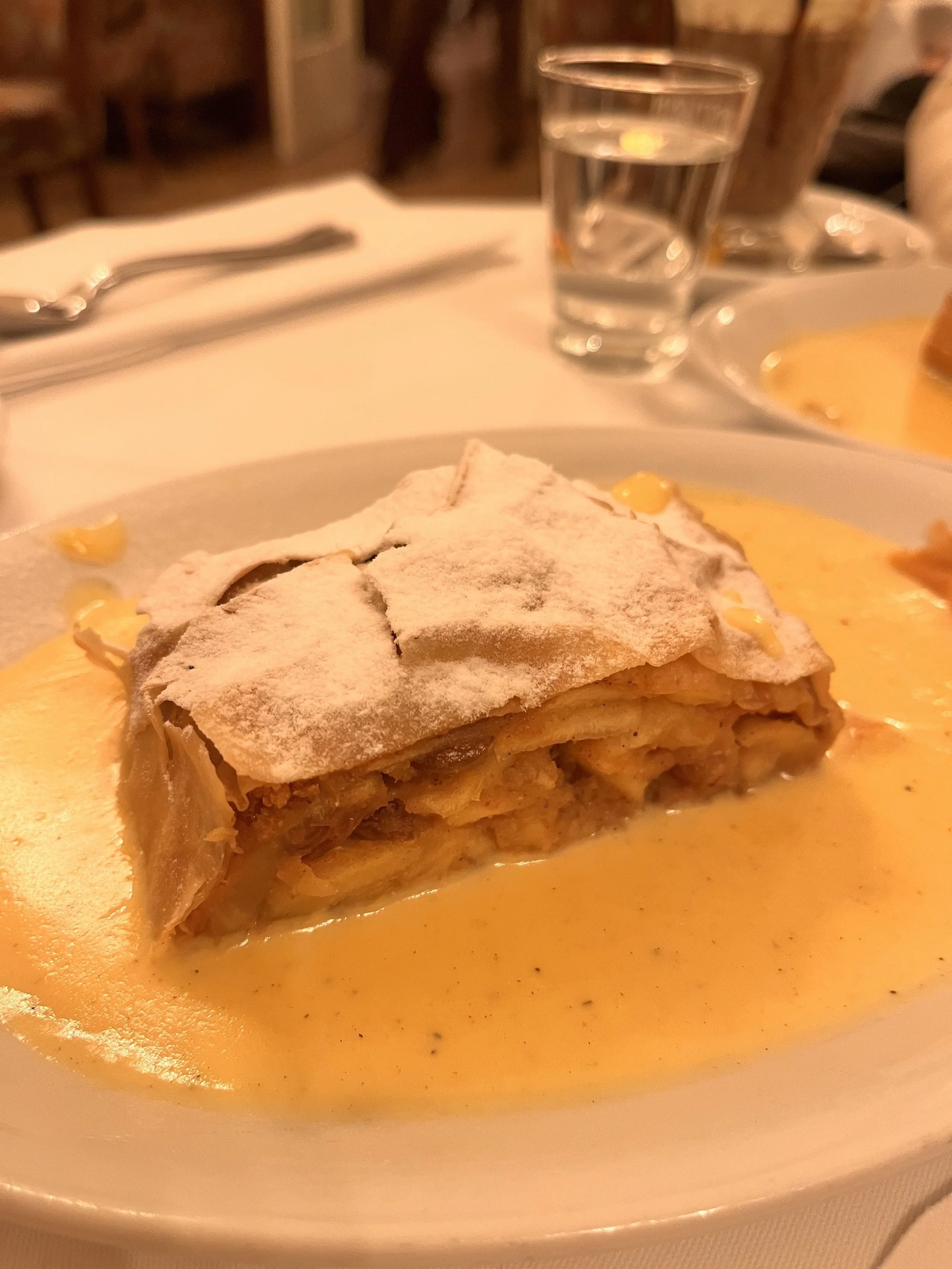
I ordered a coffee and a classic apple strudel, both of which arrived surprisingly quickly. I thought I knew what strudel was—but I was wrong. What appeared on my table was not merely a dessert, but a ritual.
The pastry consisted of delicate layers of paper-thin dough, crisp on the outside and tender within, folded with care around a warm filling of apples, raisins, and spices. Viennese strudel traces its roots back to the Austro-Hungarian Empire, shaped by Ottoman pastry traditions that prized impossibly thin dough. Over time, it became a symbol of Viennese café culture—less about indulgence and more about refinement, patience, and craftsmanship.
Eating strudel in this setting felt like participating in a tradition that had been perfected over centuries.
Coffee Served as a Ritual, Not a Beverage
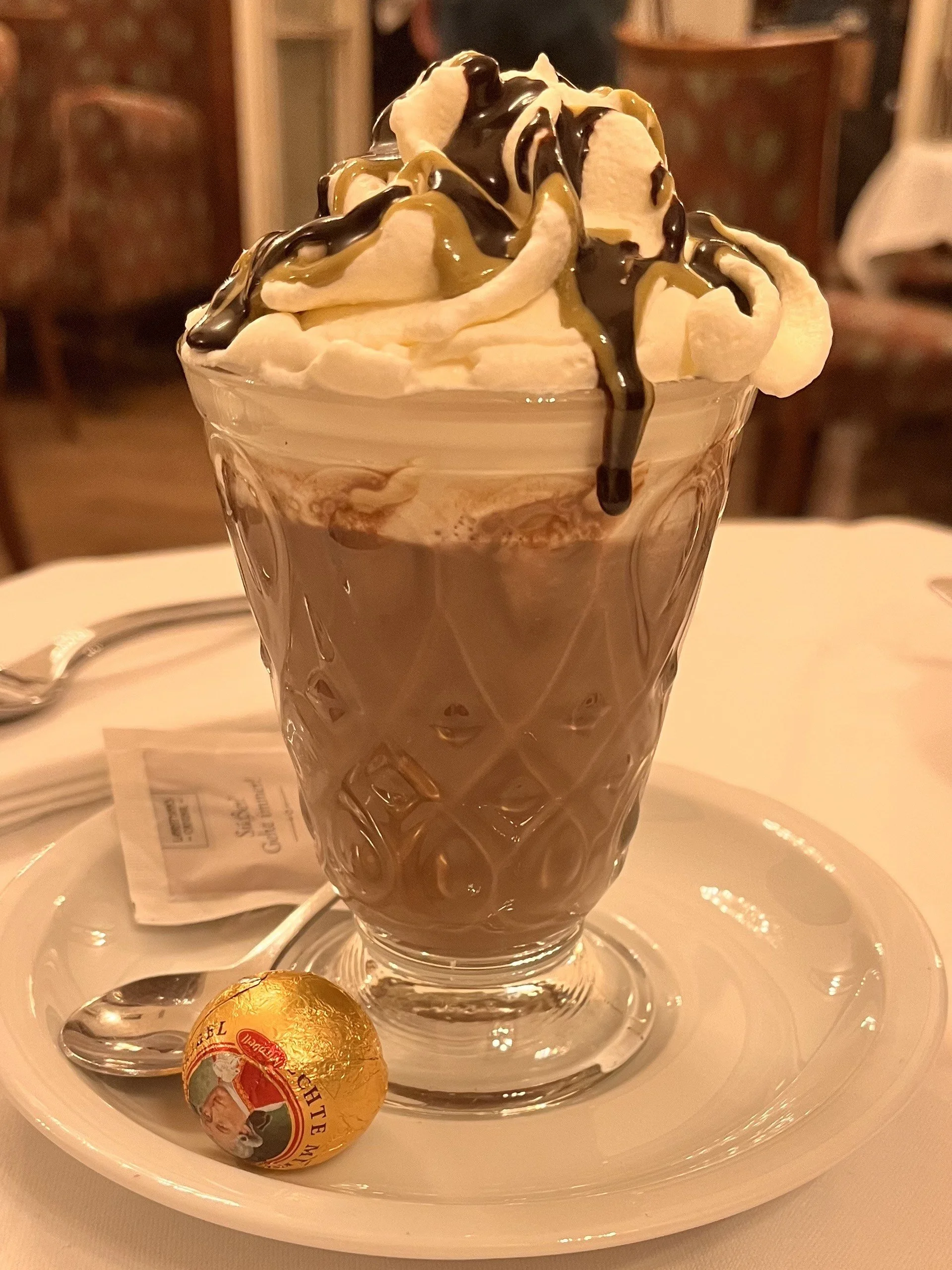
The coffee arrived on a small tray, accompanied by a traditional round Mozart chocolate made with marzipan. I’m one of those people who doesn’t really like chocolate—yes, we exist—but this one surprised me. Delicate and not overly sweet, it felt more like a refined confection than a dessert.
The coffee itself was served with quiet ceremony: a silver spoon placed just so, and a small glass of water beside the cup. Everything about the presentation suggested that drinking coffee here was not meant to be rushed. It was an invitation to pause, to sit, and to let time slow down, even if only for the length of a single cup.
Why This Café Was Not a Place to Work
I have always loved cafés, and like many of us, I’ve written college papers in them, read countless books, and even worked on my computer in cafés across cities all over the world. Yet here, I wouldn’t have dared to take out a book, let alone open a laptop.
It would have felt inappropriate, almost disrespectful, as if the space demanded a different kind of presence. Phones seemed acceptable—I noticed two young men sitting alone, quietly scrolling through theirs—but even that felt restrained, subdued. This was not a place for productivity or distraction, but for sitting, observing, and simply being.
What a Traditional Viennese Café Reveals About the City
That café felt like a condensed version of Vienna itself—formal, composed, and deeply uninterested in trends. Nothing was designed to impress, yet everything carried weight and intention. In a world that constantly urges speed, efficiency, and visibility, Vienna seems to insist on something else entirely: continuity, restraint, and respect for what has endured.
Sitting there, it became clear that this city does not ask to be reinvented—it asks only to be understood.
Learning German Through Culture, Not Just Grammar
Experiences like this are also a reminder of how deeply language and culture are intertwined. Understanding German in a place like Vienna isn’t only about vocabulary or grammar—it’s about grasping tone, formality, and the unspoken rules that shape everyday interactions. At Polyglottist Language Academy, we offer German classes designed for adults who want to move beyond textbook German and learn the language as it is actually lived. Our courses combine practical communication with cultural insight, helping students feel more confident navigating real-life situations—whether in a Viennese café, a museum, or a quiet conversation with a local.
👉 Ready to get started? Sign up for German classes here.
More Journeys with Greta Around the World
If you enjoyed this glimpse into Vienna, you can follow Greta as she continues traveling and observing life through language, culture, and everyday rituals in other cities around the world. In her other articles, Greta wanders through winter streets, cafés, and neighborhoods, reflecting on what makes each place feel distinct—and what connects them all beneath the surface.
You can read more of Greta’s travels here:
What It’s Like To Take The Saint Petersburg Metro For The First Time
Why Russian Bakeries Matter In St. Petersburg: Pekarni, Rum Baba, And Everyday Life
Where To Stay In Downtown St. Petersburg: A Real Apart Hotel Experience
Walking In Saint Petersburg In December: A Winter City That Has Adapted
My First Morning In St. Petersburg: Snow, Silence, And The Smell Of Fresh Bread