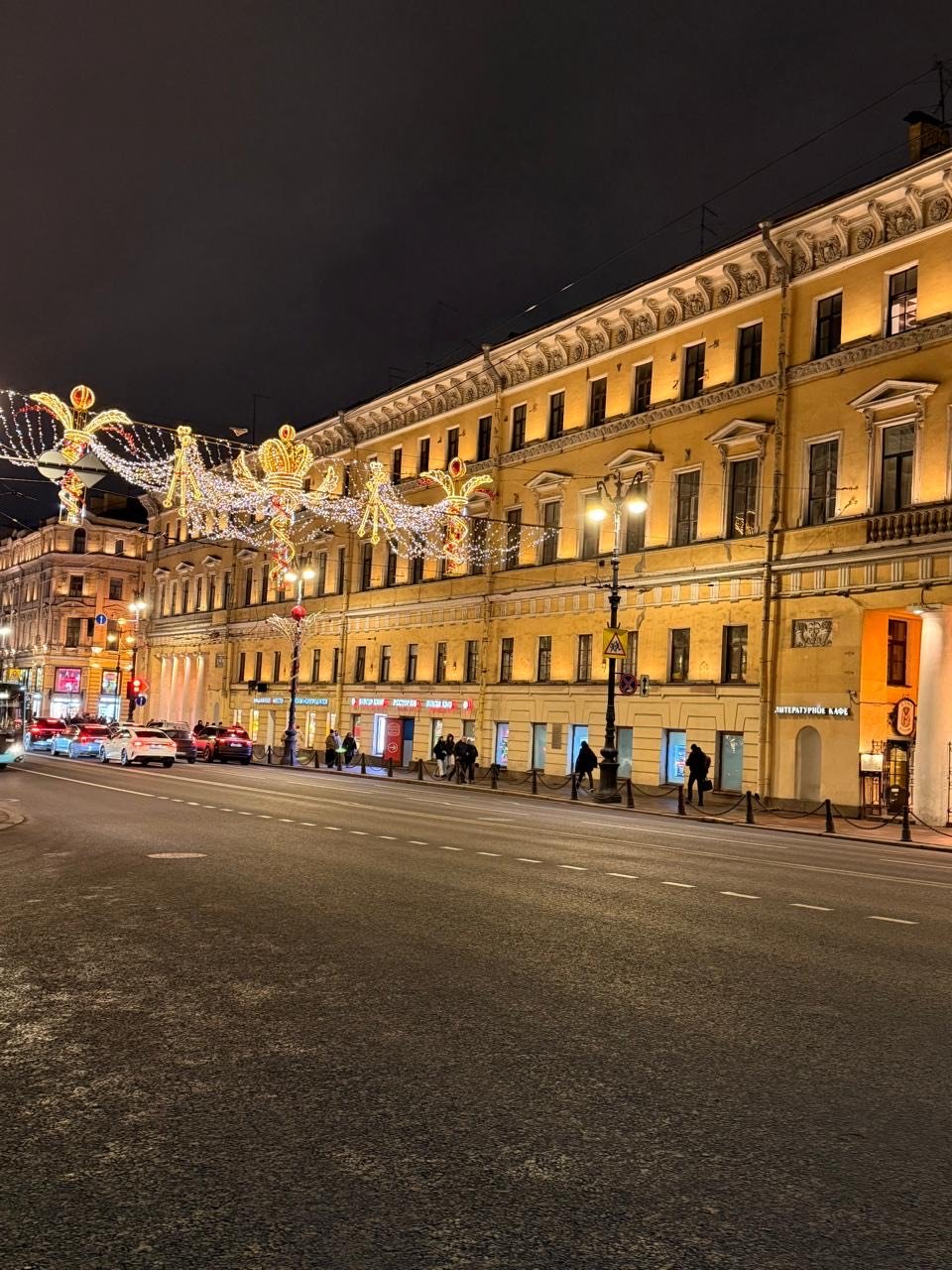
Where to Stay in Downtown St. Petersburg: A Real Apart Hotel Experience
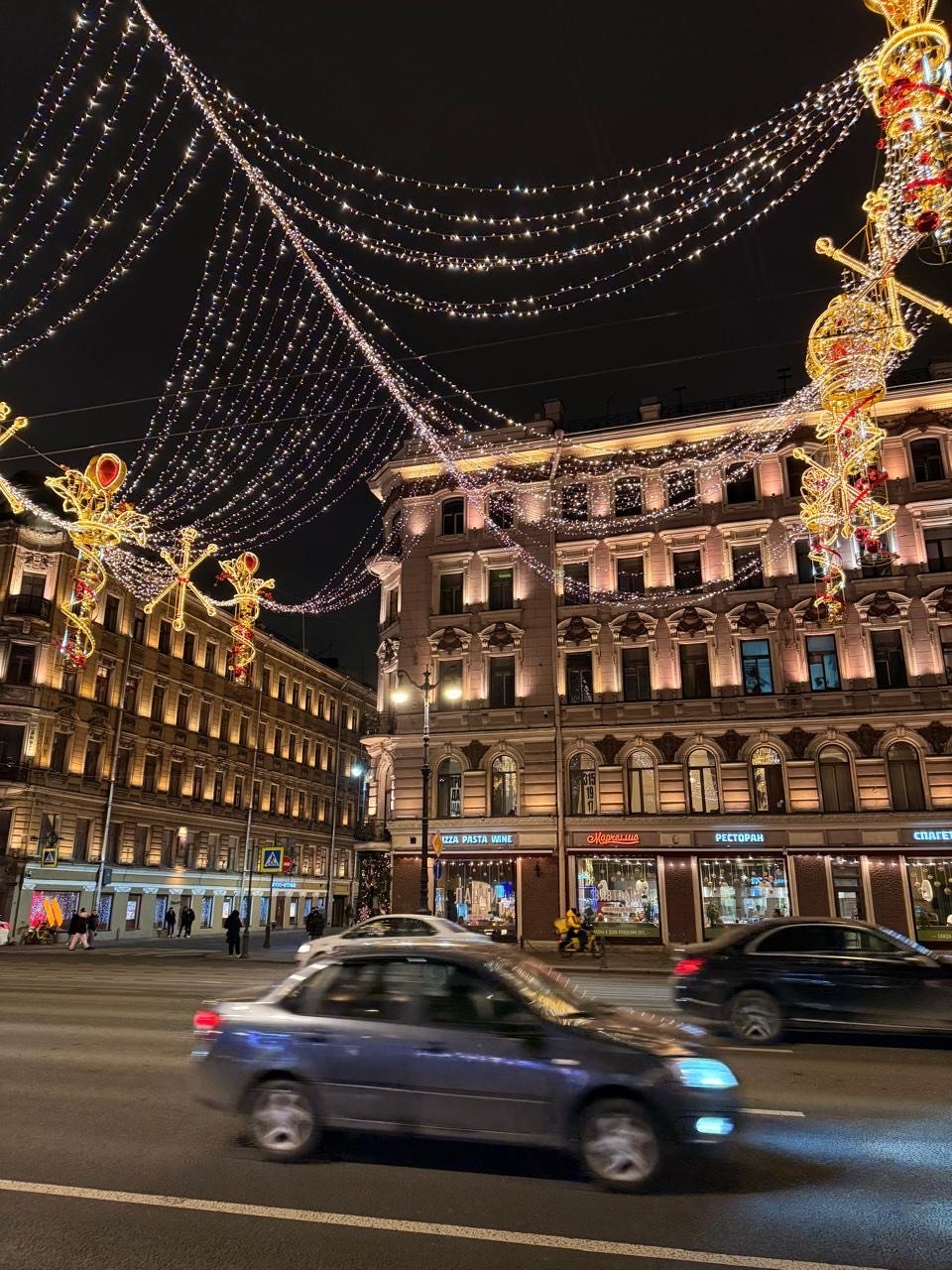
Why Apart Hotels Feel Like the Future of Travel
One day, apart hotels will completely replace traditional hotels, I thought as I stepped into my suite on 2nd Sovetskaya Street in downtown Saint Petersburg. Not because hotels are bad, but because apart hotels quietly offer something better: space, privacy, and the feeling of temporarily belonging to a city rather than merely passing through it.
My apartment was located on the fifth floor, with windows facing an inner courtyard—a detail that immediately felt very Saint Petersburg. These courtyards even have a special name: “kolodets”, literally meaning well. They are square, enclosed by four buildings, and receive very little natural light throughout the year. It’s a common feature in the historic center, and perhaps the only minor drawback of my apartment. Everything else, however, was unexpectedly impressive.
Living Comfortably in the Heart of the City
The apartment consisted of a combined living room and kitchen, equipped with everything one could possibly need—and quite a few things one probably wouldn’t. There was a full kitchen setup, including a dishwasher, which made it clear that these apartments are designed not just for short stays, but for real living.
In theory, you could settle into a routine here without any discomfort. In practice, though, I couldn’t imagine cooking much. With countless cafés and restaurants nearby, all reasonably priced and endlessly tempting, the city itself felt like an extension of the kitchen. Why cook when there is so much to explore, taste, and experience just outside the door?
Walking around the apartment, I caught myself thinking: I must come back in summer. The thought arrived unexpectedly, carrying with it a rush of emotions. There was so much I wanted to do in this city—so much to see, to try, to breathe in, to eat, to understand. The apartment didn’t feel like a temporary shelter; it felt like a base for discovery.
A Bedroom Designed for Rest and Long Nights
The bedroom deserves special praise. The bed was exceptionally soft, layered with four pillows and two more tucked neatly away in the hallway closet. It was the kind of bed that makes ambitious sightseeing plans quietly negotiable. I looked forward to long nights of sleep and even longer evenings watching YouTube without guilt.
The blackout curtains were so effective that every morning felt suspended outside of time. When I woke up, I had no idea whether it was early morning or already afternoon—an oddly comforting sensation in a city where daylight is fleeting in winter.
Tucked into a corner of the kitchen area, I found a small desk, perfectly positioned for writing. It wasn’t an afterthought, but a genuinely comfortable workspace, and I could easily imagine spending hours there, typing while the city moved quietly beyond the courtyard walls.
Unexpected Luxury at an Unassuming Price
The bathroom and toilet were separate rooms, both finished in glossy white and gray marble. Everything felt new, spotless, and quietly luxurious. For a moment, I genuinely wondered if there had been some mistake. I hadn’t expected this level of comfort—certainly not for $70 a night.
The contrast between price and quality was striking. This wasn’t budget accommodation pretending to be upscale; it was simply well done. Thoughtful, elegant, and efficient.
The Building and Its Many Lives
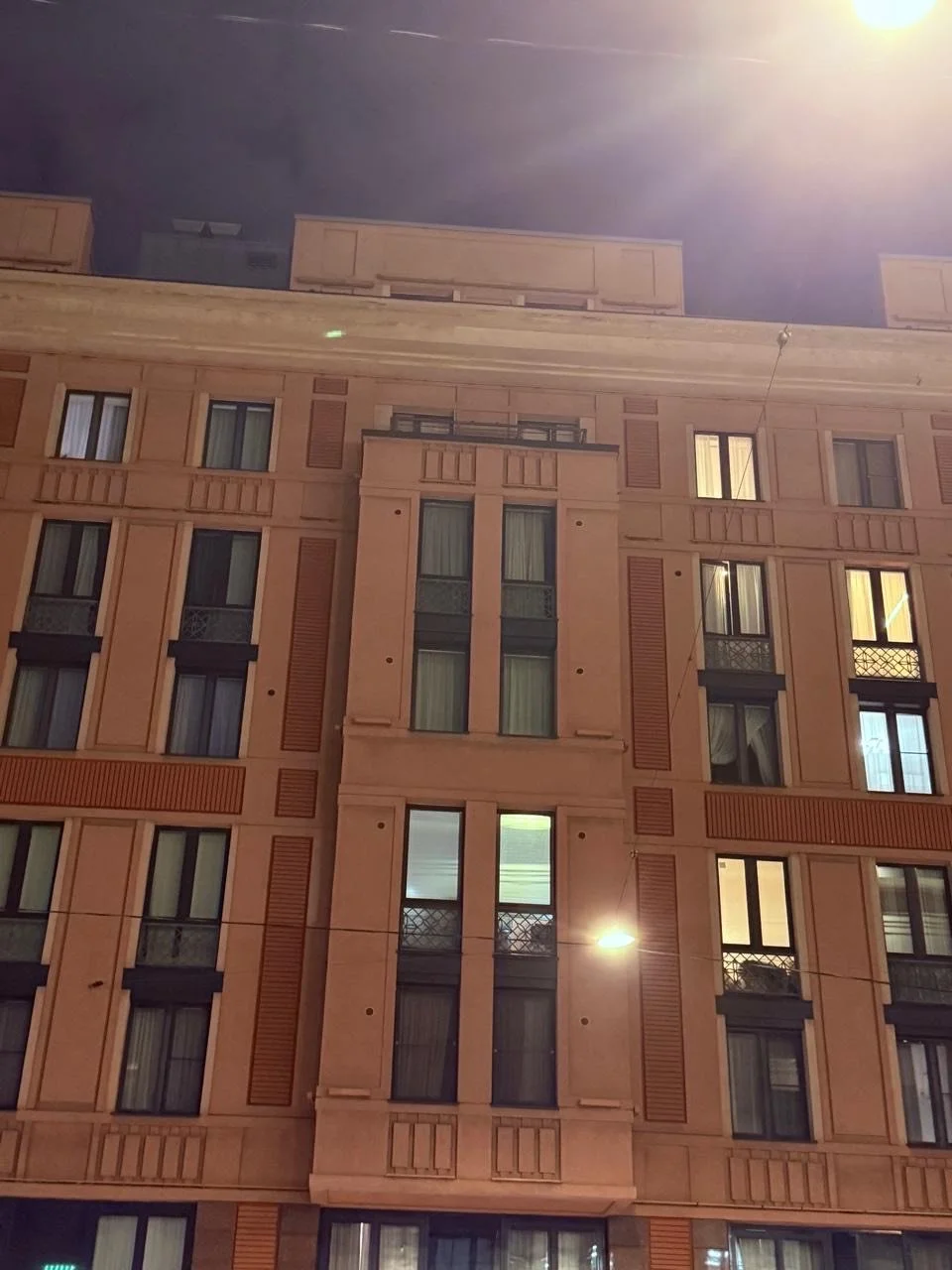
Eventually, it was time to explore beyond the apartment itself. The apart hotel where I was staying was called Dionis Art Apartments, but I soon discovered that the same building housed another, larger apart hotel occupying most of the floors: Art Studio Nevsky. It seemed busier, with a constant flow of people at the reception.
If—or when—I return to Saint Petersburg, I’ll likely stay there next, simply to experience a different version of the same building. I enjoy seeing how spaces change depending on how they’re managed and inhabited.
The building itself was something of a small ecosystem. Alongside the apart hotels, there were several businesses, including a beauty salon and a couple of restaurants. Everything felt practical, lived-in, and quietly efficient.
Location: Walking Distance from Everything That Matters
I already knew that the apart hotel was located about an eight-minute walk from Moscow Train Station, a major hub with frequent trains to Moscow. At some point during this trip, I would be taking one of those trains. The proximity made the idea feel effortless—no taxis, no early alarms, no logistical stress.
Staying in an apart hotel in downtown Saint Petersburg didn’t feel like staying somewhere. It felt like temporarily livingsomewhere. And perhaps that is exactly why this way of traveling feels like the future.
Continue Exploring Saint Petersburg with Greta
If you’re curious to see more of Saint Petersburg through everyday experiences rather than checklists and highlights, you can continue following Greta’s journey through the city. Each article focuses on a different layer of daily life—from walking the streets in winter to settling into an apartment, noticing routines, and observing how the city reveals itself slowly over time.
Why Russian Bakeries Matter In St. Petersburg: Pekarni, Rum Baba, And Everyday Life
MY FIRST 24 HOURS IN ST. PETERSBURG: NEVSKY PROSPECT, TOO MUCH TEA, AND RUSSIAN DONUT “PISHKA”
A DAY AT DOM KNIGI: BOOKSTORES, COFFEE, AND KAZAN CATHEDRAL IN ST. PETERSBURG
Where To Stay In Downtown St. Petersburg: A Real Apart Hotel Experience
Walking In Saint Petersburg In December: A Winter City That Has Adapted
My First Morning In St. Petersburg: Snow, Silence, And The Smell Of Fresh Bread
Learning Russian Through Everyday Life
Many readers ask how to move beyond observing a city and begin to understand it more deeply. Language is often the missing piece. Being able to read signs, follow conversations in cafés, or understand small everyday exchanges changes how a place feels—and how present you are within it.
At Polyglottist Language Academy, we offer Russian classes designed around real-life usage rather than abstract grammar alone. Our courses focus on listening, speaking, and cultural context, helping students engage with Russian as it’s actually lived and spoken today.
If Saint Petersburg—and its rhythms, details, and quiet moments—spark your curiosity, learning Russian can be a natural next step.
👉 Explore our Russian classes at Polyglottist Language Academy