
Why Russian Ballet Is World-Famous: The Legacy of Bolshoi & Mariinsky
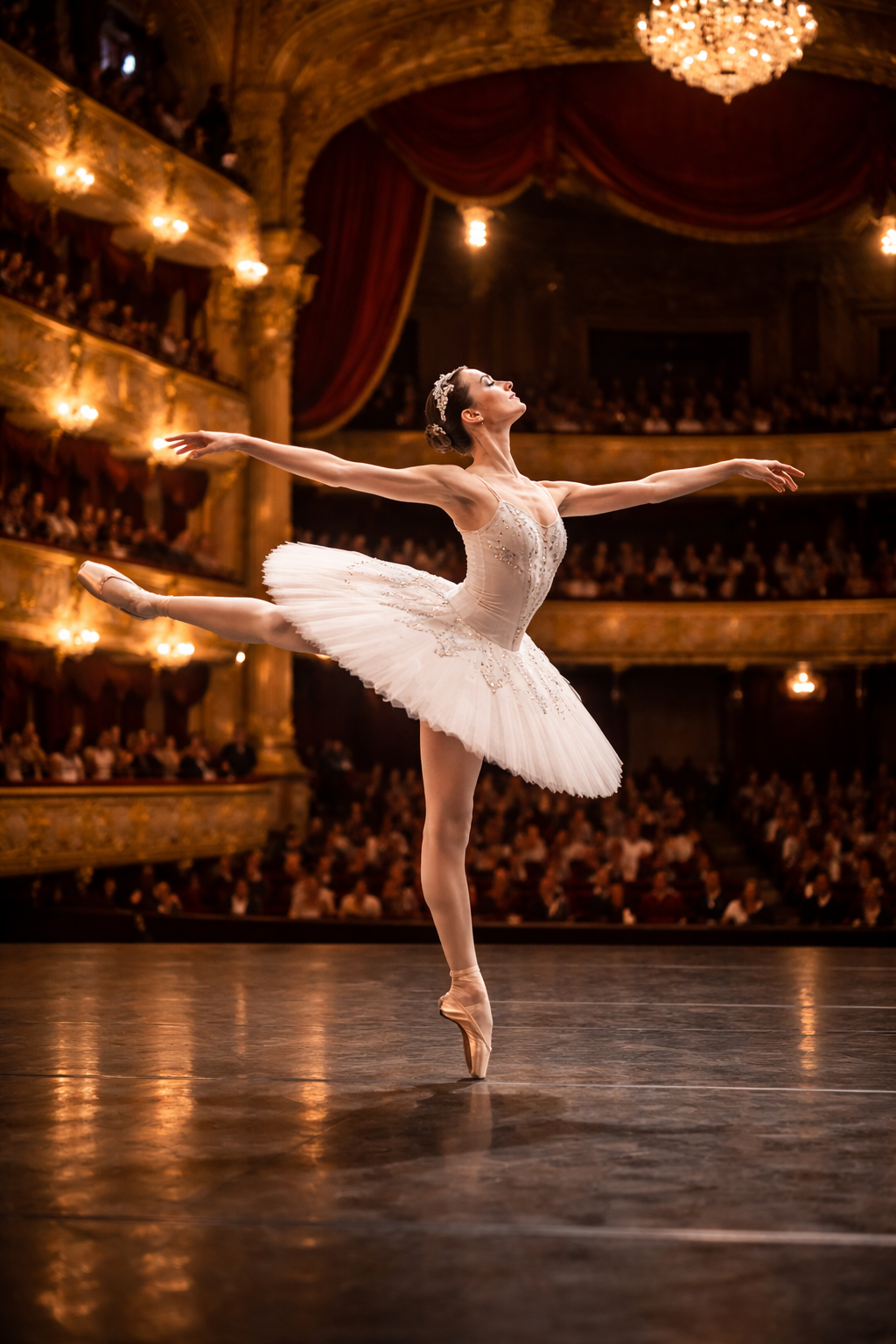
Few artistic traditions have shaped global culture as profoundly as Russian ballet, an art form that transformed imported European dance into a uniquely expressive language of movement, discipline, and storytelling, ultimately creating a standard of excellence so influential that even today, more than two centuries later, dancers across continents still measure their technique, artistry, and ambition against the traditions established on the stages of Moscow and Saint Petersburg.
Russian ballet is not simply famous because of beautiful performances or iconic theaters; it is world-renowned because it represents a complete artistic philosophy — one that blends athletic rigor with emotional depth, technical precision with storytelling, and individual brilliance with collective cultural identity. From the sweeping grandeur of the Bolshoi Theatre to the refined elegance of the Mariinsky Theatre, Russian ballet has defined what classical ballet means for audiences and performers worldwide.
But why exactly did Russia — a country that did not even originate ballet — become its greatest guardian and innovator? Why are Russian dancers consistently regarded among the best in the world? And how did institutions like the Bolshoi and Mariinsky shape not only ballet history but global artistic standards?
In this in-depth guide, we will explore the origins of Russian ballet, the defining characteristics of its greatest theaters, the revolutionary training systems that produce extraordinary dancers, and the cultural forces that turned ballet into one of Russia’s most powerful artistic exports.
The Origins of Russian Ballet: From Foreign Import to National Treasure
Interestingly, ballet did not begin in Russia. Its roots lie in the royal courts of Renaissance Italy and later flourished in France under King Louis XIV, himself an enthusiastic dancer. Russia’s relationship with ballet began in the early 18th century during a period of rapid modernization.
Peter the Great and Western Influence
Tsar Peter the Great sought to transform Russia into a European cultural power. As part of this vision, he introduced Western arts, sciences, and customs — including ballet.
In 1738, the first imperial ballet school was founded in Saint Petersburg. This institution would later evolve into what is now known as the Vaganova Ballet Academy, one of the most prestigious dance schools in the world.
At first, foreign choreographers dominated Russian ballet:
French teachers introduced courtly elegance.
Italian dancers brought virtuoso technique.
European composers shaped musical structure.
Yet something unexpected happened: Russian artists absorbed these influences and reshaped them into a new artistic identity characterized by emotional intensity and dramatic storytelling.
The Birth of a Russian Ballet Identity
By the 19th century, Russian ballet no longer imitated Europe — it surpassed it.
While ballet declined in popularity in Western Europe, Russia invested heavily in the art. Imperial patronage ensured:
stable funding,
long rehearsal periods,
dedicated training academies,
collaboration between composers and choreographers.
The result was a golden age of ballet innovation.
Russian productions emphasized narrative depth, theatrical spectacle, and expressive movement. Ballet became not merely entertainment but a national cultural achievement.
The Bolshoi Ballet: Grandeur, Power, and Dramatic Expression
Founded in 1776, the Bolshoi Ballet quickly became synonymous with artistic scale and emotional intensity. Located in Moscow, the Bolshoi Theatre remains one of the most recognizable cultural landmarks in the world.
What Defines the Bolshoi Style?
The Bolshoi approach to ballet is often described as bold and heroic.
Key characteristics include:
expansive movement and powerful jumps,
dramatic storytelling,
emotional projection visible even from distant seats,
large ensemble scenes.
Bolshoi dancers are trained to command the stage with presence and energy.
Monumental Productions
The Bolshoi is famous for spectacular productions such as:
Spartacus
Don Quixote
Giselle
Swan Lake
Lavish costumes, elaborate scenery, and large orchestras create immersive theatrical experiences.
Legendary Bolshoi Dancers
Over time, the Bolshoi produced some of ballet’s greatest stars, including:
Maya Plisetskaya
Vladimir Vasiliev
Ekaterina Maximova
Their performances combined athleticism with emotional intensity, shaping global expectations of ballet performance.
The Mariinsky Ballet: Elegance and Classical Purity
If the Bolshoi represents grandeur, the Mariinsky Ballet represents refinement.
Established in Saint Petersburg in the 18th century, the Mariinsky Theatre became the intellectual and artistic center of classical ballet.
Hallmarks of the Mariinsky Style
Mariinsky dancers are known for:
refined precision,
fluid transitions,
musical sensitivity,
lyrical elegance.
The emphasis is less on spectacle and more on perfection of classical form.
Birthplace of Ballet Masterpieces
Many legendary ballets premiered here, including:
The Sleeping Beauty
The Nutcracker
revised versions of Swan Lake
These productions defined classical ballet repertoire worldwide.
Iconic Mariinsky Dancers
The Mariinsky nurtured artists who reshaped dance history:
Anna Pavlova
Rudolf Nureyev
Natalia Makarova
Their international careers spread Russian ballet techniques across Europe and America.
The Vaganova Method: The Secret Behind Russian Excellence
One cannot understand Russian ballet without understanding the Vaganova Method — the training system responsible for producing generations of extraordinary dancers.
Developed by Agrippina Vaganova in the early 20th century, this method synthesized French elegance, Italian virtuosity, and Russian expressiveness.
Core Principles
Progressive Development
Students build technique gradually to avoid injury.Whole-Body Coordination
Arms, torso, and legs move as a unified system.Expressive Performance
Emotional storytelling is essential, not optional.Musical Interpretation
Movement must reflect musical phrasing.
Training often begins in childhood and continues through rigorous daily practice.
Discipline and Dedication: The Reality of Ballet Training
Russian ballet training is famously demanding.
Students may train:
six days per week,
several hours daily,
combining technique, character dance, acting, and music studies.
The goal is not only physical mastery but artistic transformation.
This disciplined environment fosters resilience, precision, and artistic maturity — qualities audiences instinctively recognize on stage.
Iconic Russian Ballet Performances
Swan Lake
Perhaps the most famous ballet ever created, Swan Lake embodies Russian ballet’s emotional depth.
Highlights include:
the dual role of Odette/Odile,
technically demanding choreography,
haunting music by Pyotr Ilyich Tchaikovsky.
The Nutcracker
Premiered at the Mariinsky Theatre in 1892, this ballet became a global holiday tradition.
Its imaginative storytelling introduced generations to ballet.
The Sleeping Beauty
Often considered the pinnacle of classical ballet technique, it demonstrates perfect harmony between music and choreography.
Russian Ballet and Music: A Perfect Partnership
Russian ballet owes much of its success to collaboration with composers.
Tchaikovsky revolutionized ballet music by composing symphonic scores rather than simple accompaniment. His music elevated ballet into serious art.
This partnership between choreography and composition remains central to Russian ballet tradition.
Ballet During the Soviet Era
After the Russian Revolution, ballet faced uncertainty but ultimately became a powerful cultural symbol.
The Soviet government supported ballet as proof of artistic excellence.
During this period:
ballet schools expanded,
companies toured internationally,
dancers became cultural ambassadors.
Despite political constraints, artistic innovation continued.
Global Influence of Russian Ballet
Today, Russian ballet training influences companies worldwide.
Former Russian dancers teach in:
Paris Opera Ballet
American Ballet Theatre
Royal Ballet in London
Tokyo ballet institutions
The Vaganova method remains a global standard.
Why Russian Dancers Are Considered the Best
Several factors contribute:
early specialized training,
consistent methodology,
emphasis on artistry,
strong cultural respect for classical arts.
Russian dancers are trained not just to execute steps but to embody characters emotionally.
Ballet as Cultural Identity
In Russia, ballet holds a status comparable to opera or classical literature elsewhere.
Attending ballet performances is seen as an important cultural experience. Children grow up familiar with ballet stories, music, and traditions.
This societal respect sustains excellence across generations.
Experiencing Ballet Through Language
Understanding Russian enhances appreciation of ballet:
choreography notes often use Russian terminology,
rehearsal instructions may be given in Russian,
historical documents remain untranslated.
Language opens deeper cultural access.
Modern Russian Ballet Today
Both the Bolshoi and Mariinsky continue evolving:
new choreography blends tradition with innovation,
global tours reach international audiences,
digital broadcasts expand accessibility.
Russian ballet remains both historical and contemporary.
Frequently Asked Questions (FAQs)
Why is Russian ballet so famous?
Because it combines rigorous training, emotional storytelling, and centuries of institutional support.
What is the difference between Bolshoi and Mariinsky ballet?
Bolshoi emphasizes power and drama; Mariinsky emphasizes elegance and classical purity.
What is the Vaganova Method?
A structured ballet training system integrating technique, musicality, and expressive movement.
Who are famous Russian ballet dancers?
Anna Pavlova, Rudolf Nureyev, Maya Plisetskaya, and many others.
Did ballet originate in Russia?
No — it originated in Italy and France but was perfected in Russia.
Is Russian ballet still influential today?
Yes, its training methods shape ballet worldwide.
Can adults learn about ballet culture through language study?
Absolutely — learning Russian provides cultural and historical insight.
Why are Russian ballet productions so grand?
State support and cultural prestige historically allowed large-scale productions.
Learn Russian and Explore Culture with Polyglottist Language Academy
If Russian ballet inspires you, learning the Russian language is one of the most rewarding ways to connect more deeply with its history, terminology, and artistic traditions. At Polyglottist Language Academy, we believe language learning opens doors to culture, art, and global understanding.
Our Russian language programs include:
Online Russian classes for beginners through advanced learners
Small-group interactive lessons
Private instruction tailored to your goals
Cultural immersion through literature, history, and arts
Whether your interest comes from ballet, travel, literature, or personal curiosity, our experienced instructors help you build real communication skills step by step.
👉 Join our Russian classes today and start discovering the language behind one of the world’s greatest artistic traditions.
Continue Exploring Language and Culture
If you enjoyed this article, check out more from our blog:
Moscow: The Most Beautiful Winter City I’ve Ever Walked Through
Traveling From St. Petersburg To Moscow By Train: A First-Hand Account
A DAY AT DOM KNIGI: BOOKSTORES, COFFEE, AND KAZAN CATHEDRAL IN ST. PETERSBURG
What It’s Like To Take The Saint Petersburg Metro For The First Time
My First Morning In St. Petersburg: Snow, Silence, And The Smell Of Fresh Bread
MY FIRST 24 HOURS IN ST. PETERSBURG: NEVSKY PROSPECT, TOO MUCH TEA, AND RUSSIAN DONUT “PISHKA”
Learn Russian In Portland: Practical Language Courses For Adult Students
Learn Russian In Los Altos: Flexible Online Classes For All Levels
Learn Russian Online In Seattle: Language, Culture, And Real Conversation