
Why the Netherlands Has Two Christmases
Introduction
When people think about Christmas in Europe, their minds often jump to snowy German markets, French bûches de Noël, or British traditions like carols and crackers. In the Netherlands, however, the December season takes on a unique twist. Here, the joy of the holidays comes not once, but twice, as Dutch families celebrate both Sinterklaas on December 5thand Christmas on December 25th and 26th.
This dual holiday system often leaves foreigners puzzled. Why celebrate twice? Isn’t one Christmas enough? But the truth is that the Dutch approach to the festive season is a window into their history, identity, and cultural values. The Netherlands’ two Christmases reflect a story that stretches back to medieval saints, trading routes, the Protestant Reformation, and even global influences like American pop culture.
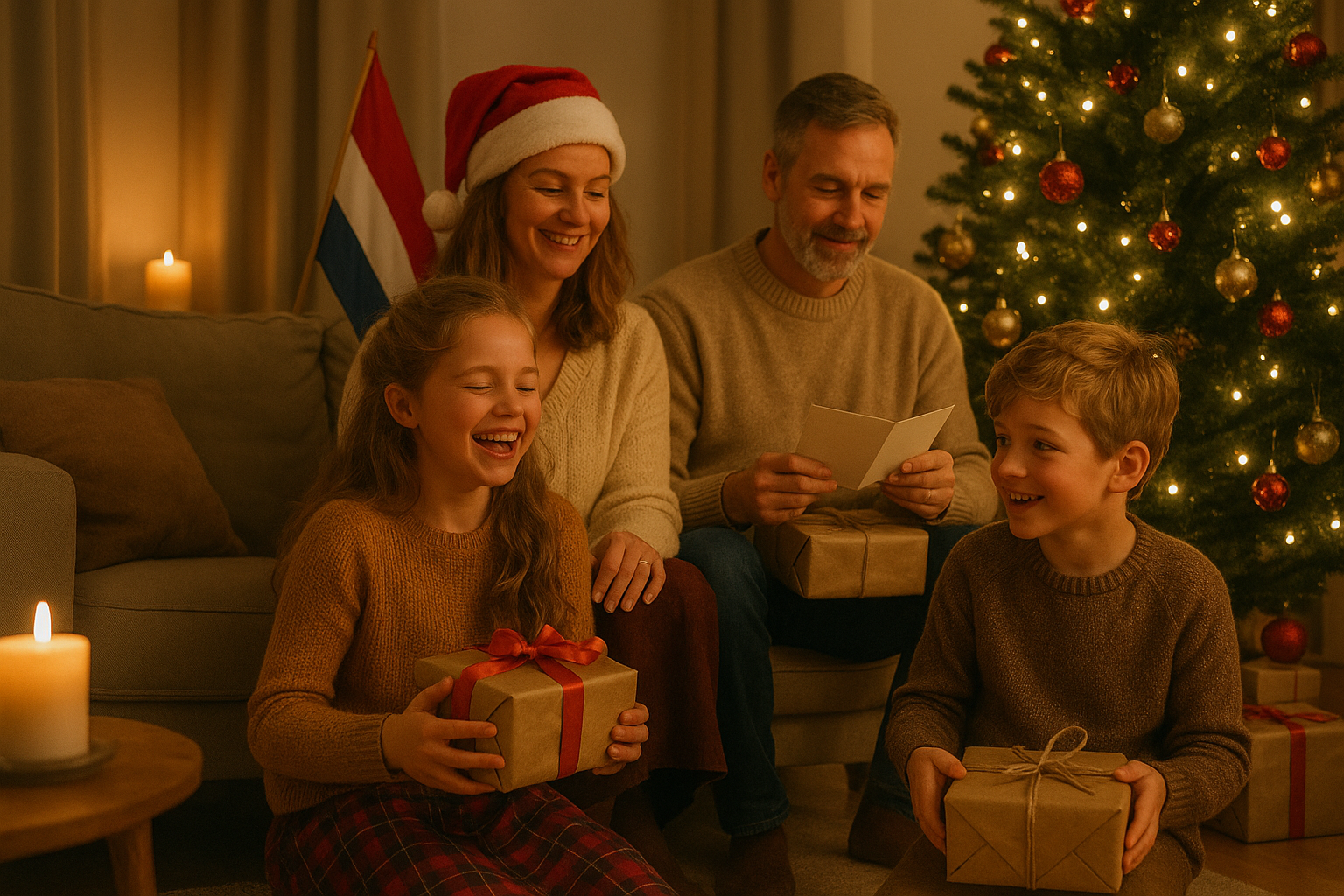
For Dutch children, December is nothing short of magical. They eagerly await the arrival of Sinterklaas by steamboat from Spain, hope to find chocolate letters in their shoes, and laugh at the funny rhymes their parents sneak into gift packages. Just a few weeks later, they gather around the Christmas tree for family meals, songs, and a second round of cozy winter magic. Adults, too, delight in the way the month of December balances playfulness, tradition, and reflection.
To understand why the Netherlands has two Christmases, we need to go deeper into history, folklore, and modern cultural practice. Along the way, you’ll discover how these celebrations coexist, why they have survived for centuries, and what they reveal about Dutch values.
The Origins of Sinterklaas
Saint Nicholas: From Turkey to the Low Countries
The roots of Sinterklaas lie in the story of Saint Nicholas of Myra, a 4th-century bishop in what is now Turkey. Known for his acts of generosity—secretly providing dowries for poor girls, saving sailors at sea, and performing miracles—he became one of the most venerated saints in Christian Europe.
In medieval times, Dutch sailors and merchants spread his cult across the trading hubs of the Low Countries. Saint Nicholas became the patron saint of Amsterdam, as well as of children and sailors—two groups deeply important to Dutch society. By the Middle Ages, the feast of Saint Nicholas on December 6th was one of the most celebrated holidays in the region.
Medieval Festivities
Medieval celebrations were lively. Children placed their shoes by the fireplace, hoping to find coins, nuts, or dried fruit the next morning. Town squares hosted fairs, parades, and markets in honor of the saint. Bakers sold special “speculaas” cookies in the shape of the bishop, and choirs sang hymns in his name.
Even after the Protestant Reformation swept through the Netherlands in the 16th century—when many saints’ days were abandoned—Sinterklaas endured. While official church calendars downplayed him, families and communities continued to celebrate. The tradition had taken root too deeply to be erased.
The Dutch Version of Sinterklaas
By the 19th century, the image of Sinterklaas evolved into the familiar figure we know today:
A tall, thin bishop with a red mitre and staff.
He rides a white horse across rooftops.
He arrives by steamboat from Spain, a detail that reflects centuries of Dutch trade with the Iberian Peninsula.
He is accompanied by helpers known as Pieten, who assist in distributing gifts and sweets.
For children, the highlight is December 5th—Sinterklaasavond or Pakjesavond (Present Evening)—when families exchange gifts, often accompanied by witty poems poking fun at the recipient in a playful way.
The Arrival of Christmas (Kerstmis) in the Netherlands
A Quieter Holiday
For centuries, Sinterklaas overshadowed Christmas in the Netherlands. Unlike Germany, where Christmas markets flourished, or Britain, where Christmas became a cultural giant, the Dutch kept December 25th fairly low-key.
Protestant families celebrated the religious meaning of the day—the birth of Christ—by attending church and gathering quietly at home. Catholic communities, meanwhile, often merged Christmas with older traditions. But gift-giving remained mostly tied to Sinterklaas.
The 19th and 20th Centuries
Things began to change in the 19th century with the rise of Christmas trees, imported from German traditions, and in the 20th century with the global spread of Santa Claus, heavily influenced by American culture. The Dutch word “Kerstman” (Christmas Man) emerged, but he was never as dominant as Sinterklaas.
By the mid-20th century, Dutch families increasingly adopted Christmas dinners, decorated trees, and smaller presents under the tree. Today, Kerstmis has fully taken its place alongside Sinterklaas, though many families keep the roles distinct: big gifts and rhymes for Sinterklaas, cozy meals and togetherness for Christmas.
How the Two Holidays Coexist Today
One of the most fascinating aspects of Dutch December is how the two celebrations remain separate rather than blending into one.
Sinterklaas (December 5th)
Focus: Children, fun, gifts, poems, playful teasing.
Symbols: Steamboat, horse, bishop’s mitre, chocolate letters, pepernoten.
Food: Speculaas cookies, marzipan, banketstaaf.
Christmas (December 25th–26th)
Focus: Family meals, church services, decorated trees, reflection.
Symbols: Christmas trees, nativity scenes, candles, carols.
Food: Kerststol (Christmas bread), gourmetten (communal grill meals), festive desserts.
The rhythm of December feels almost like two acts of the same play. First comes the lively, children-centered excitement of Sinterklaas, followed by the warm, reflective family gatherings of Kerstmis.
Cultural Lessons From Two Christmases
Respect for Tradition
The Dutch have preserved Sinterklaas for centuries, even through religious reform and modernization. This shows how deeply traditions can root themselves in everyday life.
Adaptability and Blending
At the same time, the Dutch have embraced modern Christmas, weaving in foreign elements without abandoning their own. It reflects a cultural openness that defines Dutch society—absorbing global trends while keeping local traditions alive.
Humor and Practicality
The tradition of writing cheeky poems for Sinterklaas reveals the Dutch love of humor and practicality. Gifts aren’t about extravagance but about wit, creativity, and personal connection.
Balance
Two Christmases illustrate a balance between childlike wonder (Sinterklaas) and adult reflection (Christmas). Together, they create a season that satisfies both ends of the emotional spectrum.
Holiday Foods in Detail
The Dutch holiday season is filled with foods that carry symbolic meaning:
Pepernoten and kruidnoten: Small spiced cookies thrown around by Sinterklaas’ helpers.
Speculaas: Cinnamon-rich cookies often shaped like Sinterklaas.
Chocoladeletters: Chocolate bars in the shape of the recipient’s initial.
Banketstaaf: Puff pastry with almond filling, eaten on Sinterklaasavond.
Kerststol: A sweet bread with raisins and almond paste, often eaten at Christmas breakfast.
Gourmetten: A unique Dutch Christmas tradition where families cook small portions of meat, fish, and vegetables on a tabletop grill together.
Food is central to both holidays, but the mood is very different: festive and playful for Sinterklaas, warm and indulgent for Christmas.
FAQs About Two Christmases in the Netherlands
1. Do Dutch children get presents twice?
Yes, though the main celebration is Sinterklaas. Christmas gifts are usually smaller or symbolic.
2. Is Santa Claus based on Sinterklaas?
Yes. The American Santa Claus is derived from Dutch immigrants’ Sinterklaas traditions, later blended with other influences.
3. What is Tweede Kerstdag (Second Christmas Day)?
It’s December 26th, a public holiday for extended family visits, shopping, or outings.
4. Do all Dutch families celebrate both?
Not always. Some families focus only on Sinterklaas, while others embrace both equally.
5. Is Sinterklaas celebrated outside the Netherlands?
Yes, in Belgium and parts of Germany, though each country has its own twist.
6. Do Dutch people decorate Christmas trees for Sinterklaas?
No. Trees are for Christmas, not for Sinterklaas.
7. Which holiday do children prefer?
Sinterklaas is more exciting for kids because of the gifts and stories.
8. Is it expensive to celebrate both?
It can be, but many families save big gifts for Sinterklaas and keep Christmas modest.
Conclusion: A Double Season of Magic
The Netherlands’ two Christmases are more than just a quirk of the calendar. They reflect the Dutch way of balancing tradition and modernity, joy and reflection, playfulness and solemnity. For visitors, it may seem unusual, but for the Dutch, December wouldn’t be complete without both Sinterklaas and Kerstmis.
At Polyglottist Language Academy, we believe that understanding culture is key to learning a language. When you study Dutch with us, you won’t just learn grammar—you’ll learn why Sinterklaas poems matter, why “gourmetten” is such a big deal, and how Dutch traditions shape everyday conversations.
If you’re ready to dive into Dutch language and culture, sign up for our classes today and make your own connection to this fascinating culture.
And don’t stop here—check out our other articles to deepen your knowledge of Dutch life: