
Russian food is often imagined as a hearty celebration of meat, fish, and dairy—bowls of steaming борщ with sour cream, plates of dumplings filled with minced meat, or towering crepe stacks rich with butter and caviar. But behind this image lies a surprisingly plant-based tradition, shaped by history, religion, geography, and creativity. For centuries, Russians observed Orthodox fasting periods where meat and dairy were forbidden, leading to a vibrant repertoire of vegan-friendly dishes long before the word “vegan” existed. Today, with the rise of plant-based eating worldwide, Russian cuisine offers an exciting opportunity to rediscover these traditions while also reimagining beloved classics with modern vegan twists.
For language learners and cultural explorers, food is one of the richest doorways into a society’s soul. Russian vegan cuisine doesn’t just teach you new words—it helps you understand rhythms of life, seasonal cooking, and the way language itself encodes respect for tradition and adaptation. Ordering a plate of постные пельмени (fasting dumplings), asking for салат без майонеза (salad without mayonnaise), or cooking каша на воде (porridge made with water) lets you practice Russian vocabulary while embracing cultural nuance. Learning how Russian speakers describe textures, ingredients, and preparation opens a world of idioms and expressions tied to food, while teaching you to feel at home in kitchens, cafes, and conversations.
This article explores vegan Russian cuisine in depth: its history, its traditional plant-based dishes, and modern innovations that transform classics without losing their soul. We’ll look at practical recipes, key vocabulary, cultural contexts, and creative ideas for bringing Russian food into your vegan lifestyle. Along the way, we’ll highlight language hacks that make food vocabulary stick, and we’ll finish with a set of FAQs for learners who want to explore Russian food culture while practicing the language.
Historical Roots of Plant-Based Eating in Russia
Orthodox Fasting Traditions
The Russian Orthodox Church prescribes numerous fasting periods throughout the year, sometimes adding up to nearly half of all days. During these times, believers abstain from meat, dairy, and sometimes even oil. This led to a rich tradition of постная кухня (fasting cuisine), which is essentially vegan.
Examples include:
Каша на воде (grain porridge cooked in water)
Щи из квашеной капусты (cabbage soup with sauerkraut)
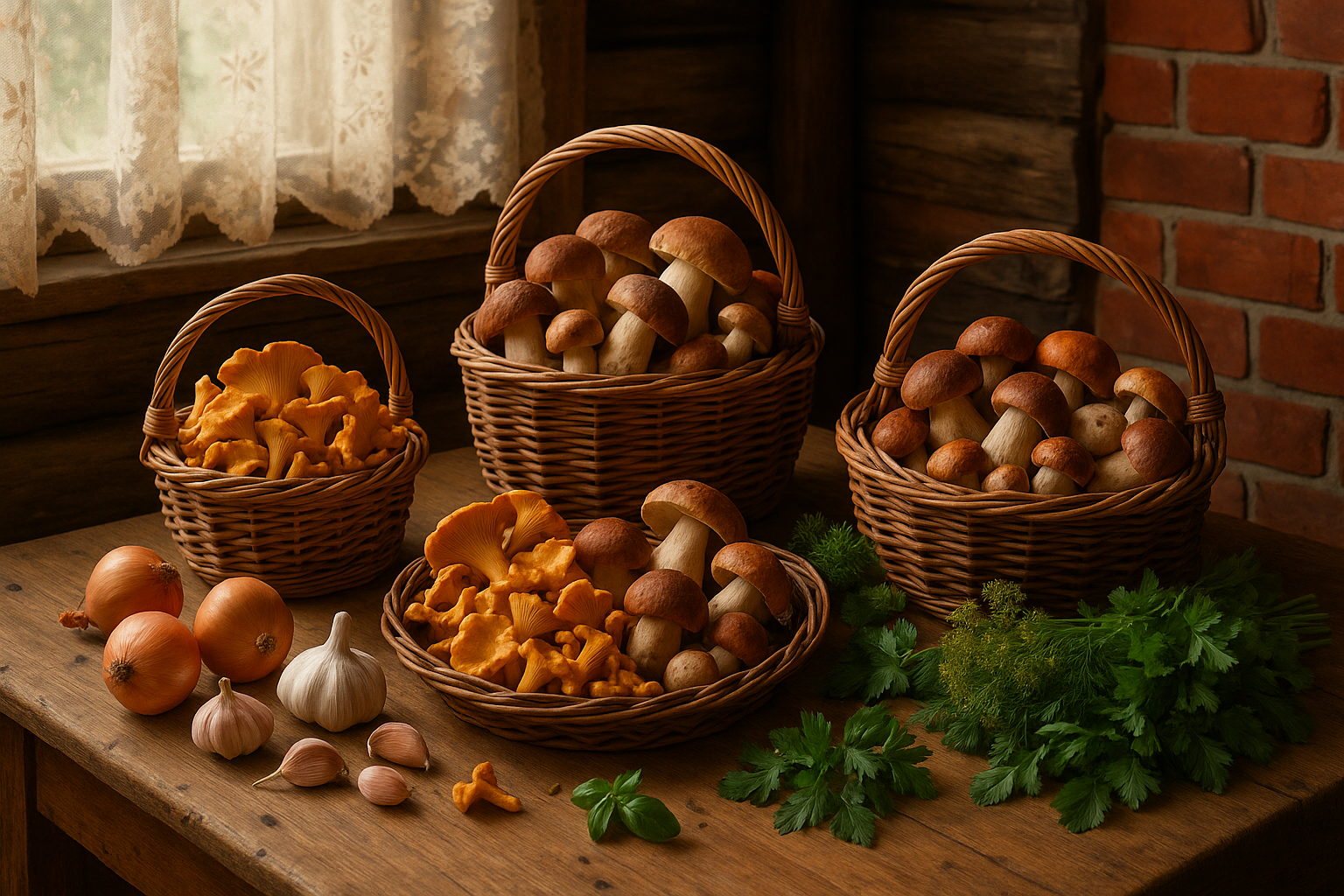
Грибные блюда (mushroom-based meals, since mushrooms are considered a “meaty” substitute)
Овощные пироги (vegetable pies)
Peasant Diet
For centuries, peasants relied on grains, legumes, and vegetables because meat was expensive and reserved for holidays. Beans, peas, buckwheat (гречка), cabbage, onions, and potatoes were everyday staples.
Seasonal Abundance
Russian cuisine is strongly seasonal. In summer, fresh berries, cucumbers, and tomatoes dominated; in winter, pickled vegetables, sauerkraut, and stored root crops carried people through the cold. This naturally created a plant-centered diet.
Traditional Vegan-Friendly Russian Dishes
Soups
Щи (cabbage soup): Can be made without meat, flavored with mushrooms.
Борщ постный (fasting borscht): Beets, cabbage, carrots, potatoes, beans, and dill.
Рассольник (pickle soup): Made with barley, pickles, and vegetables.
Grain and Legume Staples
Гречневая каша (buckwheat porridge): A protein-rich favorite, often simply boiled and served with fried onions.
Гороховый суп (pea soup): Hearty and filling, perfect for cold weather.
Перловка (pearl barley dishes): Served as porridge or in soups.
Vegetable and Mushroom Dishes
Жареная картошка с грибами (fried potatoes with mushrooms).
Капуста тушёная (braised cabbage).
Икра кабачковая (zucchini spread, similar to pâté).
Салат “Винегрет” (beetroot salad with potatoes, carrots, pickles, and sauerkraut).
Baked Goods
Пирожки с картошкой (baked buns stuffed with mashed potatoes).
Пироги с капустой (cabbage pies).
Лепёшки (flatbreads often made without dairy).
Modern Vegan Twists on Russian Classics
Traditional Russian cooking relies heavily on sour cream (сметана), butter, and eggs—but modern substitutions make vegan versions possible.
Vegan Borscht – Replace sour cream with cashew cream or plant-based yogurt.
Pelmeni and Vareniki – Dumplings filled with mushrooms, potatoes, or lentils instead of meat. Use flaxseed mixture instead of egg for dough.
Olivier Salad (Салат Оливье) – Replace meat with chickpeas or tofu, and mayo with vegan mayonnaise.
Blini (Блины) – Crepes made with plant-based milk, served with jam, mushroom filling, or vegan caviar made from seaweed.
Shashlik (Шашлык) – Grilled vegetable skewers marinated in traditional spices instead of lamb or pork.
Vegan Russian Ingredients You Should Know
Гречка – Buckwheat, a staple of Russian vegan cooking.
Капуста – Cabbage, fresh or fermented, essential in soups and salads.
Огурцы солёные – Pickles, used to add tang to dishes.
Свёкла – Beets, the star of borscht and many salads.
Грибы – Mushrooms, often considered a “second meat.”
Семечки – Sunflower seeds, popular as snacks and in spreads.
Квас – A fermented bread drink, naturally vegan.
Ягоды – Wild berries, central to Russian desserts.
Language Learning Through Food
Cooking and eating vegan Russian food is a perfect opportunity to practice:
Shopping Vocabulary – Килограмм моркови (a kilogram of carrots), полкило картошки (half a kilo of potatoes).
Cooking Verbs – резать (to cut), варить (to boil), жарить (to fry), тушить (to braise).
Dining Etiquette – Practice polite forms like Можно без майонеза, пожалуйста? (Can I have it without mayonnaise, please?).
Cultural Expressions – Phrases like Щи да каша — пища наша (Cabbage soup and porridge are our food) connect language to culture.
A Sample Vegan Russian Menu for Learners
Breakfast: Buckwheat porridge with berries (гречка с ягодами).
Lunch: Vegan borscht with black bread (борщ постный с чёрным хлебом).
Snack: Zucchini spread on rye bread (икра кабачковая на ржаном хлебе).
Dinner: Potato-mushroom pelmeni (пельмени с картошкой и грибами) and a glass of квас.
Practice ordering or describing these meals in Russian to reinforce vocabulary.
Common Mistakes Learners Make
Forgetting the Role of Cases – Два килограмма картошки (not картошка).
Confusing Dairy Words – Сметана (sour cream) vs. сливки (cream).
Using Literal Translations – Saying “vegan” as веганский works, but sometimes Russians prefer постный in certain contexts.
Overlooking Seasonality – Some ingredients are common only in summer (berries, cucumbers) or winter (sauerkraut).
Practice Dialogues
At the market:
Buyer: Сколько стоит килограмм огурцов?
Seller: Сто рублей.
Buyer: Дайте, пожалуйста, два килограмма.
At a restaurant:
Customer: У вас есть постный борщ?
Waiter: Да, конечно.
Customer: Можно без сметаны, пожалуйста?
FAQs About Vegan Russian Cuisine
Q: Is it easy to be vegan in Russia?
A: It’s easier than many think. Traditional fasting foods are vegan, and big cities now have vegan restaurants.
Q: What word should I use: веганский or постный?
A: Веганский is modern, while постный is traditional and more widely understood, especially among older people.
Q: Is borscht usually vegan?
A: Traditional recipes often include meat stock, but fasting versions (постный борщ) are entirely vegan.
Q: What’s the best vegan substitute for sour cream (сметана)?
A: Cashew cream or soy yogurt with lemon juice works well.
Q: Can I find vegan food in Russian restaurants abroad?
A: Yes. Many Russian restaurants abroad offer fasting dishes or can adjust recipes if asked.
Q: Which Russian dish is easiest to “veganize”?
A: Salads (Винегрет, Оливье) and mushroom dishes are the easiest.
Q: Are there Russian desserts that are naturally vegan?
A: Yes—berry compotes, jam-filled pastries made with oil, and honey-free versions of кисель (fruit jelly).
Q: How can I use vegan cooking to improve my Russian?
A: Cook with Russian recipes, label ingredients in Russian, and practice writing shopping lists in Russian.
Final Thoughts
Vegan Russian cuisine proves that tradition and innovation can blend beautifully. What seems like a meat-heavy culture actually hides a rich plant-based heritage, and today’s vegan cooks can draw on both history and creativity to bring these dishes to life. For learners of Russian, this cuisine is also a linguistic feast: each recipe and ingredient teaches not only how to cook, but how to speak, listen, and connect.
At Polyglottist Language Academy, we believe in learning language through culture, and food is one of the most delicious cultural doorways. Our Russian classes go beyond grammar and vocabulary—they help you feel at home in Russian kitchens, markets, and conversations. Sign up today and let us help you bring both Russian language and cuisine into your daily life.