
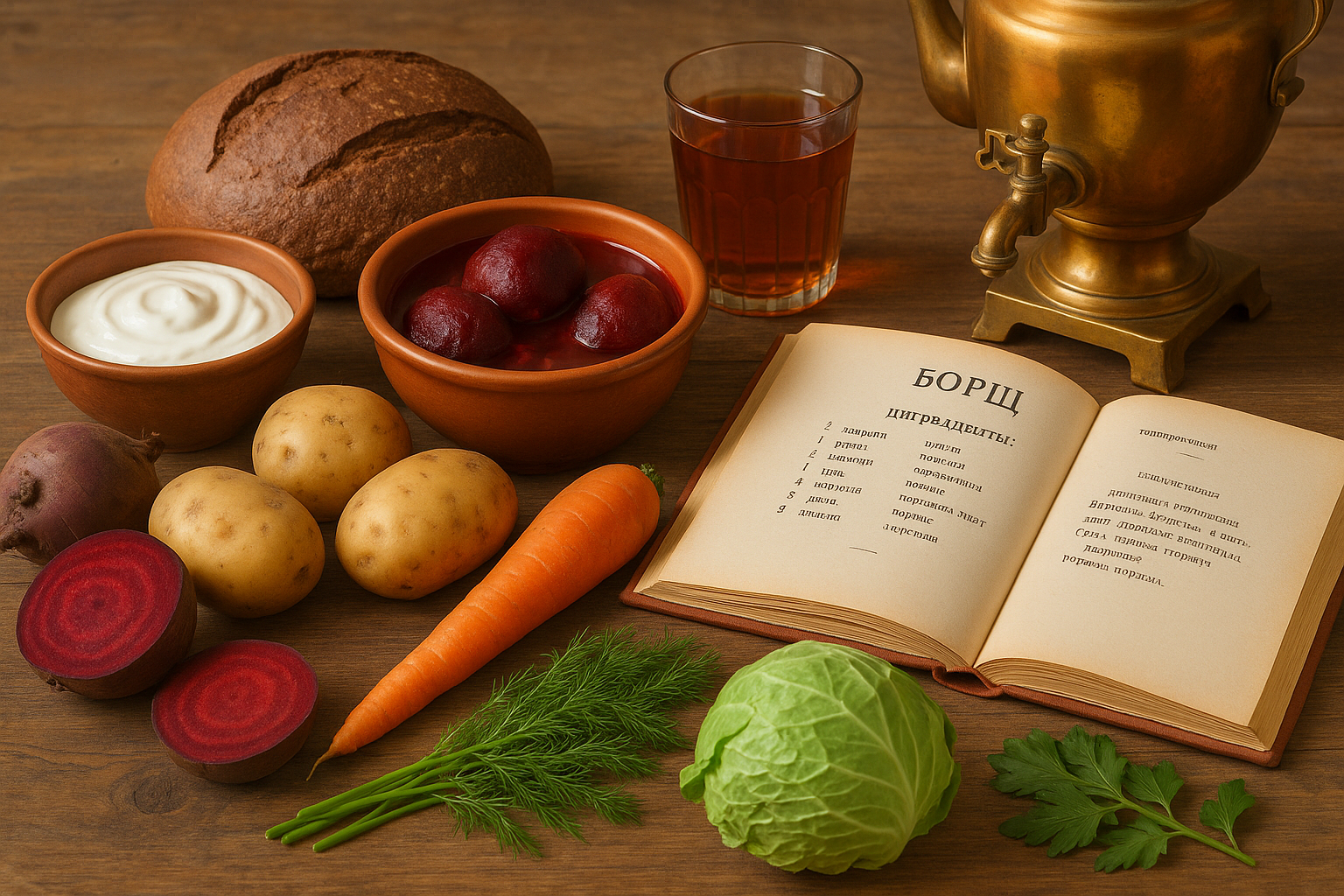
Food has always been one of the most intimate gateways into another culture, and when that culture is Russian, the kitchen becomes more than a place for nourishment—it transforms into a classroom, a library, and a stage where history, language, and tradition perform together. Every whisk of sour cream, every chopped onion sizzling in sunflower oil, and every pinch of dill speaks a language older than textbooks and more vibrant than any flashcard deck. Russian cuisine, with its hearty soups, delicate pastries, and bold flavors, is more than just sustenance; it is a living dictionary of cultural values, idioms, and everyday phrases. And for language learners, cooking Russian food offers a surprisingly effective, sensory-rich method for acquiring vocabulary, practicing pronunciation, and connecting with the rhythm of Russian life.
When you’re learning Russian, it’s easy to become overwhelmed by cases, verb aspects, and the Cyrillic alphabet. But step into a Russian kitchen and suddenly grammar and vocabulary feel less like abstract puzzles and more like practical tools. Recipes invite you to read, follow instructions, and repeat phrases. Ingredients whisper their names as you hold them: картошка (potato), морковь (carrot), капуста (cabbage). The kitchen becomes a natural space for immersion where the words stick not because you memorized them, but because you tasted them, smelled them, and shared them.
This article will take you on a culinary-linguistic journey, introducing not only iconic Russian dishes but also the vocabulary and expressions that go with them. You’ll learn step-by-step recipes—from warming soups like борщ (borscht) to festive desserts like блинчики (blini)—while simultaneously expanding your Russian lexicon. Think of it as a hybrid experience: part cooking class, part language lesson, part cultural exploration. By the time you finish, you’ll have more than just a few new recipes; you’ll have an enriched appreciation of Russian language, a set of practical words you can use immediately, and the confidence that comes from integrating learning into real life.
Why Cooking Helps You Learn Russian
Before diving into the recipes, it’s worth pausing to ask: why cooking? What makes it such a powerful tool for language learning?
Contextual Vocabulary Acquisition
Language sticks best when tied to context. Learning the word яйцо (egg) while holding one in your hand, cracking it into a bowl, and whisking it for блины creates stronger memory pathways than seeing it on a flashcard.Multi-Sensory Engagement
Cooking engages sight, smell, touch, taste, and sound. Every sense reinforces the language connection—listening to Russian cooking videos, smelling укроп (dill), tasting борщ—all anchor vocabulary deeply.Cultural Integration
Food carries cultural nuance. In Russian, verbs and idioms connected to food (e.g., съесть собаку — “to eat a dog,” meaning to be highly experienced at something) reveal humor and cultural references you’d never get from grammar drills.Routine Practice
Cooking creates repetitive opportunities. Each time you make гречка (buckwheat porridge) you review verbs like варить (to boil) or жарить (to fry). Repetition without boredom—that’s the holy grail of language learning.
Essential Russian Kitchen Vocabulary
Before we get cooking, here’s a list of basic kitchen words you’ll encounter in our recipes:
Мука (muka) – flour
Соль (sol’) – salt
Вода (voda) – water
Молоко (moloko) – milk
Масло (maslo) – butter/oil
Сахар (sakhar) – sugar
Яйцо (yaytso) – egg
Лук (luk) – onion
Картошка (kartoshka) – potato
Морковь (markov’) – carrot
Капуста (kapusta) – cabbage
Мясо (myaso) – meat
Рыба (ryba) – fish
Сковорода (skovoroda) – frying pan
Кастрюля (kastryulya) – pot
Ложка (lozhka) – spoon
Нож (nozh) – knife
As you cook, repeat these words aloud. Associating them with actions—stirring, cutting, mixing—makes them automatic.
Recipe 1: Борщ (Borscht)
Few dishes are as synonymous with Russian cuisine as борщ. While Ukrainians and Russians both claim it proudly, its presence across the region makes it a symbol of Slavic food culture.
Ingredients (Ингредиенты):
2 картошки (potatoes)
1 морковь (carrot)
1 свёкла (beet)
½ капусты (half a cabbage)
1 лук (onion)
2 ст.л. томатной пасты (2 tbsp tomato paste)
2 литра воды (2 liters water)
Соль, перец, лавровый лист (salt, pepper, bay leaf)
Сметана (sour cream) for serving
Steps (Шаги):
Нарежьте (cut) картошку, морковь, свёклу и лук.
В кастрюле (in a pot) вскипятите (boil) воду.
Добавьте овощи (add vegetables) и капусту.
Перемешайте (mix) с томатной пастой и специями.
Варите (boil) 30–40 минут.
Подавайте (serve) со сметаной и хлебом.
Cooking tip: practice verbs like резать (to cut), варить (to boil), добавлять (to add).
Recipe 2: Блины (Blini)
Thin, crepe-like pancakes, блины are eaten at breakfast, with tea, or during Масленица (Pancake Week).
Ingredients:
2 стакана молока (2 cups milk)
2 яйца (2 eggs)
1 стакан муки (1 cup flour)
1 ст.л. сахара (1 tbsp sugar)
Щепотка соли (pinch of salt)
Масло для жарки (oil for frying)
Steps:
Взбейте яйца с молоком (whisk eggs with milk).
Добавьте муку, сахар и соль (add flour, sugar, salt).
Перемешайте до гладкого теста (mix until smooth batter).
Жарьте на сковороде (fry in a pan).
Подавать можно с вареньем, сметаной или икрой (serve with jam, sour cream, or caviar).
Each time you flip a blin, practice saying перевернуть блин (flip the pancake). It’s fun and practical.
Recipe 3: Пельмени (Pelmeni)
Pelmeni are small dumplings filled with meat, beloved across Russia for centuries.
Ingredients:
Тесто: мука, яйцо, вода, соль (dough: flour, egg, water, salt)
Фарш: мясо (говядина/свинина), лук, соль, перец (filling: beef/pork, onion, salt, pepper)
Steps:
Замесите тесто (knead the dough).
Нарежьте кружочки (cut small circles).
Выложите фарш (place filling).
Слепите края (seal the edges).
Варите в кипящей воде (boil in water).
Cultural note: making pelmeni is often a family activity, giving you the chance to learn phrases like давай помогу (“let me help”) or держи крепко (“hold it tight”).
Recipe 4: Щи (Shchi – Cabbage Soup)
Traditional peasant food that has been eaten in Russia for nearly a thousand years.
Ingredients:
½ капусты (half a cabbage)
2 картошки (potatoes)
1 морковь (carrot)
1 лук (onion)
2 литра мясного бульона (2 liters meat broth)
Соль, перец, зелень (salt, pepper, herbs)
Steps:
Варите капусту в бульоне (boil cabbage in broth).
Добавьте картошку, морковь и лук.
Приправьте специями (season).
Варите 40 минут.
Подавайте горячим со сметаной (serve hot with sour cream).
Language Learning Tips While Cooking
Narrate aloud. As you cook, say each step in Russian. “Я режу лук” (I am cutting an onion).
Label ingredients. Put sticky notes with Russian names on your ingredients.
Listen while cooking. Play Russian podcasts or music while you prepare the dish.
Cook with a Russian speaker. Practice conversational phrases as you cook together.
FAQs About Learning Russian Through Cooking
Q: Do I need to already know Russian to start learning through recipes?
A: Not at all. Even beginners can start with simple vocabulary like лук (onion) or вода (water). Recipes provide repetitive exposure.
Q: What if I can’t find certain Russian ingredients?
A: Substitute local ones. The learning benefit comes from vocabulary and process, not perfect authenticity. For example, use kale instead of cabbage.
Q: Will I learn grammar this way?
A: Cooking focuses more on vocabulary and verbs. Grammar comes indirectly, especially through repeated phrases like imperative forms.
Q: Can this method work for children learning Russian?
A: Yes. Kids love hands-on activities, and cooking is perfect for language exposure. Keep instructions short and playful.
Q: Which recipe is best to start with?
A: Blini are easiest and fun. You’ll learn mixing, frying, and flipping vocabulary quickly.
Q: How can I practice writing while cooking?
A: Copy recipes in Cyrillic into a notebook, or write grocery lists in Russian.
Q: How often should I cook Russian food to see progress?
A: Aim for once a week. Regular repetition helps words become second nature.
Q: Can I combine this with formal Russian classes?
A: Absolutely. Cooking at home complements structured lessons, reinforcing vocabulary in a fun way.
Bringing It All Together
Learning Russian doesn’t have to happen only in classrooms or textbooks. By entering the kitchen and preparing authentic dishes, you turn language into a lived experience. Each recipe you cook builds not only your confidence in the kitchen but also your fluency in Russian, step by step. Whether you’re stirring a pot of борщ, flipping блины, or sealing пельмени, you’re also absorbing vocabulary, mastering verbs, and connecting with a culture that expresses itself beautifully through food.
At Polyglottist Language Academy, we believe that language learning is most effective when it’s experiential and tied to real life. Our Russian classes integrate cultural elements—literature, history, and yes, food—to make the language come alive. If you’re ready to take your Russian beyond the classroom and into your everyday world, we’d love to help you on your journey. Sign up today and start learning Russian in a way that feels natural, practical, and deeply rewarding.
Keep Reading: Explore More of Our Blog
If you enjoyed this article, you might also like:
From Bliny To Kvass: What Russian Street Food Reveals About The Culture
Russian Easter Traditions: Food, Faith, And Festivities You’ll Want To Experience
Why Russians Love Dill: A Look At Their Favorite Herbs & Spices
Dachas, Forests, And Mushrooms: Russia’s Deep Bond With Nature
Why Russians Love The Banya: Language, Ritual, And Social Bonding