
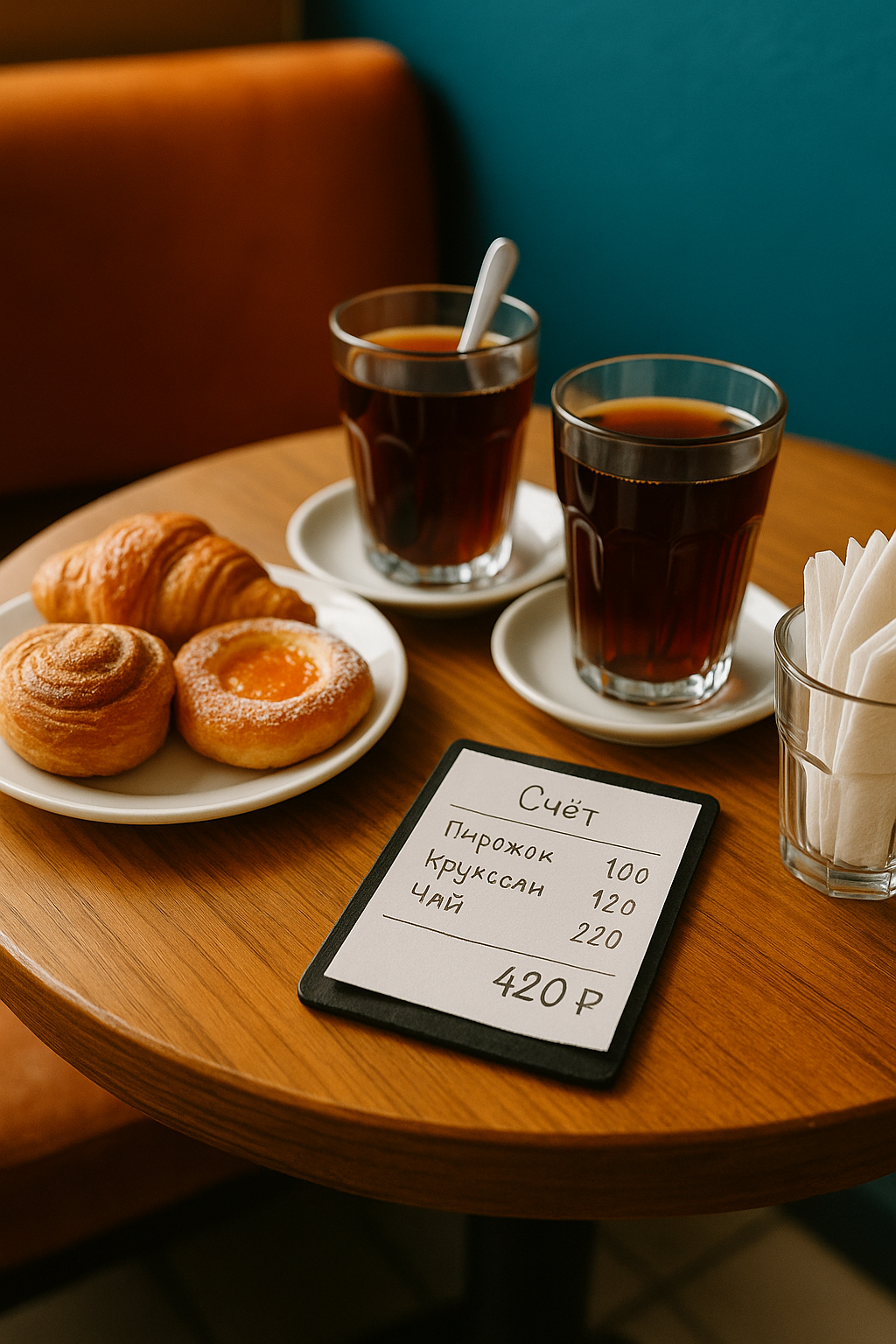
Numbers in Russian are far more than a dry grammar topic; they are woven into daily life in ways that are both practical and culturally revealing. Whether you’re buying fruit at a market, arranging a meeting, or talking about history, numbers constantly appear—and they behave differently in Russian than in English. For learners, this can be one of the most intimidating areas of the language because Russian numbers are not just words. They interact with cases, change endings, and affect the grammar of the entire sentence. Yet, once you see them in context, numbers become less of a challenge and more of a key that opens countless everyday situations.
Many students first learn to count in Russian—один, два, три, четыре, пять—and think they’ve mastered the basics. But then reality sets in: when you want to say “two apples,” suddenly you face case endings (два яблока), or when you ask the time, you need to know why “It is five o’clock” is Сейчас пять часов, not пять час. Even dates come with twists: “May 9th” is not май девятый but девятое мая. Understanding these subtleties transforms numbers from a confusing obstacle into a practical tool that makes communication smoother in shops, on the street, or in conversations with friends.
In this article, we’ll explore Russian numbers in three key contexts: shopping, dates, and telling time. We’ll look at the grammar behind them, the cultural habits tied to numbers, and practical phrases you can start using immediately. By the end, you’ll be able to confidently handle the numerical side of Russian life without hesitation.
The Basics: Russian Numbers at a Glance
1–10: один, два, три, четыре, пять, шесть, семь, восемь, девять, десять
11–20: одиннадцать, двенадцать, тринадцать… двадцать
Tens: тридцать, сорок, пятьдесят, шестьдесят, семьдесят, восемьдесят, девяносто
Hundreds: сто, двести, триста, четыреста, пятьсот, шестьсот, семьсот, восемьсот, девятьсот
Thousands: тысяча, две тысячи, три тысячи, четыре тысячи…
The main challenge is not memorizing numbers but learning how they change with cases and affect the nouns that follow.
Numbers in Shopping: Prices and Quantities
Shopping is one of the most common places you’ll need numbers in Russian. From markets to supermarkets to cafes, numbers are everywhere.
Quantities
Russian numbers affect the form of the noun they describe:
один яблоко (one apple, nominative singular)
два яблока (two apples, genitive singular)
пять яблок (five apples, genitive plural)
Rule of thumb:
After 1 → nominative singular
After 2, 3, 4 → genitive singular
After 5 and higher → genitive plural
Examples:
Один банан – one banana
Три банана – three bananas
Шесть бананов – six bananas
Prices
Prices are expressed with рубль (ruble) and копейка (kopeck). These nouns change depending on the number.
1 рубль
2, 3, 4 рубля
5 рублей
1 копейка
2, 3, 4 копейки
5 копеек
Example at a store:
Сколько стоит яблоко? – How much is the apple?
Оно стоит пятьдесят рублей. – It costs fifty rubles.
Practical Shopping Phrases
Сколько стоит…? – How much does … cost?
Дайте, пожалуйста, два килограмма яблок. – Give me two kilograms of apples, please.
Можно один батон хлеба? – May I have one loaf of bread?
Numbers in Dates: Calendar Talk
Dates are essential in everyday Russian life—whether talking about history, setting appointments, or remembering holidays.
The Structure of Dates
Dates in Russian use the ordinal number + month in the genitive case.
Первое мая – May 1st
Девятое мая – May 9th
Тридцатое декабря – December 30th
Notice: the ordinal number agrees in gender with число (date), which is neuter. That’s why it ends in -ое.
Saying the Year
Years are expressed with ordinal numbers too, in the genitive case.
в тысяча девятьсот сорок пятом году – in 1945
в две тысячи двадцать пятом году – in 2025
The word год changes depending on the number:
1 год
2, 3, 4 года
5+ лет
Everyday Date Phrases
Какое сегодня число? – What’s today’s date?
Сегодня первое апреля. – Today is April 1st.
Когда твой день рождения? – When is your birthday?
Мой день рождения двадцатого июля. – My birthday is July 20th.
Numbers in Time: Hours and Minutes
Telling time in Russian has its own rules and expressions.
Hours
1:00 – час
2:00 – два часа
3:00 – три часа
5:00 – пять часов
Pattern:
1 → час
2, 3, 4 → часа
5+ → часов
Minutes
Minutes also change depending on the number.
1 минута
2, 3, 4 минуты
5+ минут
Examples:
Сейчас три часа пять минут. – It is 3:05.
Сейчас пять часов пятнадцать минут. – It is 5:15.
Conversational Time
Russians often use fractions of the next hour to tell time:
половина четвёртого – half past three (literally “half of the fourth hour”).
четверть пятого – a quarter past four.
без десяти семь – ten minutes to seven.
Everyday Phrases for Time
Который час? – What time is it?
Сейчас полдень. – It’s noon.
Мы встретимся в три часа. – We will meet at three o’clock.
Поезд приходит в семь часов двадцать минут. – The train arrives at 7:20.
Cultural Notes on Numbers
Round numbers in speech. Russians often approximate prices or times: около пяти часов (around five o’clock).
Symbolic numbers. The number 7 is lucky, 13 is sometimes considered unlucky.
Birthday milestones. 18, 21, 30, 50 are culturally significant.
Victory Day. Russians instantly recognize девятое мая (May 9th) as Victory Day.
Practice Dialogues
At the market:
Shopper: Сколько стоит килограмм картошки?
Seller: Двадцать пять рублей.
Shopper: Дайте, пожалуйста, три килограмма.
At the doctor’s office:
Patient: Когда следующий приём?
Receptionist: Двадцать второго марта, в десять часов утра.
Making plans:
Friend A: Который час?
Friend B: Сейчас без пятнадцати восемь.
Friend A: Тогда встретимся в девять.
FAQs About Russian Numbers in Context
Q: Why do nouns change after numbers?
A: Because Russian uses cases. Numbers affect the case and form of the noun that follows.
Q: Do I always need ordinal numbers for dates?
A: Yes, for the day of the month. Example: пятое мая (May 5th).
Q: Is “half past” expressed the same way as in English?
A: No. Russians say половина of the next hour. “Half past three” is половина четвёртого.
Q: What’s the difference between год, года, and лет?
A: It depends on the number. 1 → год, 2–4 → года, 5+ → лет.
Q: How do I say “in 2025”?
A: в две тысячи двадцать пятом году.
Q: Are numbers easier in casual speech?
A: Yes. Many Russians simplify in conversation: в три часа instead of the full в три часа дня.
Q: How should I practice numbers?
A: Role-play shopping, ask about dates, and practice telling the time with a clock.
Final Thoughts
Numbers in Russian are not just grammar—they are tools for living everyday life. From buying bread at the market, to setting a date, to meeting someone at a specific hour, numbers shape interactions constantly. While their grammar may seem complex at first, once you see patterns and practice them in context, numbers become second nature. Mastering them means you can shop confidently, plan smoothly, and sound far more natural in Russian.
At Polyglottist Language Academy, we focus on making Russian practical, showing students how to apply grammar and vocabulary in real-life contexts like shopping, time-telling, and dates. Our Russian classes combine cultural insights with clear explanations, so you don’t just learn numbers—you learn to live them. Sign up today and take the first step toward using Russian in everyday life.