
Italian Street Food: A Region-by-Region Guide
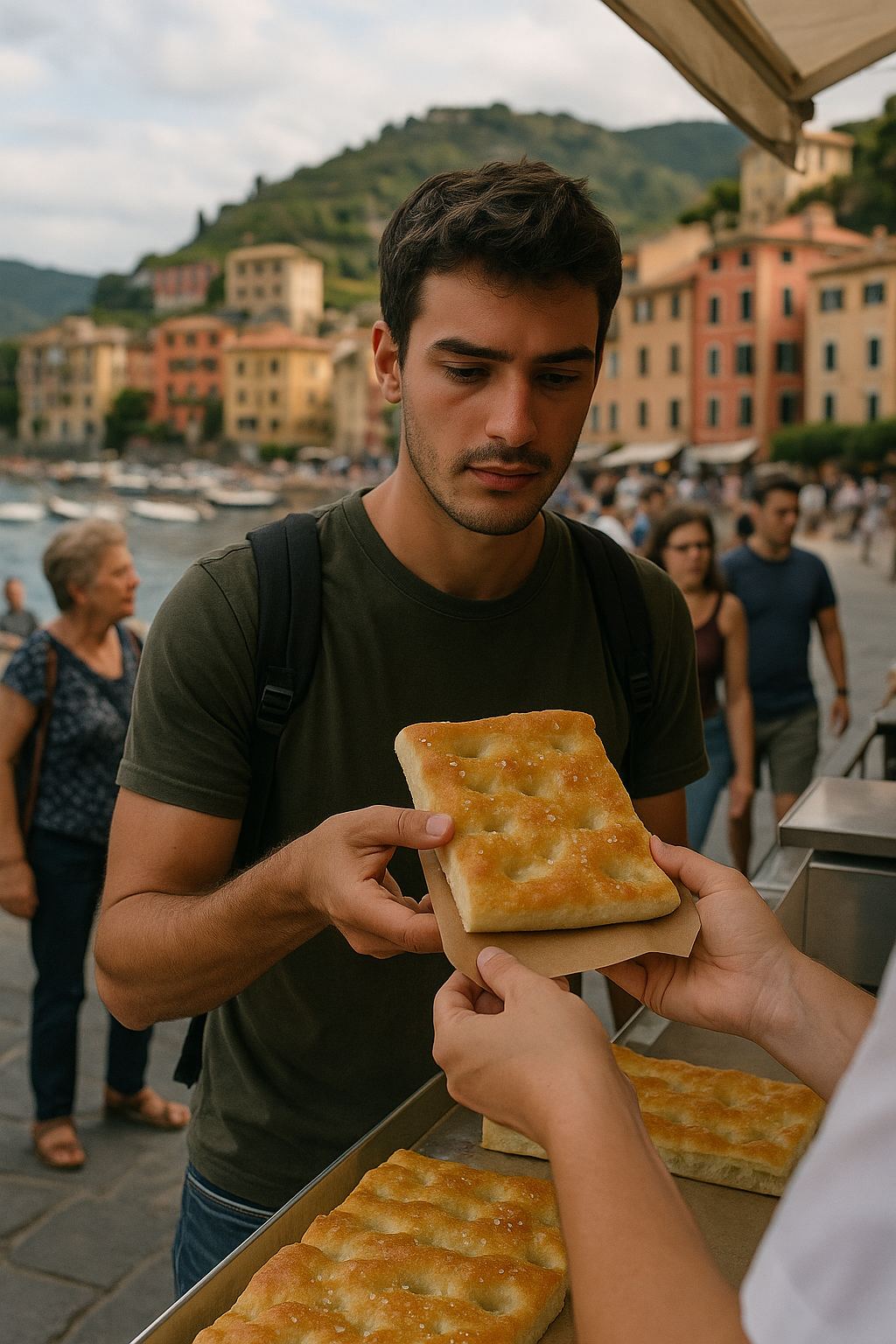
Street food in Italy is more than just a quick bite—it is a window into the soul of each region, a living testimony of history, tradition, and culinary ingenuity that has been perfected over centuries. Unlike in many countries where street food is considered informal or secondary to restaurant dining, in Italy it holds a place of pride. It tells stories of migration, of local ingredients transformed into handheld masterpieces, and of communities gathering around markets and stalls. Every region has its own specialties, from the golden fried delights of Naples to the savory flatbreads of Emilia-Romagna, and each bite carries with it centuries of cultural memory.
What makes Italian street food so captivating is that it is at once deeply traditional and endlessly inventive. In Sicily, you’ll find recipes that date back to Arab influences, such as arancini and panelle. In Rome, the humble pizza al taglio is not just food—it’s a way of life. In Bologna, tigelle and piadine reveal how bread can become a canvas for regional flavors. And in Venice, cicchetti (small bites often served with wine) show how street food can also be elegant, social, and celebratory. Each city, each town, and even each neighborhood might have its own iconic snack that locals swear by.
Street food in Italy is also tied to geography. Coastal towns lean on seafood—fried anchovies, octopus skewers, or fritto misto—while inland regions embrace pork, beef, and cheese. Mountain villages craft hearty handheld foods designed to fuel workers, while southern regions turn abundant sunshine into tomatoes, olives, and herbs that perfume their street snacks. These foods are affordable, accessible, and designed to be eaten with your hands, often on the move or in bustling piazzas.
But Italian street food is not just about the food itself—it’s about how it’s experienced. Eating a slice of pizza bianca hot from a Roman bakery oven, grabbing a paper cone of fried seafood on a Neapolitan pier, or savoring a Sicilian cannolo at a late-night festival are cultural moments as much as culinary ones. Street food belongs to everyone, from students on tight budgets to businessmen grabbing a quick bite, from tourists discovering flavors for the first time to grandmothers tasting their childhood in each mouthful.
In this article, we’ll take a region-by-region tour of Italian street food, exploring the unique specialties that define each area, the cultural stories behind them, and the vocabulary you need to enjoy them like a local. Whether you are traveling to Italy or simply learning the language, this guide will give you a delicious new way to appreciate Italian culture—one bite at a time.
Northern Italy
Liguria – Focaccia & Farinata
Liguria’s contribution to street food is simple yet iconic. Focaccia—a flat, oven-baked bread drizzled with olive oil and sprinkled with salt—has countless variations. Locals eat it for breakfast dipped in cappuccino, as a snack, or stuffed with cheese. Another favorite is farinata, a thin, savory pancake made from chickpea flour, crisp at the edges and soft inside, often sold hot from wood-fired ovens.
Piedmont – Grissini & Panissa
Piedmont gave the world grissini, those long, thin breadsticks now found globally. But the real street food treasure here is panissa, a risotto-like dish made into patties and fried, rich with beans, rice, and pork fat.
Veneto – Cicchetti
Venice redefines street food with its cicchetti culture. These small bites—fried mozzarella, marinated anchovies, crostini with toppings—are often served with a glass of wine (ombra). Eating cicchetti in a Venetian bacaro (wine bar) is not just food—it’s a social ritual.
Emilia-Romagna – Piadina & Tigelle
This region is famous for flatbreads like piadina (thin, round bread filled with cured meats, cheeses, or greens) and tigelle(small round breads filled with lardo, cheese, or pesto). These are quick, portable meals that showcase Emilia-Romagna’s rich culinary traditions.
Lombardy – Panzerotti
In Milan, panzerotti rule the street food scene. These are fried dough pockets stuffed with tomato and mozzarella, crispy on the outside and gooey inside—ideal for a quick bite between fashion shows or business meetings.
Central Italy
Tuscany – Lampredotto
Perhaps the most iconic Florentine street food is lampredotto, a sandwich made with the fourth stomach of the cow, slow-cooked in broth and served on a crusty roll with salsa verde. What might sound unusual is beloved by locals for its rich, tender flavor.
Lazio – Pizza al Taglio & Supplì
Rome is synonymous with pizza al taglio—rectangular pizza sold by weight, eaten on the go. Toppings range from simple tomato to zucchini flowers and anchovies. Another Roman classic is supplì, fried rice balls with a mozzarella center, sometimes called supplì al telefono because the melted cheese stretches like a phone line.
Umbria – Torta al Testo
In Umbria, torta al testo is a stuffed flatbread filled with sausage, greens, or cheese, grilled on a traditional stone. It’s rustic, hearty, and perfect for a mountain snack.
Marche – Olive all’Ascolana
Marche’s specialty is olive all’Ascolana—giant green olives stuffed with meat, breaded, and fried. Crunchy, savory, and perfect with a glass of wine, they are a festival favorite.
Southern Italy
Campania – Pizza Napoletana & Cuoppo
Naples is the birthplace of pizza, and grabbing a slice of pizza portafoglio (folded like a wallet) is the ultimate street food experience. Another Neapolitan treasure is cuoppo, a paper cone filled with fried goodies—seafood, zucchini blossoms, or potato croquettes.
Puglia – Panzerotti & Puccia
Puglia’s street food shines with panzerotti (similar to Milan’s but with regional fillings like olives and capers) and puccia, a rustic bread stuffed with cold cuts and vegetables.
Calabria – ’Nduja & Pitta Calabrese
Calabria is fiery, and its street food reflects that. ’Nduja, a spreadable spicy sausage, often fills sandwiches, while pitta calabrese (a type of stuffed bread) makes a hearty snack.
Sicily – Arancini, Panelle, & Cannoli
Sicily might be the crown jewel of Italian street food. Arancini (fried rice balls) come with various fillings—meat, peas, mozzarella. Panelle, chickpea fritters, are eaten in sandwiches. And no visit is complete without cannoli, crispy pastry tubes filled with sweet ricotta.
Sardinia – Seadas
This island’s sweet street food, seadas, are pastries filled with cheese, fried, and drizzled with honey—a unique blend of savory and sweet.
Why Italian Street Food Matters
Italian street food is not just about convenience—it’s about identity. Each dish reflects geography, history, and tradition. Street food shows how Italians turn simple, local ingredients into something extraordinary. And for language learners, exploring this vocabulary gives you an authentic way to connect with culture.
FAQs: ITALIAN STREET FOOD
Q: Is Italian street food just pizza and gelato?
Not at all! Every region has unique street foods, many of which are little-known outside Italy.
Q: Is street food cheaper than eating in restaurants?
Yes. Street food is designed to be affordable and accessible, making it a great option for travelers.
Q: Are there vegetarian options in Italian street food?
Definitely—panelle, focaccia, farinata, and many pizza al taglio options are vegetarian.
Q: Do Italians really eat street food often?
Yes. From busy workers grabbing lunch to families enjoying festival snacks, street food is part of daily life.
Q: What vocabulary should I know when ordering?
Learn words like al taglio (by the slice), ripieno (stuffed), fritto (fried), and con (with).
Q: Is street food safe to eat?
Absolutely. Italian street vendors often take great pride in quality and freshness.
Q: Can I find street food at night?
Yes, especially in cities like Naples, Palermo, and Rome, where night-time snacking is common.
Q: How do Italians talk about street food?
They use words like sfizio (a little indulgence) and spuntino (snack) to describe these bites.
Final Thoughts
Street food in Italy is a culinary map of the nation’s heart. Each bite tells you where you are—whether it’s the saffron-scented arancini of Sicily, the delicate focaccia of Liguria, or the fiery ’nduja of Calabria. Learning about these foods is not just a matter of taste, but also of language and culture.
At Polyglottist Language Academy, we believe the best way to learn a language is through its culture—and what better way than food? Our Italian classes weave in culinary vocabulary, cultural insights, and real-world dialogues so you can order your favorite street food with confidence. Sign up today for our classes—online or in-person—and taste the Italian way of life through words.
And if this article made you hungry for more, check out our other posts:
Why Italians Live With Their Parents Longer (And What It Says About Culture)
How Italians Really Eat Pasta (And The Rules Tourists Break)
How Italians Really Speak: Street Italian Vs. Textbook Italian
Italian Language Meets Italian Lifestyle: What You Can Only Learn On The Ground
Learning Italian In San Francisco: Best Places, Classes, And Meetups