
The Culture of Slow Food in Italy: Why Meals Last for Hours
Introduction
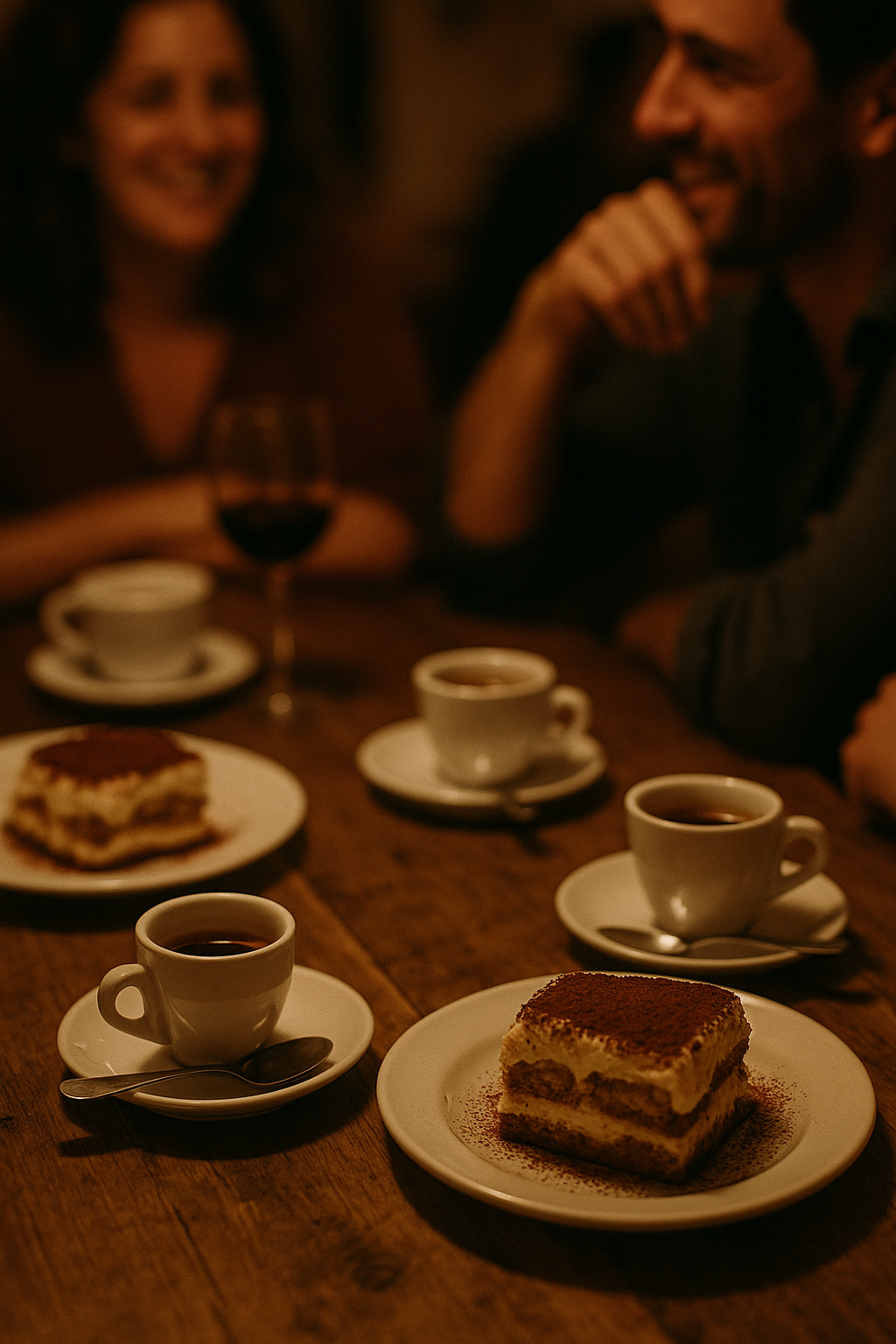
One of the most striking things newcomers to Italy notice is how much time Italians dedicate to eating—not just the act of consuming food, but the ritual of sitting together, talking, laughing, debating, and savoring every bite. Meals in Italy can stretch far beyond what many outsiders expect: a simple Sunday lunch can last four hours, while a festive dinner may go late into the night. For Italians, food is never just fuel; it is a celebration of life, a reaffirmation of bonds, and a cultural statement about what it means to live well.
This way of dining is more than a quirk of habit—it is deeply tied to Italy’s philosophy of slow food, a movement born in the 1980s but rooted in traditions that stretch back centuries. In an age dominated by fast food, rushed schedules, and “grab-and-go” eating, Italians remain fiercely loyal to the idea that meals deserve time, attention, and reverence. To sit at an Italian table is to participate in a ritual that blends history, family, and pleasure into a single experience.
But why exactly do meals last so long in Italy? The reasons are cultural, historical, and practical. Italians see meals as a cornerstone of social life, a time when families and friends come together. The traditional structure of Italian dining—with multiple courses, wine pairings, and even digestive liqueurs—naturally extends the experience. And perhaps most importantly, Italians embrace the belief that food should never be rushed, because the act of eating is inseparable from the act of living.
In this article, we’ll explore the culture of slow food in Italy: where it comes from, what it means in practice, how it shapes Italian identity, and why meals are designed to last for hours. By the end, you’ll understand why dining in Italy is not just a matter of taste, but of philosophy—and why, if you really want to experience the Italian lifestyle, you must learn to slow down at the table.
The Origins of the Slow Food Movement
Though Italians have long valued unhurried meals, the official Slow Food Movement began in 1986, when Carlo Petrini and a group of activists protested against the opening of a McDonald’s near the Spanish Steps in Rome. Their message was simple but powerful: fast food, with its emphasis on speed and uniformity, threatened the cultural and culinary traditions that made Italy unique.
From this protest grew a global movement that emphasized local traditions, regional ingredients, and the pleasure of eating together. Slow Food became not just an Italian idea but an international philosophy, with chapters in dozens of countries. Yet its soul remains distinctly Italian, rooted in the nation’s deep respect for food as both sustenance and art.
Meals as a Social Institution
To understand why meals last for hours in Italy, you need to understand that eating is never a solitary activity in Italian culture. Food is social glue.
Family Meals: In many Italian households, lunch or dinner is the moment when everyone comes together, no matter how busy the day has been.
Festive Gatherings: Birthdays, holidays, and Sundays are celebrated with marathon meals that bring extended family to the table.
Cultural Norms: Italians find it unusual to eat quickly and alone. Even workers often take extended lunch breaks (the pausa pranzo) to enjoy a proper meal.
For Italians, rushing through food feels like rushing through life itself.
The Structure of an Italian Meal
Another reason meals last for hours is their structure. A traditional Italian meal is not just one plate of food—it is a carefully designed progression of courses.
Aperitivo – Light drinks (often Prosecco or Aperol Spritz) with small snacks, meant to open the appetite.
Antipasto – Appetizers such as cured meats, cheeses, olives, or bruschetta.
Primo – The first course, usually pasta, risotto, or soup.
Secondo – The main course, typically meat or fish.
Contorno – Side dishes like vegetables or salad, served separately.
Formaggi e frutta – Cheese and fruit to cleanse the palate.
Dolce – Dessert, such as tiramisù, panna cotta, or seasonal cakes.
Caffè – A small, strong espresso to aid digestion.
Digestivo – A liqueur like grappa, amaro, or limoncello to end the meal.
Not every meal has all of these elements, of course, but festive or formal occasions often do. Even an everyday dinner may stretch to two hours because conversation flows alongside food.
Regional Traditions and the Pace of Eating
Italy is a mosaic of regional cultures, and meal traditions vary from north to south.
Northern Italy: Meals often emphasize risotto, polenta, and hearty meat dishes, paired with local wines. Extended family lunches on Sundays can last the entire afternoon.
Central Italy: Tuscan meals celebrate rustic simplicity, with long dinners often centered around grilled meats and seasonal vegetables.
Southern Italy: Meals are particularly lively, with multiple antipasti and seafood courses, often followed by hours of storytelling and music.
In all regions, the tempo of eating is unhurried. It’s not uncommon for lunch to start at 1:00 pm and end around 4:00 pm, or for dinner to continue late into the night.
Why Meals Last for Hours
So why do Italians embrace such lengthy meals? Several factors come together:
Conversation Matters: Italians view meals as opportunities for meaningful dialogue. Talking, laughing, debating, and storytelling are as important as the food itself.
Food as Celebration: Meals mark life’s moments—birthdays, weddings, holidays—and Italians see them as worth celebrating fully.
Course Progression: The traditional structure of meals naturally extends time. Each course creates space for digestion, conversation, and appreciation.
Respect for Food: Italians believe in savoring ingredients. To rush a meal is to disrespect the farmer, the cook, and the culture behind it.
Health Benefits: Eating slowly is believed to aid digestion, improve portion control, and enhance enjoyment.
The Role of Wine and Liqueurs
Wine and after-dinner drinks also extend meals. A bottle of local wine is often shared over the course of dinner, with toasts, pauses, and discussions in between sips. After dessert, a digestivo may appear, encouraging guests to linger even longer.
These rituals aren’t about excess but about pacing—every stage of the meal is designed to slow life down.
Slow Food as Philosophy of Life
The slow food mentality is more than eating—it’s about living. Italians see meals as a metaphor for life itself: rich, layered, and worth savoring. Just as you wouldn’t gulp down a fine Barolo wine in one breath, you shouldn’t rush through life without appreciating its details.
This mindset influences everything from Italian holidays to daily habits. Cafés may be busy, but you’ll rarely see Italians rushing with giant paper coffee cups. Espresso is consumed quickly but socially, often standing at the bar and chatting. Meals, meanwhile, are deliberately stretched out as a counterbalance to life’s demands.
The Slow Food Movement Abroad
The Slow Food Movement has spread far beyond Italy, inspiring people around the world to embrace local food traditions, sustainable agriculture, and longer meals. Yet in Italy, it isn’t a trend—it’s a reaffirmation of what Italians have always done.
For language learners and travelers, participating in an Italian meal is one of the best ways to understand the culture. It’s not just about what you eat but how you eat—and with whom.
FAQs: The Culture of Slow Food in Italy
1. Why do Italians take so long to eat?
Because meals are social events, not just about food but also about conversation, family, and tradition.
2. Do Italians always eat nine courses?
Not daily. The full progression is reserved for special occasions, but even everyday meals are usually multi-course and unhurried.
3. Is the Slow Food Movement the same as traditional Italian dining?
The movement formalized and promoted traditional Italian values of unhurried, sustainable meals, but Italians have embraced slow dining for centuries.
4. How long is a typical Italian meal?
Lunch may last 1–2 hours, while festive meals can last 3–5 hours or longer.
5. Do Italians eat slowly for health reasons?
Health benefits exist, but the primary motivation is cultural—eating is a time for social connection and pleasure.
6. Is fast food popular in Italy?
Fast food exists but is far less dominant than in many other countries. Italians generally prefer local, fresh options.
7. Do Italians eat breakfast slowly too?
No. Italian breakfasts are quick and light—usually a pastry and espresso. The long meals are reserved for lunch and dinner.
8. How can travelers experience a slow Italian meal?
Visit a traditional trattoria or join a family gathering. Expect multiple courses, wine, and lots of conversation—don’t rush!
Conclusion and Call to Action
The culture of slow food in Italy reminds us that eating is about far more than calories—it is about community, tradition, and joy. Meals last for hours because they are designed to nourish not only the body but also the soul. Every plate, every pause, every toast is part of a larger philosophy: life is to be savored, not hurried.
At Polyglottist Language Academy, we bring this same philosophy to language learning. Just as Italians savor each course of a meal, we believe in savoring every step of your learning journey. Our Italian classes go beyond grammar to immerse you in culture, conversation, and the rhythms of daily life. If you’re ready to experience Italian as more than words on a page, sign up for our classes today and discover the true flavor of the language.
Explore More on Our Blog
If you enjoyed this article, you’ll love our other posts on Italian culture and language:
From Pasta To Prosecco: What Food Teaches You About Italian Language
Speaking Italian At The Market: What To Say (And What Locals Expect)
Italian Coffee Culture Explained: What To Say (And What Never To Do)
Friuli-Venezia Giulia: Multicultural Borderlands And Underrated Wines
Aperitivo, Passeggiata & More: Everyday Italian Culture Through Language
Valle D’Aosta: Castles, Mountains, And The Taste Of Fontina Cheese
From Opera To Espresso: Explore Italian With Classes In Oakland
Calabria: Rugged Coastlines, Spicy Dishes, And Untouched Villages