
Why Italians Dress Well Even to Buy Bread
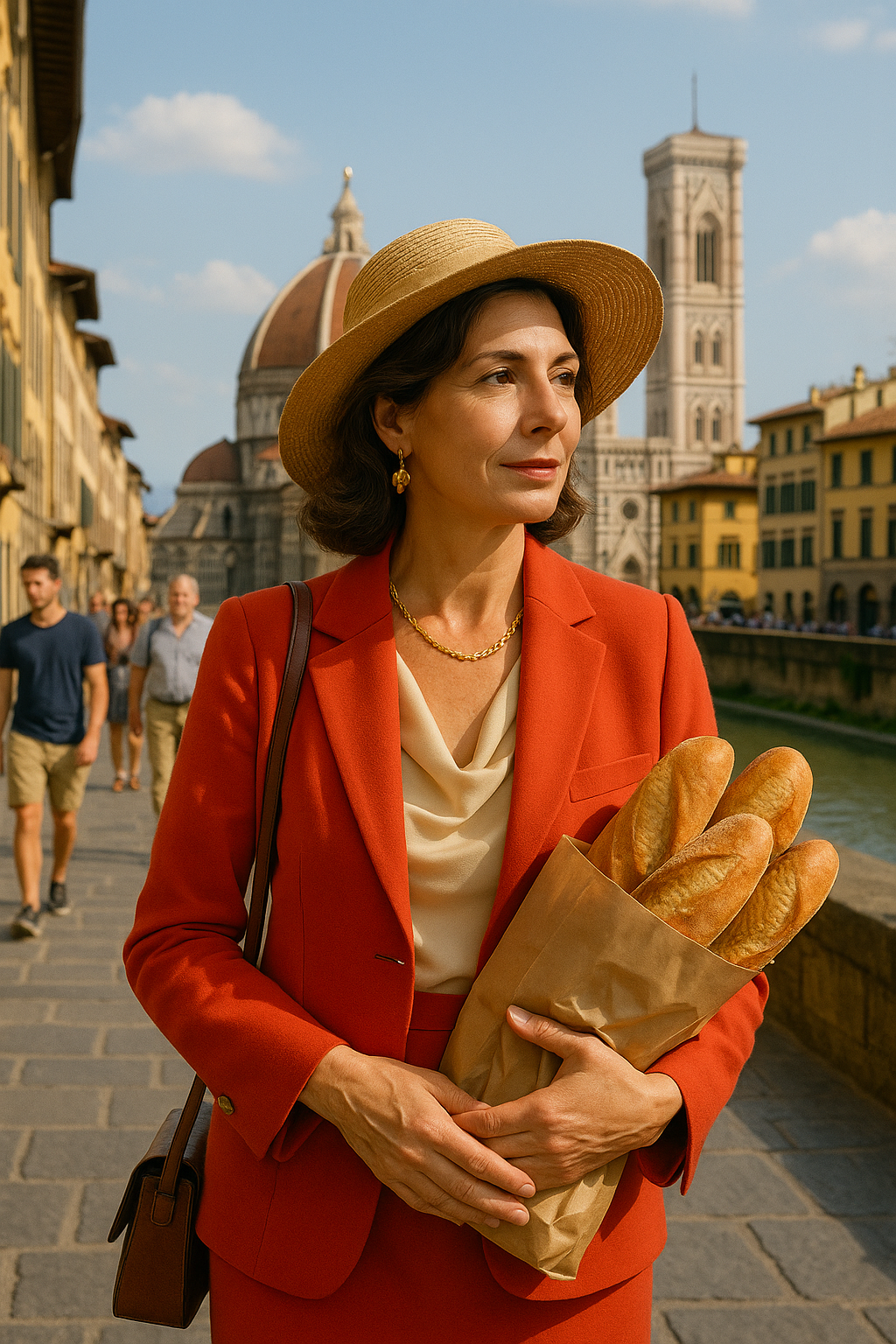
In Italy, stepping out to the bakery for a loaf of bread can feel like a miniature fashion show. While in many parts of the world people run errands in sweatpants or gym clothes, Italians have a reputation for treating even the simplest daily outings as opportunities to present themselves with care. It’s not necessarily about designer labels or high-end fashion—it’s about style, dignity, and the cultural philosophy of bella figura. This concept, which roughly translates to “making a good impression,” permeates Italian life and explains why an Italian grandmother in a small town might pair her pearl earrings with a tailored coat just to stroll down the street, or why a young professional might wear polished shoes and a crisp shirt even when only popping out for groceries.
The Italian attitude toward dress is not born out of vanity but rather tradition. For centuries, appearance has been tied to respectability, family pride, and social interaction. Clothing is not viewed as a private matter but as part of one’s dialogue with the world. The idea is simple yet profound: how you look is part of how you communicate. And Italians, who value conversation, connection, and culture so deeply, extend that same care to their personal presentation.
Fashion in Italy is not something that exists only on Milanese runways or in glossy magazines—it lives on the cobblestone streets, in the bustling markets, and yes, even in the corner bakery. A well-dressed appearance signals self-respect and attentiveness to detail. It is also practical: Italian tailoring and fabrics are designed to fit comfortably while looking elegant, proving that style does not have to be sacrificed for everyday life. For Italians, the act of getting dressed is not an inconvenience but a small daily ritual of pride and identity.
This article will explore why Italians dress well even for the smallest errands. We’ll examine cultural traditions, the influence of history and geography, the role of bella figura, regional differences, and the unspoken social codes that guide Italian dress. By the end, you’ll see that Italian style is less about luxury than about consistency, less about brands than about philosophy. And as a language learner, understanding this mindset will not only give you new vocabulary but also a deeper appreciation for how Italians live their daily lives with elegance.
1. The Philosophy of Bella Figura
At the heart of Italian dressing is the concept of bella figura. More than “looking good,” it means presenting yourself in a way that shows respect for others and yourself. To make a bella figura is to embody dignity, harmony, and confidence. This idea is deeply ingrained in Italian culture and extends beyond clothing to behavior, manners, and even posture.
Dressing well, even to buy bread, is part of making a bella figura. It communicates that you take pride in yourself, that you respect the people you encounter, and that you are aware of your social presence.
2. Historical Influences: From Renaissance to Runway
Italy’s deep history of art, design, and fashion plays a major role in shaping attitudes toward dress. Cities like Florence and Milan have long been centers of textile production and style innovation. During the Renaissance, clothing was already an essential marker of social identity, and Italians have carried forward the idea that appearance is a cultural expression.
Today, Milan stands as one of the fashion capitals of the world, but the emphasis on personal style is not confined to the wealthy. The influence of historical artistry has filtered into everyday life, creating a cultural expectation that Italians naturally uphold.
3. Everyday Elegance vs. Special Occasion Dressing
In many countries, dressing well is reserved for weddings, parties, or important meetings. In Italy, everyday life itself is an occasion worth dressing for. This does not mean wearing haute couture to the bakery, but it does mean putting thought into one’s appearance. Clean, well-fitted clothing, polished shoes, and coordinated accessories are considered minimum standards.
Italians believe that beauty belongs to daily life, not just to rare events. This philosophy explains why you’ll see stylish coats and scarves at open-air markets and perfectly pressed trousers on the morning coffee run.
4. Regional Variations in Italian Style
Italy’s regional diversity is reflected in its fashion habits.
Milan & Northern Italy: Known for sleek, modern, minimalist looks—muted colors, tailored coats, high-quality fabrics.
Rome & Central Italy: A balance of elegance and tradition, with classic tailoring and a touch of drama.
Naples & Southern Italy: Bold colors, expressive patterns, and flamboyant accessories.
Small Towns & Villages: Practical, timeless style with a touch of formality. Even in rural areas, people maintain dignity in their clothing choices.
5. Social Expectations and Community
In Italy, life happens in public spaces: piazzas, cafes, bakeries, and markets. This means you are constantly seen by others, not just in private but in communal life. Dressing well is part of being part of the community, showing respect for shared spaces, and participating in a culture where appearances are part of social dialogue.
Italians do not necessarily judge by brand names but by neatness, coordination, and attention to detail. Wearing wrinkled clothes or mismatched outfits is often perceived as careless, not just for yourself but for those around you.
6. The Role of Tailoring and Fit
One reason Italians always appear stylish is their emphasis on tailoring. Clothes are chosen for fit, not just fashion. A simple shirt or jacket looks polished if it fits perfectly. Italians prefer fewer pieces of higher quality over wardrobes full of disposable clothing. This attitude makes it easier to look well-dressed daily—because every piece is chosen with care.
7. Accessories as a Statement
From sunglasses in Milan to silk scarves in Florence, accessories are integral to Italian style. They add personality without sacrificing elegance. Even at the bakery, a pair of well-chosen shoes, a stylish belt, or a tasteful handbag completes the look. Accessories elevate the everyday outfit into something memorable.
8. Practical Style: Function Meets Beauty
Italian fashion is not about suffering for beauty. Comfortable fabrics, breathable materials, and practical shoes are chosen with as much care as elegance. Dressing well daily is possible because Italian style values both practicality and appearance.
9. The Cultural Lesson for Language Learners
For those studying Italian, understanding the culture of dress provides more than vocabulary—it opens the door to Italian values. Words like stile (style), eleganza (elegance), bella figura, and cura (care) reflect a philosophy that blends aesthetics with respect. Learning to speak Italian is also learning to think Italian—and how Italians dress is a powerful reflection of how they think.
FAQs: WHY ITALIANS DRESS WELL EVEN TO BUY BREAD
Q: Do Italians really dress up for everything?
Not exactly. Italians don’t necessarily wear formal clothes, but they do take care to look neat, coordinated, and stylish, even for small tasks.
Q: Is it all about expensive fashion?
No. Italians often choose quality basics and timeless pieces rather than constantly chasing trends. It’s about fit, coordination, and elegance, not price tags.
Q: What is bella figura?
It’s a cultural concept meaning “making a good impression.” It applies to dress, manners, and behavior.
Q: Do young Italians also follow these traditions?
Yes, although styles may be more casual, the idea of looking put together remains important across generations.
Q: Are regional styles very different?
Yes. Northern Italians tend to dress more minimalist, while southern Italians embrace color and flair. But everywhere, neatness and attention to detail are valued.
Q: How can a foreigner avoid standing out as sloppy in Italy?
Choose clean, well-fitted clothes, avoid overly casual gym wear, and pay attention to shoes and accessories.
Q: Is fashion really tied to Italian identity?
Absolutely. Fashion is part of Italy’s cultural heritage and daily life, not just a luxury industry.
Q: Can learning about Italian style help me learn the language?
Yes. Style vocabulary and cultural awareness make conversations richer and give insight into Italian ways of thinking.
Final Thoughts
Italians dress well even to buy bread because, for them, style is not optional—it’s part of life. Rooted in bella figura, shaped by history, and sustained by social expectations, this cultural habit shows us that beauty and dignity belong in the everyday. For language learners, discovering how Italians think about dress is as valuable as learning grammar: it teaches you how Italians see the world.
At Polyglottist Language Academy, we believe that learning a language means embracing its culture, from the food to the fashion. Our Italian courses go beyond vocabulary lists, exploring cultural traditions that make the language come alive. If you’re ready to learn Italian with elegance, sign up for our classes today—online or in-person.
And if you enjoyed this article, check out more insights on Italian culture and language:
Why Italians Live With Their Parents Longer (And What It Says About Culture)
How Italians Really Eat Pasta (And The Rules Tourists Break)
How Italians Really Speak: Street Italian Vs. Textbook Italian
Italian Language Meets Italian Lifestyle: What You Can Only Learn On The Ground
Learning Italian In San Francisco: Best Places, Classes, And Meetups