
The Vocabulary of Italian Fashion: From “Stile” to “Eleganza”
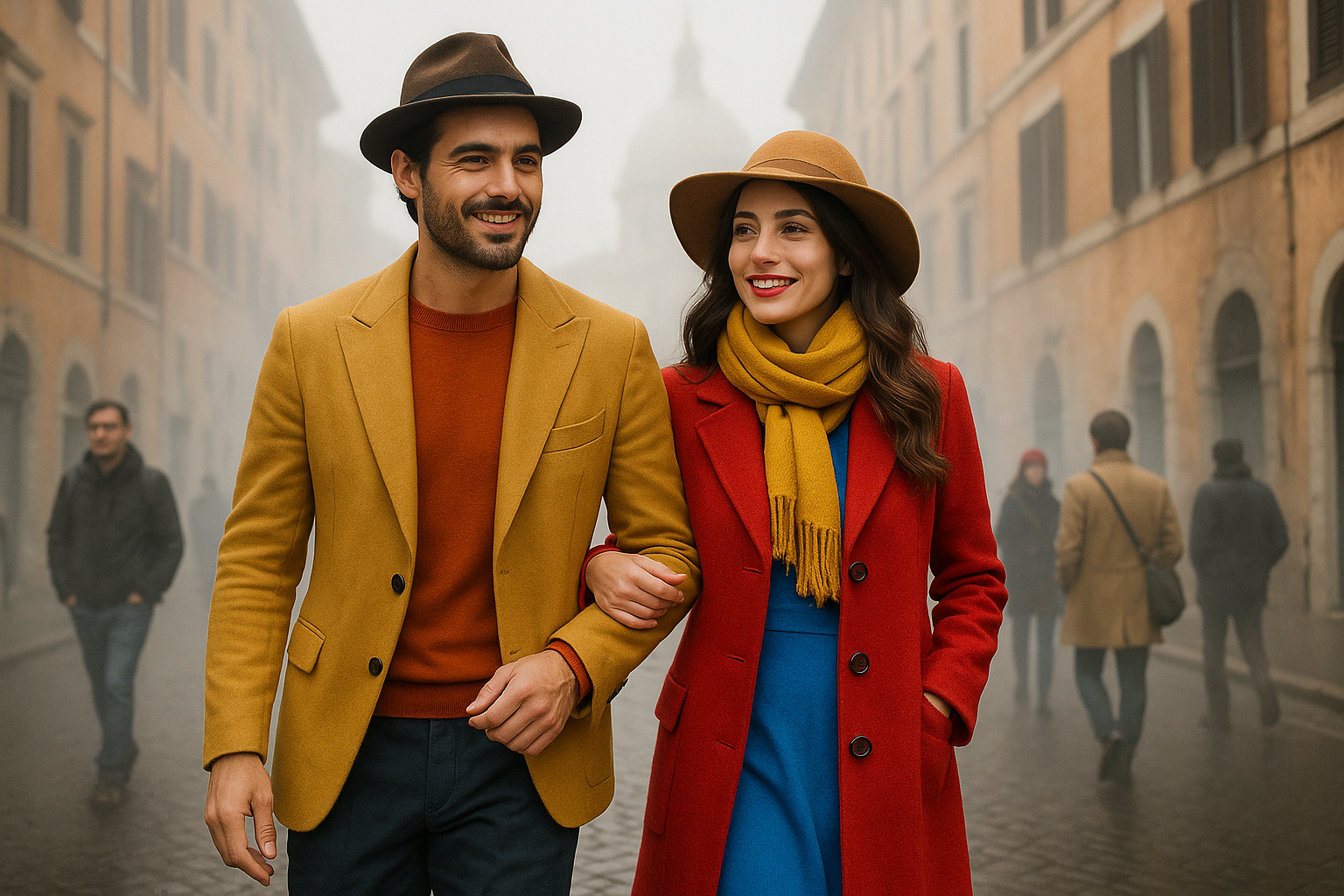
Fashion in Italy is not just an industry or a pastime—it is a cultural language, a way of expressing identity, and a reflection of centuries of artistry that stretches from Renaissance tailoring to today’s runways in Milan. Italians rarely treat clothes as mere fabric stitched together. Instead, they imbue every outfit with personality, with heritage, with intention. And to speak about fashion in Italian is to enter a rich world of vocabulary that goes far beyond brand names and catwalks. Words like stile and eleganza carry nuances that English equivalents can only partially capture. They are terms that embody not just appearance but also philosophy: how one carries oneself, how one presents to the world, and how one interprets beauty.
What makes Italian fashion vocabulary so intriguing is that it doesn’t just describe clothing—it reflects an entire worldview. The Italian language captures subtle shades of meaning that help explain why a plain black dress might be called semplice ma elegante (simple but elegant), or why a well-tailored suit can be spoken of as su misura (made-to-measure), evoking a sense of individuality and craftsmanship. These words are not random; they come from a long tradition of art, design, and cultural pride that goes back centuries. Just as Italians revolutionized painting, sculpture, and architecture during the Renaissance, they also developed a unique approach to fashion—where vocabulary and aesthetics walk hand in hand.
Even in daily life, Italians use this language of fashion as a way of situating themselves socially. Compliments like Hai stile! (You have style!) or observations such as Quella borsa è molto chic (That bag is very chic) are more than passing remarks; they are ways of acknowledging someone’s identity, confidence, and belonging to a culture that prizes aesthetics as much as substance. And when Italians speak of eleganza, they often mean something deeper than appearance—it is a quality of grace and balance that reveals itself in how someone moves, speaks, or even interacts with others.
To walk through Milan’s Quadrilatero della Moda, Florence’s leather workshops, or even a small-town mercato is to see this philosophy in action. A grandmother choosing fabrics with care, a young professional in a perfectly cut suit, or a student with understated but expressive accessories—all of them speak fashion as fluently as they speak Italian. To understand this vocabulary is not simply to expand your dictionary—it is to gain access to the cultural soul of a nation that has taught the world how to live beautifully.
1. Stile – Style Beyond Trends
The word stile (style) lies at the heart of Italian fashion vocabulary. Unlike the English word “style,” which often refers to trends or personal preferences, stile carries deeper connotations. It suggests a coherent identity, a signature way of being. Italians may say someone “ha stile” (has style), and this does not mean they simply follow fashion magazines. Instead, it means their clothing, demeanor, and personality align in a harmonious expression of elegance.
Expressions to Know:
Lo stile personale – personal style
Uno stile unico – a unique style
Stile classico / moderno – classic / modern style
2. Eleganza – The Art of Grace
Few words encapsulate Italian aesthetics better than eleganza. This is not just “elegance” as an adjective for fine clothes. It refers to an attitude of refinement, an ease that makes beauty look natural rather than forced. For Italians, true eleganzacomes from balance: never overdressing, never underdressing, but finding the perfect fit for the occasion.
Expressions to Know:
Eleganza senza sforzo – effortless elegance
Con eleganza – with grace
Un tocco di eleganza – a touch of elegance
3. Moda – Fashion as Movement
The term moda translates as “fashion,” but it stems from the Latin modus, meaning “manner” or “measure.” Italians perceive fashion as part of a larger cultural rhythm, always changing but grounded in heritage. Essere alla moda (to be in fashion) is not just about clothing—it’s about staying attuned to the cultural moment.
Expressions to Know:
Alta moda – high fashion / couture
Fuori moda – out of fashion
Seguire la moda – to follow fashion
4. Accessorio – More Than Accessories
For Italians, gli accessori are never an afterthought. A scarf, handbag, or pair of sunglasses can define an outfit. The right accessorio adds personality and transforms something simple into something chic.
Expressions to Know:
Accessori di lusso – luxury accessories
Un accessorio indispensabile – an essential accessory
5. Sartoria – Tailoring as Art
No discussion of Italian fashion is complete without sartoria. Italian tailoring has been admired for centuries, and the word itself implies mastery of detail. A sarto is not merely a tailor but an artist who molds fabric to body and character.
Expressions to Know:
Un abito su misura – a tailored suit
Sartoria italiana – Italian tailoring
6. Tessuto – Fabrics with Soul
The richness of Italian fashion vocabulary reflects the importance of tessuti (fabrics). Italian textiles, from Como silks to Tuscan wools, are prized worldwide. Italians don’t just wear clothes; they feel fabrics, appreciating textures, weights, and finishes.
Common Fabrics in Italian:
Seta – silk
Lana – wool
Cotone – cotton
Lino – linen
7. Colore – The Palette of Personality
Color in Italian fashion carries symbolic weight. A vestito rosso (red dress) suggests passion, a cravatta blu (blue tie) conveys calm authority, and nero (black) remains the timeless expression of sophistication. Italians often discuss color choices as part of personality rather than simple preference.
8. Calzature – Shoes Define the Look
Shoes are fondamentali (essential). The Italian saying “Si giudica un uomo dalle sue scarpe” (“You judge a man by his shoes”) shows how footwear defines one’s impression. Italian shoe craftsmanship, from Milanese loafers to Florentine leather boots, has earned global respect.
9. Gusto – Taste and Judgment
Fashion in Italy is not just about owning nice clothes but about demonstrating gusto (taste). Someone may wear something simple yet still display buon gusto (good taste) through how they coordinate colors, fabrics, and accessories.
10. Marchi and Case di Moda – Brands and Fashion Houses
Italians speak with reverence about their case di moda (fashion houses): Armani, Valentino, Prada, Dolce & Gabbana, Versace. Each name carries not only prestige but also a vocabulary of its own, influencing global fashion language.
11. Everyday Fashion Vocabulary for Shoppers
If you are in Italy and want to shop like a local, these terms will help:
La vetrina – shop window
Provarsi qualcosa – to try something on
La taglia – size
In saldo – on sale
Un affare – a bargain
12. Cultural Dimension of Fashion Vocabulary
The Italian vocabulary of fashion does more than describe clothing—it reflects a worldview. Words like stile, gusto, and eleganza reveal that fashion is inseparable from lifestyle and values. To learn them is not just to expand vocabulary, but to understand how Italians think about life itself: balanced, intentional, and beautiful.
FAQs: THE VOCABULARY OF ITALIAN FASHION
Q: Is Italian fashion vocabulary useful outside of Italy?
Yes! Many terms—like alta moda or sartoria—are used internationally in the fashion world, and knowing them gives you cultural insight as well as practical language skills.
Q: Do Italians really notice if foreigners use fashion vocabulary?
Absolutely. Using words like eleganza or stile personale correctly shows cultural awareness and earns appreciation.
Q: What’s the difference between moda and stile?
Moda refers to trends, while stile reflects individual expression and coherence. A person may not follow moda but still have impeccable stile.
Q: Is “eleganza” always formal?
Not at all. Italians believe elegance can exist in casual wear if carried with confidence and balance.
Q: What vocabulary should I learn first for shopping?
Start with taglia (size), provarsi (to try on), in saldo (on sale), and vetrina (shop window).
Q: Are fashion-related idioms common in Italian?
Yes. Phrases like fare una bella figura (to make a good impression) often carry fashion-related undertones.
Q: How can I practice fashion vocabulary in Italian?
Read Italian fashion magazines, watch runway shows, or even follow Italian influencers on social media to see these words in real contexts.
Q: Do regional differences exist in fashion vocabulary?
Yes. For example, Florence is known for pelle (leather) terminology, while Milan dominates global alta moda references.
Final Thoughts
The Italian vocabulary of fashion reveals more than how to describe clothes—it teaches a philosophy of elegance, balance, and identity. By learning words like stile, eleganza, sartoria, and gusto, you don’t just improve your Italian—you learn to see the world through Italian eyes.
At Polyglottist Language Academy, we believe language learning is not only about grammar and vocabulary but also about culture. That’s why our Italian courses weave in themes like fashion, food, and history, so you can truly experience the Italian way of life while you learn. If you’re ready to enrich your Italian and add depth to your cultural understanding, sign up today for our classes—online or in-person.
And if you enjoyed this article, don’t stop here—explore more of our insights on Italian culture and language:
Why Italians Live With Their Parents Longer (And What It Says About Culture)
How Italians Really Eat Pasta (And The Rules Tourists Break)
How Italians Really Speak: Street Italian Vs. Textbook Italian
Italian Language Meets Italian Lifestyle: What You Can Only Learn On The Ground
Learning Italian In San Francisco: Best Places, Classes, And Meetups