
Italian Festivals You Should Know (and the Vocabulary They Teach You)
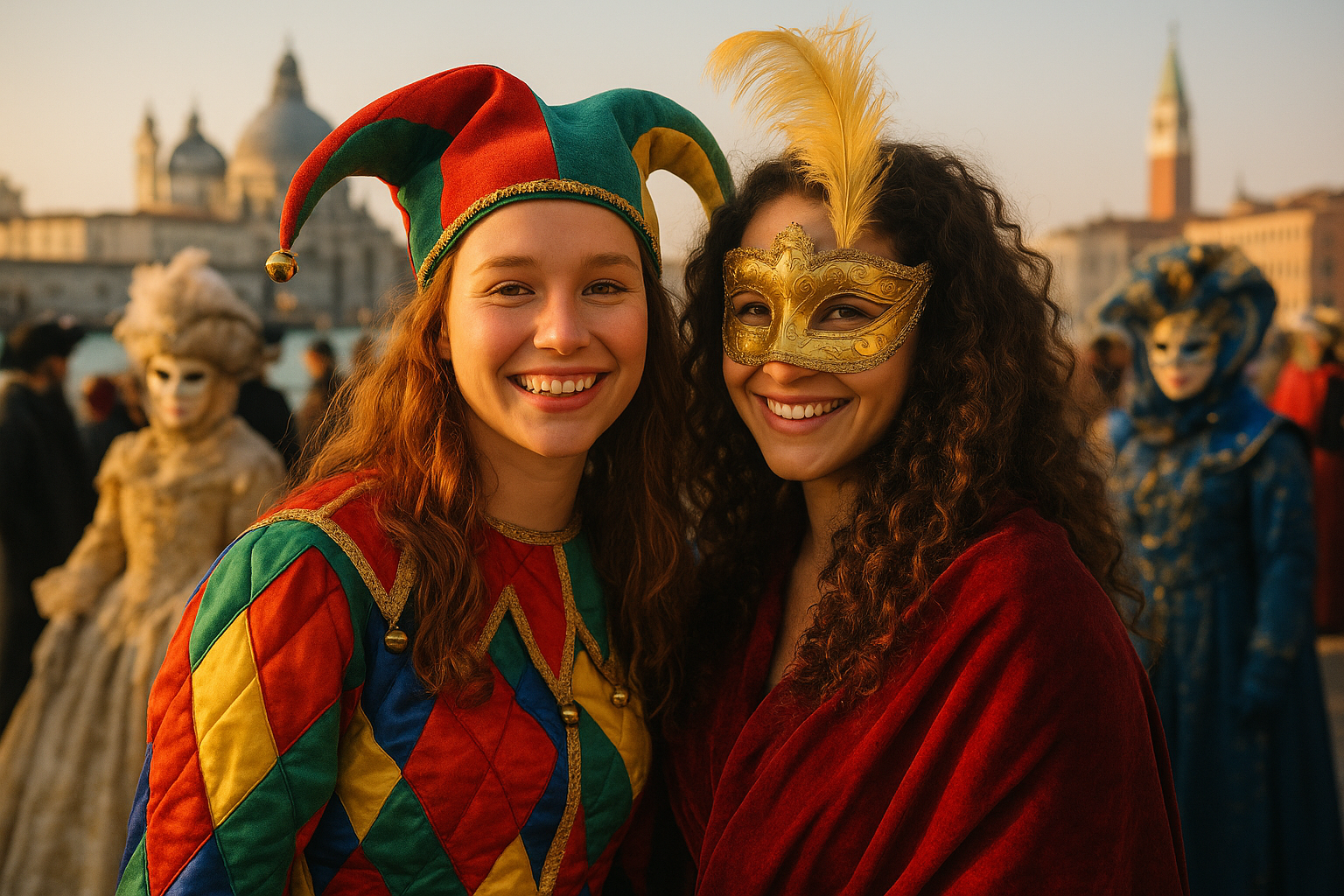
In a country where every piazza feels like a stage and every church bell marks the rhythm of daily life, festivals in Italy are not side notes to the calendar but main events that define the cultural heartbeat of towns and cities. Italians don’t treat festivals as optional amusements—they are collective rituals, woven into the identity of regions, communities, and families. To attend an Italian festival (una festa italiana) is to step into a living tradition where centuries-old customs are not frozen in time but celebrated with vibrant energy. It is to see how Italians transform streets into theaters, food into sacred symbols, and language into an essential part of the spectacle.
Unlike in many cultures where festivals can feel commercialized or geared toward tourists, Italian festivals remain deeply authentic. They are rooted in history, shaped by religion, flavored by local traditions, and energized by a communal joy that brings generations together. From the glittering masks of Venice’s Carnival to the roaring horse race of Siena’s Palio, from the sacred processions of Easter to the exuberant fireworks of Ferragosto, each festival tells a story of what Italians value: beauty, community, resilience, and the art of celebration. These are not isolated events—they are reflections of how Italians see themselves and their place in the world.
The role of language in these festivals cannot be underestimated. Festivals are living language lessons, rich with vocabulary that textbooks rarely capture but that Italians use with ease in the excitement of the moment. Words like maschera (mask), sfilata (parade), benedizione (blessing), and fuochi d’artificio (fireworks) don’t feel abstract when you hear them shouted joyfully in a crowd or sung in traditional chants. Even phrases like “Viva!” or “Auguri!” carry layers of cultural meaning when uttered in the heat of celebration. For a language learner, Italian festivals are immersive classrooms where vocabulary is tied to lived experiences, gestures, and emotions.
What makes these festivals even more fascinating is how they vary from region to region. Italy is famously diverse, and nowhere is this more visible than in its feste. In Sicily, a festival may feel Mediterranean and folkloric, blending religious devotion with lively parades. In Venice, Carnival reflects a history of elegance and mystery, while in Tuscany, harvest festivals reveal a rustic pride in food and wine. In northern cities, traditions often draw on medieval pageantry and civic pride, while in the south, festivals tend to embrace spectacle, music, and abundance. Each region has its own way of celebrating, yet all are united by a shared Italian instinct: to make life beautiful through ritual and community.
Festivals also reflect the Italian balance between sacred and secular, solemnity and joy. Many are tied to Catholic observances—Easter, Christmas, saints’ feast days—yet they are rarely somber. Instead, Italians transform religious milestones into community celebrations, where processions through town end with fireworks, and blessings are followed by feasts. Even in more modern festivals, where religion may play a smaller role, the underlying sense of ritual remains: preparation, anticipation, and a shared moment that marks time as special. Italians know that to celebrate together is to strengthen bonds of family, friendship, and local identity.
For travelers and learners, Italian festivals offer more than beautiful sights—they provide deep insights into Italy’s values and worldview. They reveal how Italians see beauty not as luxury but as necessity, how they find joy in continuity rather than novelty, and how they transform everyday spaces into extraordinary theaters of life. They also remind us of the power of language: every cheer, every song, every phrase used during a festival ties words to emotion, making them unforgettable for those who learn them in context.
In this article, we’ll journey through Italy’s most famous and meaningful festivals, exploring what makes each unique and what vocabulary they can teach you. From Venice’s masks to Siena’s horse races, from Ferragosto’s summer joy to Christmas markets in the north, you’ll see how festivals embody Italy’s spirit of community and beauty. And by learning the words that surround them, you’ll not only deepen your Italian vocabulary but also gain a richer connection to the culture itself.
Carnival of Venice (Carnevale di Venezia)
Perhaps Italy’s most iconic festival, Carnival in Venice is world-famous for its ornate masks, elaborate costumes, and atmosphere of mystery. Rooted in medieval traditions of disguising one’s identity before Lent, Carnival transforms Venice into a city of parades, masquerade balls, and street performances.
Key Vocabulary:
La maschera – the mask
Il costume – costume
Il ballo in maschera – masquerade ball
La piazza – square (where celebrations take place)
Siena’s Palio (Il Palio di Siena)
Held twice a year, in July and August, the Palio is a medieval horse race where Siena’s neighborhoods (contrade) compete fiercely in the city’s main square, Piazza del Campo. It is more than a race—it’s a centuries-old ritual of pageantry, rivalry, and pride.
Key Vocabulary:
La contrada – neighborhood/district
Il cavallo – horse
La corsa – race
La vittoria – victory
Ferragosto
Celebrated on August 15th, Ferragosto is both a Catholic holiday (Assumption of Mary) and a secular one that marks the height of summer. Italians flock to beaches, mountains, or countryside, often enjoying barbecues, fireworks, and communal meals.
Key Vocabulary:
La grigliata – barbecue
Le ferie – holidays/vacation
Il mare – the sea
I fuochi d’artificio – fireworks
La Festa della Repubblica
On June 2nd, Italians celebrate the foundation of the Republic with parades, flag displays, and public events. It’s a day of patriotism and national pride, with Rome hosting the largest military parade.
Key Vocabulary:
La parata – parade
La bandiera – flag
L’inno nazionale – national anthem
La repubblica – republic
Feast of Saint Anthony (Festa di Sant’Antonio)
Saints’ days are celebrated across Italy, but Saint Anthony of Padua’s feast (June 13) is particularly well known. Processions, blessings of animals, and fireworks are common in many towns, connecting Catholic tradition with festive community gatherings.
Key Vocabulary:
Il santo – saint
La processione – procession
La benedizione – blessing
La chiesa – church
The Battle of the Oranges (La Battaglia delle Arance)
In Ivrea, Piedmont, the Carnival celebration takes a dramatic turn with a massive food fight: locals divide into teams and hurl oranges at each other in a symbolic reenactment of rebellion.
Key Vocabulary:
L’arancia – orange
La battaglia – battle
Il carro – cart
Il carnevale – carnival
Easter Week (Settimana Santa)
Throughout Italy, Easter is celebrated with solemn processions, sacred rituals, and community meals. In southern towns like Enna or Taranto, the processions are particularly moving, with hooded participants carrying statues of Christ and the Virgin Mary.
Key Vocabulary:
La Pasqua – Easter
La processione – procession
Il venerdì santo – Good Friday
Il risveglio – resurrection
Christmas Markets and Festivals
Italian Christmas is rich with traditions, from presepi (nativity scenes) to markets filled with sweets and handmade gifts. Towns like Bolzano and Florence host famous Christmas markets that attract visitors from around the world.
Key Vocabulary:
Il presepe – nativity scene
Il mercatino – market stall
Il panettone – Christmas cake
La vigilia di Natale – Christmas Eve
What Festivals Teach Us About Italian Culture
Community First: Festivals are rarely private—they are shared experiences that reinforce bonds.
Ritual and Joy Together: Italians can blend solemn processions with joyous feasting, showing how traditions are celebrated, not endured.
Language in Context: Festivals are living language lessons, teaching words in real-life contexts, where vocabulary connects directly to experiences.
Regional Identity: Each festival is tied to local history, making them windows into Italy’s cultural diversity.
FAQs About Italian Festivals
Q: Do all Italians participate in festivals?
A: While not everyone attends every celebration, most Italians join in local or national festivals, especially those tied to their region.
Q: Are Italian festivals religious or secular?
A: Many began as religious events, but today they often combine religious and secular elements.
Q: What’s the most famous Italian festival?
A: Carnival of Venice is internationally famous, but the Palio of Siena and Ferragosto are equally iconic within Italy.
Q: Do I need to know Italian to enjoy a festival?
A: Not necessarily, but knowing key phrases enhances the experience and helps connect with locals.
Q: Are festivals expensive to attend?
A: Most are free to watch, though special events (like masquerade balls in Venice) may be costly.
Q: What is the busiest festival season?
A: Summer is especially rich with festivals, but important ones occur year-round, including Christmas and Easter.
Q: Do children participate in festivals?
A: Yes, festivals are family-oriented and children often play central roles.
Q: What’s the best way to experience a festival as a visitor?
A: Go beyond watching—eat the food, learn the chants, talk to locals, and use the vocabulary you pick up.
Conclusion
Italian festivals are more than colorful events—they are expressions of history, faith, community, and joy woven into the fabric of everyday life. They provide not only unforgettable experiences but also living lessons in language, giving learners new words, expressions, and cultural insights in the most authentic way possible.
If you’re eager to connect more deeply with Italian culture and experience these festivals with confidence, learning the language is the first step. At Polyglottist Language Academy, we offer Italian classes that go beyond grammar, immersing you in cultural contexts so you can engage with traditions as locals do. Sign up today and bring the vocabulary of Italy’s most beloved festivals into your own life.
Explore More from Our Blog
If you enjoyed this article, check out our other posts:
Why Italians Live With Their Parents Longer (And What It Says About Culture)
How Italians Really Eat Pasta (And The Rules Tourists Break)
How Italians Really Speak: Street Italian Vs. Textbook Italian
Italian Language Meets Italian Lifestyle: What You Can Only Learn On The Ground
Learning Italian In San Francisco: Best Places, Classes, And Meetups