
Dutch Directness: Why It’s Not Rude, Just Honest
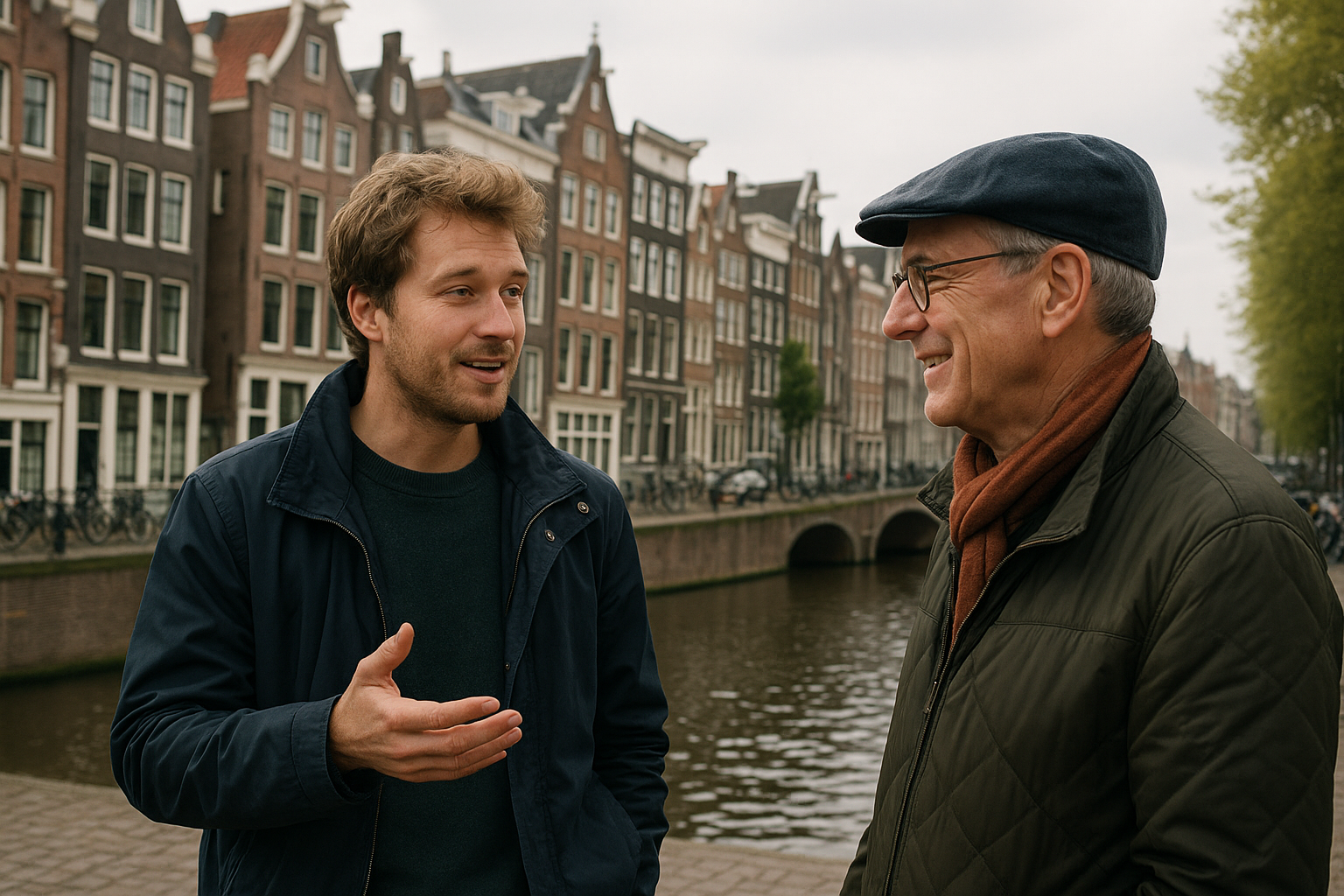
Spend enough time in the Netherlands, and you’ll quickly notice that conversations with Dutch people sound different from those in many other cultures: blunt statements, straightforward answers, and an almost complete absence of the polite hedging that English speakers or people from Mediterranean and Asian cultures often use. If you ask for someone’s opinion, you’ll get it—unvarnished, unfiltered, and often much more direct than you might expect. What outsiders often misinterpret as rudeness is, in fact, one of the defining cultural traits of the Dutch: directness.
This direct style is not accidental; it’s deeply rooted in Dutch history, values, and worldview. A country built on consensus, trade, and pragmatism does not waste much time on formalities when clarity is needed. For the Dutch, honesty is not only the best policy but also the most efficient way to build trust and avoid misunderstandings. To sugarcoat or obscure what you mean is not considered polite—it’s confusing. Directness is seen as a virtue, a way of respecting the listener by telling them exactly what you think.
And yet, for newcomers, this cultural trait can be one of the hardest things to adjust to. Expats often tell stories of feeling shocked when colleagues bluntly criticized their work, when a stranger commented on their food choices, or when Dutch friends casually stated things most people would keep to themselves. The challenge is not only linguistic but cultural: understanding that what sounds harsh is often intended as a sign of openness and equality, not hostility.
In this article, we’ll explore Dutch directness from every angle—its roots in history and society, its expression in daily life and language, its benefits and pitfalls, and how you can adapt if you’re learning Dutch or planning to live in the Netherlands. By the end, you’ll understand why being called “direct” in the Dutch sense is not an insult but almost a compliment—and why learning to embrace it can deepen both your communication and your cultural connection.
The Historical Roots of Dutch Directness
A Small Country with Big Challenges
The Netherlands is a nation shaped by geography. Much of its land is reclaimed from the sea, requiring centuries of cooperation to build and maintain dikes, canals, and polders. In such a context, clear communication was essential—ambiguity could literally mean disaster. When you’re telling your neighbor the water level is rising, you don’t soften the message.
Protestant Values
The Dutch Reformation and the rise of Calvinism also influenced cultural attitudes. Calvinist traditions emphasized simplicity, sincerity, and humility. Ornate speech or empty politeness were discouraged; what mattered was honesty before God and one another.
Trade and Negotiation
As one of Europe’s great trading nations, the Dutch developed a culture of negotiation where clarity and transparency mattered. In the bustling markets of Amsterdam or Rotterdam, saying exactly what you meant became not only a habit but a necessity.
How Dutch Directness Shows Up in Daily Life
At Work
Dutch workplaces are famously egalitarian, with relatively flat hierarchies compared to other cultures. Employees are expected to voice their opinions, question decisions, and provide honest feedback. A Dutch manager may openly critique your project, not to be unkind but to improve it. Colleagues will interrupt if they disagree, because consensus is built on everyone contributing their perspective.
In Social Settings
If you ask a Dutch friend, “Do you like my new haircut?” you should be prepared for an answer that may not be diplomatic. Friends will tell you if you look tired, if your idea is unrealistic, or if your behavior is out of line. Far from being considered rude, this is a way of showing respect—you’re trusted enough to be told the truth.
In Language
The Dutch language itself often reflects directness. Politeness forms exist (u vs. jij), but they are less commonly used than in other languages. Dutch doesn’t rely heavily on euphemisms or indirect phrasing; sentences tend to be short, clear, and to the point.
In Public Life
Even strangers can be direct. You may hear someone comment on how loudly you’re talking on the train, or notice that Dutch media often tackle political and social issues head-on without the layers of politeness you might expect elsewhere.
Why It’s Not Rude
Honesty Equals Respect
For Dutch people, telling the truth—even if it’s uncomfortable—is a way of respecting the listener. It means you value their intelligence and their ability to handle the truth.
Avoiding Misunderstandings
Direct communication minimizes confusion. If someone disagrees with you, you’ll know it right away, leaving less room for misinterpretation.
Equality
Directness reflects the Dutch value of equality. In a society where status differences are minimized, there’s less pressure to defer with polite phrasing. Whether you’re a CEO or a student, the same straightforward language applies.
Common Misunderstandings
The Politeness Gap
Anglophones, especially Americans and Brits, often interpret Dutch bluntness as rudeness. For example, a Dutch person saying “That’s not correct” in a meeting may sound confrontational to an American who would say, “I see your point, but perhaps we could consider another angle.”
Humor and Sarcasm
Dutch humor is also direct, sometimes bordering on dry or sarcastic. What might sound like teasing or criticism can often be meant in good fun.
Criticism vs. Insult
What’s meant as constructive criticism may be heard as an insult. Understanding the intention is key: the Dutch rarely mean to hurt feelings; they aim to clarify or improve.
How to Adapt to Dutch Directness
Learn the Cultural Context
Recognize that blunt statements are not personal attacks. They are part of the cultural fabric.
Practice Being Direct Yourself
When speaking Dutch, don’t be afraid to be straightforward. Long-winded explanations or hedging may be seen as evasive.
Ask for Feedback
If you’re unsure how your directness is received, ask. Dutch people will likely give you honest feedback!
Balance Your Own Style
You don’t have to abandon your own cultural communication style, but finding a balance will help you feel more comfortable.
Directness in Dutch Language Learning
For students of Dutch, learning direct communication can be both liberating and challenging. On the one hand, it frees you from the burden of always sounding polite. On the other, it requires adjusting to a style that may feel too abrupt at first.
Examples:
English: Would you perhaps be able to open the window if it’s not too much trouble?
Dutch: Wil je het raam open doen? (“Do you want to open the window?”)
The difference is stark, but the Dutch version is not considered rude—it’s simply efficient.
Benefits of Embracing Dutch Directness
Clarity – You always know where you stand.
Efficiency – Conversations are faster and less confusing.
Trust – You can trust that people are telling you the truth.
Equality – You feel empowered to voice your own opinions.
FAQs: Dutch Directness
Q: Why are the Dutch so direct compared to other cultures?
A: It comes from historical, religious, and social values emphasizing honesty, equality, and practicality.
Q: Is Dutch directness considered rude in the Netherlands?
A: No. In fact, it’s considered a sign of honesty and respect.
Q: How should I respond if I feel offended by Dutch bluntness?
A: Remember the intention is usually not to offend. Try to see it as constructive rather than hostile.
Q: Do Dutch people ever use polite forms?
A: Yes, especially in formal contexts, but everyday conversation tends to be straightforward.
Q: Is this communication style common in Belgium too?
A: Flemish (Dutch-speaking Belgians) tend to be more indirect and polite than the Dutch, though still clearer than some cultures.
Q: Will learning Dutch help me understand this cultural trait better?
A: Absolutely. Language reflects culture, and learning Dutch will make directness feel more natural.
Q: Is Dutch directness changing with globalization?
A: Some argue younger generations are becoming slightly more flexible, but directness remains a strong cultural value.
Conclusion: Honesty as a Cultural Superpower
Dutch directness is not about rudeness—it’s about building trust, valuing honesty, and treating everyone as equals. For learners of Dutch or anyone engaging with Dutch society, understanding and embracing this trait can transform communication. Once you see bluntness as respect, conversations become easier, friendships deepen, and misunderstandings fade away.
At Polyglottist Language Academy, we help students not only learn the Dutch language but also navigate the cultural nuances that make communication authentic. Our online Dutch classes with local instructors give you the tools to speak clearly, confidently, and culturally appropriately—whether you’re planning to visit the Netherlands, work with Dutch colleagues, or connect with Dutch friends.
👉 Sign up today and discover how learning Dutch can change the way you think about communication, honesty, and culture.