
Introduction
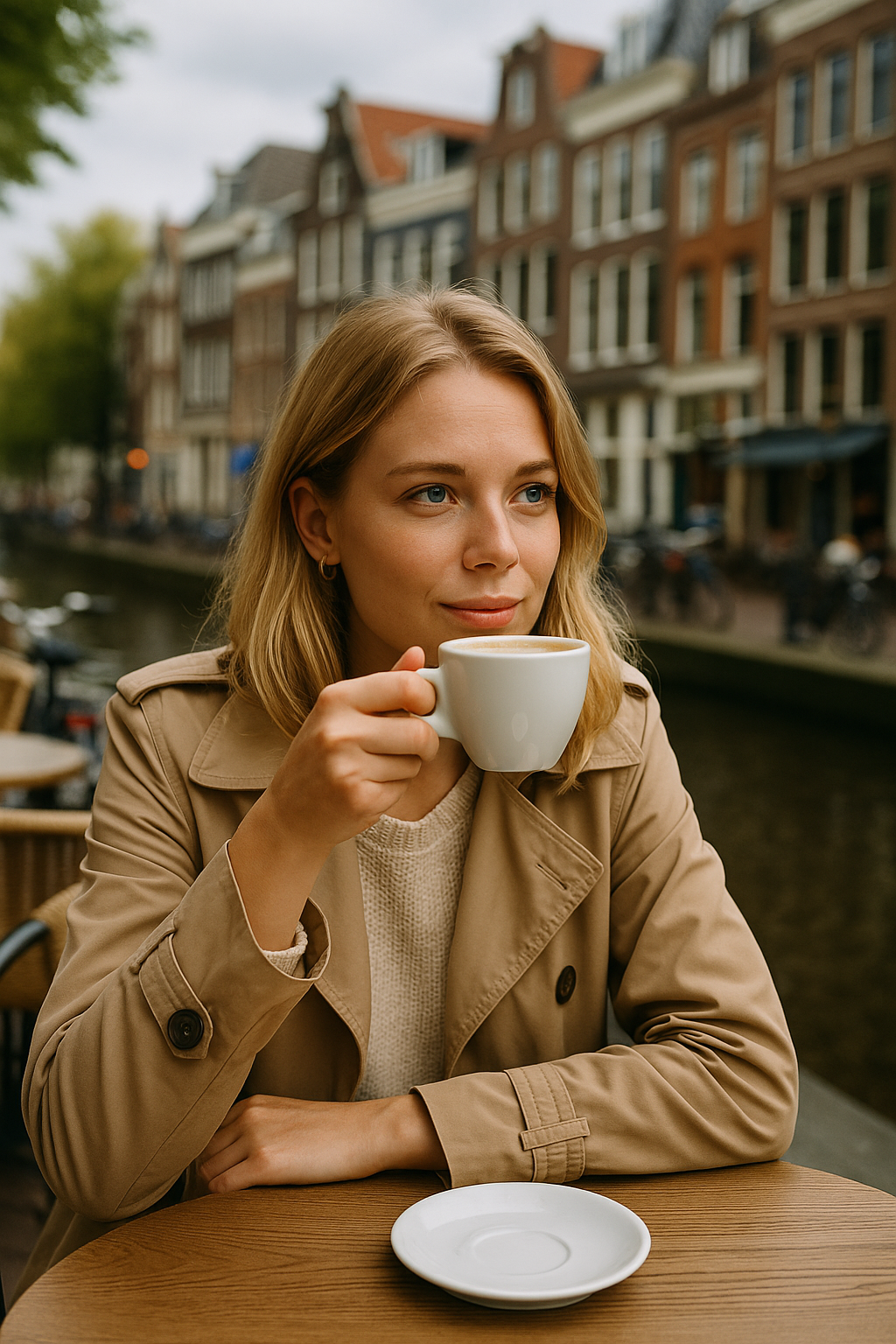
Across the Netherlands, coffee is not just a drink—it’s a ritual, a symbol of hospitality, and an essential thread woven into the rhythm of daily life. From the bustling cafés of Amsterdam to the cozy living rooms of small Dutch towns, coffee plays a role that goes far beyond caffeine. The Dutch consume more coffee per capita than almost any other nation in the world, averaging nearly four cups a day. But this statistic only scratches the surface of what coffee means in Dutch culture. In the Netherlands, coffee is the backdrop to friendships, business negotiations, family gatherings, and even political debates. To understand the Dutch, you need to understand their relationship with coffee.
Unlike in many cultures where coffee is treated as a quick fix—a to-go cup grabbed between meetings or a jolt of energy on the way to work—the Dutch view coffee as something worth sitting down for. It’s not uncommon to hear a Dutch host ask, “Kopje koffie?” the moment you walk through the door. It doesn’t matter whether it’s mid-morning, mid-afternoon, or even late in the evening; coffee is always an appropriate offering, usually served with a small cookie or biscuit on the side. This small ritual says much about Dutch values: simplicity, hospitality, and the importance of taking time to connect with others.
Coffee culture in the Netherlands also has deep historical roots. As one of the great seafaring nations during the Dutch Golden Age, the Netherlands played a pivotal role in bringing coffee to Europe. The Dutch East India Company helped establish coffee trade routes that would transform the drink into a European staple. Today, this history still echoes in the Dutch approach to coffee: practical, global, and infused with a sense of tradition.
In this article, we’ll explore why the Dutch coffee culture is so strong, tracing its history, social significance, and everyday practices. We’ll also look at how modern Dutch coffee habits reflect broader cultural traits: efficiency blended with warmth, modesty paired with pride, and an ability to combine tradition with innovation. By the end, you’ll not only understand why coffee is such an essential part of life in the Netherlands—you’ll also be inspired to try a cup the Dutch way.
The Historical Roots of Dutch Coffee Culture
The Dutch East India Company and the Global Coffee Trade
The Netherlands was one of the first European nations to import coffee on a large scale. In the 17th century, the Dutch East India Company (VOC) established coffee cultivation in colonies such as Java (in modern-day Indonesia). This move gave the Dutch a powerful role in the global coffee trade, making Amsterdam one of the earliest European coffee capitals.
Coffee Houses of the Golden Age
In the 1600s, coffee houses began to appear in Dutch cities. These spaces were not just for drinking coffee—they became hubs of intellectual discussion, business, and politics. Amsterdam’s coffee houses were frequented by merchants, artists, and philosophers, creating a lively atmosphere where ideas and trade flourished.
Colonial Connections
Dutch colonial history left a lasting mark on coffee culture. Even today, terms like “Java” are synonymous with coffee, reflecting centuries-old trade routes. The Dutch also maintained strong ties with Suriname and the Antilles, where coffee cultivation was part of colonial economies.
Coffee as a Social Ritual
The “Kopje Koffie” Tradition
If you visit a Dutch home, you’ll almost always be offered a “kopje koffie”—a small cup of coffee, often served with a cookie. This gesture is less about the coffee itself and more about making you feel welcome. Refusing a cup might be seen as slightly unusual, though never impolite.
Coffee Breaks at Work: The “Koffiepauze”
In Dutch workplaces, coffee breaks are sacred. Twice a day, employees gather for a koffiepauze, taking time to step away from their desks and socialize with colleagues. These moments are not rushed; they’re part of the rhythm of the day, reinforcing both productivity and community.
Coffee and Celebrations
Birthdays, holidays, and special occasions often begin with coffee before transitioning to other drinks. Even at weddings, coffee plays a central role in the early part of the festivities, paired with cake and conversation.
How the Dutch Drink Their Coffee
Filter Coffee: A Staple at Home
The Dutch are known for their love of filter coffee, brewed simply and served in modest porcelain cups. While espresso drinks are popular in cafés, filter coffee remains the everyday norm, reflecting the Dutch preference for practicality.
Small Cups, Not Giant Mugs
Unlike in the United States, where large mugs dominate, Dutch coffee is served in small cups. This encourages multiple servings throughout the day and keeps the ritual alive.
With a Cookie on the Side
It’s almost unthinkable to serve coffee without a small treat—a biscuit, cookie, or slice of cake. This tradition highlights the Dutch emphasis on gezelligheid, a word often translated as “coziness” or “conviviality.”
The Role of Coffee in Dutch Identity
Hospitality and Egalitarianism
Coffee is the great equalizer in Dutch society. Whether you’re a CEO, a student, or a visitor, the offer of coffee puts everyone on the same level. It reflects the egalitarian spirit of Dutch culture, where formality is less important than connection.
A Counterpoint to Alcohol
In a country also known for its beer, coffee provides balance. Socializing in the Netherlands isn’t limited to bars and pubs—coffee offers an alternative space for gathering, one that is accessible to all ages.
A Cultural Export
Just as the Dutch once exported coffee around the world, today they export their café culture. Dutch-style coffee shops abroad often reflect the same values: minimalism, quality, and community.
The Modern Dutch Coffee Scene
Specialty Coffee and Third-Wave Cafés
In recent years, the Netherlands has embraced the global specialty coffee movement. Cities like Amsterdam, Rotterdam, and Utrecht are now filled with artisanal cafés offering single-origin beans, latte art, and innovative brewing methods.
Sustainability and Fair Trade
Dutch consumers are increasingly conscious of sustainability. Many Dutch cafés and households choose fair-trade coffee, reflecting national values of fairness and environmental responsibility.
Technology Meets Tradition
From capsule machines to smart coffee makers, the Dutch have adopted new coffee technologies while still holding on to the simplicity of filter coffee. It’s a blend of old and new that reflects the broader Dutch way of life.
Coffee and Language: A Cultural Connection
Learning Dutch often means learning coffee vocabulary early on. Words like koffie verkeerd (literally “wrong coffee,” meaning a latte) or bakkie troost (“cup of comfort”) are everyday expressions that reveal the cultural weight of coffee. For language learners, mastering these terms provides not just vocabulary but cultural insight.
FAQs About Dutch Coffee Culture
Q: Why do the Dutch drink so much coffee?
A: Coffee is deeply embedded in Dutch history, hospitality, and daily routines. It’s not just a drink but a social ritual.
Q: What is the most common type of coffee in the Netherlands?
A: Filter coffee remains the most common at home, though espresso drinks are popular in cafés.
Q: Do the Dutch drink coffee all day?
A: Yes, coffee can be consumed at almost any time of day, from morning to evening, often in small portions.
Q: What is “koffiepauze”?
A: It’s the Dutch tradition of taking regular coffee breaks at work, usually twice a day.
Q: Is coffee always served with something sweet?
A: Almost always. A cookie, biscuit, or slice of cake is a traditional companion to coffee.
Q: How does Dutch coffee culture compare to Italian or American coffee culture?
A: Italian culture focuses on espresso rituals, while American culture emphasizes size and speed. Dutch culture emphasizes hospitality, simplicity, and community.
Q: Do young people in the Netherlands still drink traditional coffee?
A: Yes, though many also enjoy specialty coffee drinks. The tradition of coffee at home remains strong.
Language and Coffee Culture
Understanding Dutch coffee culture is one way to deepen your appreciation for the Netherlands. Cultural context can bring vocabulary and conversation to life.
Explore More on Our Blog
If you enjoyed this article, you’ll love these related posts: