
Why Dutch Cheese Is World-Famous (And Which Ones to Try)
Introduction
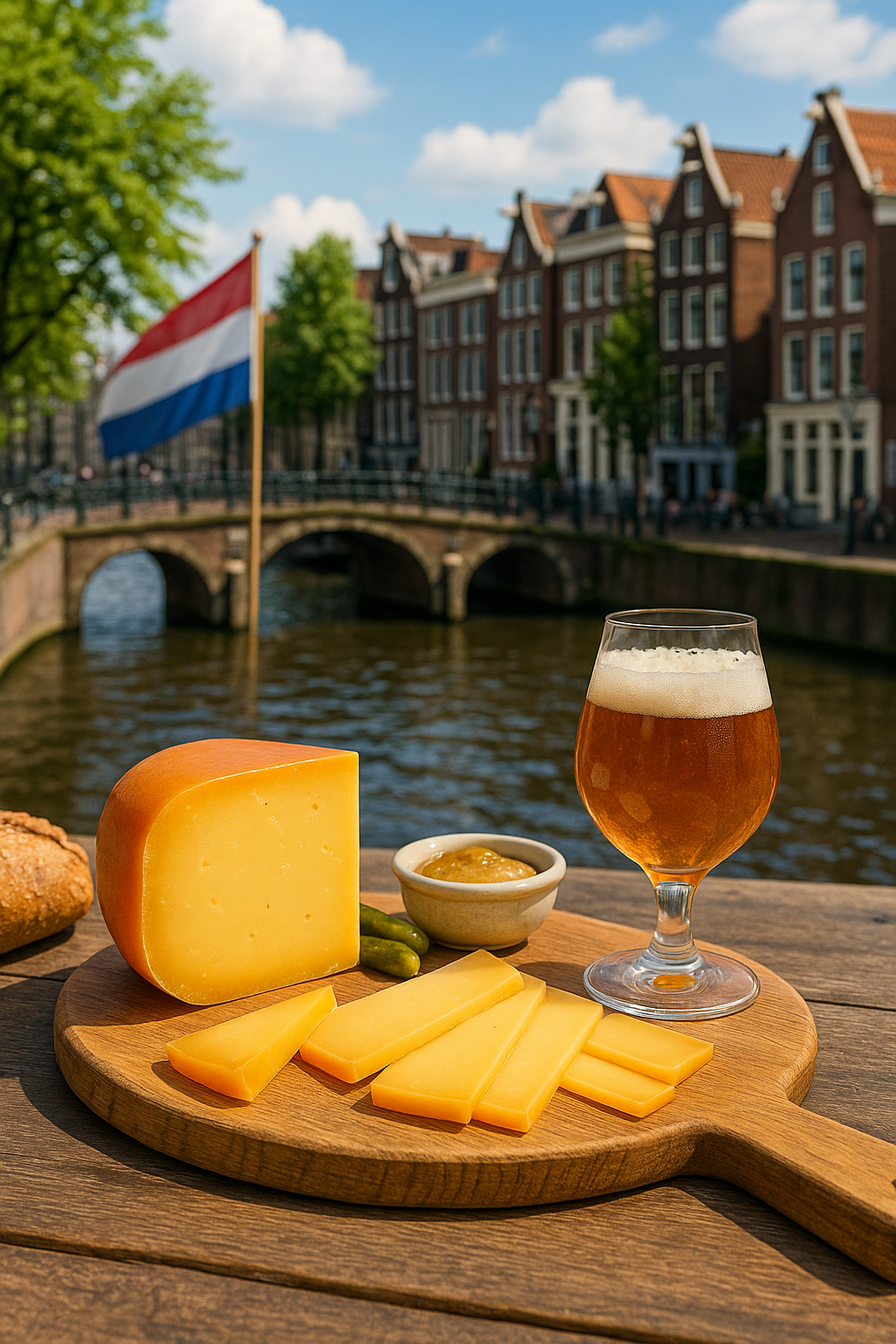
Few countries are as closely associated with cheese as the Netherlands. From golden wheels of Gouda stacked high in open-air markets to crumbly chunks of aged Edam paired with a glass of Dutch beer, cheese in the Netherlands is more than food—it is a symbol of national pride, centuries of tradition, and international influence. The Dutch have been perfecting the art of cheesemaking since the Middle Ages, and their skill has carried these cheeses far beyond Europe. Today, Dutch cheese is exported to every corner of the globe, celebrated for its quality, variety, and distinctive flavor.
The fame of Dutch cheese is not an accident. It reflects the unique blend of geography, climate, history, and craftsmanship that the Dutch have cultivated for centuries. With lush green pastures nourished by the country’s iconic canals, a trading spirit that connected the Netherlands to markets worldwide, and a culture that values both efficiency and tradition, the Dutch created cheeses that could travel, age gracefully, and appeal to diverse palates. Gouda, in particular, has become one of the most recognized cheeses in the world—but it is only the beginning of a much broader story.
For travelers, food lovers, and language learners, understanding Dutch cheese is a window into Dutch life. It reveals how farmers, traders, and artisans shaped a product that reflects not only culinary genius but also national identity. In this article, we’ll explore why Dutch cheese has achieved such global recognition, dive into the most famous varieties you should try, and uncover the cultural practices that make cheese an everyday delight in the Netherlands.
The Historical Roots of Dutch Cheese
Early Beginnings
Cheesemaking in the Netherlands dates back over 2,000 years, with archeological evidence showing that cheese was part of local diets even in Roman times. The mild, wet climate made the region ideal for dairy farming, and by the Middle Ages, cheese had become a key product in Dutch trade.
The Golden Age of Trade
During the 17th century, the Netherlands was a global trading hub. Dutch merchants shipped cheese along with spices, textiles, and tulips. Its durability and ability to age made Dutch cheese ideal for long voyages, further cementing its reputation abroad.
Cheese Markets and Guilds
Historic cheese markets like those in Alkmaar, Gouda, and Edam regulated quality and prices, ensuring consistency and excellence. To this day, these markets continue as both cultural traditions and tourist attractions, showcasing the ritual of weighing, bargaining, and selling cheese in the traditional way.
What Makes Dutch Cheese Special
High-Quality Milk – Dutch cows graze on fertile, water-rich pastures, producing milk rich in flavor.
Consistency – Strict regulations and centuries-old techniques ensure uniform quality.
Aging Process – Dutch cheesemakers excel at both young, creamy cheeses and hard, aged varieties with nutty complexity.
Export Power – The Netherlands is one of the world’s largest cheese exporters, proof of its global demand.
The Big Names in Dutch Cheese
Gouda (Goudse Kaas)
The superstar of Dutch cheese, Gouda accounts for more than half of Dutch cheese production. Its varieties range from young and mild (jong) to aged and intense (oude).
Young Gouda (Jong) – Creamy, soft, slightly sweet.
Mature Gouda (Belegen) – Firmer texture, nutty flavor.
Aged Gouda (Oude Kaas) – Hard, crumbly, caramel-like sweetness.
Edam (Edammer)
Recognizable by its red wax coating, Edam is mild, slightly salty, and famously durable—perfect for export.
Leyden (Leidse Kaas)
Flavored with cumin seeds, Leyden offers a spicy, aromatic twist on traditional cheese.
Maasdam
A Dutch answer to Swiss Emmental, Maasdam is semi-soft with large holes and a sweet, nutty taste.
Boerenkaas (Farmer’s Cheese)
Made on small family farms, often raw milk, Boerenkaas offers authentic flavors that vary from farm to farm.
Beemster
Produced in the Beemster polder, this Gouda-style cheese is made under strict quality standards and is protected by a designation of origin.
Regional Cheese Traditions
Alkmaar – Home of the oldest cheese market in the Netherlands.
Gouda – Not just the cheese but the town itself, with a market square dedicated to cheese trade.
Edam – A quiet town that gave its name to one of the most exported cheeses in history.
Each region adds its own flavor and tradition, making Dutch cheese a story of local pride as much as national identity.
How the Dutch Eat Cheese
Breakfast and Lunch
Cheese is a staple of the Dutch sandwich (broodje). Slices of Gouda or Edam on bread, often with butter, form the backbone of Dutch lunches.
Snacks and Pairings
Cheese is commonly paired with mustard, pickles, or Dutch beer. Cubes of aged Gouda served with beer are a classic bar snack.
Special Occasions
Festive tables often feature cheese boards, and tourists flock to markets for tastings.
Why Dutch Cheese Works Internationally
Shelf Life – Wax coatings and aging methods make cheese travel-friendly.
Versatility – Mild cheeses appeal to broad audiences, while aged varieties attract connoisseurs.
Brand Recognition – Names like Gouda and Edam are globally recognized and trusted.
Practical Tips for Trying Dutch Cheese
Visit a local market like Alkmaar or Gouda for authentic tastings.
Try different aging stages of Gouda to appreciate the spectrum.
Don’t skip flavored cheeses—cumin, herbs, and even truffle varieties exist.
Pair cheese with Dutch beer or jenever for a complete cultural experience.
FAQs About Dutch Cheese
1. Why is Gouda the most famous Dutch cheese?
Because of its versatility, flavor spectrum, and historical export power, Gouda became the global face of Dutch cheese.
2. How long can Dutch cheese be aged?
Some varieties of Gouda are aged up to five years, developing crystallized textures and intense flavors.
3. Is Edam always coated in red wax?
Traditionally, yes, but modern versions may use different colors of wax.
4. What is the difference between factory-made and Boerenkaas?
Boerenkaas is handmade on farms, often from raw milk, giving it unique flavors that differ from industrial production.
5. Can I visit Dutch cheese farms?
Yes, many farms offer tours, tastings, and demonstrations.
6. What’s the best drink to pair with Dutch cheese?
Beer, Dutch gin (jenever), or even sweet wine for aged varieties.
7. Do the Dutch eat cheese every day?
Yes, cheese is an everyday staple, especially at breakfast and lunch.
8. Is Dutch cheese vegetarian-friendly?
Some cheeses use animal rennet, but vegetarian options are increasingly available.
Conclusion and Call to Action
Dutch cheese is world-famous because it combines history, craftsmanship, and adaptability. From the creamy smoothness of young Gouda to the spicy kick of Leyden, Dutch cheeses offer a journey through flavor, tradition, and culture. They reflect not just what the Dutch eat, but who they are—a nation of farmers, traders, and innovators.
At Polyglottist Language Academy, we know that language learning is about culture as much as vocabulary. Exploring Dutch through its cheese culture is a fun way to understand daily life, history, and identity.
Are you ready to learn Dutch while also exploring the traditions behind Gouda, Edam, and more? Sign up today for our Dutch classes—online or in-person—and discover how language and culture come together in the most delicious ways.