
The Most Beautiful Dutch Cities You Need to Visit
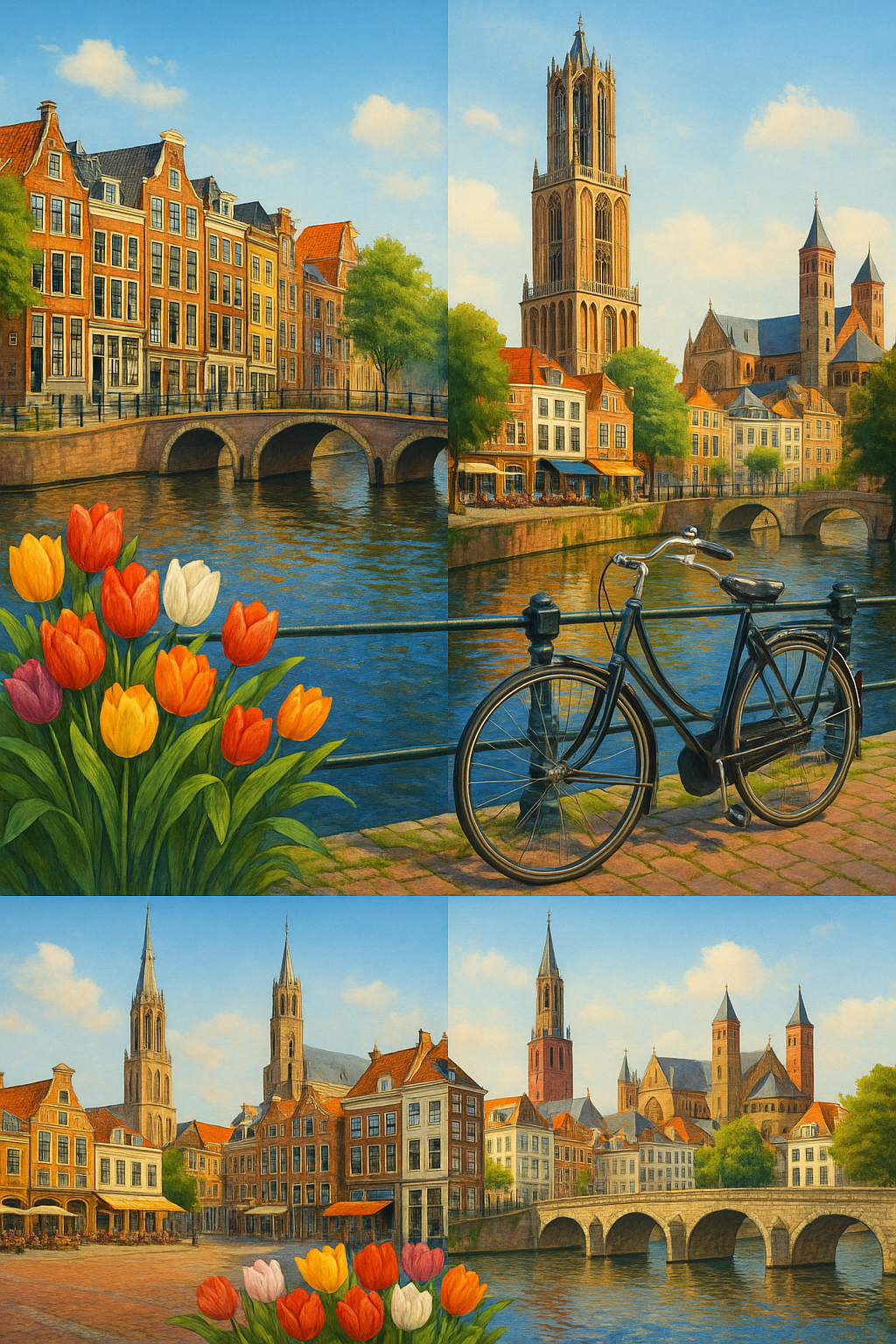
Travelers often think of the Netherlands as a compact country best known for Amsterdam’s canals, tulip fields, and windmills scattered across the countryside, but the truth is that the country is dotted with cities whose beauty goes far beyond the clichés. From medieval towns that look like they stepped out of a painting to vibrant modern hubs that blend innovation with centuries-old architecture, the Netherlands offers a tapestry of urban experiences waiting to be discovered. Every city tells its own story—of merchants and painters, of rivers and harbors, of innovation and tradition. If you venture beyond the capital, you’ll find that Dutch cities are remarkably diverse: some are grand and bustling, others quiet and picturesque, yet all carry that unmistakable Dutch charm that makes the country so appealing.
In this article, we’ll take a journey through the most beautiful Dutch cities you need to visit. Whether you’re drawn to romantic canals, historic town squares, futuristic skylines, or cozy cafés, the Netherlands has a city for you. Each stop on this journey reveals a different facet of Dutch culture and history, and together they form a mosaic of one of Europe’s most fascinating countries.
Amsterdam: Beyond the Obvious
Amsterdam is the beating heart of the Netherlands, but it’s also much more than the postcard-perfect canals and bustling tourist areas. Its 17th-century canal belt, a UNESCO World Heritage site, remains one of the most beautiful urban landscapes in the world. The narrow houses, tilted slightly forward with ornate gables, seem like a carefully arranged stage set.
Wander away from Dam Square, however, and you’ll find neighborhoods that reflect Amsterdam’s many identities: the Jordaan, once a working-class area, is now full of charming cafés, hidden courtyards, and independent art galleries. De Pijp offers a multicultural vibe with its famous Albert Cuyp Market. And the Eastern Docklands showcase bold modern architecture that pushes the city forward into the 21st century.
Amsterdam is beautiful not just because of its looks but because of its energy—a blend of cosmopolitan flair, artistic heritage, and an easygoing lifestyle. It’s a city that encourages both deep reflection in its museums and relaxed wandering along its canals.
Utrecht: A Hidden Gem with Canals at Water Level
If Amsterdam is the big stage, Utrecht is its equally beautiful but more intimate counterpart. This medieval city is distinguished by its unique canals, which are built with wharves at water level. This creates two layers of life—terraces, cafés, and gardens right on the canal banks, with bustling streets above. Sitting at a terrace by the Oudegracht (Old Canal), you’ll feel like you’re part of a centuries-old rhythm of life.
At the heart of the city stands the Dom Tower, the tallest church tower in the Netherlands. Climbing it rewards you with sweeping views over the city and its surroundings. Utrecht is also a university town, giving it a youthful energy that complements its historic charm. The mix of bicycles streaming through cobbled lanes, bookshops tucked into side streets, and locals enjoying a beer along the canal makes Utrecht one of the most livable and lovable cities in the country.
Delft: Canals, Ceramics, and a Painter’s Legacy
Delft is often described as a “mini-Amsterdam,” but it deserves its own spotlight. The city is famous worldwide for Delft Blue ceramics, whose delicate patterns have been prized since the 17th century. Its historic center is a masterpiece in itself, with canals lined by elegant houses, the imposing Nieuwe Kerk (New Church), and the charming Markt square.
Delft was also the home of Johannes Vermeer, one of the greatest painters of the Dutch Golden Age. Walking through the city, you’ll often feel as if you’ve stepped inside one of his paintings, with soft light reflecting off canals and serene domestic scenes unfolding behind windows.
The beauty of Delft lies in its scale—it’s compact, walkable, and endlessly picturesque. Whether you’re visiting for its artistic legacy, its historical monuments, or simply to enjoy a quiet afternoon by the canals, Delft feels timeless.
Haarlem: The Flower City with Golden Age Splendor
Just a short train ride from Amsterdam, Haarlem offers a quieter but equally charming Dutch experience. This city was a center of art and culture during the Dutch Golden Age, and it still exudes that elegance. The Grote Markt, with its towering St. Bavo’s Church, is one of the most beautiful squares in the country. On Saturdays, the square hosts a lively market, bringing centuries of tradition to life.
Haarlem is also the gateway to the flower fields of the Netherlands, which burst into color every spring. Inside the city, however, you’ll find a sophisticated mix of museums, boutique shops, and cozy restaurants. The Frans Hals Museum is a must-visit, showcasing the work of the great portraitist and other masters of Haarlem’s artistic scene.
With its intimate scale, leafy canals, and cultural heritage, Haarlem combines Dutch beauty with a refined tranquility.
Leiden: Where History Meets Learning
Leiden is a city steeped in history, intellect, and charm. Known for its university—the oldest in the Netherlands—it has been a center of learning since the 16th century. The city’s beauty lies in its graceful canals, stone bridges, and historic buildings that once housed scholars, inventors, and philosophers.
Leiden is also the birthplace of Rembrandt, and walking through its streets you can trace the footsteps of the young artist. The city is dotted with small courtyards (hofjes), many of which are still in use, offering a glimpse into the Netherlands’ long tradition of community living.
Despite its academic prestige, Leiden feels relaxed and welcoming. Students ride their bikes along canals, locals gather at waterside cafés, and the city buzzes with intellectual curiosity. It’s one of the most beautiful cities for those who love history, culture, and a touch of scholarly atmosphere.
Maastricht: A Southern Jewel with European Flair
Heading south, Maastricht feels like another world compared to the Randstad cities. Nestled along the Meuse River, it blends Dutch, Belgian, and French influences into something uniquely its own. Its cobbled streets, Gothic churches, and romantic squares like the Vrijthof give it an unmistakably European flavor.
Maastricht’s beauty lies in its variety: Roman ruins, medieval fortifications, chic boutiques, and avant-garde art galleries all coexist here. The city is also known for its culinary scene, offering some of the best dining in the country. Its proximity to Belgium and Germany adds to its cosmopolitan character.
Strolling along the river or through its charming old town, you’ll quickly see why Maastricht is often described as one of the most beautiful—and most livable—cities in the Netherlands.
Den Bosch (’s-Hertogenbosch): Medieval Charm and Warmth
Den Bosch, officially called ’s-Hertogenbosch, is a medieval gem full of character. The city is renowned for its Gothic St. John’s Cathedral, one of the most impressive churches in the Netherlands. Its historic center is a maze of narrow streets, lively squares, and beautiful old buildings that retain their medieval atmosphere.
One of the city’s unique attractions is the Binnendieze, an underground river system that you can explore by boat. It offers a magical perspective on the city, floating beneath centuries-old houses and bridges.
Den Bosch is also the birthplace of Hieronymus Bosch, the visionary painter whose works still fascinate audiences today. The city celebrates his legacy with art exhibitions and cultural events. Add to that the warm hospitality of the locals and the famous Bossche bol (a decadent cream-filled pastry), and you’ll see why Den Bosch is both beautiful and welcoming.
Groningen: A Vibrant Northern Surprise
Far in the north lies Groningen, a youthful and energetic city dominated by students and bicycles. Despite being less visited by international tourists, it is strikingly beautiful, with canals, green spaces, and a lively urban culture.
The Martinitoren (Martin’s Tower) offers panoramic views over the city’s red-roofed skyline. The Groninger Museum, with its bold and colorful architecture, symbolizes the city’s willingness to embrace the modern while respecting the past.
Groningen is a place where history and innovation collide. Its old warehouses, churches, and canals stand alongside cutting-edge cultural institutions and sustainable urban initiatives. The beauty of Groningen lies in its vibrancy and in the sense that life here is lived with a forward-looking energy.
Dordrecht: The Oldest City in the Netherlands
Dordrecht doesn’t always appear on tourist itineraries, but it should. As the oldest city in the Netherlands, it boasts a stunning array of historic buildings, picturesque harbors, and atmospheric canals. Its waterfront location gives it a special charm, especially when the light reflects off the rivers that converge here.
The Grote Kerk (Great Church) dominates the skyline, while the old harbors are lined with warehouses and ships that tell of Dordrecht’s mercantile past. The city’s intimate streets and squares create a sense of stepping back in time, making it one of the most evocative places to visit in the country.
Other Notable Cities
While these are some of the most beautiful cities in the Netherlands, there are many more worth mentioning:
Rotterdam for its bold, futuristic architecture.
Alkmaar for its traditional cheese market.
Middelburg for its Zeeland charm and maritime history.
Zwolle for its Hanseatic heritage.
Amersfoort for its medieval walls and lively atmosphere.
Each city adds its own note to the symphony of Dutch beauty.
FAQs About Dutch Cities
Q: Which Dutch city is the most beautiful?
A: Beauty is subjective, but many travelers point to Utrecht, Delft, and Haarlem as particularly picturesque.
Q: Are Dutch cities walkable?
A: Yes, most historic Dutch cities have compact centers that are easy to explore on foot or by bike.
Q: How many days should I spend in each city?
A: For smaller cities like Delft or Leiden, a day or two is enough. For larger cities like Amsterdam or Maastricht, plan at least three days.
Q: Which city is best for learning about Dutch art?
A: Amsterdam (Rijksmuseum, Van Gogh Museum), Haarlem (Frans Hals Museum), and Delft (Vermeer) are especially rich in artistic heritage.
Q: What’s the best time of year to visit Dutch cities?
A: Spring (for tulips) and summer (for outdoor cafés and festivals) are popular, but autumn offers beautiful light, and winter brings cozy charm.
Q: Do I need to speak Dutch to visit these cities?
A: Not at all—most Dutch people speak excellent English. However, learning a few Dutch phrases will enrich your experience.
Learn Dutch with Polyglottist Language Academy
Exploring the most beautiful Dutch cities becomes even more rewarding when you can engage with locals in their own language. At Polyglottist Language Academy, we offer Dutch classes tailored to every level, from complete beginners to advanced learners. Whether you want to travel, study, or even live in the Netherlands, our expert instructors can help you master the language and culture.
📌 Call to Action: Don’t just admire Dutch cities—live them, speak them, and connect more deeply. Sign up for our Dutch classes today and start your own journey into the heart of the Netherlands.
Keep Reading: More from Our Blog
If you enjoyed this article, you might also like these: