
How the Dutch Celebrate New Year’s Eve (And What ‘Oliebollen’ Have to Do With It)
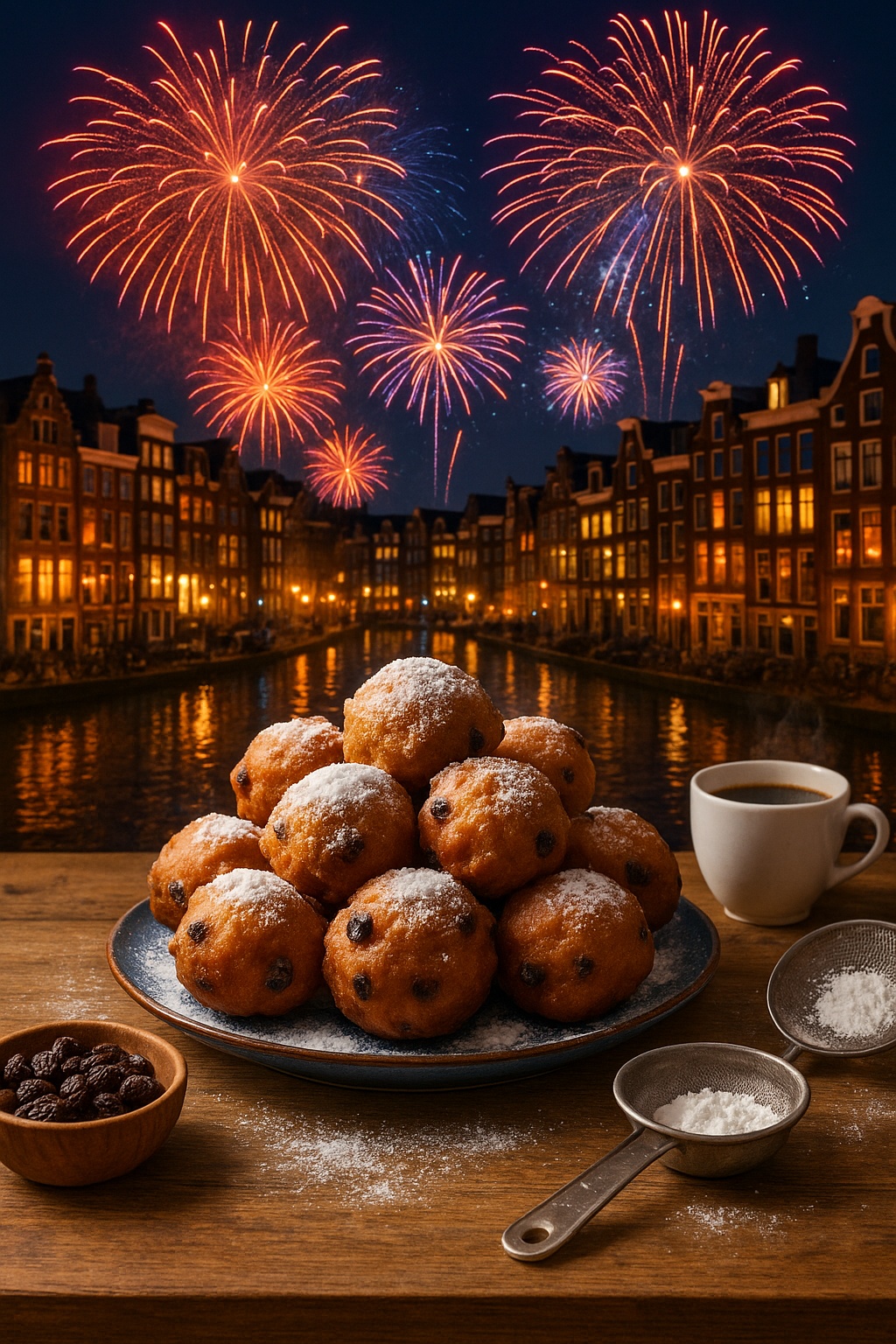
New Year’s Eve in the Netherlands is a night of loud firecrackers echoing through narrow streets, neighbors gathering on cobblestone corners with bottles of champagne, and the unmistakable smell of sizzling dough drifting out of market stalls and home kitchens alike. More than just the final day on the calendar, it is a cultural event that blends centuries-old superstitions, deeply rooted traditions, and an almost theatrical flair for celebration. And at the heart of it all is a humble fried pastry with a funny name: the oliebol (plural: oliebollen).
To truly understand how the Dutch ring in the new year, you have to look beyond the midnight countdown and fireworks display. Unlike in many countries where December 31st is primarily about elegant parties or televised events, in the Netherlands the day and night have a distinctly local flavor. It’s a celebration in which every household participates, whether by frying mountains of oliebollen at home, lining up at the neighborhood oliebollenkraam (food stall), or standing outside in the chilly winter air watching homemade fireworks explode overhead. Dutch New Year’s Eve (Oudejaarsavond, literally “Old Year’s Evening”) is both loud and cozy, raucous yet intimate, and it reveals a lot about Dutch culture itself: practical, communal, a little rebellious, and full of humor.
But why oliebollen? Why fireworks that last not just minutes but hours before and after midnight? Why does a small country with a famously calm and pragmatic reputation spend this night indulging in such excess? The answer lies in history, folklore, and the enduring human need to mark the passage of time with ritual, food, and noise.
In this article, we’ll dive into everything you need to know about Dutch New Year’s Eve: the origins of oliebollen, the fireworks phenomenon, local customs and superstitions, and how the Dutch welcome January 1st in their own unique way. Whether you’re curious as a traveler, preparing to celebrate with Dutch friends, or simply exploring language and culture from afar, you’ll come away with a richer picture of what makes this night in the Netherlands so unforgettable.
The Heart of the Tradition: Oliebollen
If there’s one thing that defines New Year’s Eve in the Netherlands, it’s the oliebollen. These deep-fried balls of dough, often dusted with powdered sugar, are the quintessential treat of the season. Though they might resemble doughnuts or fritters to outsiders, oliebollen are distinctly Dutch, with their own history and variations.
The Origins of Oliebollen
The story of oliebollen goes back centuries, possibly to the Germanic tribes who lived in the Low Countries. These early communities are believed to have eaten deep-fried cakes during the midwinter feast of Yule to ward off evil spirits. According to folklore, the goddess Perchta would roam the land in winter, slashing open the bellies of those who had not eaten enough fat. Eating oily, fatty cakes was thought to protect you by making her knife slide off.
Over time, these cakes evolved into what we now know as oliebollen. By the 17th century, they were already being made in Dutch kitchens, as shown in paintings from the Dutch Golden Age. The tradition stuck, and today oliebollen are eaten almost exclusively around New Year’s, making them a highly seasonal and nostalgic treat.
How Oliebollen Are Made
The classic oliebol is made from a yeasted dough of flour, milk, eggs, and yeast, often enriched with raisins, currants, or apple pieces. The dough is spooned into hot oil, fried until golden brown, and then generously dusted with powdered sugar. Variations include filled oliebollen, with ingredients like almond paste or chocolate.
Families often fry them at home on December 31st, while outdoor stalls—oliebollenkramen—pop up in towns and cities throughout December, sometimes even earlier. Each Dutch person has their favorite oliebollen stand, and heated debates arise over which one makes the best. Newspapers and magazines even hold annual oliebollen tests, ranking the stalls across the country.
More Than Just a Snack
Eating oliebollen is about more than flavor—it’s a ritual. They are seen as a symbol of abundance, warmth, and family togetherness. The powdered sugar coating adds a wintry, festive feel, while the indulgent fried dough marks the end of the year with sweetness and satisfaction.
Fireworks: A Night of Noise and Light
While food may provide the comfort, fireworks bring the spectacle. Dutch New Year’s Eve is famous for its fireworks—so famous, in fact, that the Netherlands has one of the highest rates of firework sales in Europe during this season.
Fireworks as a Tradition
The use of fireworks on New Year’s Eve has ancient roots in the idea of scaring away evil spirits with noise and light. Today, the practice has taken on a life of its own. In most Dutch cities, people begin setting off small firecrackers in the afternoon of December 31st. By evening, the streets are alive with bangs, flashes, and smoke. At midnight, the sky explodes in a collective show of fireworks launched by neighbors, families, and friends—sometimes rivaling professional displays.
A Love-Hate Relationship
For many Dutch people, fireworks are an essential part of New Year’s Eve. But the tradition is controversial too. Every year, there are injuries and property damage, and debates continue about whether private firework use should be restricted or banned. In recent years, several municipalities have experimented with partial bans or professional-only displays. Still, for many, the chaos of fireworks is part of the magic of the night.
Street Culture and Community Spirit
What makes the Dutch fireworks tradition unique is its communal aspect. Instead of gathering in one central square for a coordinated show, the entire country becomes one giant fireworks display. Neighbors pour into the streets, children watch wide-eyed, and the air fills with both smoke and laughter.
Oudejaarsavond: More Than Midnight
New Year’s Eve in the Netherlands isn’t just about the countdown. It’s an entire day of rituals, food, and gatherings.
Oudejaarsconference
A beloved tradition is the oudejaarsconference—a satirical comedy show that reviews the past year’s events. Famous comedians take the stage (often on TV) to poke fun at politics, cultural trends, and news stories. For many families, watching the conference is as much a tradition as eating oliebollen.
Champagne and Toasts
At midnight, glasses are raised for toasts, often with champagne or sparkling wine. Dutch people clink glasses with friends, family, and sometimes complete strangers in the street. The phrase you’ll hear is Gelukkig Nieuwjaar! (“Happy New Year!”).
New Year’s Dive (Nieuwjaarsduik)
On January 1st, another tradition takes place: the Nieuwjaarsduik (“New Year’s Dive”). In coastal towns, most famously Scheveningen near The Hague, thousands of brave souls run into the icy North Sea to welcome the new year. The event has grown into a symbol of Dutch endurance and cheer.
Superstitions and Symbolism
Like many cultures, the Dutch have their share of superstitions tied to New Year’s Eve.
Noise to ward off spirits: Fireworks and firecrackers were originally meant to scare away evil spirits.
Eating fatty foods: Oliebollen were believed to protect against misfortune.
First visitor of the new year: Some families note who first crosses the threshold after midnight, associating it with good or bad luck.
Even if most people today don’t consciously believe in these traditions, they form part of the cultural fabric that gives New Year’s Eve its special atmosphere.
Celebrating Across the Netherlands
While the basic elements—oliebollen, fireworks, comedy, champagne—are national, each region and city adds its own flair.
Amsterdam: The city is filled with both private fireworks and organized events, especially around iconic squares like Dam Square.
Rotterdam: Famous for its professional fireworks over the Erasmus Bridge, televised nationwide.
Small towns and villages: Celebrations often feel more communal, with neighbors gathering outdoors, children lighting sparklers, and friends visiting each other’s homes.
Language Note: Key Dutch Phrases for New Year’s Eve
If you’re celebrating in the Netherlands or with Dutch speakers, here are some useful phrases:
Gelukkig Nieuwjaar! — Happy New Year!
De beste wensen! — Best wishes!
Oudejaarsavond — New Year’s Eve (literally “Old Year’s Evening”)
Nieuwjaarsdag — New Year’s Day
Oliebollen — Dutch New Year’s doughnuts/fritters
Learning these expressions is a great way to connect with Dutch speakers and join in the festivities.
FAQs: Dutch New Year’s Eve
Q: Why do the Dutch eat oliebollen only at New Year’s?
A: Oliebollen are strongly associated with the holiday season and specifically New Year’s Eve. The tradition is rooted in historical winter feasts and has been preserved as a seasonal indulgence.
Q: Are oliebollen the same as doughnuts?
A: They’re similar but not identical. Oliebollen are rounder, heavier, and often include raisins or apple pieces. They’re usually not glazed but covered in powdered sugar.
Q: Is it safe to be in the Netherlands during New Year’s with all the fireworks?
A: Yes, but it can be chaotic. If you’re visiting, be cautious on the streets after dark, as fireworks are set off in neighborhoods, not just in official displays.
Q: What do Dutch people drink at midnight?
A: Champagne or sparkling wine is common, though beer and other drinks are often part of the evening too.
Q: Do people in the Netherlands make New Year’s resolutions?
A: Yes, much like elsewhere. Common resolutions involve health, fitness, or personal growth.
Q: What is the New Year’s Dive?
A: On January 1st, thousands of people plunge into the cold sea or lakes as a symbolic fresh start to the year. The biggest event is in Scheveningen.
Conclusion: More Than a Celebration
Dutch New Year’s Eve is not just a night of food and fireworks—it’s a window into the Dutch way of life. It combines humor, tradition, and community with a healthy dose of chaos and fun. From the comforting taste of oliebollen to the nationwide symphony of fireworks, it’s a celebration that reflects both history and modern spirit.
If you’d like to experience Dutch traditions more deeply—not just as a tourist but through the language that carries them—consider learning Dutch with us at Polyglottist Language Academy. Our courses connect you not only to grammar and vocabulary, but to the living culture of the Netherlands.
👉 Sign up today and make Dutch part of your new year!
And if you enjoyed this article, don’t stop here—check out more of our blog posts: