
The Golden Age of Dutch Painting: From Rembrandt to Vermeer
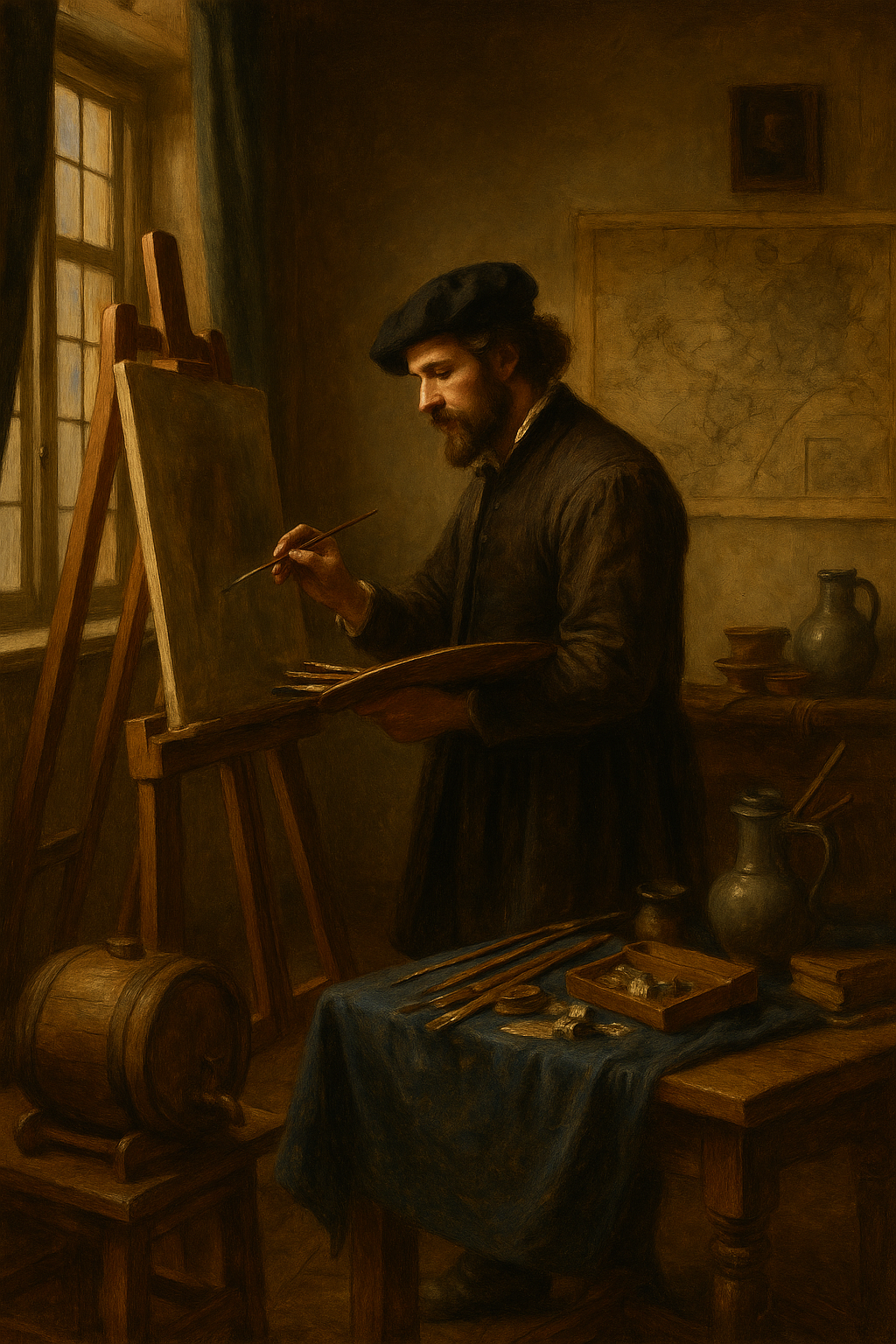
he 17th century in the Netherlands was an age of extraordinary prosperity, cultural flowering, and artistic achievement, when a small nation carved out a global empire of trade and ideas while producing some of the most influential paintings the world has ever seen. Known as the Dutch Golden Age, this period gave rise to an art market unlike any other in Europe, fueled not by monarchs or the church but by an increasingly wealthy middle class eager to decorate their homes with images that reflected their values, ambitions, and daily lives. The names that emerged—Rembrandt van Rijn, Johannes Vermeer, Frans Hals, Jan Steen—remain synonymous with artistic mastery, their canvases continuing to captivate audiences with their realism, intimacy, and luminous beauty.
What made this cultural explosion possible was a unique combination of political freedom, economic success, religious shifts, and social change. The newly independent Dutch Republic, freed from Spanish rule after decades of war, found itself at the center of a booming global trade network. Merchants and shipowners grew rich, and cities like Amsterdam, Haarlem, Delft, and Utrecht thrived as centers of innovation. This new bourgeois elite wanted art not just for prestige, but for enjoyment—portraits, landscapes, still lifes, and scenes of everyday life. Unlike in Italy or France, where royal courts and Catholic patrons dominated commissions, in the Netherlands, art was democratized: a painting might be purchased by a wealthy merchant, a brewer, or even a baker with enough spare income to invest in beauty.
This shift changed the very subjects of art. Instead of mythological gods or biblical grandeur, Dutch painters turned their gaze to group portraits of militia companies, quiet domestic interiors, intimate candlelit studies, vast skies above flat landscapes, and tables laden with cheese, bread, and silver cups. The focus was on the familiar, the real, the tangible—and yet, through the genius of artists like Rembrandt and Vermeer, the ordinary was transformed into something transcendent.
In this article, we will explore the Golden Age of Dutch Painting in depth, tracing its historical roots, highlighting its key figures, analyzing its genres, and uncovering why these works continue to enchant viewers centuries later. From Rembrandt’s profound psychological portraits to Vermeer’s radiant light-filled interiors, Dutch painting of the 17th century was not only a mirror of its society but also a milestone in the history of global art.
The Historical Context of the Dutch Golden Age
Independence and Prosperity
The Dutch Republic was officially recognized as independent from Spain in 1648 after the Treaty of Münster, though de facto independence had been established earlier. This political freedom coincided with economic prosperity driven by trade through the Dutch East India Company (VOC), fishing, and shipping. The wealth generated by commerce allowed for an unprecedented patronage of the arts.
The Rise of the Middle Class Patron
Unlike monarchies where kings and queens dictated artistic trends, the Netherlands saw middle-class households commissioning art. This democratization of demand meant painters needed to appeal to a wide audience, leading to incredible diversity in subject matter and style.
Religious Climate
The Dutch Republic was officially Protestant, with Calvinism influencing public morality and church decoration. Grand altarpieces became rare, but private commissions flourished, and secular subjects grew in popularity.
Genres That Defined Dutch Painting
Portraiture
Portraits were essential to Dutch society, capturing not just kings or nobles but also merchants, scholars, and families. Group portraits, like those of militia companies by Frans Hals or Rembrandt’s The Night Watch, became civic symbols.
Genre Scenes
These depicted everyday life—women at work, families at home, children playing, tavern scenes. Jan Steen, known for his humorous depictions of chaotic households, showed the moral lessons and mischief of Dutch society.
Landscapes
The flat Dutch countryside, dotted with windmills and waterways, became a subject of pride. Painters like Jacob van Ruisdael elevated landscapes into poetic reflections of nature and human endeavor.
Still Lifes
Tables of fruit, flowers, fish, and bread were painted with incredible realism. These weren’t just decorative but symbolic—known as vanitas paintings, they reminded viewers of the fleetingness of life.
Key Figures of the Dutch Golden Age
Rembrandt van Rijn (1606–1669)
No artist embodies the Dutch Golden Age more than Rembrandt. From his early success in Amsterdam to his later struggles with bankruptcy, his career reflects both triumph and tragedy. His portraits reveal extraordinary psychological depth, his biblical scenes achieve drama without grandeur, and his use of light and shadow revolutionized painting. Works like The Night Watch and his many self-portraits remain timeless studies of humanity.
Johannes Vermeer (1632–1675)
Though relatively obscure in his lifetime, Vermeer is now celebrated as a master of light and quiet intimacy. His works, like Girl with a Pearl Earring and The Milkmaid, transform domestic interiors into spaces of timeless beauty. Vermeer’s meticulous technique and ability to capture light make his paintings luminous jewels of Dutch art.
Frans Hals (1582–1666)
Known for his lively brushwork and expressive portraits, Hals captured the energy and character of his subjects with unmatched vitality. His group portraits of militia companies in Haarlem reveal both individuality and collective spirit.
Jan Steen (1626–1679)
A painter of humor and chaos, Steen’s genre scenes often depicted families in disarray, taverns filled with mischief, and moral lessons disguised in comedy. His works are both entertaining and revealing of Dutch values.
Jacob van Ruisdael (1629–1682)
A master of landscapes, Ruisdael depicted the Dutch countryside with drama and grandeur. His stormy skies and windmill scenes elevated the local environment to heroic scale.
The Art Market: Innovation in Patronage
The Dutch Golden Age also marked a revolution in the art market. With thousands of painters producing works, competition was fierce. Art fairs and markets allowed middle-class buyers to purchase paintings, and even small homes often contained multiple works of art. It is estimated that millions of paintings were produced during the 17th century, though only a fraction survive today.
Why Dutch Painting Still Matters
The Golden Age resonates because it bridged the gap between art as an elite expression and art as part of daily life. Its realism makes it relatable even today, while its technical mastery ensures its place in museums worldwide. Beyond beauty, Dutch art reveals the values of its society: discipline, order, prosperity, domesticity, and the ever-present awareness of life’s fragility.
FAQs: The Golden Age of Dutch Painting
Q: Why is it called the Golden Age?
A: The term refers to the 17th century when the Dutch Republic experienced immense prosperity, cultural achievement, and global influence.
Q: What made Dutch painting different from other European art?
A: It was driven by middle-class demand, focused on secular subjects like portraits, landscapes, and domestic life rather than royal or religious grandeur.
Q: How many paintings were produced during this era?
A: Estimates suggest millions, reflecting the booming art market of the time.
Q: Who is the most famous Dutch Golden Age painter?
A: Rembrandt is the most recognized, though Vermeer has gained enormous acclaim in modern times.
Q: Why are Vermeer’s works so rare?
A: Vermeer painted relatively few works—about 35 survive today—and his slow, meticulous process limited output.
Q: Did women paint during the Golden Age?
A: Yes, though less recognized, women like Judith Leyster achieved success, painting portraits and genre scenes.
Q: Where can I see Dutch Golden Age paintings today?
A: The Rijksmuseum in Amsterdam, Mauritshuis in The Hague, and many international museums like the Louvre and the Metropolitan Museum of Art hold masterpieces.
Conclusion: A Legacy That Still Inspires
The Dutch Golden Age was more than a historical moment—it was a cultural shift that redefined the role of art in society. By focusing on the real, the everyday, and the personal, Dutch painters created works that transcend time, offering us not just a glimpse into their world but insights into our own.
For learners of Dutch, exploring this art offers more than aesthetic enjoyment; it opens a window into the cultural and historical mindset that shaped the language itself.
At Polyglottist Language Academy, we believe that learning Dutch means engaging with the full richness of Dutch culture—from Rembrandt’s shadowed portraits to Vermeer’s glowing interiors. Our classes give you the tools to not just speak the language, but to understand the context in which it developed.
👉 Sign up today to begin your journey into Dutch language and culture.
If you enjoyed this article, keep exploring Dutch history, culture, and language with our other blog posts: