
The Dutch Obsession with Planning (And Why It Works)
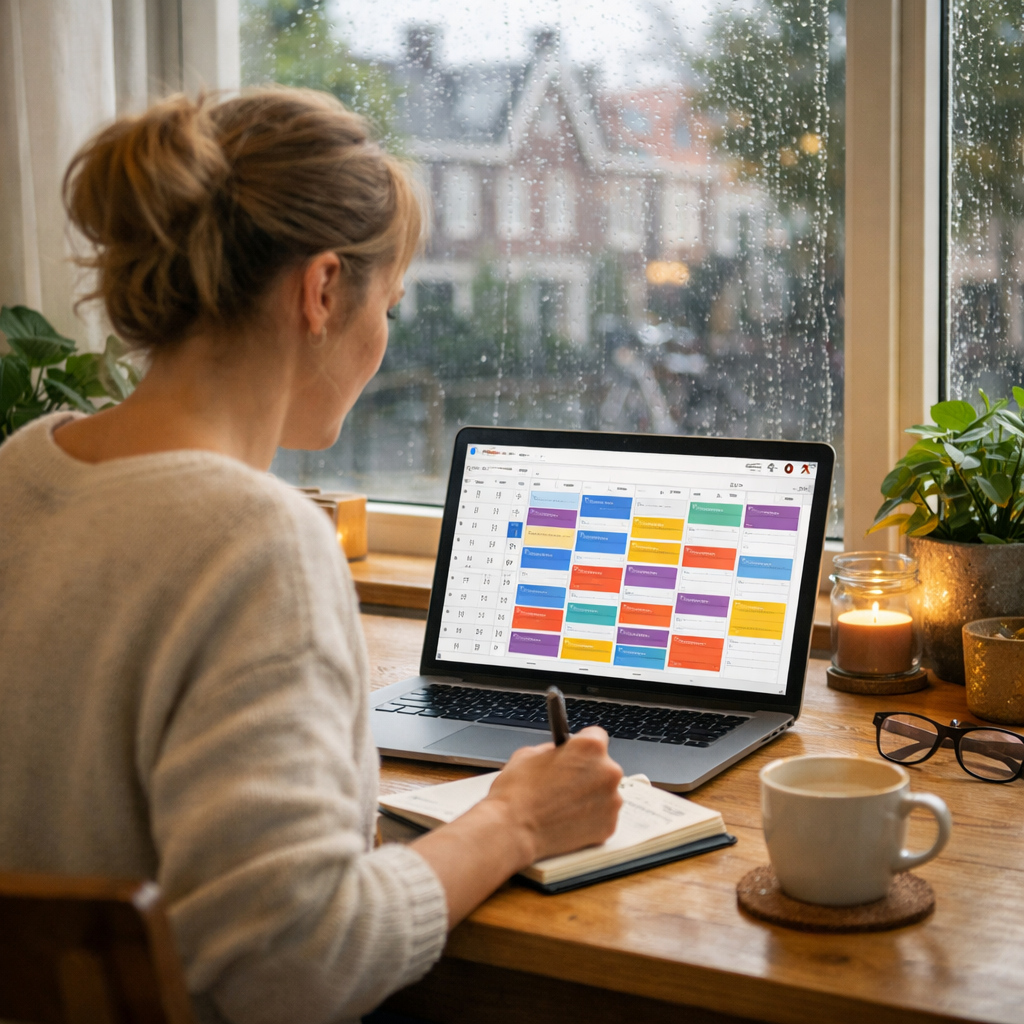
The Dutch obsession with planning is one of the first cultural quirks many newcomers notice—and one of the hardest to fully understand. For the Dutch, planning is not just a habit; it is a way of showing respect, protecting work–life balance, and making a busy, densely populated society function smoothly. For people arriving from more spontaneous cultures, it can feel baffling that a simple coffee date might be scheduled three weeks from now, or that dropping by someone’s home unannounced is quietly frowned upon. But once you understand the logic behind this planning culture, it starts to make sense—and can even make your life easier.
In this article, we’ll dive into why planning is so central in the Netherlands, how it shows up in everyday life, what values it reflects, and how it compares with more spontaneous cultures. We’ll explore concrete examples—from dinners and children’s schedules to work meetings and vacations—and look at both the benefits and the downsides of this planning mindset. You’ll also learn some key Dutch phrases used for scheduling, and get practical advice on how to adapt, avoid common mistakes, and even use your Dutch classes at Polyglottist Language Academy to make this transition smoother.
1. Why Planning Matters So Much in the Netherlands
Planning in the Netherlands isn’t just about being organized; it sits at the intersection of several core Dutch values: efficiency, equality, directness, and a strong sense of work–life balance.
Efficiency and the Dutch love of structure
The Netherlands is a small, densely populated country where people share limited physical and social space with many others. Trains, roads, cities, workplaces, schools—they all have to function like well‑oiled machines. This national scale need for coordination filters down into everyday life: if everyone tried to live spontaneously, the result would be chaos.
Planning allows people to:
Use time efficiently instead of wasting it on back‑and‑forth coordination.
Fit work, family, friends, hobbies, and rest into a finite number of hours.
Avoid surprises that could disrupt carefully balanced schedules.
In this context, planning is not seen as controlling but as respectful and pragmatic. Knowing what will happen tomorrow or next week isn’t boring; it’s comforting.
Equality and respect for time
Dutch society prides itself on being relatively egalitarian. You’ll see this in the informal way people address each other, the flat hierarchies at work, and the tendency to seek consensus rather than simply following the orders of a boss or elder.
In such a context, time becomes a great equalizer. Your time is not inherently more important than mine, and vice versa. Planning—making appointments, agreeing on times, sticking to them—is one of the main ways Dutch people show respect for each other’s time. When you keep your promises, arrive on time, and don’t cancel casually, you signal that the other person matters.
Work–life balance as a shared project
The Netherlands is often cited as a country with a strong work–life balance. Many people work part‑time, especially parents, and it’s very common to have fixed days off during the week. Even those who work full‑time often protect their evenings and weekends from unnecessary intrusion.
This balance does not happen by accident. It exists because people:
Deliberately carve out time for family, rest, and hobbies.
Resist working excessively long hours “just because.”
Use planning to protect non‑work time as fiercely as work commitments.
If you see planning as a way of enforcing boundaries, Dutch behavior suddenly becomes much more understandable. Your Thursday evening yoga class or Sunday lunch with family is just as “official” as a meeting with your manager.
2. How Planning Shows Up in Everyday Life
You can’t fully appreciate Dutch planning until you look at how deeply it is woven into daily routines. It appears everywhere—from social life and parenting to work and travel.
Social calendars: the agenda as a social tool
Many Dutch people live by their agenda. This might be a physical paper diary, but more often it’s a digital calendar such as Google Calendar, Outlook, or Apple’s calendar app. Social activities are not treated as informal extras; they are scheduled and logged.
Some typical examples:
Drinks with friends are planned two or three weeks ahead.
Birthday parties are scheduled and invitations sent well in advance.
“Borrels” (informal drinks) at work or with friends are calendar events, not spontaneous gatherings.
Even “doing nothing” can be protected—people may say they are “busy” even if the plan is simply to recharge.
This is why the phrase “Ik moet even in mijn agenda kijken” (“I have to check my calendar for a moment”) is so common. Before saying yes, people genuinely need to make sure they’re not double‑booking themselves or sacrificing much‑needed downtime.
Children’s schedules: micro‑planning for the whole family
Families with children are often the champions of planning. Children’s lives in the Netherlands are usually full of structured activities: school, homework, sports, music lessons, playdates, birthdays, and family visits. Parents build their weeks around these commitments.
Typical features of a Dutch family calendar:
Swimming lessons on Tuesday, football training on Wednesday, music class on Friday.
Playdates arranged between parents by phone or WhatsApp and scheduled into the calendar.
Shared digital calendars where each family member is a different color.
Detailed planning around school holidays, including grandparents’ visits, vacations, and daycare.
For parents who also work part‑time or juggle complex schedules, planning is survival. Without a shared calendar, no one would know who is where, when, with whom.
Work meetings: the kingdom of the calendar invite
Planning is not limited to private life; it dominates the workplace as well. If you work in a Dutch company or institution, you’ll quickly see how calendars rule.
Common practices include:
Scheduling meetings well in advance and sending official calendar invitations.
Including clear topics or an agenda in the invite.
Respecting other people’s blocked time, including part‑time days and focus hours.
Booking rooms, resources, and even coffee or lunch slots ahead of time.
Spontaneous meetings do happen, but they are often limited to quick stand‑ups or brief hallway chats. Anything that involves more than a few minutes is likely to be given a formal time slot.
Vacations and holidays: planned long before they happen
Dutch people love their vacations and long weekends, and they take them seriously. School holiday dates are known far in advance, and many families book trips months ahead to secure accommodation and align with work schedules.
This planning includes:
Booking summer camping spots or holiday homes well before the season.
Scheduling time off around official public holidays and “bridge days.”
Coordinating vacation periods with partners and children’s school calendars.
Using shared calendars to make sure multiple adults are not away at the same time in critical roles.
To an outsider, this can look extreme—especially if you’re used to last‑minute trips. But for Dutch families, it’s simply what’s required to make sure everyone gets a break.
Coffee dates and dinners: why “next month” is normal
One of the most surprising aspects of Dutch planning is how far in advance people schedule relatively small things like a coffee date or dinner at home. You suggest coffee, and your Dutch friend says, “Great! How about three Thursdays from now at 10:30?”
Here’s what may be happening under the surface:
Their evenings are already booked with existing commitments.
Weekends are reserved for family, sports, or trips.
They want to make sure they are not too tired or rushed to give you proper attention.
They’re trying to respect existing appointments and avoid double‑booking.
So when a Dutch person suggests meeting “next month,” it usually means they’re genuinely trying to carve out a time that works, not subtly brushing you off.
3. Punctuality and “Appointment Culture”
Planning in the Netherlands comes with a strong emphasis on punctuality and appointments. These are not small cultural details; they’re central to how relationships and trust are built.
Punctuality as a form of respect
In Dutch culture, being on time is basic courtesy. It signals that you take the appointment, and the other person’s time, seriously.
This means:
Arriving at or just before the agreed time is the norm.
If you’re going to be late, you send a message or call as soon as possible.
Being consistently late can damage how reliable others think you are.
This punctuality applies to social life, not just work. Turning up half an hour late to a dinner without warning is likely to make your hosts anxious or irritated.
Appointments are “real” commitments
The word “afspraak” (appointment) is very important in Dutch. Once something is an afspraak, it is considered a real commitment, not a vague idea.
You’ll see this in phrases like:
“We hebben een afspraak” – “We have an appointment.”
“Ik kom mijn afspraken na” – “I keep my appointments.”
“Hij komt zijn afspraken niet na” – “He doesn’t keep his commitments.”
Breaking an afspraak casually—cancelling at the last minute for a minor reason, or simply not showing up—is taken seriously and may harm your reputation, both personally and professionally.
The tension between punctuality and last‑minute cancellations
Interestingly, some internationals notice a seeming contradiction: the Dutch are very punctual, yet social plans can sometimes be cancelled last minute. When this happens, it’s often because something more important has come up in the hierarchy of obligations—work, family emergencies, or major commitments.
For a newcomer who has waited weeks for a social meetup, this can feel frustrating. It helps to remember that Dutch people usually feel genuinely bad about cancelling, even if they don’t express it dramatically. They may assume that rescheduling is simply part of life and not necessarily a personal slight.
4. The Values Behind Dutch Planning
Once you grasp the values underneath Dutch planning habits, the behavior becomes far less mysterious.
Efficiency and clarity
Dutch people generally value clear, straightforward arrangements. Planning in advance and setting specific times avoids confusion and reduces the need for constant renegotiation.
Instead of:
“We should hang out sometime”—which leaves everything undefined.
You’re more likely to hear:
“Shall we meet next Thursday at 19:30 at my place?”
That specificity feels efficient and respectful. It also aligns perfectly with Dutch directness in communication.
Directness and honesty
Dutch directness is famous (or infamous) among expats. People tend to say what they mean without wrapping it in layers of politeness or euphemism.
This directly supports planning culture:
If a date doesn’t work, they simply say so.
If they don’t feel like doing something, they may say “No, not this week” without drama.
If they are busy, they’ll be open about it rather than pretending otherwise.
For someone from a more indirect culture, this can feel blunt or even rude at first. But once you understand that this directness is meant to save time, reduce misunderstandings, and treat everyone as an equal adult, it becomes much easier to work with.
Work–life balance and boundaries
Planning is also a way to protect what matters. If you always say yes to spontaneous invitations, you risk burning out, neglecting family, or losing the ability to rest.
Dutch people often:
Protect evenings with their partner or children.
Schedule exercise and hobbies as non‑negotiable commitments.
Say “no” to extra work or invitations when their schedule is already full.
In this context, a full calendar is not necessarily a badge of busyness; it can be a map of what someone has deliberately chosen to prioritize.
5. How Dutch Planning Compares to More Spontaneous Cultures
If you come from a culture where spontaneity is a sign of warmth and closeness, the Dutch approach can feel like a cultural clash.
Spontaneity as care vs. planning as respect
In many Southern European, Latin American, or certain American communities, inviting someone for coffee “right now” is a gesture of affection and openness. Dropping by a friend’s house unannounced might be seen as the ultimate sign that you feel at home with each other.
In the Netherlands, the same behaviors can be experienced very differently:
An unannounced visit might interrupt carefully planned family time or rest.
A last‑minute invitation might clash with existing commitments.
A vague “Let’s see this weekend” without a specific time can feel non‑committal.
Instead of seeing planning as cold, the Dutch see it as a way of showing that you are important enough to be carved into a crowded schedule.
Common misunderstandings
This difference in values leads to predictable misunderstandings:
The newcomer feels hurt: “If they really liked me, they’d make time sooner.”
The Dutch person feels pressured: “Why are they trying to push themselves into my schedule at the last minute?”
The newcomer waits passively for invitations, assuming the host should initiate.
The Dutch friend assumes the newcomer is busy or uninterested because they never propose concrete dates.
Recognizing these patterns can help you reframe your expectations. If a Dutch friend suggests meeting in three weeks and writes it in their agenda, that’s usually a sign of commitment, not distance.
6. Everyday Scenarios: A Closer Look
To make this even more tangible, let’s walk through some specific scenarios.
Planning a dinner with friends
Step by step, a typical Dutch dinner plan might look like this:
One couple messages another: “We haven’t seen each other in a while, shall we have dinner soon?”
Both couples open their agendas and propose specific dates, sometimes several weeks ahead.
Once a date and time are chosen, someone sends a calendar invite or confirms it in the group chat.
Closer to the date, the host may ask about dietary preferences or who brings what.
Everyone arrives at the agreed time, and the evening is relaxed because no one rushed to squeeze it in.
From the outside, it may seem strange that it took a month to have dinner. From the inside, it feels like a reliable, stress‑free way to ensure quality time.
Organizing a child’s week
For a Dutch family with school‑age children:
Monday: School, then football training.
Tuesday: School, swimming lesson.
Wednesday: Early school finish, playdate scheduled with another child.
Thursday: Music lesson.
Friday: Family evening or sports.
Weekend: One day visiting grandparents (planned ahead), one day for rest or outings.
Parents coordinate who picks up which child when, who cooks, and who works on which days—often through shared calendars. Without careful planning, this would be impossible.
Scheduling work meetings
In a Dutch office:
A project lead wants a meeting with three colleagues.
They check everyone’s availability via shared calendars.
They send out a meeting invite with a clear time, location (meeting room or online link), and purpose.
Attendees accept or propose new times if needed.
The meeting starts and ends roughly on time.
The system only works if everyone takes planning seriously, keeps their calendar updated, and respects the appointments.
Booking vacations
A Dutch couple with children might:
Look at the school holiday calendar at the beginning of the year.
Decide which weeks they want to travel and when to stay home.
Ask employers for those weeks off well in advance.
Book a campsite or holiday home months before the trip.
Enter everything into the family calendar to avoid clashes with other obligations.
While this seems meticulous, it guarantees that everyone gets rest and that both work and family responsibilities remain covered.
7. The Benefits of the Dutch Planning Mindset
Once you have lived in the Netherlands for a while, the benefits of this culture often become clear—even if you still miss a bit of spontaneity.
Reduced stress in the long run
Planning ahead reduces the constant mental load of “What are we doing? When? With whom?” Instead of negotiating every detail at the last minute, decisions are made once and then simply followed. For busy people, this can be a huge relief.
Higher productivity without longer hours
Because time is treated as a finite resource, Dutch workers often focus on getting things done within the hours they have, rather than “being at work” for the sake of appearances. Planning supports this by:
Creating clear time blocks for tasks.
Avoiding unnecessary, time‑wasting meetings.
Ensuring people can actually focus when they are supposed to.
Even if you’re personally more laid‑back, you can benefit from the structure that surrounds you.
Clearer boundaries and better balance
Planning is a tool for saying no. When your calendar is full, you can truthfully tell someone, “I’m sorry, I’m already booked that week.” This makes it socially acceptable to protect evenings, weekends, and holidays—without being seen as lazy or antisocial.
Stronger trust and reliability
Over time, planning builds trust. When you learn that people generally show up when they say they will, you no longer waste energy worrying about whether things will actually happen. This predictability is part of what many people come to love about living in the Netherlands.
8. Possible Downsides: Rigidity and Lost Spontaneity
No cultural habit is perfect, and Dutch planning has its drawbacks as well.
Feeling boxed in
When everything is scheduled—work, sports, social life, family time—you may sometimes feel there is no room left for surprise or impulse. If you are someone who thrives on spontaneity, living in a highly planned environment can feel suffocating.
Slower relationship building
For newcomers, the long gaps between planned social events can slow down the process of building friendships. When you’re used to seeing people several times in the first week of knowing them, “Let’s meet in a month” might stall the connection before it fully develops.
Hurt feelings around cancellations
Waiting weeks for a coffee or dinner and then having it cancelled at the last minute can be especially painful when you’re new. You might read a lot into that cancellation (“They don’t like me,” “I’ll never make friends here”), even when the actual reason is simply schedule overload.
Emotional distance vs. practical reality
To some people, planning every social interaction makes relationships feel less warm or sincere. It can take time to recognize that, for many Dutch people, adding you to their agenda is precisely how they show that you matter.
9. Language, Communication, and Planning
Planning in the Netherlands isn’t just a behavior; it’s baked into everyday language. Learning some key phrases will help you both understand and participate in this culture.
Common Dutch phrases around planning
Here are some phrases you’re likely to hear and use:
“Ik moet even in mijn agenda kijken.”
“I need to check my calendar for a moment.”“Wanneer komt jou uit?”
“When suits you?” / “What works for you?”“Zullen we een afspraak maken?”
“Shall we make an appointment?”“Kan niet, ik zit al vol die week.”
“Can’t, I’m already full that week.”“Zal ik je een uitnodiging sturen?”
“Shall I send you an invitation?” (often for a calendar invite)“Laten we een datum prikken.”
“Let’s pick a date.”
Learning these expressions helps you understand what’s happening socially and shows you know how things are done.
Directness in scheduling
You’ll also notice how direct Dutch people are when setting or changing plans:
Instead of “I’m so sorry, but unfortunately…,” you may hear “Dat lukt niet” (“That doesn’t work”) followed by a factual explanation.
Instead of vague interest (“We should definitely meet sometime!”), you’ll often get concrete options: “Wednesday at 19:30 or Friday at 20:00?”
It’s rarely personal. The goal is to reach a clear decision quickly, not to navigate around anyone’s feelings. When you realize this, you can interpret straightforward replies as normal, not as signs of annoyance.
10. How to Adapt as an Expat, Traveler, or Language Learner
If you’re new to Dutch culture, adapting to planning habits is one of the most valuable skills you can develop. It will affect your social life, your work, and your overall experience of the country.
Practical tips for adapting
Use a real calendar
Don’t rely on memory or informal notes. Start using a digital calendar and put everything in it: classes, coffees, birthdays, work events, and even rest days.Be specific when you suggest plans
Instead of saying “We should grab a drink sometime,” say “Are you free next Thursday or Friday evening?” Give two or three options.Accept that “next month” can be normal
When someone suggests a date far away, try not to take it as rejection. See it as a sign that they take the appointment seriously and want to make it work.Respect punctuality
Make a habit of leaving early enough to be on time. If you’re running late, send a quick message. This small courtesy builds trust fast.Avoid dropping by unannounced
Always send a message first. If you’re close friends, you’ll learn over time how flexible you can be, but start with the more formal, planned approach.Be honest about your availability
If you are too busy, say so and propose alternatives. This is more appreciated than vague half‑promises.
Common mistakes to avoid
Waiting passively for others to invite you. Dutch people may assume you’re busy if you never propose anything.
Taking direct refusals personally. A “no” to a certain date is usually just about the schedule, not about you.
Over‑promising out of politeness. Don’t say “Yes, maybe” if you can’t or don’t want to. It’s better to be clear.
Ignoring your own need for rest. Once you start planning like the Dutch, it’s tempting to fill every slot. Leave white space in your calendar too.
11. Connecting Planning Culture to Dutch Classes at Polyglottist
If you’re learning Dutch, understanding planning culture is just as important as learning grammar and vocabulary. It affects how you make friends, work with colleagues, and interact with neighbors. At Polyglottist Language Academy, we integrate these cultural insights into our Dutch classes so you don’t just speak Dutch—you live it.
How Dutch classes can help
In a good language course, you don’t merely memorize phrases; you practice using them in realistic situations. For planning, that might mean:
Role‑playing how to set up a coffee date or work meeting in Dutch.
Practicing phrases for accepting, declining, or rescheduling plans.
Learning how to politely say no while staying direct and clear.
Discussing real‑life scenarios from your own experience and getting feedback.
By connecting language and culture, you’ll feel more confident sending messages like “Zullen we volgende week afspreken?” or responding when someone says they need to “check their agenda.”
If you want to deepen both your Dutch and your understanding of everyday life here, you can explore the Dutch courses at Polyglottist Language Academy:
Dutch Classes Schedule
Our classes are designed specifically with internationals in mind, including expats who are navigating exactly the planning culture described in this article.
12. FAQs About Dutch Planning Culture
1. Is it rude to suggest meeting sooner than a few weeks from now?
Not necessarily. You can certainly propose sooner dates, especially if you explain why (“I’m only in town this week”). Just be ready for the answer to be “I’m full this week, but I can do later.”
2. Do Dutch people ever do anything spontaneously?
Yes, especially with close friends or family. But spontaneity usually happens within the boundaries of already planned obligations, and often with people who know each other’s rhythms well.
3. How far in advance should I ask for a social appointment?
A good rule of thumb is one to three weeks for casual social plans, and more for busy seasons like December or school holidays.
4. Is it okay to say no to invitations?
Absolutely. It’s better to say no clearly than to be vague. You can soften it slightly (“This week is too busy for me”) but still be direct.
5. What if my culture values spontaneity and open doors?
You don’t have to completely abandon your own style. Many people create hybrid habits: planning most things the Dutch way, while keeping a bit of flexibility with close friends or in their own homes.
6. Will Dutch people think I’m rude if I’m sometimes late?
Occasional lateness happens and is usually forgiven, especially if you message ahead. Consistent lateness, however, can damage how reliable people consider you.
7. Are work and private planning norms the same?
They overlap, but work tends to be even more structured. Social life has more flexibility; with close friends, you may relax the rules a bit over time.
8. How can I politely push for a date if someone keeps saying “Yes, we should meet sometime” but nothing happens?
Take the initiative: propose three specific dates and times. If they still don’t commit after that, it might be a sign they’re not ready to prioritize the meeting.
9. Should I plan my Dutch study time too?
Definitely. Regular, scheduled study sessions are much more effective than occasional bursts. Treat your Dutch learning like any other important afspraak.
10. Will learning Dutch make planning easier?
Yes. Once you can understand and use scheduling phrases comfortably, you’ll feel more at home in both social and professional settings.
13. Further Reading: Other Dutch Culture Articles
If you enjoyed exploring Dutch planning culture, you might like diving into other aspects of life in the Netherlands. Here are some ideas for topics you can look up next: