
Learn Dutch in Portland: Flexible Online Classes for Adults
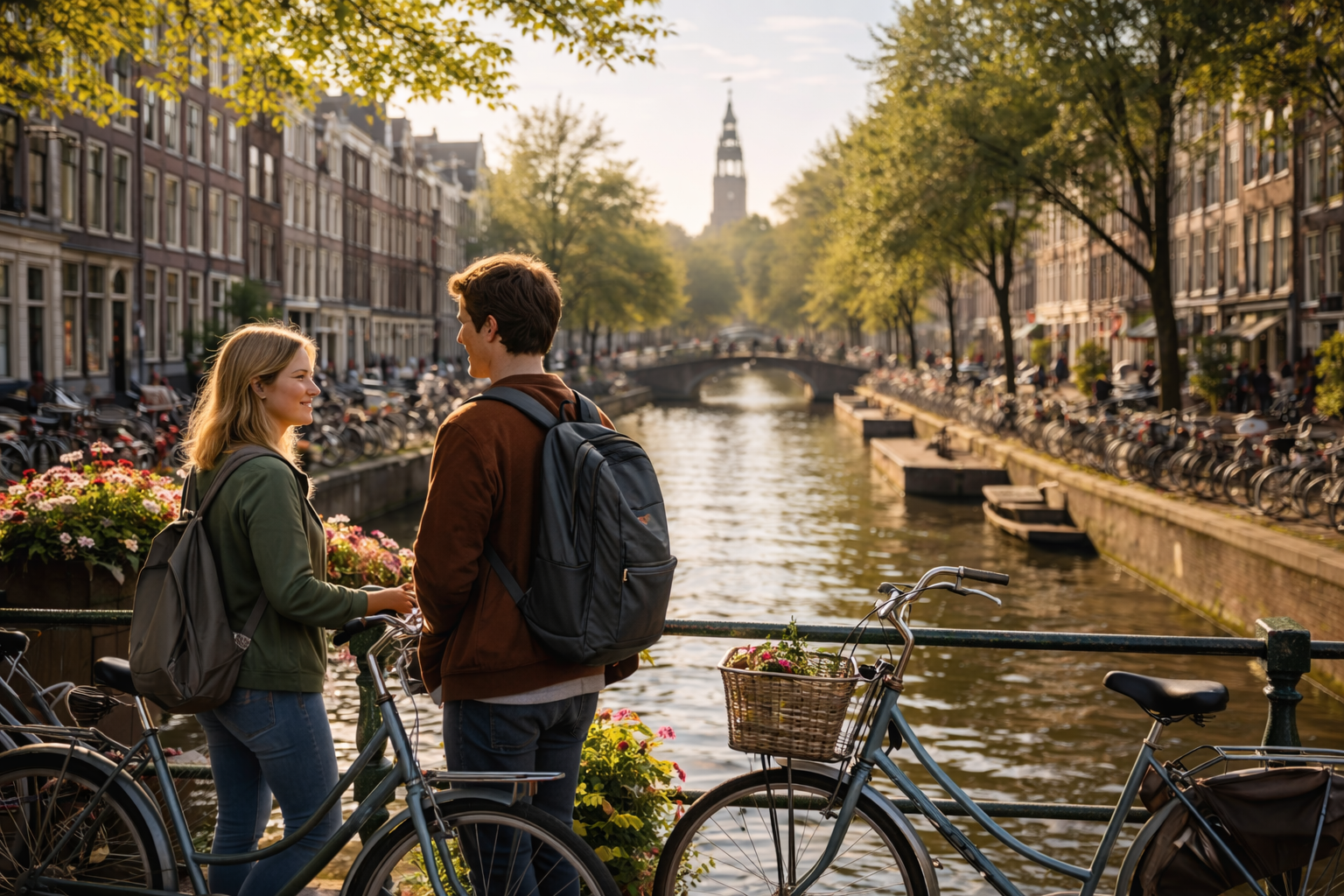
In a city known for independent thinking, international curiosity, and a deep appreciation for thoughtful living, Portland residents often pursue learning not as a requirement but as a reflection of who they are and where they hope to go — and it is precisely within this culture of intentional growth that learning Dutch has quietly become an increasingly meaningful goal for adults seeking connection with Europe, new opportunities abroad, or simply a richer understanding of a society whose values resonate strongly with Portland’s own.
Unlike languages commonly studied for travel convenience or global business, Dutch attracts learners with specific motivations. People rarely wake up one morning and casually decide to learn Dutch. Instead, the decision usually grows slowly — through travel experiences, relationships, academic interests, urban design fascination, or serious plans to relocate to the Netherlands or Belgium. In Portland, where lifestyle choices often reflect long-term values, Dutch language learning fits naturally into the rhythm of thoughtful planning and intellectual exploration.
This guide explores why adults in Portland are increasingly interested in Dutch, who typically enrolls in courses, what makes Dutch uniquely approachable for English speakers, and how flexible online classes allow busy professionals and lifelong learners to build real language skills from home.
Why Dutch Appeals to Portland Learners
Portland and the Netherlands share more cultural similarities than many people initially realize.
Both prioritize:
sustainable urban living
cycling culture
environmental awareness
walkable communities
work–life balance
strong public culture and education
Many Portland residents encounter Dutch society through documentaries, travel, architecture discussions, or conversations about urban planning. Amsterdam, Utrecht, and Rotterdam frequently appear as models for livable cities — places where infrastructure and quality of life align with values already important to Portlanders.
For many adults, learning Dutch becomes a way of engaging more deeply with a culture they already admire.
Who Studies Dutch in Portland?
Dutch learners form a distinct group compared to students of more widely spoken languages. Based on Portland demographics and enrollment patterns across U.S. language programs, several learner profiles stand out.
1. Professionals Planning a Move to the Netherlands
This is the fastest-growing group of Dutch learners.
Portland attracts remote professionals, designers, engineers, and sustainability specialists — many of whom begin researching European relocation options. The Netherlands frequently emerges as a top destination because of its international workforce, English-friendly environment, and progressive social infrastructure.
Even though English is widely spoken there, many future expats recognize that learning Dutch:
improves job opportunities
eases integration
strengthens social connections
demonstrates cultural respect
These students often approach language learning with clear long-term goals and strong motivation.
2. Academics and Graduate Students
Dutch plays an important role in several academic disciplines:
art history (Dutch Golden Age painting)
colonial and maritime history
theology and philosophy
European studies
architecture and urban planning
Portland’s academic and research communities include many learners who want reading knowledge or cultural literacy connected to their field of study.
For these students, Dutch is both practical and intellectually enriching.
3. Urbanism and Sustainability Enthusiasts
Few American cities are as invested in urban planning conversations as Portland.
Residents interested in cycling infrastructure, housing policy, and climate-resilient design frequently look toward Dutch cities for inspiration. Learning Dutch allows these learners to access local discussions, media, and perspectives unavailable through translation alone.
Language becomes a gateway into understanding how another society organizes everyday life.
4. Relationship and Family Connections
Another common motivation is personal connection.
Many learners begin studying Dutch because they:
have Dutch partners or relatives
spend extended time visiting family abroad
want to communicate with in-laws
plan bi-national futures
These students often become some of the most dedicated learners because language directly strengthens relationships.
5. Cultural Travelers and Lifelong Learners
Portland travelers often prefer immersion over tourism. Rather than visiting places briefly, they seek deeper experiences — staying longer, understanding local customs, and connecting meaningfully with communities.
Dutch offers an accessible entry point into European multilingualism while still presenting enough challenge to feel intellectually rewarding.
Is Dutch Difficult to Learn?
One of the most encouraging facts for English speakers is that Dutch is among the easiest European languages to learn.
English and Dutch share historical linguistic roots, which means learners quickly recognize familiar vocabulary and sentence structures.
Students are often surprised to discover how much they understand early on:
water (water)
huis (house)
appel (apple)
Pronunciation introduces new sounds, but progress tends to feel steady and motivating.
Many learners begin speaking simple sentences within weeks of structured instruction.
Why Adults Thrive in Dutch Classes
Adult learners bring advantages younger students often lack:
clear goals
self-discipline
curiosity
real-world context
Rather than memorizing language mechanically, adults connect new vocabulary to meaningful experiences — travel plans, professional ambitions, or cultural interests.
Dutch courses designed specifically for adults emphasize communication, comprehension, and confidence rather than rote memorization.
The Advantages of Flexible Online Learning
Portland’s lifestyle makes online classes particularly effective.
Long commutes across the metro area, unpredictable schedules, and remote work arrangements mean flexibility matters.
Online Dutch classes allow students to:
learn from home
maintain consistent routines
join small interactive groups
access expert instructors regardless of geography
For many learners, studying from a comfortable environment reduces anxiety and increases participation.
What Effective Dutch Instruction Looks Like
Successful language learning requires more than exposure to vocabulary apps or casual conversation.
A strong course includes:
structured grammar explanations
guided speaking practice
listening comprehension exercises
cultural context
gradual skill progression
One common misconception is that any native speaker can teach effectively. In reality, teaching beginners requires specialized training. Professional instructors understand how to introduce concepts logically, anticipate challenges, and build confidence step by step.
This pedagogical structure makes the difference between frustration and lasting progress.
Building Confidence Step by Step
Students often worry about making mistakes. However, mistakes are an essential part of language learning.
Good courses create supportive environments where learners feel comfortable experimenting with language.
Small-group classes help students:
practice speaking regularly
learn from peers
stay motivated
celebrate progress together
Language learning becomes social rather than isolating.
The Long-Term Benefits of Learning Dutch
Beyond practical outcomes, students frequently experience unexpected rewards:
improved cognitive flexibility
increased cultural awareness
greater travel confidence
expanded professional opportunities
Many learners discover that studying Dutch opens doors to additional languages, particularly German and Scandinavian languages.
Polyglottist Language Academy: Academic Language Learning for Real Life
Polyglottist Language Academy was founded with a clear vision: to bring university-level language education beyond academic campuses and make it accessible to the wider community.
The school began when a UC Berkeley graduate student, after studying multiple languages in rigorous academic environments, realized that high-quality language instruction was often limited to enrolled university students. Outside those institutions, learners lacked spaces where serious language study could take place in an intellectually engaging and social environment.
Polyglottist Language Academy was created to change that.
Founded in 2014, the academy started as a collaboration with graduate students from various language departments who shared a passion for teaching. What began as a small initiative quickly grew into a thriving language-learning community.
Today, the academy offers online and in-person classes taught by highly qualified instructors — many holding master’s degrees or PhDs in linguistics, literature, and language pedagogy.
Our philosophy is simple:
Language teaching is a profession requiring training, methodology, and experience. While native speakers may offer conversation practice, effective beginner instruction demands structured guidance and pedagogical expertise.
Students at Polyglottist Language Academy benefit from:
expert instructors
small supportive groups
carefully designed curricula
intellectually engaging lessons
flexible scheduling for adult learners
Our Dutch courses are designed specifically for adults balancing work, family, and personal goals while pursuing meaningful language learning.
FAQs About Learning Dutch in Portland
Do I need prior experience?
No. Most students begin as complete beginners.
How long does it take to learn Dutch?
Basic conversational ability typically develops within several months of consistent study.
Is Dutch useful if people speak English in the Netherlands?
Yes. Speaking Dutch significantly improves integration and cultural understanding.
Are online classes interactive?
Yes. Students actively participate in discussions and speaking exercises.
How much time should I study weekly?
Two to four hours per week supports steady progress.
Is Dutch easier than German?
Many English speakers find Dutch more accessible due to vocabulary similarities.
Can busy professionals keep up?
Flexible schedules and structured lessons make classes manageable.
Will I learn about culture as well as language?
Yes. Cultural context is integrated throughout instruction.
Start Learning Dutch Today
Portland is a city shaped by curiosity, intentional living, and openness to global perspectives — qualities that align naturally with the journey of learning Dutch. Whether you are preparing for relocation, strengthening personal connections, or exploring a culture that reflects many of your own values, Dutch offers a rewarding and achievable path into multilingual life.
At Polyglottist Language Academy, we invite you to join a community of adult learners who approach language study thoughtfully and seriously, guided by expert instructors committed to helping you succeed.
👉 Explore our Dutch classes and sign up today to begin your learning journey.
Continue Reading on Our Blog:
Learn Dutch In Seattle: Small-Group Online Classes For All Levels
Dutch Classes In Los Angeles: Learn The Language Of The Netherlands Online
The Dutch Identity: A Culture Shaped By Land, Sea, And Trade
The #1 Grammar Rule You Need To Master To Speak Dutch Fluently
Do All Dutch People Speak English? The Truth Behind The Stereotype
San Francisco Dutch Language Classes: Flexible Online Options For Busy Adults
Is Dutch Easier To Learn If You Already Speak German Or Afrikaans?