
10 Russian Beauty Stereotypes That Are Actually True (And 5 That Aren’t)
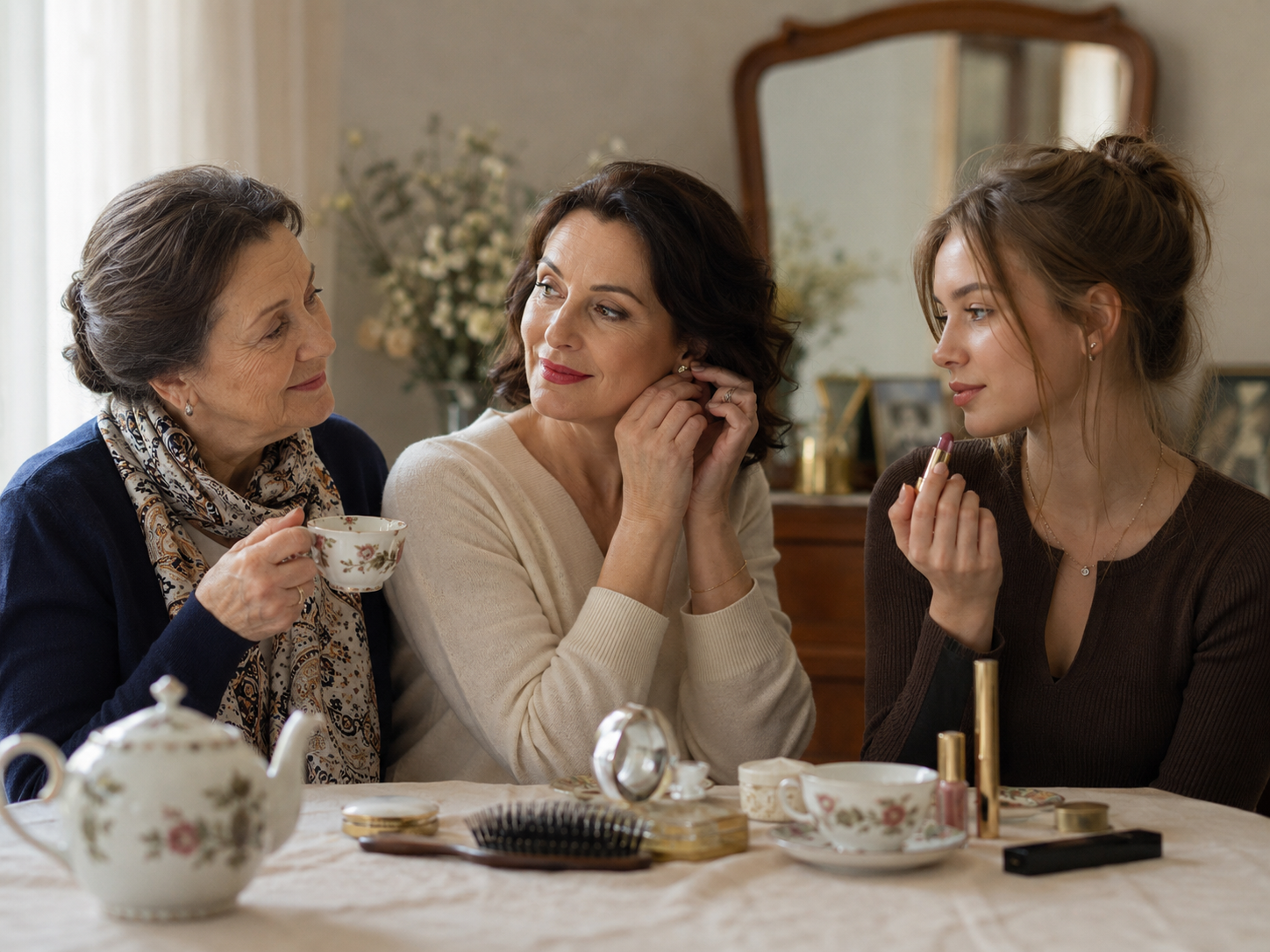
Russian beauty has been mythologized for decades—admired, exaggerated, misunderstood, and often turned into a set of clichés by movies, social media, travel stories, and internet stereotypes. Foreigners hear that Russian women are always elegant, always groomed, always serious about appearance, always wearing heels, always perfectly dressed, and somehow always ready for a formal occasion even when they are only going to the grocery store.
Like many stereotypes, this one contains a small piece of truth—but also a lot of distortion.
Russian beauty standards are often misunderstood from the outside. Foreigners notice the polished clothes, styled hair, makeup, manicures, and high expectations around presentation, but they often miss the deeper cultural reasons behind them. In Russia, beauty is rarely just about “looking pretty.” It is connected to respect, self-discipline, public behavior, social class, history, gender expectations, climate, and even language.
To talk honestly about Russian beauty standards, we have to move beyond the fantasy version. We have to ask better questions. Why does “looking put together” matter so much in many Russian contexts? Why is casualness interpreted differently in Russia than in the United States? Why does grooming sometimes feel like a social obligation rather than a personal hobby? And why do so many Russian women both participate in beauty culture and criticize it at the same time?
The answer is not simple. Russia is a huge and diverse country, and beauty norms vary by region, generation, income level, profession, and personality. Moscow and St. Petersburg do not represent every Russian city. Younger Russians often think differently from their mothers and grandmothers. Urban professionals may have very different habits from people in smaller towns. And not every Russian woman is interested in fashion, makeup, or traditional femininity.
Still, there are cultural patterns worth understanding—especially if you are learning Russian, traveling to a Russian-speaking country, reading Russian literature, or trying to understand how Russians communicate through subtle social cues. Beauty, in this context, is not superficial. It is a cultural language.
This article looks at 10 Russian beauty stereotypes that are partly true—and 5 that are not. The goal is not to judge Russian beauty culture, romanticize it, or reduce Russian women to appearance. The goal is to understand what beauty reveals about Russian culture, social expectations, and everyday life.
Russian Beauty Standards: What Foreigners Often Misunderstand
When Americans or Western Europeans first encounter Russian beauty culture, they often interpret it through their own cultural assumptions. If a woman wears makeup every day, she may be seen as trying too hard. If she wears heels or a tailored coat, people may assume she is dressing for male attention. If she refuses to leave the house looking “messy,” outsiders may think she is insecure or overly concerned with appearances.
But in Russian culture, the meaning can be very different.
Looking polished is often connected to self-respect. It can signal that you take yourself seriously, that you respect the people around you, and that you understand the social setting you are entering. Appearance is not always treated as purely individual. It can be relational. In other words, how you present yourself communicates something to other people.
This does not mean everyone follows the same rules. Russia has plenty of casual fashion, alternative style, minimalist beauty, and people who reject traditional standards entirely. But compared with many parts of the United States, Russian public presentation often carries more weight.
A useful way to understand the difference is this:
In many American settings, casualness can signal authenticity.
In many Russian settings, polish can signal dignity.
Neither culture is “right” or “wrong.” They simply read appearance differently.
Part I: 10 Russian Beauty Stereotypes That Are Actually True
1. Russian Women Often Put Noticeable Effort Into Their Appearance
This stereotype exists for a reason. In many Russian cities, especially large urban centers like Moscow and St. Petersburg, it is common to see women looking carefully put together even on ordinary days. Hair may be styled. Shoes may be chosen intentionally. Makeup may be subtle but present. Coats, bags, scarves, and accessories often look coordinated rather than random.
To foreigners, this can feel surprisingly formal. In the United States, someone might go to a café in leggings, sneakers, and an oversized hoodie without thinking twice. In Russia, especially among older generations or in more traditional environments, that same outfit might look unfinished unless it has been styled deliberately.
But this effort is not necessarily about vanity. It is about presentation.
Looking unkempt can sometimes be interpreted as laziness, sadness, poor self-care, or lack of self-respect. The idea is not always “look glamorous.” More often, it is “look like you made an effort.”
This mindset has historical roots. During the Soviet period, clothing options were limited, but women still found ways to look elegant through tailoring, grooming, scarves, shoes, hair, and careful combinations. Beauty became one of the few areas where individuality and dignity could still be expressed. Even when material choices were restricted, effort mattered.
That legacy still lingers today.
2. “Natural Beauty” Often Means Carefully Maintained Beauty
When Russians say someone looks natural, they usually do not mean “rolled out of bed.” They often mean harmonious, understated, balanced, and controlled.
This is one of the biggest cultural differences around beauty.
In some Western contexts, “natural beauty” may mean bare skin, visible imperfections, messy hair, no makeup, comfortable clothes, and an intentionally effortless look. In Russia, natural beauty can still involve effort. Hair may be dyed close to a natural shade. Makeup may be neutral but carefully applied. Skin may be treated with a serious skincare routine. Nails may be short and simple but still manicured.
The goal is not necessarily to look artificial. The goal is to look naturally good.
That phrase—naturally good—is important. It means the work should not be too obvious, but the result should still look polished.
This is why many Russian beauty routines focus on maintenance: skincare, hair care, nail care, posture, clothing fit, and grooming. The ideal is often not dramatic transformation. It is controlled enhancement.
3. Hair Matters—a Lot
Hair is central to Russian beauty culture. Healthy, thick, shiny, well-maintained hair is strongly associated with femininity, youth, and vitality.
Many Russian women take hair care seriously: regular trims, masks, oils, salon visits, color maintenance, careful blow-drying, and styling. Even women who do not wear much makeup may still care deeply about their hair.
Messy hair is not romanticized in the same way it sometimes is in Western fashion culture. The “undone” look can work in Russia too, especially among younger urban women, but it usually has to look intentionally undone. There is a difference between relaxed style and visible neglect.
This is why hair often becomes a major part of Russian beauty standards. It frames the face, signals health, and communicates discipline. For many women, leaving the house with wet, tangled, or obviously unstyled hair can feel uncomfortable—not because everyone will say something, but because the person herself may feel unfinished.
Hair is also tied to traditional ideas of femininity. Long hair, soft waves, shine, and volume have long been admired, though modern Russian fashion includes every possible hairstyle now: short cuts, bold color, minimalist bobs, natural curls, and experimental styles.
Still, the cultural importance of hair remains strong.
4. Groomed Nails Are the Norm
In many Russian cities, well-maintained nails are not treated as a luxury. They are treated as basic grooming.
This does not always mean long nails, bright colors, or dramatic designs. Many women prefer neutral polish, classic red, French manicures, short clean nails, or simple gel manicures. The key is that the nails look intentional and cared for.
Chipped polish, bitten nails, or visibly neglected hands may stand out more in Russia than in some casual American environments. Again, the reason is not necessarily harsh judgment. It is that grooming is often viewed as part of adult presentation, similar to clean shoes, clean hair, or ironed clothes.
For language learners, this is culturally useful because it shows how Russians often connect small details to larger impressions. A manicure is not only a manicure. It can communicate self-care, neatness, discipline, femininity, professionalism, or readiness to be seen.
Of course, not everyone gets manicures. Some women reject the expectation entirely. Others cannot afford regular salon appointments or simply do not care. But the general norm of neat nails is strong enough that it has become part of the international image of Russian beauty.
5. Heels and Dresses Are More Common Than Many Foreigners Expect
Yes, heels and dresses are more common in Russia than many Americans expect. Yes, even in winter. Yes, even on weekdays. And yes, sometimes even when the weather seems completely inappropriate.
This does not mean every Russian woman walks through snow in stilettos. That image is exaggerated. Practical boots, sneakers, flats, and warm clothing are everywhere, especially in harsh winter conditions. But compared with many American cities, Russia often has a more visible culture of feminine dressing in public.
Dresses, skirts, heeled boots, structured coats, elegant scarves, and fitted silhouettes are more normalized in everyday life. A woman may dress up for a theater performance, a birthday dinner, a date, a work meeting, or even a simple café outing.
For foreigners, this can look like “overdressing.” For many Russians, it simply looks appropriate.
The cultural difference lies in what counts as normal. In many parts of the United States, dressing too formally in a casual setting can make someone feel awkward. In Russia, dressing too casually in a semi-public or social setting can create that same awkwardness.
That said, younger generations are changing the rules. Sneakers, oversized coats, streetwear, minimalist Scandinavian-inspired fashion, and relaxed silhouettes are increasingly common. Russian style is not frozen in the past. It evolves constantly.
But the cultural memory of polished femininity remains powerful.
6. Beauty Is Treated as a Skill, Not Just a Gift
One of the most interesting Russian beauty standards is the idea that beauty is something you maintain, develop, and manage—not simply something you are born with.
In this mindset, beauty is a skill.
You learn what colors suit you. You learn how to dress for your body. You learn how to care for your skin and hair. You learn how to walk, sit, apply makeup, choose perfume, select shoes, and present yourself in different situations. Even aging is sometimes treated as something one should do “properly,” with elegance and care.
This can be empowering. It suggests that beauty is not only genetic luck. It is also knowledge, effort, and discipline.
But it can also be exhausting. If beauty is a skill, then failing to look good may be interpreted as failing to try hard enough. That creates pressure, especially for women.
Compliments in Russian culture often reflect this idea. People may praise someone not only for being beautiful, but for being well-groomed, elegant, fresh-looking, tasteful, or “well taken care of.” These compliments recognize effort. They say: you know how to present yourself.
For language learners, this matters because Russian has many subtle words and phrases around appearance, taste, neatness, grooming, and elegance. Learning Russian helps you understand those distinctions more clearly.
7. Looking “Too Casual” Can Be Socially Risky
In many Russian contexts, showing up underdressed can feel disrespectful.
This depends heavily on the setting. No one expects formal clothing everywhere. But restaurants, theaters, concerts, family gatherings, school events, professional meetings, and even some casual social situations may come with unspoken appearance expectations.
Jeans and sneakers are fine—but they are usually expected to look intentional. Casual does not necessarily mean careless.
This is very different from American casual culture, where relaxed clothing often communicates ease, friendliness, and authenticity. In some U.S. settings, looking too polished can even be viewed with suspicion: “Why are you trying so hard?” In Russia, the opposite can happen. Looking too careless may make people wonder why you did not prepare.
This does not mean Russians are constantly judging each other. It means public presentation carries social meaning.
A useful Russian cultural concept here is respect. If you dress well for an event, you may be showing respect for the host, the occasion, the people around you, and yourself. If you show up looking like you did not think about the situation at all, it can be interpreted as indifference.
That is why beauty and etiquette often overlap in Russia.
8. Beauty Is Linked to Self-Discipline
Russian beauty culture often admires discipline: maintaining routines, managing posture, caring for one’s body, dressing appropriately, and appearing composed.
This is not always healthy, and it can create unrealistic pressure. But it is deeply connected to broader Russian values around endurance, self-control, and seriousness.
In Russian culture, looking “together” often matters. A polished appearance may suggest that a person is emotionally stable, capable, and in control. Even when life is difficult, one tries not to appear completely defeated in public.
This is one reason beauty in Russia can feel intense to foreigners. It is not always playful. Sometimes it is connected to resilience.
Looking good can become a way of saying: I am managing. I am strong. I have not fallen apart.
That may sound dramatic, but it makes sense in a culture shaped by historical hardship, scarcity, social pressure, and the need to maintain dignity through difficult circumstances.
Beauty, in this sense, is not only decoration. It is composure.
9. Urban and Rural Beauty Standards Differ Sharply
Foreigners often form their opinions of Russian beauty by looking at Moscow, St. Petersburg, Instagram influencers, models, or women in wealthy urban neighborhoods. But Russia is far more diverse than that.
Beauty standards vary widely between major cities, smaller cities, villages, professional circles, age groups, and social classes.
In Moscow and St. Petersburg, beauty culture may be more fashion-conscious, brand-aware, cosmopolitan, and influenced by global trends. In smaller cities, style may be more practical, traditional, local, or conservative. In rural areas, daily life, weather, income, transportation, and work demands shape appearance in completely different ways.
Even within one city, there is no single standard. Students, artists, office workers, mothers, academics, older women, teenagers, and professionals may all dress differently.
This is why the phrase “Russian beauty standards” should always be used carefully. There is no single Russian woman, no single Russian look, and no single Russian rulebook. There are patterns, but there is also enormous variation.
A more accurate statement would be this: Russian culture often places a higher value on intentional appearance than many casual Western cultures do. But how that value is expressed depends on context.
10. Beauty Is Often Perceived as Social Capital
Appearance can affect how seriously someone is taken in Russia, especially women. This does not mean everyone agrees with that standard. Many people criticize it. But it exists.
Looking polished can open doors socially and professionally. It can help someone appear competent, elegant, desirable, respectable, or socially aware. In some environments, beauty and grooming function almost like a form of cultural fluency.
This is one of the more uncomfortable truths about Russian beauty standards. Beauty can be empowering, but it can also be unfair. Women may feel they need to look good not only for themselves, but to be treated well, taken seriously, or considered successful.
At the same time, many Russian women use beauty culture creatively and strategically. They may enjoy fashion, makeup, perfume, skincare, and personal style as forms of identity and pleasure. It would be too simplistic to say they are simply oppressed by beauty standards. Many actively participate in them, reshape them, and use them to express individuality.
The key is complexity.
Russian beauty culture can be beautiful, disciplined, elegant, artistic, exhausting, restrictive, empowering, and contradictory—all at once.
Part II: 5 Russian Beauty Stereotypes That Aren’t Actually True
1. “All Russian Women Look Like Models”
This is not true, and it is frankly unrealistic.
Russia has the same range of body types, faces, styles, ages, personalities, and preferences as anywhere else. The idea that all Russian women look like models comes from selective visibility. Russian models, influencers, and beauty-pageant images circulate internationally, while ordinary Russian life is less visible.
Foreigners may also notice polished women in major cities and assume they represent everyone. But this is like visiting Manhattan, looking at stylish professionals, and deciding all American women dress that way.
Russian women are not a fantasy category. They are real people.
Some love fashion. Some do not. Some wear makeup every day. Some never wear it. Some are elegant. Some are sporty. Some are minimalist. Some are experimental. Some are traditional. Some are completely indifferent to beauty culture.
The model stereotype says more about foreign imagination than Russian reality.
2. “Russian Women Dress Only for Men”
This myth completely misunderstands the culture.
Many Russian women will tell you they dress for themselves, for other women, for social expectations, for professional respect, for confidence, for family upbringing, or simply because they enjoy beauty.
Of course, heterosexual dating culture and male attention can play a role for some people, as they do in many societies. But reducing Russian women’s style to “dressing for men” is shallow and often insulting.
In Russia, women often evaluate each other’s appearance in very detailed ways. A woman may dress beautifully because her mother taught her to, because her friends care about style, because her workplace expects polish, because she likes elegance, or because she feels more confident when she looks prepared.
Beauty is social, but not always romantic.
In fact, many Russian women experience beauty as a language of female culture: compliments, advice, salon routines, shared grooming habits, shopping, skincare recommendations, and intergenerational teaching. Mothers, grandmothers, sisters, and friends often shape beauty habits long before men enter the picture.
3. “Russian Beauty Is Always Conservative”
Russian beauty culture has many classic elements: polished hair, feminine silhouettes, elegant coats, manicures, careful makeup, and a preference for looking put together.
But that does not mean Russian beauty is always conservative.
Modern Russian fashion can be bold, experimental, ironic, minimalist, edgy, artistic, or global. Younger generations in major cities often mix vintage clothing, streetwear, oversized silhouettes, unusual hair colors, tattoos, piercings, and international trends.
There are also strong alternative communities: artists, musicians, academics, designers, activists, students, and urban professionals who reject traditional beauty expectations completely.
The conservative stereotype comes from one visible strand of Russian femininity, but it does not capture the full picture. Russian style can be classic, but it can also be rebellious. It can be glamorous, but it can also be intellectual, strange, casual, severe, playful, or deliberately anti-beauty.
That contradiction is part of what makes it interesting.
4. “If You Don’t Conform, You’re Judged Harshly”
Social pressure exists in Russia. It would be dishonest to deny that. Appearance can be commented on more directly than Americans are used to, especially by relatives, older people, or people from more traditional backgrounds.
Someone may comment that you look tired, gained weight, lost weight, need a haircut, should wear something more flattering, or should take better care of yourself. To Americans, this can feel shockingly rude. In Russian culture, it may be framed as concern, honesty, or practical advice—though that does not always make it pleasant.
However, it is not true that everyone who rejects traditional beauty standards is automatically punished or excluded.
Many Russian women resist beauty pressure. Some reject makeup. Some dress casually. Some prefer androgynous style. Some prioritize comfort. Some criticize the beauty industry. Some embrace body positivity, minimalism, feminism, or alternative aesthetics.
Russia contains conformity and rebellion at the same time.
The stereotype becomes inaccurate when it imagines all Russian women as passive followers of one rigid standard. In reality, many are negotiating, adapting, resisting, or redefining those standards constantly.
5. “Russian Women Are Obsessed With Youth”
There is pressure to look young in Russia, as there is in many countries. Skincare, anti-aging treatments, hair color, fitness, and beauty maintenance are common topics.
But the idea that Russian women are only valued when young is too simplistic.
Older Russian women are often admired for elegance, authority, strength, and presence. A beautifully dressed older woman with good posture, a strong personality, and carefully maintained style can command enormous respect. In Russian families, grandmothers often hold deep emotional and practical power. In professional life, older women may be seen as serious, experienced, and formidable.
The pressure is not only to look young. It is to age with dignity, taste, and self-command.
That standard can still be demanding. But it is different from the stereotype of youth obsession. Russian beauty culture often values maturity when it is paired with elegance and strength.
In other words, the ideal is not always “look 25 forever.” Sometimes it is “do not give up on yourself.”
What Beauty Teaches You About Russian Language and Culture
Russian beauty culture reflects deeper values embedded in the language itself: precision, understatement, indirect judgment, respect for effort, and the importance of context.
Even compliments in Russian can feel different from English compliments. They may be subtle, specific, or tied to effort. A person may compliment how fresh, elegant, neat, tasteful, or well-groomed someone looks. These words carry cultural nuance. They are not just about physical attractiveness. They are about care, discipline, and social awareness.
Learning Russian helps you understand these layers.
For example, Russian has many ways to describe appearance that do not translate perfectly into English. Words connected to neatness, grooming, taste, charm, modesty, vulgarity, elegance, and appropriateness often carry emotional and cultural weight. A literal translation may give you the meaning, but not the social feeling behind it.
This is why language learning is never only grammar. When you study Russian, you learn how people notice the world. You learn what they comment on, what they avoid saying, what sounds polite, what sounds too direct, and what reveals cultural assumptions.
Beauty is one of those cultural windows.
It shows how Russians think about public space, self-presentation, respect, femininity, strength, and social belonging. You do not have to agree with every beauty standard to understand what it means.
Russian Beauty Standards and Cultural Fluency
If you are learning Russian in Berkeley, Oakland, San Francisco, San Jose, or anywhere online, understanding cultural expectations like these can make the language feel much more alive. Russian is not only cases, verbs of motion, pronunciation, and the Cyrillic alphabet. It is also tone, humor, understatement, directness, social codes, and the way people interpret everyday behavior.
A student who understands Russian culture will understand the language more deeply.
You will better understand why someone gives a direct comment that sounds rude in English. You will notice why certain compliments feel meaningful. You will understand why dressing up for the theater matters, why house clothes and public clothes are different, why hospitality has rules, and why Russians may read casualness differently from Americans.
This kind of cultural fluency makes language learning richer. It helps you move beyond textbook phrases and into real communication.
FAQs About Russian Beauty Standards
Are Russian beauty standards changing?
Yes. Younger generations are redefining beauty to include comfort, individuality, authenticity, minimalism, and personal freedom. Traditional grooming culture still exists, but it is no longer the only model. In major cities, you can see everything from classic feminine style to streetwear, natural beauty, alternative fashion, and deliberately casual looks.
Is makeup expected in professional settings in Russia?
Not officially, but in many professional environments, light grooming is often considered appropriate. This does not always mean obvious makeup. It may simply mean looking neat, polished, and prepared. Expectations vary by workplace, age group, city, and industry.
Do Russian men face appearance pressure too?
Yes, increasingly. Russian men, especially in urban professional environments, are also expected to look neat, fit, and well-groomed. However, appearance pressure has traditionally been much stronger for women. Male grooming standards are changing, especially among younger generations.
Is cosmetic surgery common in Russia?
Cosmetic procedures exist and are visible in some circles, especially in major cities, but stereotypes exaggerate how universal they are. Many Russian women focus more on skincare, hair, nails, fitness, and clothing than surgery. As everywhere, attitudes toward cosmetic procedures vary widely.
Do all Russian women care about fashion?
No. Many care about looking intentional, but not everyone is interested in fashion. Some women love style and beauty culture. Others prefer practicality, minimalism, sportswear, alternative looks, or no beauty routine at all. Russia is diverse, and no single stereotype applies to everyone.
Why do Russian women often look more dressed up than Americans?
One reason is that public presentation often carries more social meaning in Russian culture. Looking polished may be associated with self-respect, dignity, maturity, and respect for others. In many American contexts, casualness can signal confidence and authenticity. In Russia, polish often carries that role instead.
Are Russian beauty standards unhealthy?
They can be, especially when they create pressure to look perfect, thin, young, feminine, or constantly polished. But they can also be experienced as enjoyable, creative, empowering, and culturally meaningful. The reality is mixed. Russian beauty culture contains both artistry and pressure.
What can language learners learn from Russian beauty culture?
They can learn how Russians think about public presentation, respect, indirect communication, compliments, criticism, and social expectations. Beauty culture helps reveal the emotional logic behind everyday Russian behavior and language.
Learn the Culture Behind the Language
At Polyglottist Language Academy, we do not just teach Russian grammar. We teach how Russians think, speak, joke, compliment, disagree, observe, and interpret the world. Our Russian classes combine real language with real cultural context, helping you understand what people mean—not just what the words say.
We offer Russian classes for adult learners in Berkeley, Oakland, San Francisco, San Jose, and the wider Bay Area, as well as online Russian classes for students anywhere. Whether you are a complete beginner learning the Cyrillic alphabet for the first time or a continuing student who wants to speak more naturally, our small-group classes give you structure, personal attention, and cultural insight.
Explore our Russian language classes and start learning Russian the way it is actually lived.
Want to Go Deeper? Check Out These Related Articles
If you enjoyed this article, you may also like:
5 Russian Stereotypes That Are Actually True (And 5 That Are Completely Wrong)
Russian Black Bread: What It Is And Why Russians Are So Proud Of It
Why Learn Russian? 7 Surprisingly Good Reasons Americans Are Studying It In 2026
Is Russian Hard To Learn? The Honest Answer (With Hours, Timelines, And Tips)