
How Santa Rosa Foodies Are Falling in Love with French Through Online Lessons
Introduction: A Taste of France From Sonoma County
Close your eyes and imagine this: the scent of warm croissants wafting from your kitchen. A glass of crisp Sancerre swirling in your hand. The rhythmic music of French words floating through your laptop speakers as your teacher explains how to order un plateau de fromages or the perfect way to compliment the chef at a Parisian bistro.
Welcome to the delicious reality for many food lovers in Santa Rosa, California, who are discovering that learning French isn’t just about mastering grammar—it’s about embracing an entire world of culinary passion, artistry, and connection.
Nestled in the heart of Sonoma County, Santa Rosa has always been a haven for foodies. The region’s rolling vineyards, artisanal cheeses, Michelin-starred restaurants, and vibrant farmers’ markets make it a paradise for anyone who delights in flavors and craftsmanship. But recently, another ingredient has been quietly transforming Santa Rosa’s food scene: the French language.
For local chefs, home cooks, sommeliers, and enthusiastic diners alike, learning French has become more than just an intellectual pursuit—it’s a way to deepen their culinary experiences. French isn’t simply a foreign language; it’s the language of food, wine, terroir, and tradition. Every French word unlocks new flavors, recipes, and cultural insights. From reading authentic French cookbooks to speaking confidently with French winemakers, Santa Rosa’s food lovers are discovering that French is the ultimate secret ingredient.
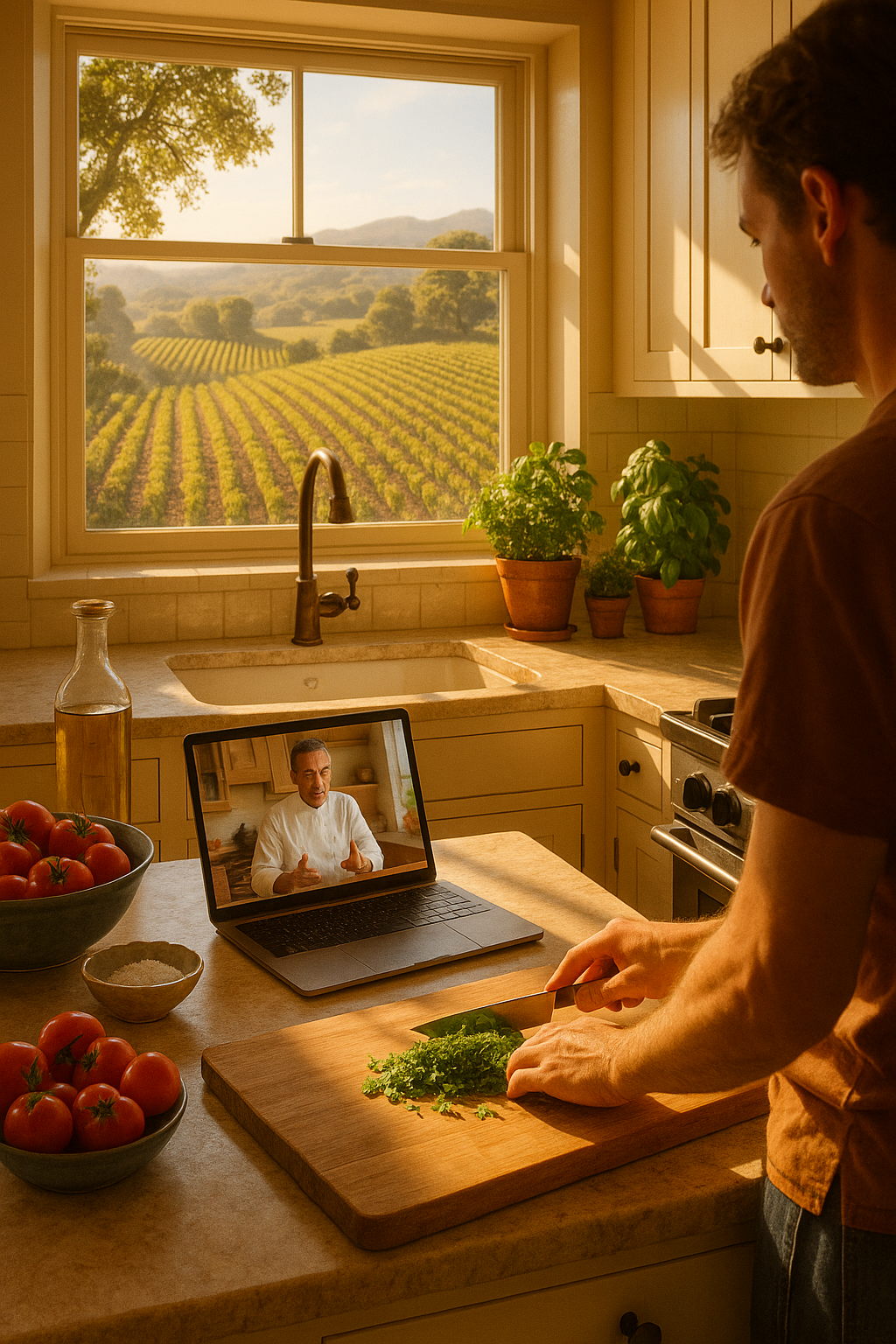
And thanks to the rise of online learning, mastering French has never been more accessible—or more fun. Instead of commuting to a classroom, students are connecting virtually with passionate teachers, joining live sessions from their kitchens, and even practicing pronunciation while whipping up coq au vin.
In this article, we’ll explore why Santa Rosa’s foodies are falling head over heels for French through online lessons. We’ll look at how language learning is transforming their culinary journeys, the unique vocabulary food lovers crave, and how speaking French opens up a world of authentic gastronomic delights. Whether you’re a seasoned chef or simply love a good cheese plate, join us for a mouthwatering journey into the intersection of French and food.
Bon appétit et bienvenue!
Why French and Food Go Hand-in-Hand
The Language of Gastronomy
French is synonymous with culinary excellence. Terms like mise en place, sous-vide, roux, and crème brûlée aren’t just fancy words—they’re the backbone of cooking technique. Knowing French gives foodies a direct connection to the traditions and artistry that define global cuisine.
Imagine reading Escoffier’s recipes in the original French or understanding the nuanced differences between pot-au-feuand boeuf bourguignon. French is the key to unlocking these culinary secrets.
Wine and Terroir
Santa Rosa sits in wine country, so it’s no surprise that local oenophiles are eager to learn the language that dominates the world of wine. French vocabulary helps wine lovers:
Pronounce French wine regions correctly (Châteauneuf-du-Pape, Sancerre, Bourgogne).
Understand tasting notes in French wine literature.
Discuss terroir, grape varieties, and vinification techniques.
For many in Santa Rosa’s wine industry, speaking French is a professional asset and a personal joy.
Food Travel Without Leaving Home
Learning French allows Santa Rosa’s food lovers to:
Follow French cooking shows and YouTube chefs.
Read authentic French recipes without translation mishaps.
Chat with French chefs, vendors, or winemakers on travels abroad.
Even if travel isn’t on the immediate horizon, knowing French brings France’s culinary world directly into your kitchen.
How Online Lessons Are Transforming French Learning
Convenience and Flexibility
One of the biggest draws of online French lessons is flexibility. Food lovers in Santa Rosa have busy lives, whether they’re managing restaurants, planning wine tastings, or chasing kids around the kitchen. Online classes mean:
No commuting to language schools.
Scheduling lessons at times that fit culinary careers or family life.
Joining from the comfort of home—or the kitchen.
Culinary-Themed Lessons
Many language teachers, including ours at Polyglottist Language Academy, offer specialized lessons for foodies. Lessons can include:
French food vocabulary.
How to order in French restaurants.
Reading French wine labels.
Decoding menus in Paris, Lyon, or Bordeaux.
This focus makes learning directly relevant—and deliciously fun.
Immersive Multimedia
Online learning often includes videos, cooking demos, virtual wine tastings, and interactive exercises. Santa Rosa foodies can practice:
Listening to French chefs explain recipes.
Reading authentic menus.
Engaging in role-plays (ordering food, making reservations, discussing flavors).
It’s learning that feels like a gourmet experience rather than a classroom lecture.
Stories From Santa Rosa Foodies
A Chef’s Story
Lisa, a Santa Rosa chef specializing in French cuisine, began online lessons to deepen her culinary knowledge.
“I wanted to understand the recipes and techniques in classic French cookbooks,” she says. “Now I can read Escoffier’s original French text. Plus, I can confidently pronounce every ingredient on my menu!”
The Wine Professional
Tom, a sommelier in Santa Rosa, started French lessons to improve his wine presentations.
“French wine terms were tripping me up. Now, I can explain terroir and grape varieties like a pro. And customers love when I share authentic French phrases—it adds so much atmosphere.”
The Home Cook
Nancy, an enthusiastic home cook, joined online French classes for fun.
“I love French cooking shows. But without knowing French, I missed so much detail. Learning the language helped me follow recipes, understand chefs’ jokes, and feel like I’m truly part of the French culinary world.”
The Cultural Joy of Learning French
Learning French isn’t only about technical vocabulary. For Santa Rosa foodies, it’s about embracing:
French dining culture (the art of lingering at a meal).
Etiquette for French restaurants.
How to engage in small talk with French servers or chefs.
Understanding cultural references in French food writing.
These insights bring authenticity to their culinary experiences.
The French Language as a Networking Tool
Food lovers and professionals in Santa Rosa often attend:
Wine expos.
Food festivals.
Gastronomy conferences.
Speaking French creates opportunities to connect with French producers, importers, and chefs. It’s a competitive edge for those working in the culinary and wine industries—and a social delight for passionate amateurs.
Why Now Is the Perfect Time to Learn French
Santa Rosa’s culinary scene is booming, and the demand for authentic experiences is growing. Food lovers:
Want to deepen their expertise.
Seek authentic interactions with French producers.
Desire to read original French food literature.
With online learning, there’s no barrier of distance or schedule. The French culinary world is just a click away.
Practical Tips for Foodies Learning French
Focus on food vocabulary first. It keeps you motivated and connects directly to your passion.
Practice pronunciation. Many food terms rely on correct pronunciation to avoid confusion.
Immerse yourself. Watch French cooking shows, listen to French podcasts about food, and follow French chefs on social media.
Take notes while cooking. Practice new words as you work through recipes.
Don’t fear mistakes. Even French people love enthusiastic learners trying their language!
FAQs
Is French really necessary for foodies?
It’s not required—but it opens up a deeper understanding of culinary traditions, recipes, and wine culture.
How long does it take to learn enough French to navigate menus?
With focused study, you can learn enough in a few months to feel comfortable reading menus and basic food terms.
Are online classes effective for learning French?
Absolutely. Online lessons provide flexibility, personalized attention, and specialized topics like food and wine vocabulary.
Do I need perfect pronunciation to talk about food in French?
Not perfect—but better pronunciation helps you feel confident and be understood, especially with culinary terms.
Can I learn French just for food and wine?
Yes! Many students focus on culinary French, which keeps lessons fun and relevant.
Is French useful for people working in wine in Santa Rosa?
Definitely. French is crucial for understanding wine labels, speaking with French producers, and presenting wines professionally.
Are there specific courses for food lovers?
Yes. Schools like Polyglottist Language Academy offer themed classes focused on culinary vocabulary and real-life situations.
Will learning French make my travels to France better?
Without a doubt! You’ll feel more comfortable navigating restaurants, markets, and conversations with locals.
Ready to Spice Up Your French—and Your Culinary Life?
At Polyglottist Language Academy, we believe that language learning should feed both your mind and your passions. That’s why our French classes are perfect for food lovers, chefs, and wine enthusiasts. We’ll help you learn the vocabulary, culture, and confidence you need to truly savor France—from Sonoma County or anywhere in the world.
Sign up today, and let’s make French your secret ingredient!