
The Language of Italian Menus: What Terms Like “Al Forno” and “Alla Griglia” Mean
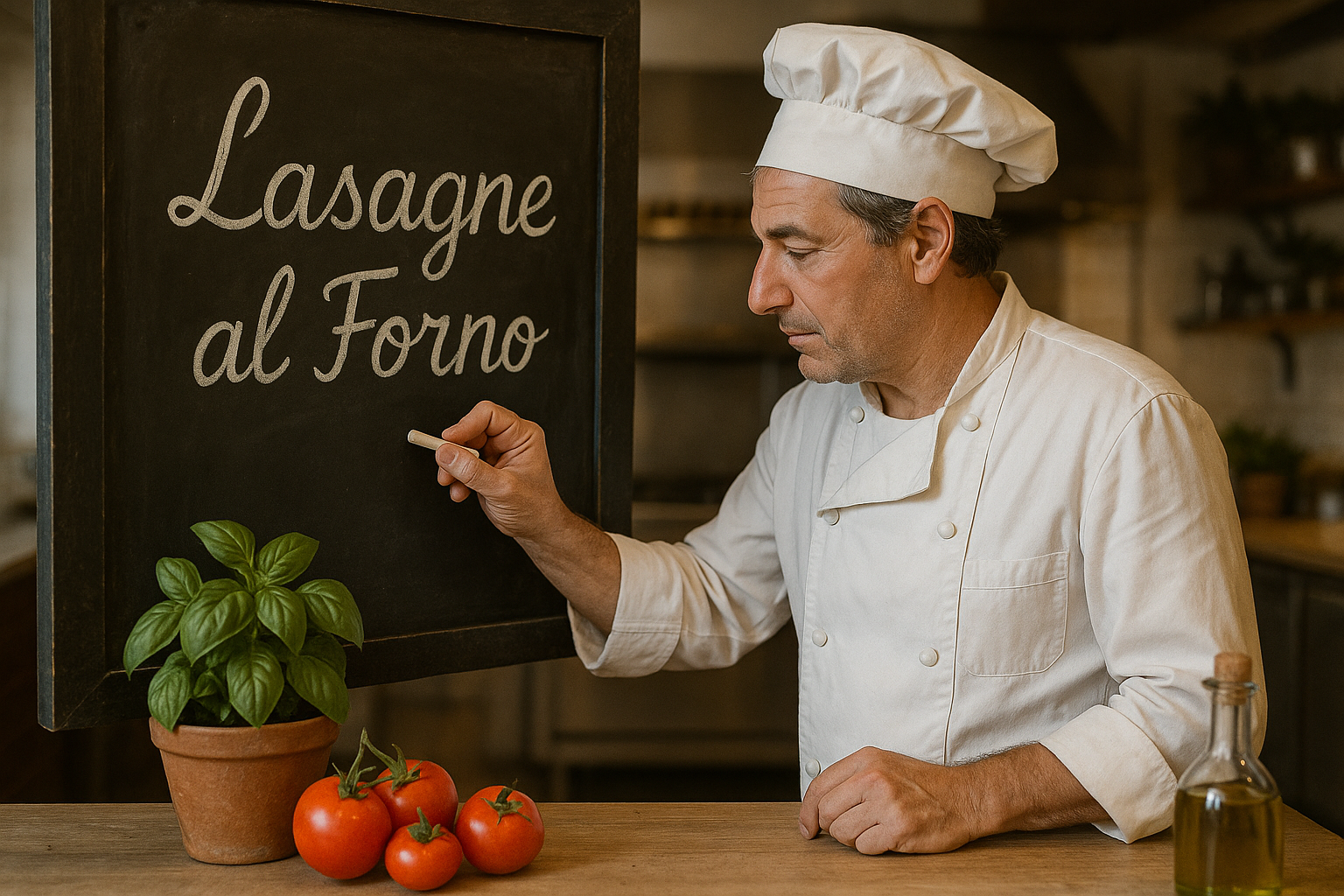
The experience of opening an Italian menu is never a neutral act—it is a small adventure, a moment where culture, tradition, and language intersect. Unlike menus elsewhere that often reduce dishes to simplified translations or generic categories, Italian menus speak in their own dialect of food. They don’t just list ingredients or preparation styles; they whisper the history of families, regions, and centuries-old culinary philosophies. Each phrase—whether al forno, alla griglia, or alla parmigiana—is more than a technical descriptor of how a dish is cooked. It is a key to understanding how Italians see food as inseparable from identity, place, and memory.
One of the most striking things about Italian menus is how unselfconsciously local they are. Italians assume you already know what alla bolognese means, or that al dente pasta needs no explanation. These terms are not exotic to them—they are part of everyday speech, woven into daily life in the same way as greetings or gestures. For the visitor or the learner of Italian, however, they can feel like a code, one that requires not just translation but cultural immersion. Ordering from an Italian menu is not only about satisfying hunger; it’s an initiation into a worldview where the method of cooking, the origin of a recipe, and even the season all matter deeply.
Consider the contrast: in English, we might simply say “roast potatoes,” but in Italian, patate al forno carries with it the warmth of home kitchens, the image of Sunday lunches shared with extended family, and the comfort of a dish that is both humble and celebratory. Likewise, verdure alla griglia is not just “grilled vegetables”—it conjures up the simplicity of summer evenings, of rustic gatherings where food is flavored with olive oil, fire, and convivial laughter. Italians don’t just eat; they narrate the act of eating, and their menus reflect that cultural storytelling.
This is why learning to read Italian menus is a language lesson in itself. The words teach you grammar and vocabulary, yes, but also rhythm, perspective, and values. They remind you that food in Italy is never separate from history. Alla genovese doesn’t just describe a sauce—it tells you about Genoa, its people, and their unique culinary heritage. Alla milanese is not only a style of breading but a window into Milanese pride and refinement. Each menu phrase is a cultural shorthand that helps Italians situate themselves in a larger story, even while ordering dinner on a weeknight.
For the traveler, mastering these terms unlocks a richer experience. Instead of feeling lost in translation or defaulting to “safe” dishes, you begin to navigate the menu like an insider. For the language learner, the menu becomes a living classroom, teaching vocabulary that feels immediate, useful, and full of personality. And for anyone who loves Italian culture, learning these words is a way of seeing more clearly how Italians connect language with life, word with ritual, and food with belonging.
1. Cooking Methods: The Heart of Italian Menu Vocabulary
Al forno – Oven-baked
This phrase literally means “from the oven.” It’s the comfort-food label par excellence: think lasagne al forno, bubbling with béchamel and ragù, or patate al forno, crisp roasted potatoes. Al forno dishes often evoke family gatherings and Sunday meals, when the oven becomes the center of the home.
Alla griglia – Grilled
Translated as “on the grill,” this style emphasizes smoky, charred simplicity. A bistecca alla griglia (grilled steak) or verdure alla griglia (grilled vegetables) celebrates pure flavors with minimal seasoning, relying on olive oil, salt, and fire.
Fritto / fritti – Fried
From calamari fritti (fried squid) to fiori di zucca fritti (fried zucchini blossoms), fried foods are a beloved indulgence. The word can appear as fritto (singular) or fritti (plural).
In umido – Stewed
Meaning “in liquid” or “braised,” in umido indicates dishes slow-cooked in a sauce of tomato, wine, or broth, such as pollo in umido (stewed chicken).
Saltato in padella – Sautéed
Literally “jumped in the pan,” this phrase describes a quick, lively cooking technique often used with pasta, where ingredients are tossed together at the last minute for freshness.
2. Sauces and Styles
Alla bolognese
Perhaps the most famous Italian culinary phrase, this means “in the style of Bologna,” usually referring to the ragù of minced meat and tomato.
Alla milanese
Indicates the Milanese style—breaded and fried, often with veal cutlets (cotoletta alla milanese).
Alla genovese
Not just pesto! In Naples, alla genovese refers to a slow-cooked onion sauce with beef, while in Liguria, it signals the classic basil pesto. Context is everything.
Alla parmigiana
Layered with tomato sauce, cheese (often Parmigiano-Reggiano), and sometimes fried vegetables like eggplant—melanzane alla parmigiana is the classic dish.
3. Pasta Terminology
Al dente
Meaning “to the tooth,” this describes the perfect pasta texture: firm, with a slight bite.
Ripieno / ripiena – Stuffed
Commonly used for pasta like ravioli ripieni (stuffed ravioli) or zucchine ripiene (stuffed zucchini).
Condimento – Sauce or topping
The word literally means “seasoning” or “dressing,” but in pasta culture, it refers to the sauce that accompanies the dish.
4. Proteins and Cuts
Bistecca – Steak
Pollo – Chicken
Vitello – Veal
Pesce – Fish
Frutti di mare – Seafood
These are often paired with a cooking method: bistecca alla fiorentina (Florentine steak, famously huge and grilled), pollo al forno, pesce alla griglia.
5. Regional Clues on Menus
Italian menus often reference place names. This is not only about ingredients but about identity:
Alla romana – Roman style, often involving simple, hearty preparations (like carciofi alla romana, Roman-style artichokes).
Alla siciliana – Sicilian style, typically with eggplant, tomatoes, capers, and olives.
Alla napoletana – Neapolitan style, often tied to tomato-based sauces and hearty flavors.
6. Desserts and Sweet Vocabulary
Dolci al cucchiaio – “Spoon desserts,” like tiramisù or panna cotta.
Crostata – Tart.
Gelato artigianale – Artisan gelato.
Al cioccolato / alla frutta – Chocolate or fruit flavored.
7. Drinks and Menu Additions
Vino della casa – House wine.
Acqua frizzante / naturale – Sparkling or still water.
Amaro – A digestif, bitter liqueur served after meals.
8. Rituals of Reading and Ordering
Italian menus reflect not just food, but the ritual of eating:
Meals are structured into antipasti (starters), primi (first course—pasta, risotto), secondi (meat/fish), contorni (side dishes), and dolci (desserts).
Italians may not order every course, but the structure itself is part of the cultural script.
Menu language reflects this rhythm: a primo al forno is not just a baked pasta—it’s a signal of comfort and tradition.
FAQs: THE LANGUAGE OF ITALIAN MENUS
Q: Do Italians really eat every course listed on the menu?
Not always. While the structure remains, many Italians choose one or two courses, especially in everyday dining.
Q: Why don’t Italian menus explain the terms?
Because they are part of shared cultural knowledge. Italians don’t need explanations, so menus assume familiarity.
Q: Is alla parmigiana always with eggplant?
No—other vegetables (zucchini, artichokes) or even meats can be made alla parmigiana.
Q: What’s the difference between alla griglia and al forno?
Alla griglia is grilled over open flame, while al forno is oven-baked. Both give distinct flavors.
Q: How can I practice reading Italian menus before traveling?
Look up menus online from authentic Italian restaurants, and learn the cooking method vocabulary.
Q: Do Italians always eat pasta al dente?
Yes, it’s considered the proper way—overcooked pasta is seen as a mistake.
Q: What does vino della casa mean?
It’s the house wine, usually local, affordable, and reliable.
Q: Are menu terms the same everywhere in Italy?
Most are, but some vary regionally—like alla genovese, which means different things in Naples vs. Genoa.
Final Thoughts
The language of Italian menus is not just about cooking methods—it’s a cultural code that reveals how Italians think about food, place, and tradition. Knowing the meaning of terms like al forno, alla griglia, and alla parmigiana transforms dining from simple eating into an act of cultural connection. Each word carries centuries of history, a sense of family, and the rhythm of Italian daily life.
At Polyglottist Language Academy, we believe learning Italian should be about more than vocabulary lists—it should immerse you in the rituals, tastes, and traditions that make the language alive. Our Italian classes go beyond grammar to teach you the expressions, idioms, and cultural insights that help you feel at home in Italy—even when ordering from a menu. Sign up today to begin your journey into authentic Italian language and culture.
And if you enjoyed this article, check out more of our cultural explorations:
Why Italians Live With Their Parents Longer (And What It Says About Culture)
How Italians Really Eat Pasta (And The Rules Tourists Break)
How Italians Really Speak: Street Italian Vs. Textbook Italian
Italian Language Meets Italian Lifestyle: What You Can Only Learn On The Ground
Learning Italian In San Francisco: Best Places, Classes, And Meetups