
December Is Spanish & Portuguese Month at Polyglottist Language Academy
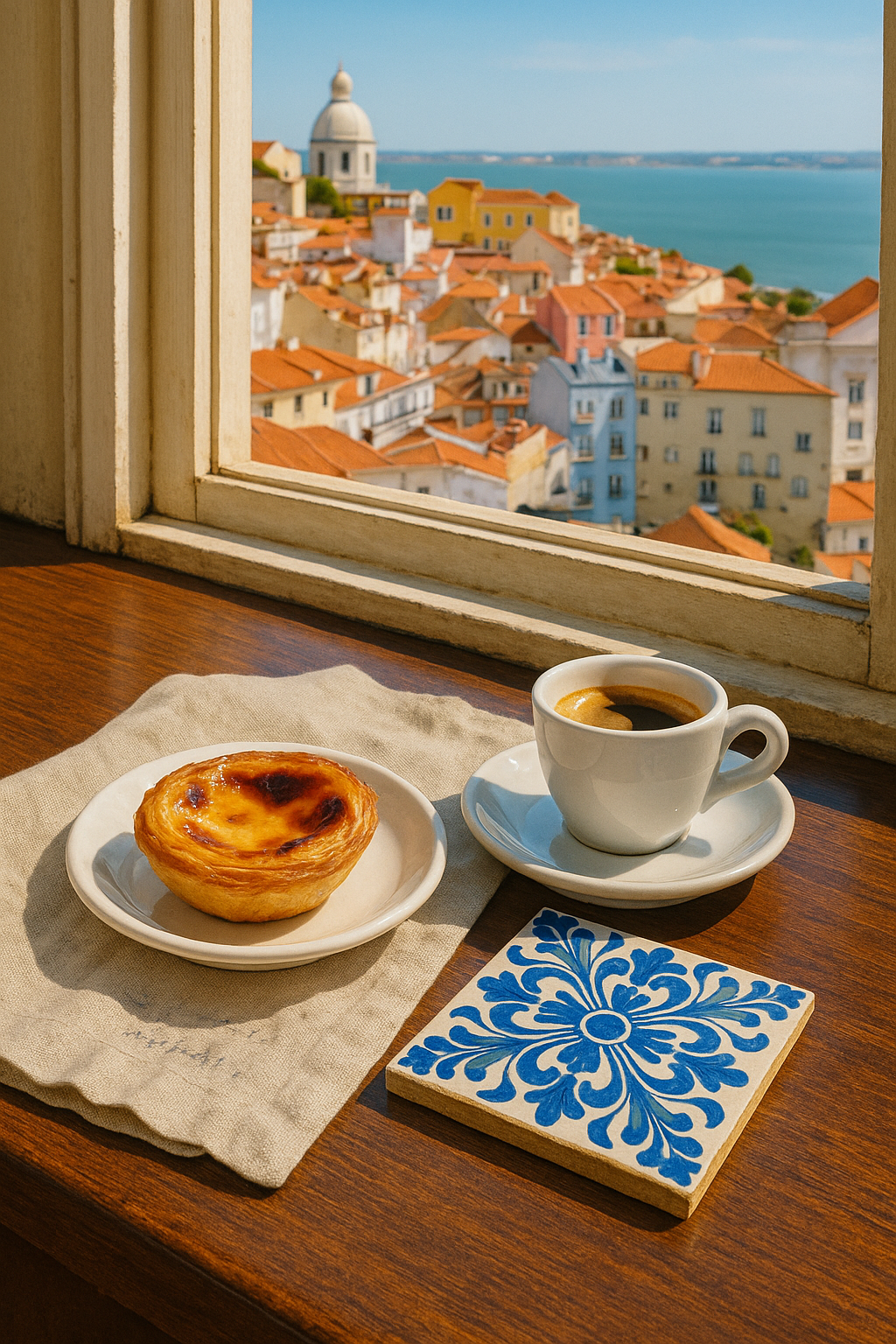
As the year winds down and lights begin to glow in windows across the world, December invites reflection, celebration, and connection—and at Polyglottist Language Academy, we’re dedicating this festive month to two sister languages that have shaped entire continents: Spanish and Portuguese. This isn’t just a schedule of classes; it’s a season-long immersion into the rhythms, flavors, histories, and everyday expressions that make the Iberian and Latin American worlds so captivating. Whether you’re saying your first hola or olá, or you already discuss literature and film in the original, December offers fresh pathways for every learner.
Throughout the month, we’ll go far beyond verb charts. We’ll explore how language encodes identity, courtesy, humor, and community—from Madrid to Mexico City, from Lisbon to Luanda, from Lima to Lisbon’s Bairro Alto. Expect music, food, traditions, and stories that make grammar memorable and conversation natural. Our goal is simple: help you speak with confidence while understanding the people, values, and histories behind the words.
Why Learn Spanish and Portuguese?
Global reach & opportunity. Spanish connects you with over 480+ million native speakers across Spain, the Americas, and beyond; Portuguese links you to Brazil’s cultural powerhouse and communities in Portugal, Angola, Mozambique, Cape Verde, Guinea-Bissau, São Tomé and Príncipe, and Timor-Leste. Together, they open doors in trade, tech, health, education, diplomacy, tourism, and the arts.
Travel that feels deeper. Order tapas in Seville or pastéis de nata in Lisbon, chat with vendors at Mexico City’s markets, or discuss football in São Paulo—the difference between “tourist” and “participant” often comes down to language.
A springboard for more learning. Mastering one helps with the other: shared Latin roots, similar syntax, and overlapping vocabulary make cross-learning efficient (with fun false friends to keep you on your toes).
What Makes Them Unique (and How to Embrace It)
Sound & Melody
Spanish: crisp vowels, clear syllable timing, and a lively rhythm that varies by region (Caribbean softness vs. Rioplatense yeísmo).
Portuguese: a wider vowel inventory and characteristic nasal vowels; European Portuguese is compact and lilting, Brazilian Portuguese is open and musical.
Try this: shadow 60-second clips—news for Spanish clarity, bossa nova or fado intros for Portuguese prosody. Record → compare → repeat.
Pronouns, Politeness, and You/You
Spanish toggles between tú/usted (and vos in many countries) to signal closeness or formality.
Portuguese uses tu/você (and regional forms like o senhor/a senhora). Brazil often favors você informally; much of Portugal keeps tu intimate.
Practice set: role-play meeting a professor (formal) vs. a friend of a friend (informal) and switch pronominal forms accordingly.
Verb Power (and Pitfalls)
Spanish pasts: pretérito (completed action) vs. imperfecto (ongoing/habitual).
Portuguese pasts: pretérito perfeito vs. imperfeito with similar logic—plus rich periphrastic futures and the elegant personal infinitive (para viajarmos).
Tip: build two mini-stories (yesterday’s timeline vs. childhood habits) in each language to feel the contrast.
False Friends to Love
embarazada ≠ embarrassed (pregnant); pasta in Portuguese is “paste/glue,” not noodles; puxar looks like “push” but means “pull.”
Create a “Gotcha!” list and revisit weekly.
Culture at the Core
Cuisine & Table Talk
Spanish worlds: tapas culture, paella rice traditions, Basque pintxos, Andean potatoes, Peruvian-Japanese nikkeifusion, and the social ritual of late dinners.
Portuguese worlds: Atlantic seafood (grilled sardines, bacalhau 1000 ways), Alentejo bread stews, Brazilian feijoada, Minas cheeses, and Amazonian fruits.
Class activity: read a short recipe and act it out—imperatives (“corta, mezcla, leva ao fogo”), quantities, and kitchen tools stick fast when your mouth waters.
Music, Dance, and Feeling
Spanish-language soundscapes: flamenco duende, tango drama along the Río de la Plata, modern pop and reggaetón.
Portuguese-language soundscapes: Lisbon fado’s bittersweet saudade; Brazil’s samba, bossa nova, MPB, and forró.
Listening lab: identify instruments, mood words, and recurring themes (“saudade”, “amor”, “libertad”)—then borrow lyrics for pronunciation drills.
Traditions & December Holidays
Spanish-speaking regions: Las Posadas, Nochebuena, Reyes Magos with shoe-box gifts and parades.
Portuguese-speaking regions: Consoada (Christmas Eve dinner), bolo-rei, Brazilian beachside Réveillon in white. Learn greetings, toasts, and gift-giving etiquette that make December conversations sparkle.
Join Our December Classes (Spanish & Portuguese)
Six-week sessions starting early December
Online: $260 per course
In-person (SF Bay Area): $290 per course
Small groups, conversation-first, with weekly cultural spotlights (holiday customs, music, cuisine, film).
Special add-ons:
Accent Clinics: Rioplatense vs. Mexican Spanish; European vs. Brazilian Portuguese
Holiday Language Pack: phrases for parties, toasts, invites, and warm thank-yous
Ready to begin? Enroll in Spanish, Portuguese—or both—and give yourself the gift of connection this December.
Let December Be the Month You Speak More
Two languages, countless doors. From Lisbon’s cobblestones to Bogotá’s book fairs, from Salvador’s drums to Barcelona’s markets—Spanish and Portuguese help you join the conversation, not just overhear it. Lean into the music of the vowels, the warmth of the gestures, the stories behind each dish and holiday. Speak a little every day, and you’ll feel your world widen.