
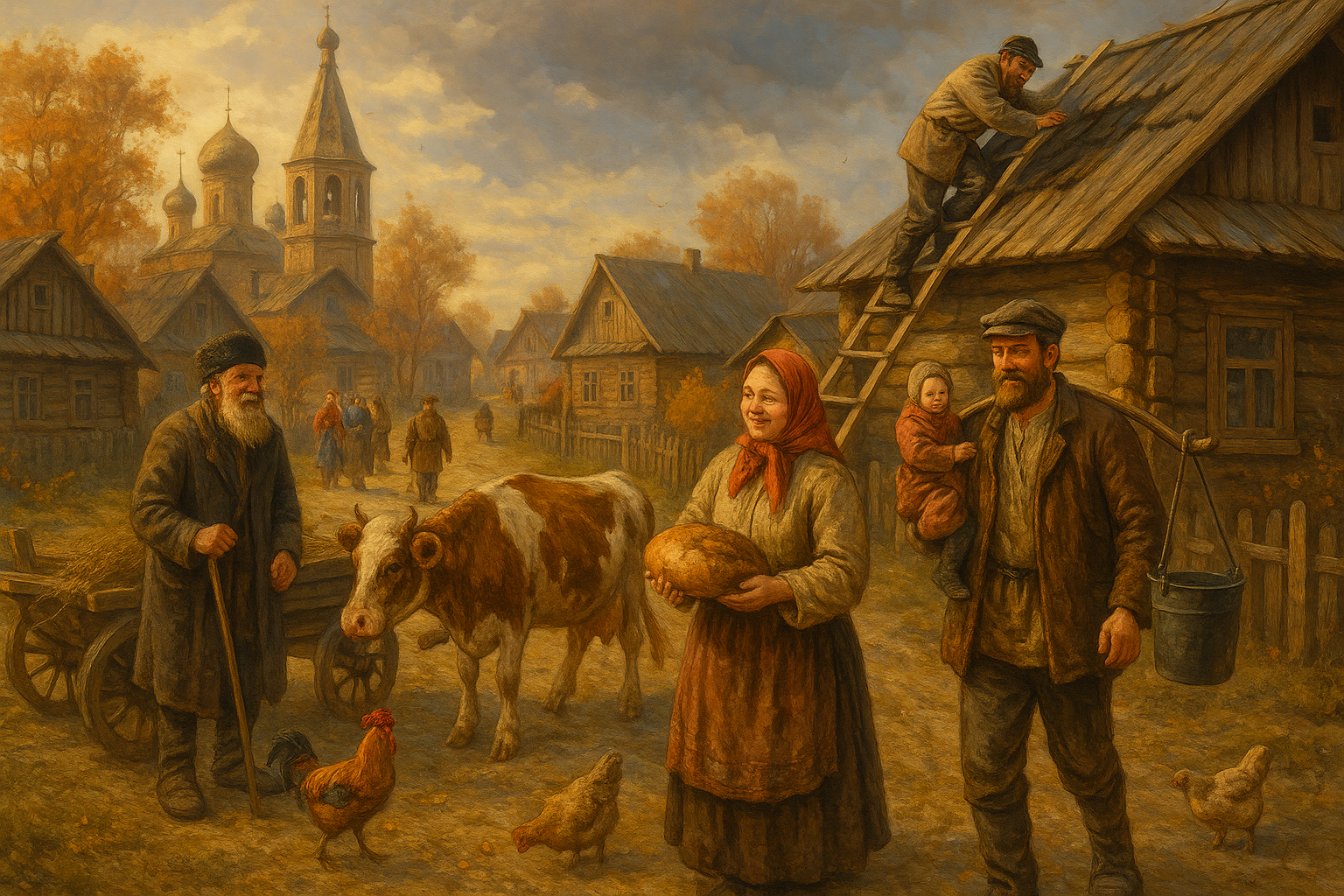
Discover the cultural wisdom behind 10 powerful Russian proverbs. These timeless sayings offer deep insight into the Russian mindset, values, and way of life. Learn their meanings and how to use them in conversation.
There are few better ways to understand a culture than by listening to the words it repeats generation after generation—passed down at kitchen tables, muttered in frustration on the street, or delivered with a knowing smile during a quiet conversation. Russian proverbs, with their compact structure and poetic force, are more than just linguistic curiosities—they’re cultural DNA. These aren’t quaint phrases stored in dusty books; they’re alive in everyday speech, guiding behavior, offering comfort, issuing warnings, and sometimes delivering hard truths with a dash of dark humor.
Where Western idioms often promote cheerfulness, optimism, or quick solutions, Russian proverbs tend to reach for something deeper: the ability to endure, to observe quietly, to accept contradiction, to laugh at pain. They speak to a people who have seen revolutions, wars, famines, and fierce winters—and who have developed a language rich in philosophical resignation and practical wisdom as a result. These proverbs tell you how to behave when things fall apart, how to protect your dignity when life is unfair, and how to navigate human nature with a blend of caution, intelligence, and irony.
But Russian proverbs are not all gloom and fatalism. They often carry warmth, humor, and a remarkable sensitivity to the small details of life. They’re simultaneously blunt and lyrical. They speak plainly, but they suggest layers of meaning. And they don’t just describe the world—they shape how Russians interpret it. For learners of the language, these sayings are more than vocabulary—they're a map into the soul of a people.
To truly learn Russian is not just to speak it correctly, but to think like someone raised in its rhythms, its winters, its history. The ten proverbs we’ll explore in this article are not only linguistically fascinating—they’re emotionally and culturally rich. Each one reveals something essential about how Russians view fate, love, labor, trust, and the eternal tension between control and chaos.
If you’re ready to go beyond textbooks and discover the heart of the Russian language, these proverbs are your gateway. They’ll teach you how to speak not just fluently—but meaningfully.
1. Без труда не вытащишь и рыбку из пруда.
“Without effort, you won’t even pull a fish out of a pond.”
This one hits early and hard. It's Russia’s answer to “No pain, no gain,” but with a distinctly rural flavor. It reflects the respect Russians have for labor and effort—especially when rewards are uncertain. It also subtly hints at the futility of expecting easy wins in life. In a country where weather, bureaucracy, or history itself can be unpredictable forces, effort becomes its own virtue.
2. Авось да небось до добра не доведут.
“Maybe and perhaps won’t lead to any good.”
Caution is a virtue in Russian thinking. This saying is a slap on the wrist to those who rely on chance. It warns against passivity, wishful thinking, and trusting the unknown. The words авось and небось are untranslatable particles that float in Russian speech and imply blind hope. Proverbs like this one keep feet firmly on the ground—and speak volumes about the mistrust of luck or naive optimism in Russian culture.
3. Доверяй, но проверяй.
“Trust, but verify.”
This proverb became famous in the West thanks to Ronald Reagan, but it has deep roots in the Russian mindset. Relationships—whether personal, political, or business—are built on skepticism in Russia. Trust is not given freely; it’s earned slowly and always watched. This isn’t seen as paranoia but as wisdom. In a world where betrayal has often been a survival issue, verification isn’t an insult—it’s a necessity.
4. Любишь кататься — люби и саночки возить.
“If you like to sled, you have to like hauling the sled back up the hill.”
Pleasure comes with responsibility. Russians have little tolerance for those who want only the reward without the work. This proverb reminds us that fun is earned, and every upside comes with a downside. There’s beauty in the balance—joy isn’t canceled by effort, it’s made meaningful because of it.
5. На Бога надейся, а сам не плошай.
“Hope in God, but don’t be careless yourself.”
A deeply Russian mix of faith and pragmatism. This saying captures the national tendency to hold spiritual belief in one hand and self-reliance in the other. Even the most devout Russian will often add this phrase after invoking divine help—it reflects a worldview where the divine is respected but not blindly relied upon.
6. Что посеешь, то и пожнёшь.
“You reap what you sow.”
While this saying exists in many languages, in Russian it carries a moral and often fatalistic tone. It’s not just about farming—it’s about karma, fate, and inevitability. Actions have consequences, and the Russian mindset is acutely aware that every step taken may echo far beyond the moment.
7. В тихом омуте черти водятся.
“Still waters run deep—with devils.”
This isn’t your grandmother’s quiet river metaphor. In Russia, calmness is suspicious. A quiet person might be hiding deep turmoil, cunning, or danger. This proverb warns that surface appearances are deceptive, and behind politeness or silence, darker forces may be at work. It’s a proverb that reflects centuries of survival instinct in a society where bluntness could be fatal.
8. Не всё то золото, что блестит.
“Not all that glitters is gold.”
Familiar? Yes. But in Russia, this saying doesn’t just warn against superficial beauty—it often hints at deeper irony. It reinforces the cultural value of skepticism and the idea that real worth is hidden and earned, not worn like a badge. It’s also a gentle jab at flashiness, something Russian culture tends to view with suspicion.
9. Семь раз отмерь, один раз отрежь.
“Measure seven times, cut once.”
Caution, deliberation, and the avoidance of irreversible mistakes—this is the Russian way of dealing with uncertainty. In a place where the wrong move could have serious consequences, this proverb reflects a patient, methodical mindset. It’s also a subtle critique of haste and overconfidence.
10. Хочешь мира — готовься к войне.
“If you want peace, prepare for war.”
This phrase has become a geopolitical cliché, but it’s deeply rooted in the Russian mentality. Preparedness, vigilance, and the refusal to be caught off guard are values taught not just to soldiers but to children. In personal life too, this translates into being emotionally armored—don’t expect peace unless you’re strong enough to defend it.
Why Russian Proverbs Matter
Learning these proverbs is not just a fun way to pick up new vocabulary—it’s a shortcut into the heart of the Russian worldview. They teach you how Russians handle life’s contradictions: joy coexists with pain, love with caution, and strength with silence.
They also help you sound more natural in conversation. Dropping a proverb at the right time is a sign of fluency—not just in language, but in culture. It signals that you’re not just translating from English in your head, but that you’re thinking like a Russian.
How to Learn and Use Russian Proverbs Effectively
Group them by theme. Start with categories like work, love, fate, and caution. This helps build intuitive connections.
Practice with real-life situations. Ask yourself: when could I use this proverb? Imagine conversations where it fits.
Use them in writing and speech. Try ending journal entries, text messages, or voice memos with a proverb.
Watch Russian media. TV shows, interviews, and films often sneak in these sayings. Pay attention to tone and timing.
Translate them both ways. Go from Russian to English and vice versa. It sharpens your cultural sensitivity and linguistic flexibility.
FAQs About Russian Proverbs
Q: Are Russian proverbs still used today?
Yes, very much so. They’re used in everyday conversation, politics, news, and pop culture. Knowing them will help you understand both modern and traditional Russian speech.
Q: Can proverbs be used in formal writing or just casual speech?
Both. In formal writing, they can add rhetorical depth. In casual speech, they add charm, wit, and cultural credibility.
Q: How many proverbs should I learn as a beginner?
Start with 10–20 that are thematically useful. Pick ones that feel emotionally or philosophically resonant to you.
Q: Do proverbs vary across Russian-speaking countries?
Yes, though most are widely understood. Regional slang or Ukrainian, Belarusian, and Siberian influence can sometimes color their meaning.
Q: Are there modern Russian proverbs or only old ones?
Both! While many are ancient, Russians also invent new expressions with a proverbial tone—especially online.
Want to Go Deeper Into Russian Language and Culture?
At Polyglottist Language Academy, we don’t just teach Russian—we help you think in Russian. Our online classes go beyond grammar drills and vocabulary lists. We dive into the sayings, songs, stories, and soul of the language so you can understand the people, not just the words.
Whether you’re just beginning or already reading Tolstoy, our experienced instructors will guide you step-by-step through the beauty and complexity of Russian.
👉 Ready to join us? Sign up today and discover why learners from all over the world trust Polyglottist to help them unlock the Russian soul—one word at a time.
Want to explore more about Russian language and culture?
Check out our full collection of articles on the Polyglottist Language Academy Blog, where we dive into everything from why fluent Russian isn’t fast Russian to how to survive a Russian toast and what it’s like to be the only foreigner in a Russian dacha community. Whether you're curious about grammar tips, cultural faux pas, or how Russians navigate public space, our blog offers fresh, engaging insights to support your learning journey.