
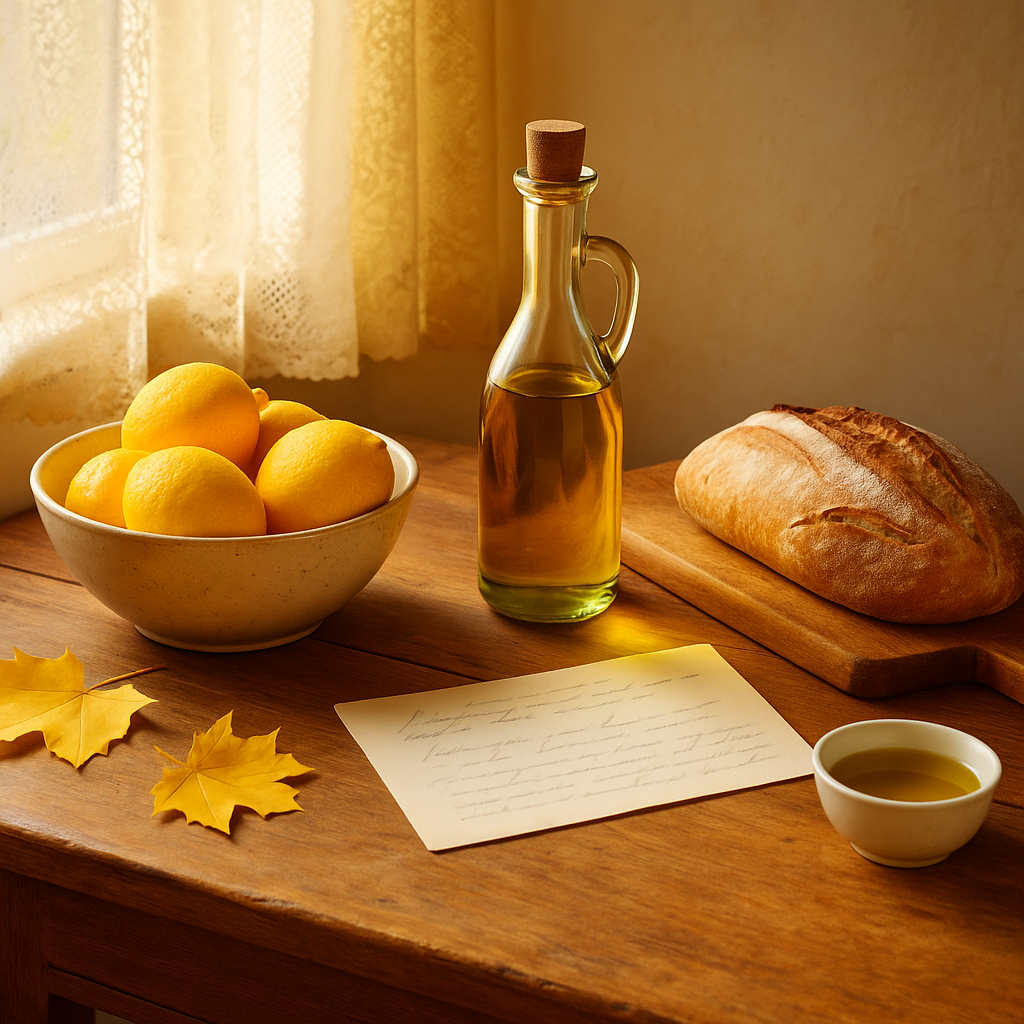
As autumn deepens and the world takes on its golden hues, November brings an invitation to slow down, savor, and immerse ourselves in the elegance and warmth of Italian language and culture. At Polyglottist Language Academy, this month is dedicated to celebrating all things Italian—from its lyrical language to its vibrant traditions, culinary delights, and artistic legacy. This is more than a set of language classes; it’s a cultural journey that invites you to experience Italy’s soul through the words, expressions, and customs that make it so unique.
Whether you’re just learning to say ciao or already holding conversations over cappuccino, November has something special for every learner. Throughout the month, we’ll explore not only the building blocks of Italian grammar but also the cultural context that gives this language its charm. Italian is more than a means of communication—it’s a reflection of values like beauty, connection, and la dolce vita. Join us as we discover why Italian remains one of the most beloved languages in the world.
Why Learn Italian?
Italian is spoken by more than 85 million people worldwide and is one of the official languages of the European Union. It’s a major cultural language—one that shaped the Renaissance, inspired the world of opera, and continues to influence art, design, and gastronomy globally. From the frescoes of Michelangelo to the verses of Dante, from the bold flavors of Sicilian cuisine to the melodic cadence of everyday speech, Italian offers a world of discovery for those willing to dive in.
On a practical level, Italian opens doors for travelers, food lovers, art enthusiasts, and professionals in industries like fashion, music, and international business. It’s also a language that rewards learners with its musicality and relatively straightforward phonetics. Beyond utility, Italian provides something deeper: a way of seeing the world that emphasizes passion, artistry, and connection.
What Makes Italian Unique (and How to Embrace It)
Italian is often described as one of the most beautiful languages, but beauty doesn’t mean simplicity. While Italian grammar is generally more predictable than some languages, it still has its quirks—verb conjugations, gendered nouns, and those small but mighty pronouns. The good news? Each challenge you encounter is an opportunity to unlock more of the logic (and poetry) behind the language.
Musical Pronunciation
Italian’s reputation as a musical language is well deserved. Every word flows with a natural rhythm, thanks to its vowel-rich structure. Unlike English, which often swallows or changes sounds, Italian pronounces nearly every letter. That makes it easier to read aloud, but mastering the intonazione—the rising and falling melody of a sentence—is key to sounding authentic.
Tip: Practice speaking slowly and exaggerating vowel sounds at first. Shadow Italian dialogues from films or podcasts to catch the natural melody.
Gestures: The Silent Language
Italian isn’t just spoken—it’s performed. Gestures are a vital part of communication, from the famous “pinched fingers” (ma che vuoi?) to a quick shrug that speaks volumes. These gestures aren’t random; they follow cultural logic and often convey meaning that words alone can’t capture.
Tip: When learning Italian, don’t just memorize words—pay attention to body language. It’s part of what makes conversations feel alive.
The Beauty of Verb Tenses
Italian verbs can feel daunting with their many forms and moods—indicativo, congiuntivo, condizionale. But they also allow for incredible precision and nuance. Want to express doubt, desire, or politeness? There’s a verb form for that.
Tip: Focus first on the present, past, and future indicative tenses, then gradually add the conditional and subjunctive. Use real-life scenarios (ordering coffee, making plans) to anchor your learning.
Italian Culture: The Heart of the Language
Language and culture go hand in hand, and in Italy, that connection is irresistible. Every word carries echoes of history, every idiom reflects a way of life. Our November celebration is as much about how Italians live as it is about what they say.
Italian Cuisine
Few things say “Italy” like its cuisine. From the simplicity of spaghetti aglio e olio to the complexity of regional dishes like ossobuco alla milanese or Sicilian arancini, Italian food is a lesson in balance, tradition, and love of quality ingredients. Italians don’t just eat—they celebrate food as a social ritual.
Why it matters for learners: Dining vocabulary, cultural etiquette (never order a cappuccino after noon!), and food-related expressions are essential for any Italian learner.
Art, Architecture, and Music
Italy is the birthplace of the Renaissance, the home of opera, and the land of timeless design. Knowing Italian opens up new ways to appreciate works by Michelangelo, Verdi, and Fellini—not as distant cultural artifacts but as living expressions of Italian identity.
Why it matters for learners: References to art and music often appear in everyday speech. Understanding them enriches conversations and deepens cultural fluency.
Traditions and Festivals
From the colorful masks of Carnevale di Venezia to the solemn rituals of Festa della Repubblica, Italy’s calendar is filled with events that blend history, religion, and community. Even small traditions—like the evening passeggiata or a Sunday family lunch—reveal the values that shape Italian life.
Why it matters for learners: These customs give meaning to expressions and idioms you’ll encounter. Plus, they make studying more fun when you can tie grammar to real-life celebrations.
Join Our Italian Classes This November
To celebrate Italian Month, we’re launching a new series of Italian courses designed to bring language and culture together. Whether you’re starting from zero or looking to refine your conversational skills, our expert instructors will guide you with patience, passion, and plenty of opportunities to practice.
Fall Session Details:
Classes begin in early November and run for six weeks.
Online classes: $260 per session.
In-person classes in Berkeley: $290 per session.
Small groups for maximum interaction and personalized feedback.
Expect lessons filled with dialogue practice, cultural insights, and tips for sounding natural—plus special sessions focused on Italian gestures, cuisine, and everyday expressions that make you feel like a local.
Sign up for Italian classes here and take the first step toward unlocking a language that’s as beautiful as the country it comes from.
Let November Be the Month You Fall in Love With Italian
Italian is more than vocabulary and verb charts—it’s an invitation to slow down, savor life, and communicate with elegance and warmth. Whether you dream of exploring Florence’s art galleries, sipping espresso in a Roman piazza, or cooking an authentic Tuscan meal, learning Italian is your gateway to living those experiences fully.
This November, join us in celebrating the language of love, music, and art. Immerse yourself in its rhythms, embrace its challenges, and let Italian open doors to a world of beauty and connection.
Want to explore more about Italian language and culture?
Check out the Polyglottist Language Academy Blog for deep dives into:
Why Fluent Italian Isn’t Fast Italian—And What It Actually Sounds Like
Why Mastering Italian Isn’t About Perfection—It’s About Flow
Italian For Abstract Thinkers: How To Express Deep Ideas Like A Native
What Italian Regional Dialects Can Teach You About The Language As A Whole
Italian Language Meets Italian Lifestyle: What You Can Only Learn On The Ground
Learning Italian In San Francisco: Best Places, Classes, And Meetups
From Pasta To Prosecco: What Food Teaches You About Italian Language