
Introduction: Unlocking the Hidden Layers of Italian
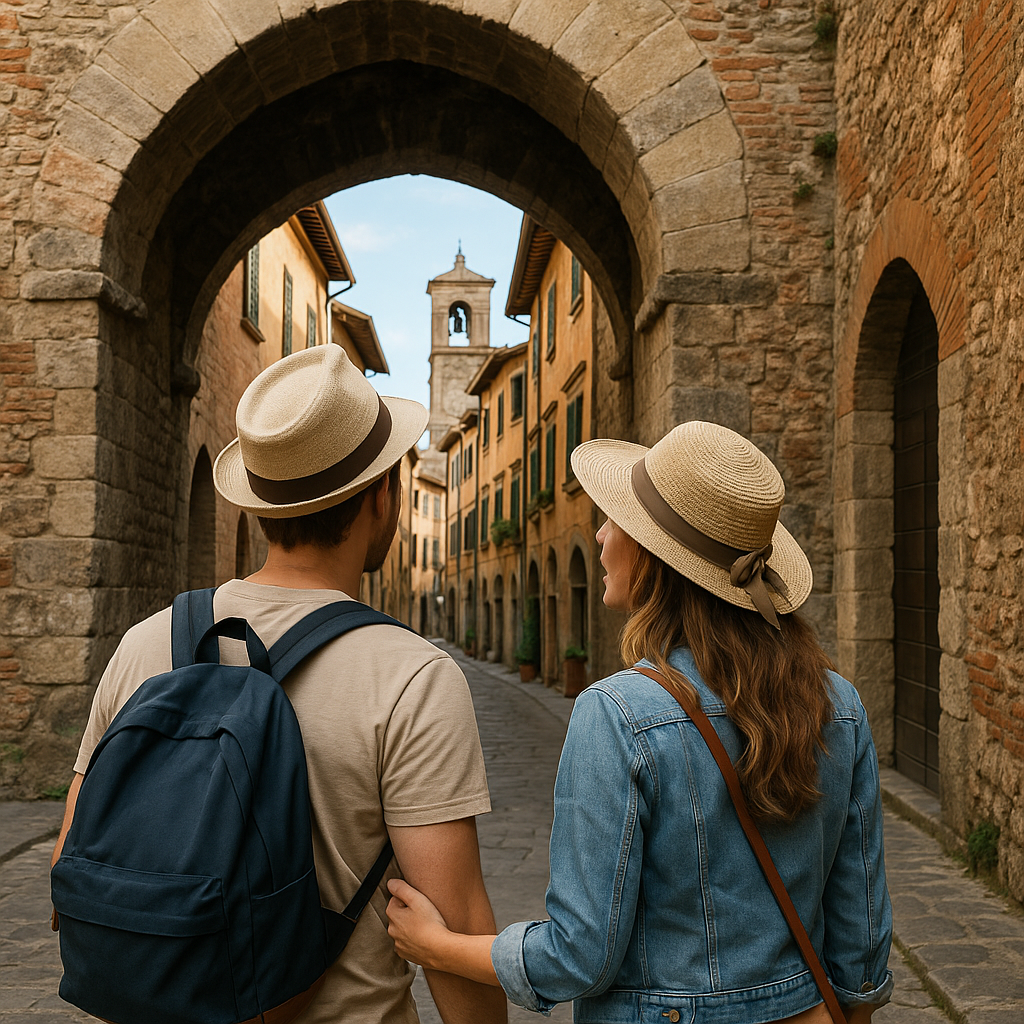
Few languages wear as many hidden faces as Italian, and if you’ve ever found yourself wandering the narrow streets of Naples hearing sounds that seem almost but not quite Italian, or stood in a Tuscan café bewildered by vowels that dance differently than in Rome, or marveled at the sing-song lilt of Venetian speech drifting across the lagoon, you’ve touched the outer edges of a fascinating reality: beneath the elegant surface of “standard Italian” lies a mosaic of regional dialects and languages, each with its own secrets, stories, and powerful lessons for anyone who wants to understand Italian in its deepest, truest sense.
Learning Italian is often presented as a journey toward mastering grammar tables, verb conjugations, and polite conversation. But if you stop there, you’re only scratching the surface. Italian isn’t one single monolith—it’s a chorus of voices shaped by centuries of history, regional pride, foreign influences, and cultural identity.
In this article, we’re going to explore what Italian regional dialects can teach you about the language as a whole—and why ignoring them means missing out on some of the most exciting, colorful, and essential parts of learning Italian.
We’ll uncover:
The real difference between a dialect and a language in Italy
How regional variations can supercharge your vocabulary
Why dialects reveal hidden grammar patterns in standard Italian
The cultural mindset reflected in regional speech
How dialects enrich your accent, humor, and cultural awareness
Even if you never plan to speak Neapolitan, Sicilian, or Venetian fluently, understanding regional dialects offers you a key to truly connecting with Italian speakers—and appreciating the language as it’s lived, not just taught.
So let’s dive into the kaleidoscope that is Italy’s linguistic landscape.
A Country United… Sort Of
Italy became a single country in 1861. Before that, it was a patchwork of independent kingdoms, duchies, and city-states, each with its own speech.
When Italy unified, the leaders needed a common language for government, education, and national identity. They chose the Tuscan variety of Italian—specifically the literary language of Dante, Petrarch, and Boccaccio.
Yet for many Italians, their mother tongue remained their regional dialect.
Even today, while standard Italian is universal in media and education, dialects are alive and well in homes, markets, and conversations among locals. Some are closer to standard Italian. Others are practically separate languages.
Dialects vs. Languages: What’s the Difference?
Dialect or Language?
Linguists often say:
“A language is a dialect with an army and a navy.”
This joke captures a reality: the line between “dialect” and “language” is political as much as linguistic.
For example:
Neapolitan, Sicilian, Sardinian, Friulian → Officially recognized as minority languages by the Italian government. They have their own grammar, vocabulary, and sometimes even literature.
Romanesco, Venetian, Milanese dialects → Often called “dialects” but are sometimes mutually unintelligible with standard Italian.
In practical terms, many dialects are separate languages in their own right.
Dialects as a Window into Italian Vocabulary
Regional dialects are a treasure trove for expanding your Italian vocabulary.
Borrowings and Influence
Italy’s regions have been conquered or influenced by:
Spanish (in the South)
French (in the Northwest)
Germanic tribes (in the North)
Arabic (in Sicily)
Example:
Neapolitan “guaglione” → means “boy,” from Spanish “guajillo.”
Sicilian “manciare” → evolved from Latin, but with unique Arabic loanwords sprinkled in.
When you hear dialects, you hear history.
Everyday Words That Cross Over
Many “dialect words” creep into standard Italian, especially in regional speech.
In Rome:
“Daje!” → “Come on!”
In Naples:
“Ciao, uagliò!” → “Hi, buddy!”
Knowing these words helps you sound more natural—and connect better.
Dialects and Italian Grammar
Italian dialects can teach you hidden grammar patterns.
Double Negatives
Many dialects use double negatives:
Neapolitan: “Nun voglio niente.” (I don’t want nothing.)
This echoes structures in standard Italian, where “non… niente” is grammatically correct:
Standard: “Non voglio niente.”
Pronouns
In Sicilian dialect, pronouns often drop out or change position. This can help you spot why standard Italian sometimes allows flexible word order:
“M’ha ditto.” → “He/she told me.”
This reminds you that object pronouns often attach to verbs in Italian.
Verb Endings
Dialect verb endings reveal how Latin evolved differently in regions. Understanding this can help you:
Recognize unusual forms
Understand older literature
Appreciate regional speech quirks
Dialects and Culture: Mindsets in Words
Dialects are pure culture. Through them, you hear how people think.
Humor
Neapolitans love irony and wordplay. Their dialect bursts with jokes and creative insults that show their humor even in hardship.
Identity
Speaking dialect can signal:
Regional pride
Rebellion against authority
Deep local connection
Many Italians “switch codes,” speaking dialect with family and standard Italian in public.
Dialects and Sound: Musicality and Accent
Ever notice Italians have different accents even when speaking standard Italian?
Neapolitan Sing-Song
Neapolitans use rising intonation, even in statements. This melody seeps into their standard Italian speech.
Venetian Softness
Venetians soften consonants and vowels. They say:
“Venéssia” instead of “Venezia.”
Understanding dialects helps you:
Recognize regional accents
Adjust your own pronunciation
Avoid confusion when traveling
Why Learn About Dialects if You’re Studying Standard Italian?
Real-Life Conversations
Standard Italian is perfect for official contexts. But real Italians mix in dialect words all the time. Understanding dialect:
Helps you follow conversations
Prevents misunderstandings
Lets you laugh at local jokes
Cultural Respect
Knowing even a few dialect words shows respect for people’s heritage.
Travel
If you’re in Sicily, Puglia, or Veneto, hearing dialect is inevitable. Being prepared makes your travel richer.
Italian’s “Hidden Grammar”
Dialect helps you understand why standard Italian allows:
Flexible word order
Dropped pronouns
Emphatic expressions
How to Start Exploring Dialects
You don’t have to become fluent in Neapolitan to benefit from dialect knowledge.
Listen to Music
Neapolitan songs
Sicilian folk music
Venetian traditional songs
Lyrics reveal dialect words and rhythms.
Watch Regional TV
Rai channels often feature regional news in dialect.
Comedy shows sometimes use dialect characters.
Talk to Locals
If you’re traveling, ask:
“Come si dice… in dialetto?”
People love sharing local words.
Read Poetry
Neapolitan poetry
Sicilian dialect literature
Even small excerpts are eye-opening.
Fun Examples from Dialects
Here’s how “boy” changes:
Italian: “Ragazzo”
Neapolitan: “Guaglione”
Romanesco: “Regazzino”
Sicilian: “Picciotto”
Venetian: “Tocio”
Each word carries cultural flavor.
Or “Come on!”
Italian: “Dai!”
Romanesco: “Daje!”
Neapolitan: “Jammo!”
Are Dialects Dying Out?
It’s a complex picture:
Older generations speak dialect fluently.
Younger people often understand but don’t speak it daily.
Yet dialects remain vibrant in:
Comedy
Music
Family life
They’re not disappearing anytime soon.
Dialects and Emotional Expression
Dialects often capture feelings standard Italian can’t express as vividly.
Neapolitan can sound more passionate or dramatic.
Venetian often sounds soft and ironic.
Sicilian can feel poetic and intense.
Learning dialect words helps you express emotion more authentically.
Dialects in Modern Media
Social media has revived interest in dialects:
TikTok stars using Romanesco
YouTube channels in Neapolitan
Rap songs in Sicilian
Dialect isn’t “old”—it’s trendy again.
Should You Learn a Dialect?
It depends on your goals:
Living in a specific region? Learning dialect helps daily life.
Traveling? Knowing basic words shows respect.
Language enthusiast? Dialects deepen your Italian knowledge.
Even if you never speak dialect fluently, understanding it is pure linguistic gold.
FAQs About Italian Dialects
Q: Are dialects and accents the same thing?
No. An accent changes pronunciation. A dialect changes grammar, vocabulary, and sometimes mutual intelligibility.
Q: Can Italians understand each other’s dialects?
Sometimes. Dialects close to standard Italian (like Romanesco) are easier to understand. Others (like Sardinian) are virtually separate languages.
Q: Should I learn a dialect or stick to standard Italian?
Start with standard Italian. Once you’re comfortable, exploring dialects is enriching but not essential for basic communication.
Q: Are dialects taught in schools?
Rarely. Some regions promote dialect preservation, but education is primarily in standard Italian.
Q: Are dialects disappearing?
Some are declining, but many are experiencing a cultural revival through music, comedy, and social media.
Q: Can learning dialect improve my standard Italian?
Yes! It helps you understand grammar patterns, cultural references, and regional accents.
Q: Do dialects influence modern Italian vocabulary?
Absolutely. Words like “daje” (come on) from Romanesco or “guaglione” (boy) from Neapolitan appear in casual speech nationwide.
Q: Is it disrespectful to use dialect words as a foreigner?
Not at all—as long as you’re respectful and aware of context. Italians appreciate the effort.
Ready to Dive Deeper Into the Heart of Italian?
At Polyglottist Language Academy, we believe Italian isn’t just a language—it’s a collection of voices, cultures, and histories. Our Italian courses go beyond textbooks, giving you the tools to:
Speak confidently
Understand regional differences
Connect with Italians on a deeper level
Whether you’re a beginner or looking to refine your skills, we help you discover the real Italy—dialects and all.
👉 Sign up for our classes today!
Check Out More of Our Blog!
Curious about more linguistic and cultural secrets? Check out these articles next:
From Ciao To Arrivederci: How To Master Italian Greetings And Goodbyes
Using “Piacere” Correctly In Italian (It’s Not Just ‘To Like’)
Aperitivo, Passeggiata & More: Everyday Italian Culture Through Language
Valle D’Aosta: Castles, Mountains, And The Taste Of Fontina Cheese
From Opera To Espresso: Explore Italian With Classes In Oakland
How To Ask Questions In Italian: Grammar, Tone, And Intuition