
How to Blend in at a French Café—Language, Behavior, and What Not to Do
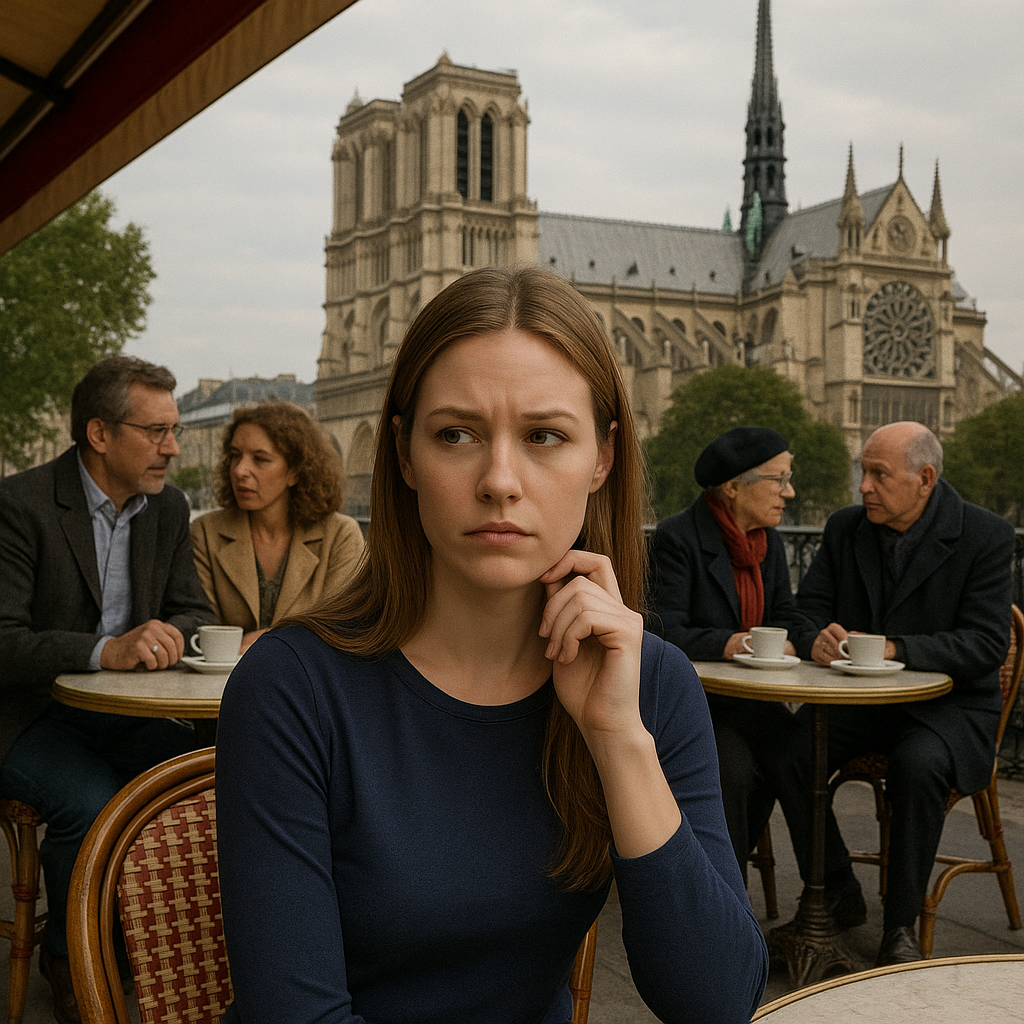
Introduction: More Than Coffee—A Way of Life
Imagine this. You’ve finally made it to Paris. The Eiffel Tower shimmers in the distance, the streets smell of warm bread and roasted coffee, and you slip into a charming café, ready to live your French fantasy.
You find a little table on the terrace, sit down, and wait for the waiter to approach. And wait. And wait. Eventually, a server breezes past, eyes flicking over you with a look that says… nothing at all.
You clear your throat. “Excuse me?” you say, a bit too loudly. The waiter stops, raises an eyebrow, and says, “Oui, madame ?”
Suddenly, you’re painfully aware that everyone seems to know something you don’t. How do people just glide into cafés, order their coffee, chat with the waiter, and look effortlessly cool doing it?
Welcome to the world of the French café—a world with its own rules, rituals, and unspoken codes.
French cafés aren’t just places to grab a latte. They’re an institution. A café is:
A second living room
A spot for philosophical debates
A refuge for artists and thinkers
A place for gossip, romance, or simply people-watching
And like any institution, cafés operate according to a complex cultural script. Get it right, and you’ll feel like a local. Get it wrong, and you’ll stick out like a sore thumb, possibly earning a cold shrug from your server—or worse, from the Parisian crowd.
This guide is your passport to blending in. We’ll explore:
The language you should use
Behavioral etiquette
Common mistakes to avoid
How to truly savor the café experience like the French do
By the end, you’ll not just be drinking coffee—you’ll be living la vie parisienne.
Let’s step inside.
Understanding the French Café Culture
The Café as an Extension of Life
For the French, the café isn’t merely transactional. It’s part of daily rhythm. People come to:
Work
Read
Meet friends
Sit alone without feeling lonely
Watch the world go by
Unlike some cultures where table turnover is crucial, French cafés often encourage lingering.
Tables Have Social Meaning
A table inside versus outside, a high stool at the bar versus a seat in the corner—they all signal something:
Terrace → prime people-watching territory.
Bar counter → for a quick espresso.
Inside → quieter conversations, work sessions.
Knowing where to sit helps you blend in.
The Language of the Café
Greeting Your Server
Rule number one: Always greet the server first. Never launch into your order without a polite “Bonjour.”
Bonjour, monsieur. → Hello, sir.
Bonsoir, madame. → Good evening, ma’am.
Ordering Coffee
If you just say “coffee,” you might get an espresso by default.
Un café → espresso shot.
Un café allongé → slightly longer, weaker espresso.
Un café crème → like a latte, but smaller.
Un noisette → espresso with a dash of milk.
Un déca → decaf espresso.
Other Beverages
Un thé → tea.
Un chocolat chaud → hot chocolate.
Une bière pression → draft beer.
Asking for the Bill
In France, the waiter won’t bring the bill unless you ask.
L’addition, s’il vous plaît. → The bill, please.
Est-ce que je peux payer, s’il vous plaît ? → Can I pay, please?
Don’t rush it. The French café experience is leisurely.
Saying Goodbye
Always leave with a polite farewell.
Merci, bonne journée ! → Thanks, have a good day!
Bonne soirée ! → Good evening!
Behavior to Blend In
Don’t Wave or Snap Your Fingers
Getting the waiter’s attention requires:
Eye contact
A polite “S’il vous plaît.”
Waving frantically is a cultural faux pas.
Keep Your Voice Low
French cafés often hum with conversation—but rarely roar. Loud laughter or speaking loudly in English can mark you as a tourist.
Don’t Ask for Customizations
Avoid:
Skim milk
Extra shots
Non-fat foam
Triple caramel drizzles
Ordering like in Starbucks is frowned upon. French coffee culture is simpler and traditional.
Stay at Your Table
Unlike fast-food places, the server will bring your drink to your table. Don’t go pick it up from the bar unless instructed.
Lingering Is Okay—Within Reason
You can stay as long as you wish, especially if you order something more than a single espresso. But nursing a single coffee for five hours might earn you side-eyes.
Tipping
Not obligatory, but rounding up the bill or leaving small coins is polite.
What Not to Do in a French Café
🚫 Don’t use the café as a mobile office.
In Paris, laptops are acceptable in certain cafés, but don’t spread papers everywhere. You’re in someone’s living room, not a co-working space.
🚫 Don’t assume free refills.
France doesn’t do free refills. Each cup is a new order.
🚫 Don’t treat the waiter like a servant.
French waiters are professionals who take pride in their work. Be polite and respectful.
🚫 Don’t rush.
The café experience is about savoring the moment.
The Art of People-Watching
People-watching, or “faire du lèche-vitrine humain,” is a favorite pastime. Sit on the terrace and watch:
Chic Parisians walking their dogs
Elderly men discussing politics
Couples stealing kisses
Fashionistas on the latest trends
Observing life unfold around you is part of the charm.
Solo in a Café? No Problem.
Unlike some cultures where sitting alone feels awkward, solo café visits are perfectly normal in France. Bring a book, a notebook, or simply your thoughts.
Ordering Like a Local: Sample Dialogue
Server: Bonjour, monsieur !
You: Bonjour ! Je voudrais un café crème, s’il vous plaît.
Server: Bien sûr. Sur place ou à emporter ?
You: Sur place, merci.
Server: Très bien.
(Enjoy your coffee…)
You: L’addition, s’il vous plaît.
Server: Voilà. Ça fait 4,50 euros.
You: Merci beaucoup. Bonne journée !
Server: Merci à vous aussi !
Regional Differences
In southern France, cafés often have a more relaxed vibe.
In Paris, café etiquette is slightly more formal.
Prices vary dramatically depending on location.
How to Practice Blending In
✅ Watch French Films Set in Cafés
Amélie
La La Land (Paris scenes)
Midnight in Paris
✅ Listen to French Café Music
Search “French café music” on Spotify for ambiance.
✅ Practice Role-Playing
With a language partner or teacher, practice:
Ordering coffee
Asking for the bill
Making small talk
✅ Learn Key Phrases
Memorize:
“Je voudrais…” → I’d like…
“Est-ce que je peux…?” → Can I…?
“C’est combien ?” → How much is it?
Café Types in France
Not all cafés are created equal:
Le café → Classic coffee shop.
Le bar-tabac → Café selling tobacco and newspapers.
La brasserie → Serves meals in addition to drinks.
Le salon de thé → Focuses on tea and pastries.
The Emotional Side of French Cafés
A café isn’t just a place—it’s a feeling:
Comfort
Solitude without loneliness
A place to watch life unfold
The hum of conversation
Blending in means understanding that the café is a sanctuary for the French soul.
FAQs About French Café Culture
Q: Can I work on my laptop in a French café?
Sometimes. It depends on the café. In big cities, some places welcome laptops, but many traditional cafés don’t appreciate it.
Q: Should I tip in a French café?
Not obligatory, but leaving small change or rounding up the bill is appreciated.
Q: Is it rude to stay for hours with just one coffee?
Not if it’s a reasonable time. But if you’re staying for three hours, consider ordering something else.
Q: What’s the difference between “un café crème” and “un cappuccino”?
“Café crème” is similar to a latte. Cappuccino is usually reserved for tourists; locals rarely order it outside breakfast.
Q: Can I order coffee to go?
Yes, but it’s less traditional. The French prefer drinking coffee at the café.
Q: Is it okay to wave the waiter over?
No. Make eye contact or wait for them to come to you.
Q: Can I share a table with strangers?
In crowded cafés, it can happen. Ask politely first.
Q: Why is my coffee so small?
French coffee, especially espresso, is meant to be intense and small. It’s about savoring the moment, not guzzling a giant mug.
Ready to Blend In—and Speak French Like a Local?
At Polyglottist Language Academy, we believe language learning is about real-life experiences. From café conversations to navigating French etiquette, our classes help you feel at home wherever you go in France.
Whether you’re ordering coffee in Paris or chatting in a café in Lyon, we’ll help you sound—and feel—like a local.
👉 Sign up for our classes today and unlock the secrets of French culture and conversation!
Check Out More of Our Blog!
Love cultural insights? Explore these other articles:
Why Fluent French Isn’t Perfect French—And Why That’s A Good Thing
A Crash Course In “French Filler Words” (Eh Bien, Tu Vois, Genre...)
Street French Vs. School French: What You’ll Hear Vs. What You Learn
What Learning French Teaches You About English (Yes, Really!)
10 “Invisible Words” In Spoken French That Aren’t In Your Textbook
The Sound Of French: How To Train Your Ear To Understand Spoken French Fast
From Oui To Oops: The Funniest Mistakes French Learners Make (And What They Teach Us)