
How to Travel in France on a Budget—With Useful French Vocabulary
Introduction: The Magic of France Doesn’t Have to Cost a Fortune
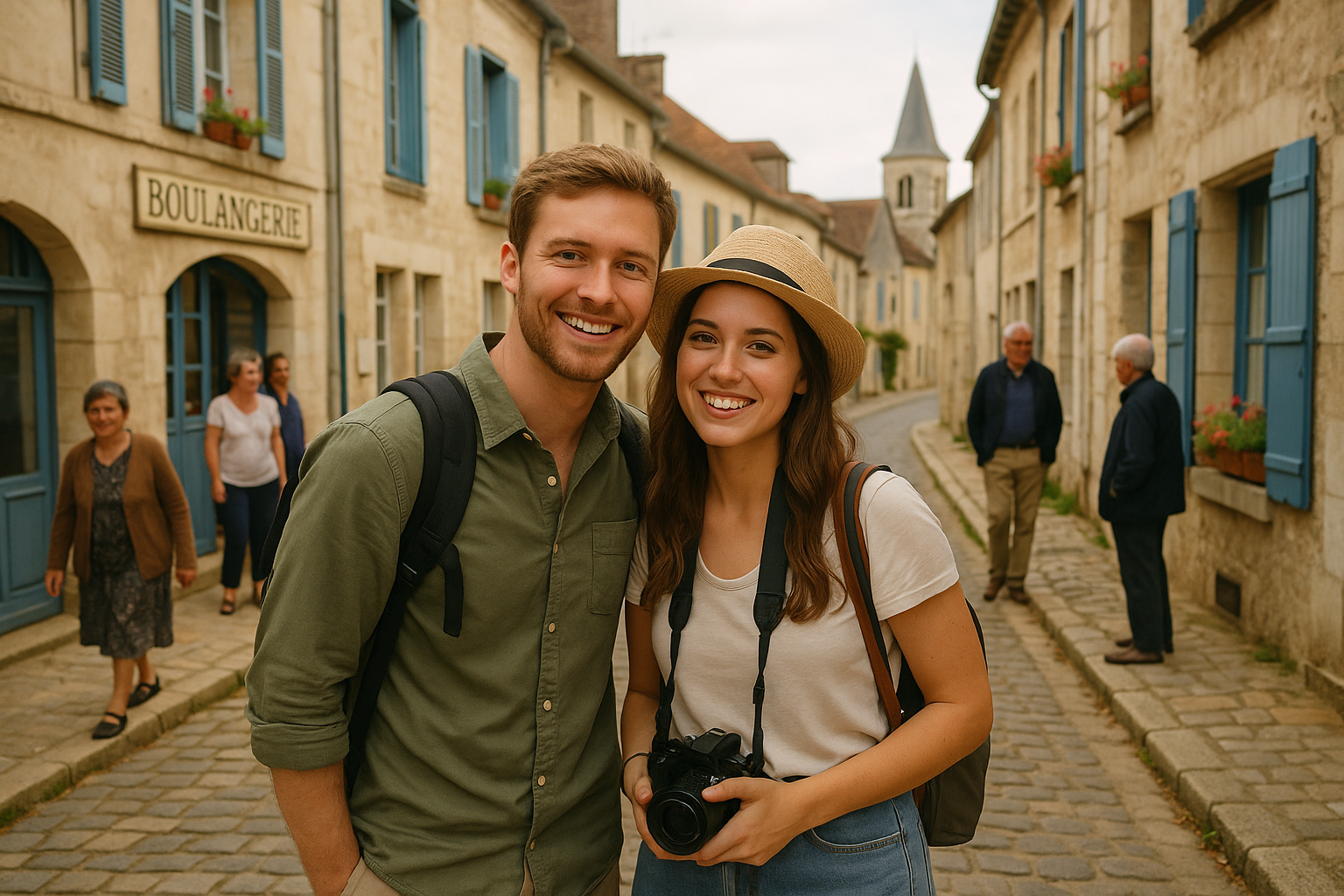
Think of France, and what comes to mind? Maybe it’s the glittering lights of Paris reflected on the Seine at night. Or the lavender fields of Provence stretching toward the horizon. Perhaps it’s the scent of freshly baked croissants wafting from a boulangerie, or the quiet awe of standing beneath the soaring arches of a Gothic cathedral.
For many travelers, France is a dream destination—a country synonymous with romance, culture, art, and gastronomy. But it’s also, infamously, known as one of the more expensive places to visit. Flights, hotels, Michelin-starred restaurants, museum tickets…it all adds up. The idea that a trip to France requires a lavish budget keeps many would-be adventurers away.
But here’s the secret: you don’t need to be wealthy to savor the joys of France. You don’t need five-star hotels, luxury shopping sprees, or endless restaurant splurges to experience the true spirit of this magnificent country. In fact, some of France’s best offerings are entirely free—or delightfully affordable—if you know where to look.
And there’s another secret: speaking even a little French can unlock incredible experiences and savings. A polite Bonjour, a question in French, or knowing how to say “C’est trop cher” (It’s too expensive) can transform your travels from a typical tourist jaunt into a meaningful cultural adventure—and save you money along the way.
In this article, we’ll guide you through the smartest ways to travel in France on a budget. We’ll share practical tips, hidden savings, and cultural tricks to help you stretch your euros further than you ever imagined. Even better, we’ll teach you the essential French words and phrases you’ll need to navigate local markets, public transport, and everyday interactions with confidence.
Whether you’re planning your first trip to France or returning to explore new regions, you’ll discover that la belle France welcomes travelers of all budgets. All you need is some clever planning—and a bit of French—to live your own unforgettable adventure.
Part 1: Why Budget Travel in France Is Totally Possible
Many travelers assume that “budget travel” in France means sacrificing comfort or missing out on the true French experience. But the opposite is often true. France is wonderfully set up for travelers who want to explore deeply and authentically without spending a fortune.
Here’s why:
Excellent Public Transport: France’s rail and bus networks are some of Europe’s finest, making it easy to travel far without renting a car.
Affordable Food Options: While France is known for haute cuisine, everyday food culture is designed for normal budgets—think fresh bread, market produce, and affordable set menus.
Free Cultural Attractions: Many museums, cathedrals, and parks cost nothing—or are free on certain days.
Diverse Accommodation: From budget hostels to short-term rentals, there’s a place for every wallet.
Regional Charm: Smaller towns and regions are often cheaper than major cities, offering authentic experiences at lower costs.
With a little preparation, you’ll find that France isn’t just for luxury travelers—it’s for everyone who’s passionate about culture, history, and living well.
Part 2: Budget Travel Tips for France
Use Public Transportation
France’s transport system is a budget traveler’s dream. Trains, metros, buses, and trams connect almost every corner of the country.
Regional Trains (TER): These trains are slower but significantly cheaper than high-speed TGVs. Perfect for short hops between towns.
Long-Distance Buses: Companies like FlixBus and BlaBlaCar Bus offer very low fares between major cities.
Validate Your Ticket: Don’t forget to composter le billet (validate your ticket) before boarding. Otherwise, you risk fines.
City Passes: Many cities offer tourist passes that include unlimited travel on public transport plus discounts on attractions.
Learning a few transport-related French words is invaluable:
EnglishFrenchThe metroLe métroThe busLe busThe trainLe trainTicketUn billetWhere is…?Où est… ?Where is the bus stop?Où est l’arrêt de bus ?
Stay in Budget Accommodation
Hotels in France can be pricey, especially in tourist hubs. But budget-friendly options abound:
Hostels (Auberges de jeunesse): Affordable, social, and often centrally located.
Budget Hotels: Chains like Ibis Budget or B&B Hotels offer clean, simple rooms at decent prices.
Short-Term Rentals: Platforms like Airbnb can offer better value than hotels, especially for longer stays.
Advance Booking: Booking in advance can save significant money.
Useful French words:
EnglishFrenchHostelUne auberge de jeunesseRoomUne chambreReservationUne réservationBathroomLes toilettes
Eat Like a Local
Forget overpriced tourist restaurants. Locals know how to eat well on a budget:
Boulangeries (Bakeries): Grab sandwiches, quiches, or pastries for a fraction of restaurant prices.
Markets (Marchés): Buy fresh produce, cheeses, meats, and snacks to create your own picnic.
Supermarkets (Supermarchés): Perfect for budget meals, snacks, and picnic supplies.
Prix Fixe Menus: Many restaurants offer set-price menus that are excellent value for lunch.
Essential food vocabulary:
EnglishFrenchMarketLe marchéSupermarketLe supermarchéWaterL’eauBill, pleaseL’addition, s’il vous plaît
Take Advantage of Free Activities
You don’t have to pay to soak up French culture:
Free Museum Days: Many major museums are free on the first Sunday of the month.
Churches and Cathedrals: Architectural masterpieces like Notre-Dame or Chartres Cathedral are free to enter.
Parks and Gardens: France’s public gardens (parcs, jardins) are gorgeous and free.
Walking Tours: Some cities offer free guided walks.
Useful phrases:
Are there free activities? → Y a-t-il des activités gratuites ?
Travel Off-Peak
Visiting outside high season (July-August) saves money and avoids crowds:
Accommodation prices drop significantly.
Airfare is cheaper.
Popular attractions are less crowded.
Useful question:
Do you have a cheaper option? → Y a-t-il une option moins chère ?
Part 3: Essential French Vocabulary for Budget Travelers
Mastering some basic French can transform your budget trip. Locals appreciate your effort and you’ll often get better service—or even local tips about cheaper alternatives!
Sample phrases:
Combien ça coûte ? — How much does it cost?
C’est trop cher. — It’s too expensive.
Avez-vous une option moins chère ? — Do you have a cheaper option?
Où est le supermarché ? — Where is the supermarket?
Je paie en espèces / par carte. — I’ll pay in cash / by card.
Part 4: How Speaking French Saves You Money
Speaking French doesn’t just help you feel more confident—it can directly save you money:
Negotiation: In markets or small shops, a polite question in French can lead to discounts.
Avoiding Tourist Traps: Locals are more likely to warn you away from overpriced spots if you speak their language.
Understanding Signs: Save on fines by understanding instructions for validating tickets or local rules.
Better Service: Hotel staff, restaurant servers, and shopkeepers often respond more warmly to visitors who try speaking French.
Part 5: Sample Budget Day in France
Imagine this day:
Breakfast: A croissant and coffee from a boulangerie (€3.50).
Morning: Free stroll through Paris’ Jardin du Luxembourg.
Lunch: A prix fixe menu in a neighborhood bistro (€12).
Afternoon: Free entry to the Musée d’Orsay (first Sunday).
Dinner: Picnic of market cheeses, bread, and fruit along the Seine (€8).
Transport: Metro ticket (€1.90).
Total: ~€25.40 for an entire day in Paris!
And if you sprinkle in a few key French phrases along the way, you’ll make friends and memories at every turn.
Part 6: Tips for Using French as a Traveler
Don’t worry about being perfect. The French admire effort. Keep these tips in mind:
Start every conversation with Bonjour.
Learn polite expressions: S’il vous plaît, merci, excusez-moi.
Carry a small phrasebook or translation app.
Listen carefully to how locals pronounce words.
Keep your sentences simple.
Conclusion: France on a Budget—It’s Not Just Possible, It’s Wonderful
Traveling in France on a budget isn’t about missing out. It’s about experiencing the country as locals do—savoring simple pleasures, exploring hidden corners, and discovering that the best things in France often come for free.
With smart planning and a handful of essential French phrases, you can transform your trip into a rich cultural journey full of authentic moments, all without draining your wallet. Remember: it’s not about how much you spend—it’s about how deeply you experience the magic of France.
Ready to explore France affordably and confidently? Pack your curiosity, your phrasebook, and an open heart—and go create your own unforgettable adventure!
FAQs
Q: Is France really expensive to visit?
Not necessarily! With planning, you can visit France on a reasonable budget, especially outside peak season.
Q: Is speaking French necessary?
No—but even basic phrases can save you money, help you avoid misunderstandings, and make locals more welcoming.
Q: Are hostels safe in France?
Yes, especially in large cities. Always read reviews and check locations before booking.
Q: Is eating out always expensive in France?
Not at all. Boulangeries, markets, and prix fixe menus make dining affordable.
Q: Can I get by only speaking English?
In major cities, yes—but using French phrases makes your experience smoother and friendlier.
Q: Are museums free in France?
Many offer free days each month or have sections with free entry.
Q: What’s the cheapest way to travel between cities?
Long-distance buses and regional TER trains are usually the most budget-friendly options.
Q: Is France safe for solo travelers?
Generally, yes. Use normal precautions as you would anywhere.
At Polyglottist Language Academy, we believe that language isn’t just about words—it’s the key to truly connecting with cultures and people. Our classes go beyond textbooks, teaching you how to navigate real-life situations—like traveling in France on a budget—with confidence and joy.
👉 Ready to make your dream of traveling France a reality—and speak French while you do it? Sign up for our classes today!
Check out our other articles for more travel and language inspiration:
Learning French For Travel: The Fast-Track Plan For Last-Minute Trips
When French Gets Philosophical: How To Talk About Life, Love, And Meaning
French For Abstract Thinkers: Expressing Complex Ideas Like A Native
Why Fluent French Isn’t Perfect French—And Why That’s A Good Thing
Street French Vs. School French: What You’ll Hear Vs. What You Learn
What Learning French Teaches You About English (Yes, Really!)
10 “Invisible Words” In Spoken French That Aren’t In Your Textbook
From Oui To Oops: The Funniest Mistakes French Learners Make (And What They Teach Us)
Bon voyage et bon courage—happy travels and good luck on your French journey!