
Why French Waiters Aren’t Rude (You’re Just Misreading the Culture)
Introduction: Is It Me, or Was That Waiter... Rude?
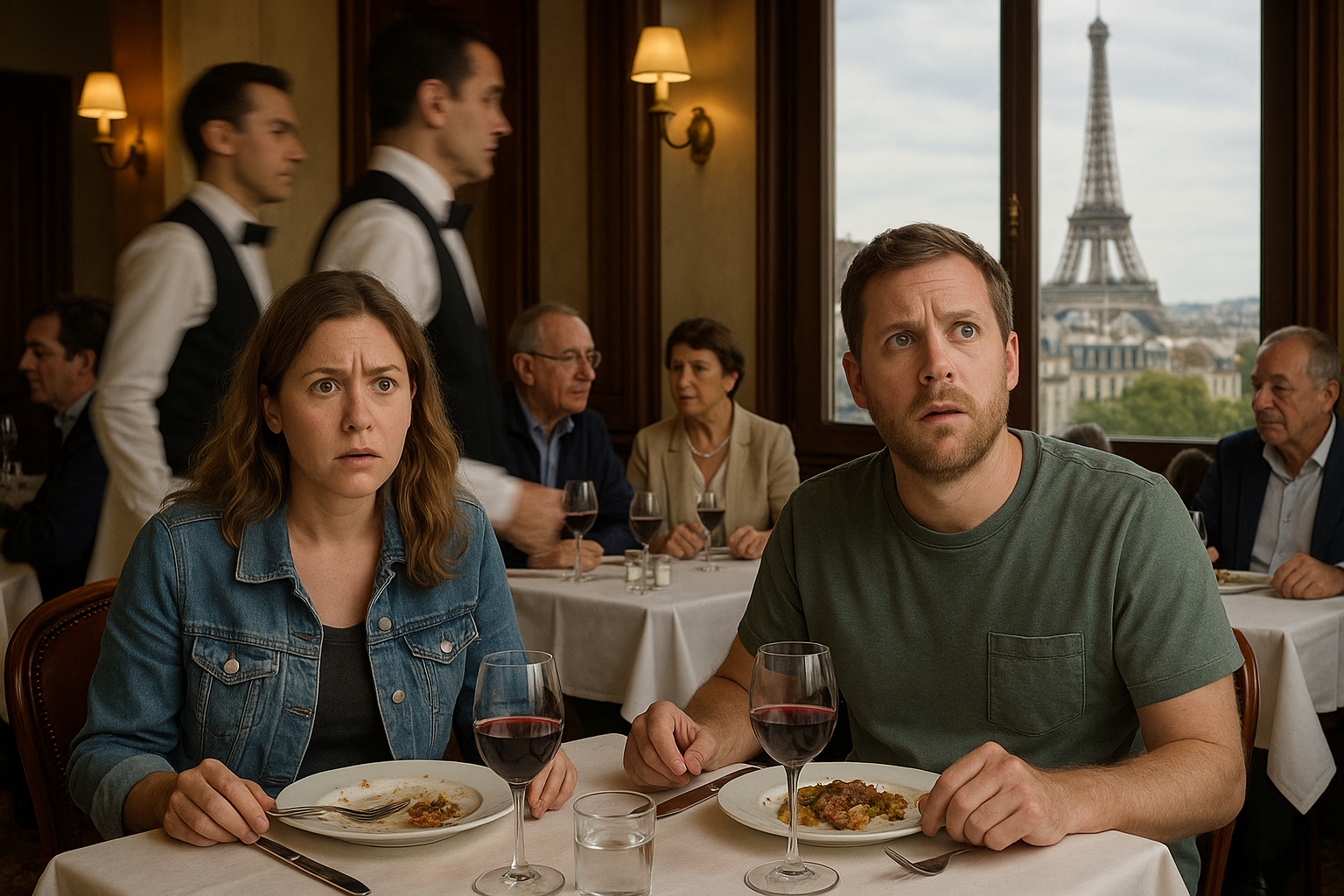
You sit down at a cozy Parisian café. The waiter arrives—not with a warm smile and enthusiastic small talk, but with a neutral expression and a crisp “Bonjour.” You order. He says nothing, just nods. Ten minutes later, your coffee appears—wordlessly. You wave, ask for the bill, and again: silence, a nod, a receipt. No “How is everything?” No “Have a great day!” You leave, wondering: What did I do wrong?
If you’ve ever dined out in France, you’ve probably experienced something like this. For many visitors—especially Anglophones used to bubbly American-style service—French waiters can come off as cold, indifferent, even rude. Online travel forums are filled with complaints. “They never smile.” “He rolled his eyes when I asked for ketchup.” “We waited forever and had to chase him down for the check!”
But here’s the thing: French waiters aren’t rude. What they are is professional, efficient, and operating in a completely different cultural system than the one you’re used to. What you’re interpreting as aloofness or attitude might actually be respect for your privacy, high service standards, or simply a different idea of what good hospitality looks like.
In this article, we’ll unpack the common misunderstandings that lead tourists and French waitstaff to clash. We’ll explore what’s really happening when your server seems standoffish, what French customers expect, and how you can better navigate dining culture in France—whether you're ordering a croissant in Bordeaux or a five-course meal in Lyon.
By the end, you’ll not only understand your waiter—you might even admire him.
Part I: What We Expect vs. What the French Deliver
The American Service Model (What You Might Expect)
In the U.S., servers are often chatty, energetic, and constantly checking in. Why?
They rely on tips for a living.
There’s a “customer is king” mindset.
Speed and friendliness are prioritized.
Servers aim to create a personal connection.
Even in casual settings, friendliness and attention are part of the expected “experience.”
The French Service Model (What You Actually Get)
In France, service is considered a profession—not a stepping stone or side hustle. Waiters are often career professionals, with culinary training and deep pride in their work. This creates a different style of interaction:
No tip-chasing. Service charges are included by law.
Waiters won’t hover or interrupt your meal.
Interactions are polite, not performative.
The pace is slower—meals are to be enjoyed, not rushed.
So when a waiter leaves you alone, doesn’t chat much, or brings the check only when asked—it’s not neglect. It’s the system working as intended.
Part II: Why French Waiters Behave the Way They Do
Let’s break down what might feel like “rudeness” and what’s actually behind it.
❌ They Don’t Smile at You Constantly
Why it feels rude: You’re used to American-style customer service smiles.
What’s really happening: In France, smiling constantly can seem fake or forced. French service professionals value sincerity over cheeriness. They’re not unhappy—they’re just being neutral and respectful.
❌ They Don’t Check on You Every Five Minutes
Why it feels rude: You feel ignored or forgotten.
What’s really happening: In France, interrupting your meal is considered intrusive. Your table is yours for the evening. The waiter will return when it’s appropriate—usually after the course is finished or when you signal.
❌ They Don’t Bring the Check Automatically
Why it feels rude: You’re done eating, but no one’s bringing the bill.
What’s really happening: In France, bringing the check without being asked is a signal that they want you to leave. That’s rude. You are expected to ask for the check when you’re ready:
“L’addition, s’il vous plaît.”
❌ They Correct Your French or Appear Impatient
Why it feels rude: You’re trying your best, and they seem snippy.
What’s really happening: French culture values linguistic precision and expects adults to engage on an equal footing. If they correct you, it’s not to embarrass you—it’s because they think you can (and should) handle it.
Part III: The Social Codes of French Dining Culture
Understanding the unspoken rules helps you see your waiter’s behavior through a new lens.
✅ Say “Bonjour” and “Merci”
Failing to greet your waiter is the number one cultural faux pas. Every interaction in France begins with:
“Bonjour, monsieur/madame.”
“Merci” after receiving anything (the menu, the bread basket, the check).
This basic courtesy earns you instant goodwill.
✅ Don’t Expect Speed
French meals are meant to be slow. You’re not being forgotten—you’re being left in peace. Restaurants assume you’ll stay 1.5–2 hours for dinner.
✅ Waiters Aren’t Your Friend—But They’re On Your Side
They’re not being cold—they’re being professional. Think of it as elegant distance. If you match their level of formality and politeness, you’ll often find them friendly, attentive, even funny.
Part IV: What to Say, How to Order, and How to Connect
Here are some key expressions and behaviors to help you navigate the experience:
Useful Phrases
“Bonjour, une table pour deux, s’il vous plaît.” – Hello, a table for two, please.
“Qu’est-ce que vous recommandez ?” – What do you recommend?
“Nous sommes prêts à commander.” – We’re ready to order.
“C’était délicieux, merci.” – That was delicious, thank you.
“L’addition, s’il vous plaît.” – The check, please.
💡 How to Show You “Get It”
Speak a little French, even if it’s imperfect.
Don’t demand substitutions unless absolutely necessary.
Keep your voice calm and moderate in volume.
Don’t ask for free tap water rudely—say: “Une carafe d’eau, s’il vous plaît.”
Part V: When French Waiters Are Actually Rude
It’s true—some waiters are rude. But that happens in every country. If you encounter real rudeness, it usually falls into one of these categories:
Overly busy restaurants with stressed staff
Tourist hotspots where they’re overwhelmed
You unintentionally broke an unspoken rule (e.g., snapping fingers, skipping “bonjour”)
In rare cases, the waiter just had a bad day. Don’t take it personally—but if you want to avoid it, respect the customs and be polite, calm, and clear.
FAQs: French Waiters and Cultural Misunderstandings
Q: Why don’t French waiters try to upsell or chat like American servers?
They’re not working for tips—and their job is to serve food professionally, not perform a sales pitch.
Q: How do I get their attention if I need something?
Make eye contact, raise your hand slightly, or say:
“Excusez-moi, s’il vous plaît.” (Excuse me, please.)
Q: What if I don’t speak French well?
It’s okay! Start with “Bonjour” and try your best. Even a little effort is appreciated. Many waiters in cities speak some English—but don’t assume it.
Q: Is it rude to ask for changes to a dish?
It depends. In France, dishes are crafted carefully. Changing them can be seen as disrespectful. Politely ask:
“Est-ce possible de…” and accept a “non” graciously.
Q: How much should I tip?
Service is included in the bill by law, but rounding up or leaving a few euros is appreciated if service was good.
Q: Can I stay and talk after I’ve finished eating?
Absolutely. In France, your table is yours for the evening. There’s no rush to leave.
Want to Understand More Than Just the Menu?
At Polyglottist Language Academy, we don’t just teach French vocabulary—we help you master the rhythm, tone, and cultural nuance that make French truly come alive.
Our small online and in-person French classes (3–6 students) are designed to help you speak with confidence, understand unspoken customs, and navigate real-life interactions—whether at a Paris café or a village boulangerie.
👉 Explore our classes and start learning French the way it’s actually spoken—at Polyglottist Language Academy.