
Where to Find the Most Effective French Teachers Online Near You
Introduction: Why the Right French Teacher Changes Everything
You’ve decided to learn French. Maybe you’ve dreamed of traveling through Paris or Provence, connecting with French-speaking friends and colleagues, or finally understanding French cinema without subtitles. You’ve downloaded the apps, flipped through grammar books, maybe even joined a group class. But something’s missing.
Maybe you’re stuck in the “intermediate plateau.” Or you’re afraid to speak because you don’t know if you're saying things correctly. Or you feel like you’re learning about French—but not actually speaking it.
Here’s the truth most language learners eventually discover: a great French teacher makes all the difference.
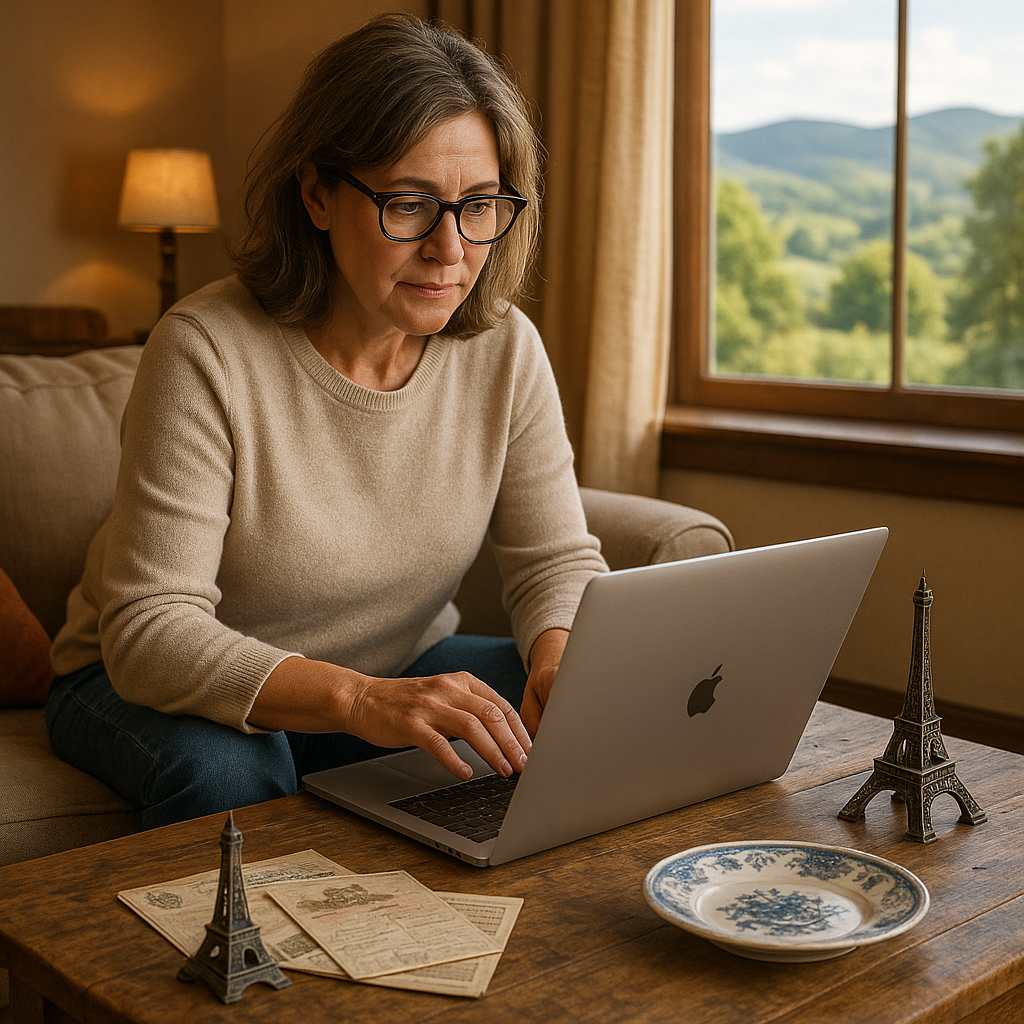
And thanks to online learning, finding a French teacher who meets your goals, learning style, and schedule is more accessible than ever. You no longer have to settle for whoever happens to teach at your local community center or language school. The best French teachers are now just a few clicks away—ready to work with you from anywhere, whether you're in Berkeley, New York, London, or Lisbon.
But how do you actually find the right French teacher? One who knows the language inside and out, understands how people learn, and can guide you toward real fluency—without making you feel overwhelmed, bored, or stuck?
In this article, we’ll walk you through where to find the most effective French teachers online near you, what makes a teacher truly effective, how to spot red flags, and what kind of learning structure actually leads to fluency. Whether you're a total beginner or brushing up your French after years away, you'll find everything you need to make a smart—and inspiring—choice.
Part I: What Makes a French Teacher Truly Effective?
Not all French teachers are created equal. A fluent speaker isn’t necessarily a great teacher. Here’s what to look for when evaluating an online French teacher:
1. Pedagogical Expertise
A strong French teacher isn’t just someone who speaks the language—they understand how to teach it. Look for instructors with training in:
Second language acquisition
French linguistics
Teaching certifications (like the DAEFLE or FLE)
2. Experience with Diverse Learners
The best teachers can adapt their methods to your learning style, whether you're a high school student, a busy adult, or a retiree revisiting a lifelong dream.
3. Cultural Competence
Language and culture are inseparable. Great French teachers also teach you how to communicate naturally, understand nuance, and interpret idioms, tone, and gestures.
4. Balance of Structure and Flexibility
Effective teachers offer clear learning paths but adjust the pace and content based on your progress and needs. You’ll want a teacher who knows when to explain a rule—and when to just get you talking.
5. Genuine Engagement
If you feel seen, supported, and encouraged, you're more likely to stick with your learning. Look for teachers who are present, curious about you, and enthusiastic about your goals.
Part II: Where to Find Effective French Teachers Online (Near You)
Whether you're looking for someone nearby in Berkeley or simply want a time zone-friendly option, here’s where to start your search:
1. Local Language Schools with Online Options
Institutions like Polyglottist Language Academy offer live online French classes taught by qualified, local instructors. Even if you're taking class online, you'll benefit from the school's deep roots in your community—and possibly connect with other learners near you.
✅ Best for: Structured learning, accountability, and cultural enrichment.
2. Online Language Platforms (with Caution)
Websites like iTalki, Preply, or Verbling host thousands of teachers, and many are excellent. But quality varies widely, and not all “tutors” are trained educators. Look for:
Verified qualifications
Good reviews from long-term students
Specialization in your learning level (beginner, advanced, business, etc.)
✅ Best for: Flexibility and a wide range of options.
❌ Watch out for: Inconsistent teaching quality and unclear methodology.
3. University-Affiliated Language Centers
Many colleges and universities (like UC Berkeley) offer French classes or tutoring that can be accessed online. While often semester-based, they offer academic rigor and trained instructors.
✅ Best for: Students or professionals seeking academic-level instruction.
4. Independent French Tutors Near You (Online-First)
Many experienced French teachers now offer private lessons online. A Google search or local community board can lead you to qualified tutors in your area who meet virtually.
Search with phrases like:
“Online French teacher near me”
“Private French lessons Berkeley/Oakland”
“French tutor online Bay Area”
✅ Best for: Personalized instruction with a local touch.
5. French Cultural Centers (Alliance Française & More)
Organizations like Alliance Française offer high-quality instruction with an emphasis on culture and immersion. Most centers now run online classes with certified native speakers.
✅ Best for: Immersive language + culture experience.
Part III: What Kind of Learning Format Should You Choose?
Depending on your schedule, goals, and preferences, consider:
✅ Group Classes (Small)
More affordable
Social and interactive
Motivating when done well
Look for class sizes of 3–6 students max for plenty of speaking time.
✅ Private Lessons
Fully customized
Faster progress
Ideal for shy learners or targeted goals (e.g., exam prep, relocation)
Best when the teacher adapts content and pace based on your real-life needs.
✅ Hybrid Models
Some programs (like those at Polyglottist) offer a mix: small-group classes plus optional one-on-one add-ons or conversation clubs.
Part IV: Red Flags to Watch Out For
If you’re searching on your own, beware of:
🚩 Teachers who speak French but aren’t trained in how to teach
🚩 Generic lesson plans that ignore your goals or level
🚩 Tutors who focus only on grammar with no conversation practice
🚩 Instructors who correct everything immediately instead of letting you speak
🚩 Lack of follow-up, consistency, or a clear progression plan
Effective teaching is as much about how as what—and good teachers guide, not just correct.
Part V: What Questions to Ask Before Choosing a Teacher
Before committing, consider asking:
What’s your experience teaching students like me?
How do you balance grammar, vocabulary, and conversation?
Do you assign homework or offer feedback outside class?
How do you measure progress?
What’s your cancellation or rescheduling policy?
A good teacher will welcome these questions—and probably ask you just as many in return.
FAQs: Finding the Best Online French Teacher Near You
Q: Do I need a native speaker to learn French effectively?
Not necessarily. Native and near-native teachers can both be excellent. What matters most is teaching skill, not accent.
Q: How often should I take lessons?
1–2 times per week is ideal for most learners. But consistency is key—better to study 2 hours weekly for a year than 10 hours for a month.
Q: Are group classes or private lessons better?
It depends. Group classes offer camaraderie and real interaction. Private lessons are faster and more targeted. Some learners benefit from both.
Q: How long does it take to become fluent?
It varies—but with a strong teacher, weekly lessons, and daily practice, many learners reach conversational fluency within 9–18 months.
Q: Can I try a lesson before committing?
Most teachers and schools offer a free trial or level assessment. Always test the waters before diving in.
Q: Is learning online as good as in-person?
With the right teacher, yes. Online learning gives access to high-quality instruction regardless of geography—and offers convenience and flexibility.
Ready to Learn French with a Teacher Who Gets You?
At Polyglottist Language Academy, we know that the best French teachers don’t just speak the language—they connect, guide, inspire, and make the journey enjoyable. Our small-group online classes (3–6 students) and private lessons are taught by experienced, caring instructors who understand what it takes to go from hesitant beginner to confident speaker.
Whether you live in Berkeley, Oakland, San Francisco—or anywhere with Wi-Fi—our programs are designed to help you learn French the way it’s actually spoken.
👉 Check out our upcoming French classes at Polyglottist Language Academy and sign up today.