
Your First Week in France: What Will Shock You, Delight You, and Confuse You
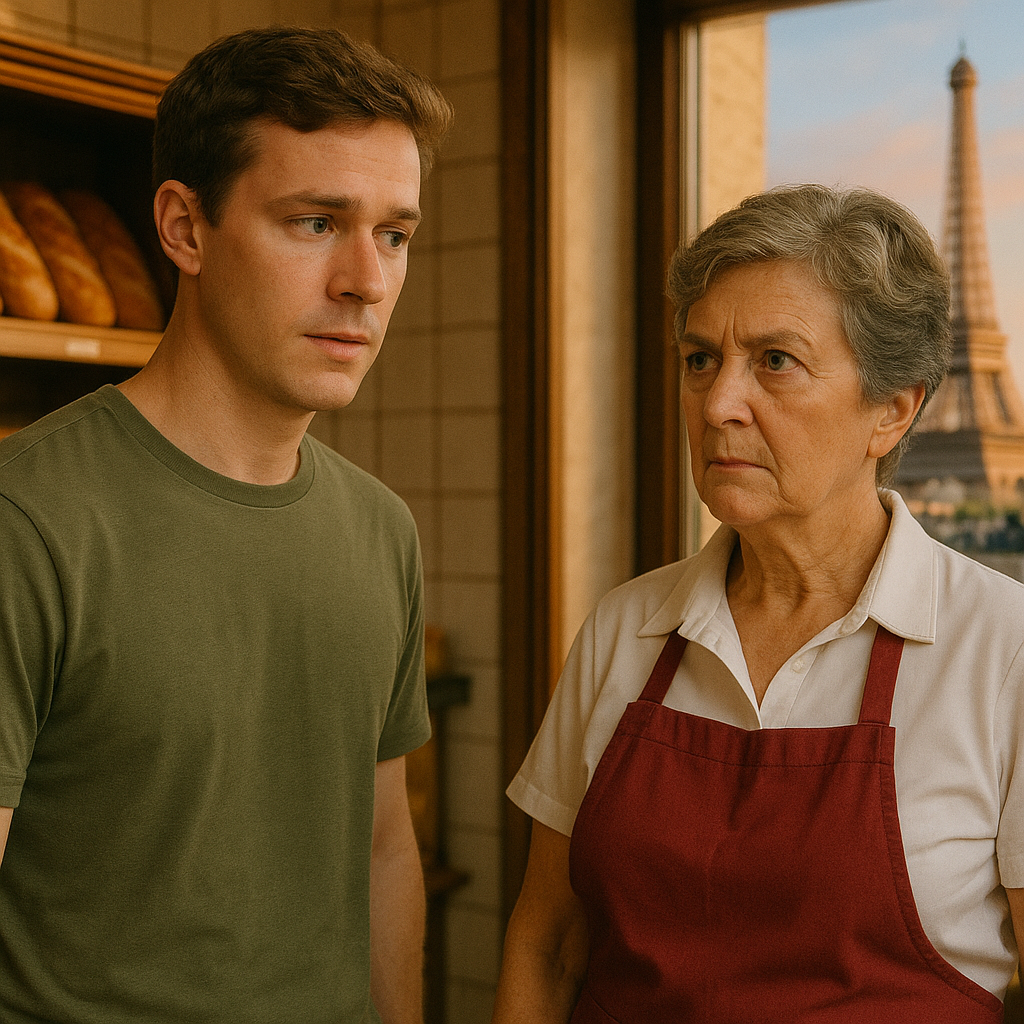
Introduction: What No Textbook Can Prepare You For
You’ve landed in France. Your suitcase is packed, your phrasebook is bookmarked, and you’ve practiced how to say “Je suis désolé, je ne parle pas très bien français” at least twenty times. Maybe you’ve dreamed of this for years—walking cobblestone streets, ordering buttery croissants in fluent French, striking up easy conversations at sidewalk cafés.
But then the taxi driver snaps something you don’t understand, the grocery store closes at 7:00 PM, and no one is smiling at you on the metro.
Bienvenue en France.
Your first week in France will be unforgettable—but not always for the reasons you expect. It will likely be one part thrilling, one part humbling, and a healthy dose of “what on earth is going on?” Even if you’ve studied French for years, the real-life cultural and linguistic quirks of France will surprise you. This isn’t a curated vacation itinerary—it’s your crash course in daily life, and it can be equal parts beautiful and bewildering.
In this article, we’ll break down what to expect in your first week on the ground in France. From cultural norms that make you do a double-take to little joys that feel like cinematic moments, we’ll walk you through the shocks, the delights, and the utter confusions that await you—and how to handle them like a future fluent speaker.
PART 1: THE SHOCKS—CULTURE CLASH MOMENTS THAT HIT HARD
1. The Reserved Greetings
No one is smiling at you on the street. You greet someone in the elevator and they say nothing. Are they being rude?
Nope. Just French.
Unlike in the U.S., random friendliness isn’t the norm in France. Smiling at strangers without a reason can seem intrusive or naïve. Greetings are formal and structured: Bonjour, Madame or Bonjour, Monsieur—and only once per day per person. Don’t worry: real warmth will come once you break through the initial formality.
2. Customer Service is Not About You
American-style customer service—“Hi! How can I help you today?”—doesn’t exist in the same way. In France, the employee isn’t “serving” you. You’re interacting as two adults.
Don’t expect small talk or smiles. Do expect precision, pride, and a focus on product quality. You’re not being ignored—they’re just not paid to entertain you.
3. Shops Have Wild Hours
You planned to grab some cheese and a baguette at 8:30 PM? Trop tard. Many shops close early, and Sundays can feel like a ghost town.
The French prioritize work-life balance and small businesses often take long lunch breaks or unexpected holidays. Your first week will include at least one moment where you stand in front of a shuttered store, confused and a little hungry.
PART 2: THE DELIGHTS—THE MOMENTS THAT FEEL STRAIGHT OUT OF A MOVIE
1. The First Time Someone Calls You “Monsieur” or “Madame”
You walk into a bakery, and someone greets you with a polite “Bonjour, Madame”. It’s simple—but it feels magical. In France, addressing people with formality is a sign of respect. It feels dignified, adult, and deeply human.
2. The Language Comes Alive
You overhear a child asking for a cookie, and you understand every word. You read a street sign and it clicks. You say your first full sentence and get a genuine response.
Every tiny breakthrough becomes a mini triumph—and your confidence builds fast.
3. The Bread is Really That Good
That baguette? That tart? That cheese? It’s not overhyped. The taste, the texture, the aroma—it’s a sensual experience. And because food is so central to French life, every market, café, and even gas station can surprise you with quality.
PART 3: THE CONFUSIONS—WHERE YOU’LL FEEL LOST (AND THAT’S OKAY)
1. You Don’t Know When to Say “Tu” or “Vous”
You meet someone’s cousin. Are they a “tu” or a “vous”? You chat with your neighbor. What do you use?
Welcome to the lifelong game of tu/vous confusion. When in doubt, start formal and follow the other person’s lead. This dance can feel tricky at first—but it’s an essential part of French social navigation.
2. Why Is Everyone Arguing at Dinner?
You’re invited to dinner. Conversations become loud, passionate, even confrontational. Is everyone angry?
Nope. They’re just French.
Debate is part of social life. It’s a form of bonding. As long as people are still pouring wine and passing the cheese, it’s all in good fun.
3. Everyone Walks Slower Than You
You’re rushing through the metro station… but everyone else is strolling. Life in France isn’t rushed—especially outside Paris. Don’t be surprised if people pause mid-day to sit and talk, or if they give you a funny look for multitasking. Embrace the slower tempo.
SURVIVAL TIPS FOR YOUR FIRST WEEK
Say “Bonjour” to everyone. It’s not optional. Shops, cafés, elevators—greet people before saying anything else.
Don’t take aloofness personally. Warmth exists—it just takes time.
Watch how people interact. Copy body language, tone, and pacing.
Learn key phrases like “Je suis encore en train d’apprendre le français” (I’m still learning French).
Use the boulangerie as a language lab. It’s the perfect place to practice short, real-life exchanges.
Journal your surprises. Reflecting helps you process cultural differences.
FAQs
Q: Will people speak English to me?
A: Sometimes—but don’t count on it. Especially outside big cities, many locals appreciate your effort in French and may not switch to English unless they’re confident in it.
Q: Should I correct people who speak to me in English?
A: Gently. Try responding in French. Most people will take the hint that you want to practice.
Q: Is it okay to make mistakes when speaking French?
A: Absolutely. The French respect effort. Just be polite and show that you’re trying.
Q: Why is no one smiling at me?
A: Smiling is more reserved in French culture. Don’t take it personally—it’s not a sign of hostility.
Q: What if I don’t understand what someone says to me?
A: Say “Pardon ?” or “Pouvez-vous répéter, s’il vous plaît ?” (Could you repeat that, please?). Most people will slow down and clarify.
Q: How do I avoid offending people by accident?
A: Be polite, use vous, and observe how others behave. Formality is your friend at the beginning.
Q: Will I feel lonely?
A: Maybe. Your first week can feel isolating—but that passes. Stick with your language practice and stay open.
Q: Is one week enough to really start learning French?
A: One week is a spark. It’s what you do afterward—especially with consistent study and exposure—that keeps the fire going.
Want to Make the Most of Your First Week—And Beyond?
At Polyglottist Language Academy, we prepare you not just to speak French—but to live it. Our classes help you decode French social norms, gain confidence in conversation, and make sense of all the delightful (and confusing) aspects of French culture.
Join our small group or private French classes—offered online or in person in Berkeley, San Francisco, Oakland, San Jose, and Marin—and get ready to feel at home in the French-speaking world.
👉 Enroll today and turn your culture shock into confidence.
Explore More French Language & Culture Articles:
📘 French Etiquette 101: Do’s And Don’ts For Visitors
🎧 Thinking Of Moving To France? 10 Things To Know Before You Go
🤔What To Pack For France: A Seasonal Guide For Smart Travelers
😂 How Much French Do You Really Need To Know For A Trip?
🇫🇷 How To Blend In While Traveling In France (Hint: It's Not Just About Clothes)
🔡 How Polyglottist Language Academy Makes French Learning Feel Like Travel
📚 Bay Area French Cafés, And Cultural Events You’ll Love
🛍️The French Riviera: Where Writers, Painters, And Celebrities Found Paradise