
The Culture of Complaining in France: Art or Attitude?
Introduction: A Nation That Complains Beautifully
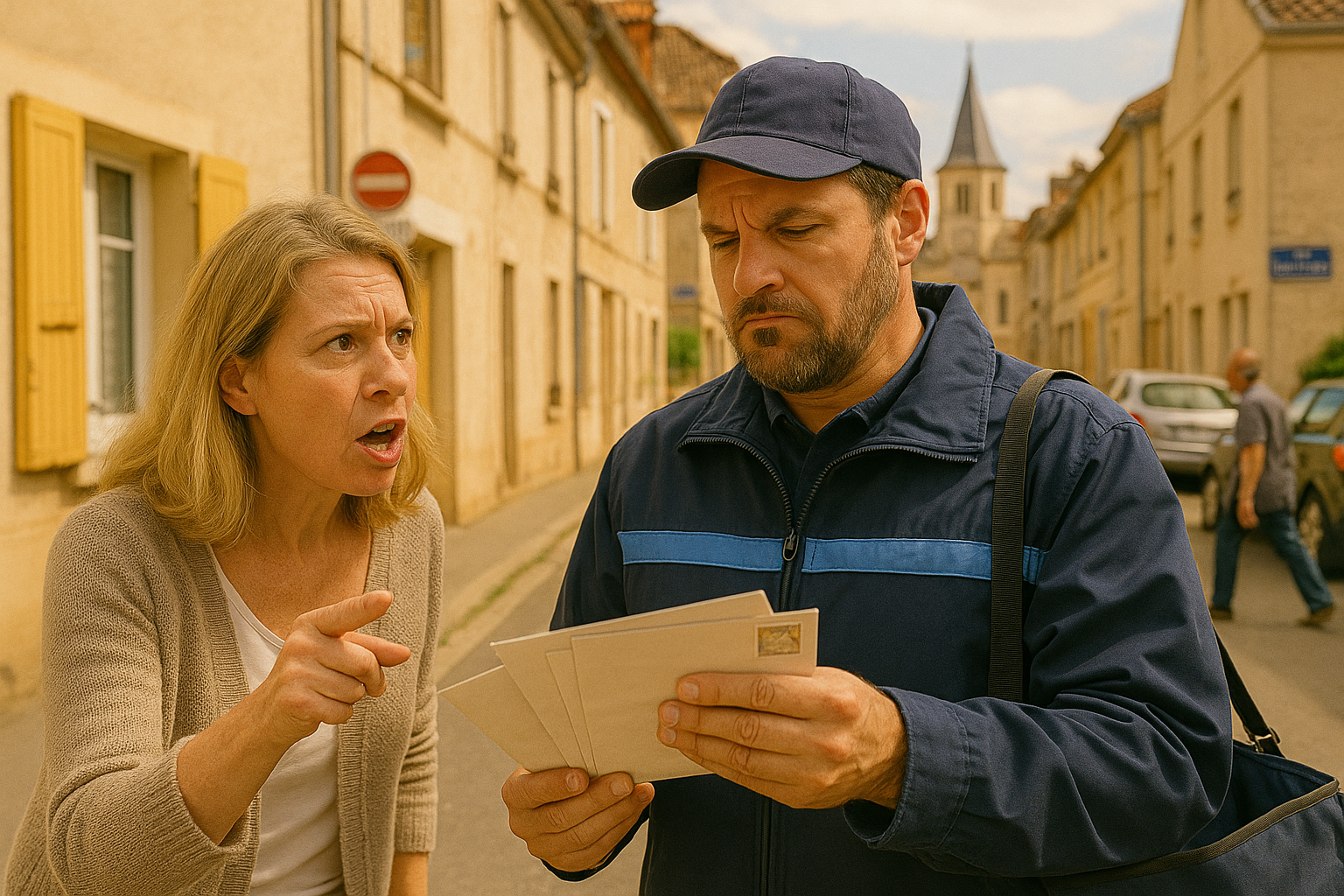
It happens over coffee, in the waiting room, at the post office, or even on a sun-drenched terrace in Provence. Someone sighs deeply and begins to recount a recent injustice: taxes, strikes, train delays, administration, bureaucracy, politicians, the price of butter. Heads nod in sympathy. Someone adds their own story. A rhythm begins. Voices rise, arms gesticulate, and the conversation blooms into a chorus of complaint.
And yet—despite all this griping—no one seems angry. No one storms out. In fact, they look more connected than ever.
To an outsider, this might seem like a national bad mood. But to the French, it’s just life. In France, complaining isn’t necessarily a sign of dissatisfaction. It can be a bonding ritual, a conversational dance, even a form of intellectual play. It's part of the cultural fabric, woven into daily life with charm, wit, and a surprising sense of purpose.
This national pastime confuses many Americans, who are raised on the idea of staying positive, avoiding negativity, and fixing problems quickly. In the U.S., to complain is often seen as a failure to cope. In France, it’s a way of engaging with the world—to question, to challenge, to express identity.
So, is complaining in France an art form? A social attitude? A coping mechanism? Or a philosophy in itself?
In this article, we’ll explore the roots of the French love for complaining, how it plays out in different contexts, why it’s often misunderstood by foreigners, and what it teaches us about how the French think, relate, and resist. And if you’re learning French, understanding this cultural habit may just change how you approach conversation—and connection—in the French-speaking world.
Part 1: Complaining as a Cultural Performance
1. The Ritual of the Complaint
In France, a good complaint is not necessarily about getting a solution. It’s about being heard. Whether it's the quality of the baguette or the absurdity of government paperwork, the act of verbalizing frustration is itself satisfying. It allows people to:
Share experience
Establish camaraderie
Assert intelligence or wit
Express cultural or political identity
The key is how it’s done. The tone may be exasperated, but the delivery is often theatrical, laced with humor, irony, or rhetorical flourish. In other words: it’s a performance.
2. An Alternative to Small Talk
While Americans might default to cheerful chitchat (“How was your weekend?” “Great!”), the French might bond over mutual dismay.
“Encore une grève des transports.” (Another transport strike.)
“Et l’électricité qui augmente encore...” (And electricity bills going up again...)
“C’est du grand n’importe quoi.” (It’s total nonsense.)
In these exchanges, the complaint is a bridge—not a wall. It opens a door to dialogue and solidarity.
Part 2: Historical Roots of French Discontent
1. The Legacy of Revolt
France has a long tradition of protest and resistance. From the French Revolution to the May 1968 uprisings, public dissent is not just tolerated—it’s celebrated. The right to question authority is deeply embedded in the national psyche.
Complaining, in this light, isn’t laziness or negativity—it’s civic engagement. It’s a small-scale form of protest, often leveled at institutions (government, education, health care, the postal system) seen as too rigid or impersonal.
2. Intellectual Culture
French thinkers—from Montaigne to Sartre—have elevated critical thinking to a philosophical ideal. Doubt is not weakness—it’s wisdom. To complain, in the French sense, is to analyze, to critique, and to resist blind optimism.
This cultural embrace of lucidité (clear-eyed awareness) can make Anglo-style positivity seem naïve. The French don't reject hope, but they see value in naming the problem before dreaming of a solution.
Part 3: Common Targets of Complaint in France
So, what exactly do the French complain about? Practically everything—but especially:
Bureaucracy: Endless paperwork, complicated procedures, and long waits are national frustrations—and a top topic for small talk.
Strikes: Whether you support them or not, transport strikes and public service protests are regular features of life.
Politics: French people are famously critical of their politicians—across the spectrum. Even those they vote for are not safe from scrutiny.
Work and Wages: Grumbling about pay, hours, or bosses is practically a workplace ritual.
Weather: Especially if it interrupts vacation plans.
Prices: From cheese to train tickets, rising costs are a favorite subject of daily discussion.
Tourists: Especially in Paris, locals sometimes complain about tourism’s impact—while recognizing its importance.
But unlike in other cultures, these aren’t “negative” conversations. They’re dynamic, often funny, and serve to reinforce shared perspective.
Part 4: When Complaining Becomes Connection
1. Complaining as Social Bonding
Complaining can be a quick way to establish common ground. When a French person complains to you, they may not be looking for sympathy or a fix. They’re inviting you into a shared moment of frustration. They’re saying, “Do you see it too?”
If you respond with “Oui, c’est vrai, c’est dingue.” (Yes, it’s crazy.), you’ve signaled alignment. You’ve shown cultural fluency.
2. Complaining vs. Whining
It’s important to distinguish between elegant complaining and endless whining. In France, style matters. A witty complaint shows intelligence. A boring one can fall flat. The best complaints are well-constructed, emotionally charged but controlled, and often delivered with a twist of humor.
It’s less about venting and more about expressing nuance. French people don’t just complain—they shape the complaint like a well-argued essay or a dramatic monologue.
Part 5: How Americans Misread French Complaining
Americans, steeped in a culture of positivity and “solutions,” often interpret French complaints as pessimism, rudeness, or defeatism. This misreading leads to cultural friction, especially in personal and professional settings.
Three common misunderstandings:
“They’re so negative.”
In fact, French people see themselves as realistic, not negative. Complaining is not the absence of hope—it’s a form of engagement.“They don’t want to fix anything.”
Sometimes, the complaint is the fix—it’s the release valve, the act of resistance, the moment of expression.“They’re always unhappy.”
Not true. French people can complain while having a great time. The two are not mutually exclusive. They may criticize the traffic while sipping wine and laughing with friends.
Part 6: Complaining in the French Workplace
The workplace is no exception to the culture of complaint—but it follows its own rules.
Employees may openly criticize decisions—not as insubordination, but as an exercise in reasoned debate.
Bosses may accept grumbling as part of healthy workplace dynamics.
Meetings may begin with complaints about systems or policies before productive discussion begins.
This openness to critique is connected to the French value of franchise—frankness. Hiding frustration is seen as dishonest. Expressing it shows that you’re present, invested, and aware.
Part 7: Can You Complain in French as a Foreigner?
Yes—but carefully.
As a language learner, being able to complain convincingly (and charmingly) in French can be a sign of advanced fluency. But there are rules:
Don’t be too intense. Keep the tone light and the delivery elegant.
Pick common topics. Traffic, prices, the weather—start with safe ground.
Use culturally appropriate phrases. Like “C’est pas possible,” “Quel bordel,” or “C’est toujours pareil.”
Don’t try to fix everything. Sometimes, the point is to talk about the problem, not solve it.
In short: think of complaining not as negativity, but as social artistry.
FAQs
Q: Do French people complain more than people in other countries?
A: They may verbalize it more openly and elegantly, but that doesn’t mean they’re unhappier. Complaining is part of the social dance—not a sign of chronic dissatisfaction.
Q: Is it okay to join in if someone is complaining to me in France?
A: Absolutely. Echoing their sentiment with a sympathetic or witty remark builds connection. Just keep it light and don’t try to “fix” things immediately.
Q: Is there a difference between urban and rural complaining styles?
A: Yes. Urban complaints might focus on bureaucracy or politics, while rural complaints may revolve around weather, harvests, or community issues. But both are rooted in a shared cultural rhythm.
Q: Are younger generations in France less likely to complain?
A: Not necessarily. The style might change (e.g., via memes or social media), but the tradition of critique and debate remains strong across ages.
Q: Can I complain in professional settings in France?
A: Yes, within reason. Thoughtful criticism is often respected—especially if expressed tactfully. Avoid emotional rants or personal attacks.
Q: What if I don’t like complaining? Should I fake it?
A: No need to pretend—but understanding this habit can help you read social cues and respond with cultural sensitivity.
Q: What are some typical French complaint phrases I can learn?
A: Try “C’est pas normal,” “Toujours la même histoire,” or “Il y en a marre.” Watch French films or TV to hear them in context.
Q: Is complaining ever seen as inappropriate in France?
A: Yes—particularly if it becomes personal, aggressive, or culturally insensitive. The best complaints are general, impersonal, and laced with intelligence or wit.
Learn the Rhythm of Real French Conversation
At Polyglottist Language Academy, we don’t just teach vocabulary and grammar—we teach how French people actually talk. That includes the rhythms of everyday speech, the subtle art of complaint, and how to express yourself like a native speaker.
Our small, conversation-based classes (in Berkeley, San Francisco, Oakland, San Jose, and online) are perfect for learners who want to go beyond the textbook and understand real-life French interactions.
👉 Join us today and learn to navigate French with confidence—even when things go wrong.
Keep Reading to Discover More:
📘 French Etiquette 101: Do’s And Don’ts For Visitors
🎧 Thinking Of Moving To France? 10 Things To Know Before You Go
🤔What To Pack For France: A Seasonal Guide For Smart Travelers
😂 How Much French Do You Really Need To Know For A Trip?
🇫🇷 How To Blend In While Traveling In France (Hint: It's Not Just About Clothes)
🔡 How Polyglottist Language Academy Makes French Learning Feel Like Travel
📚 Bay Area French Cafés, And Cultural Events You’ll Love
🛍️The French Riviera: Where Writers, Painters, And Celebrities Found Paradise