
Introduction: The Elegant Tyranny of Doing Things “Juste”
There’s a moment every learner of French eventually experiences: you speak a perfectly intelligible sentence—maybe with a touch of an accent, maybe not quite the right verb tense—and a French person gently corrects you. Not rudely. Not unkindly. But with surgical precision. You’ve just encountered one of the pillars of French cultural identity: the obsession with correctness.
Whether it’s grammar, table manners, punctuation, how to address a stranger, or the precise way to slice cheese, the French have a concept of le bon usage—the correct usage—that governs daily life. It’s a mix of etiquette, intellectual rigor, and social expectation. And it shows up everywhere: in how they dress, how they speak, how they write emails, and how they debate.
This cultural insistence on doing things properly can feel intimidating to outsiders—especially Americans, who often value informality, speed, and creative expression over precision. But to the French, correctness is not about being rigid or uptight. It’s about respecting tradition, preserving beauty, and maintaining clarity in both communication and conduct.
What counts as “correct” in France? Why is it so important? And what does it reveal about how the French think, interact, and view the world? In this article, we’ll explore how this national love for correctness shapes everything from language to lifestyle—and why understanding it can help you become not just more fluent in French, but more fluent in being in France.
Part 1: Language as a Moral and Social Compass
1. Grammar Is Sacred
If you’ve studied French, you know this already: French grammar is not optional. It’s a point of pride—and sometimes even a social test. Correct conjugation, spelling, and syntax are not just for exams. They’re embedded in everyday communication, from text messages to presidential speeches.
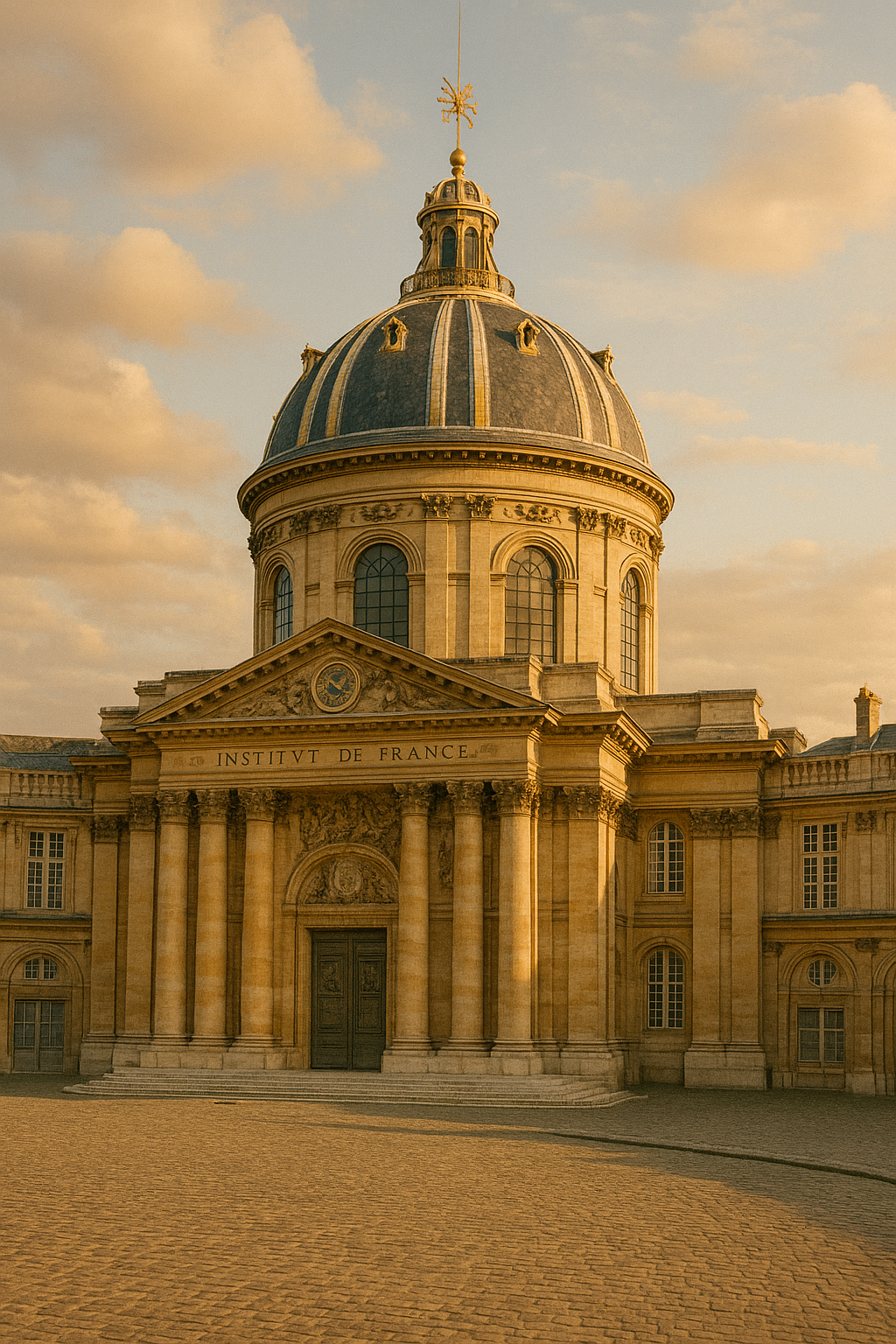
A misplaced ne or a dropped s might seem minor, but to a French ear, it disrupts the elegance of the language. In fact, language in France is policed not only socially but institutionally. The Académie Française, founded in 1635, still monitors and preserves the purity of the French language. It debates everything from the influx of English terms to the proper gender for tech-related nouns.
To speak French “correctly” is to signal education, self-respect, and a grasp of national identity. Mistakes aren’t just errors—they’re moments when the structure of France itself wobbles slightly.
2. Politeness and Protocol
There’s a correct way to greet people in French society. Say “bonjour” before asking a question. Use “vous” with strangers and authority figures. Know when to switch to “tu”—and know that it might take years.
There’s a correct way to write an email: formal greeting, beautifully structured paragraphs, and a poetic sign-off (Veuillez agréer, Madame, l’expression de mes salutations distinguées). A hasty “Merci!” won’t cut it in many professional contexts.
This emphasis on form reflects a belief that structure creates harmony. When everyone follows the same script, social life flows more smoothly. It’s not about being cold or formal—it’s about respecting shared cultural rhythms.
Part 2: Aesthetics, Uniformity, and Taste
1. There’s a Correct Way to Dress
Parisians, in particular, are famous for their understated but precise fashion. There may not be a formal dress code, but there’s certainly an unspoken one: nothing too loud, nothing too sloppy, nothing too try-hard. The goal is effortless elegance—which ironically takes quite a bit of effort.
This correctness in appearance reflects an aesthetic value: beauty should be natural, subtle, and coherent. Dressing “incorrectly” isn’t just a fashion faux pas—it can mark you as someone who doesn’t understand the culture.
2. Correctness as a Matter of Taste
In the French worldview, taste is not subjective—it can be refined, improved, and judged. There are right and wrong ways to pair wine and cheese. There are correct ways to hold a conversation, to criticize a film, to appreciate art.
This doesn’t mean everyone must think the same way—but it does mean there’s a shared standard for what counts as bon goût (good taste). The French value a kind of democratic elitism: everyone can learn, everyone can rise to the level of cultural fluency—but the bar exists, and it matters.
Part 3: Education and the Cult of “La Réponse Juste”
1. The French Education System: Precision over Creativity
In French schools, students are trained from a young age to seek the bonne réponse—the right answer. Open-ended essays? Yes, but only if they follow the correct structure. Subjectivity is fine, but it must be expressed with rigor.
The dissertation (a formal argumentative essay) is the cornerstone of French intellectual life. It requires structure: a clear thesis, antithesis, and synthesis. It mirrors the way the French approach many things—debate, analysis, even small talk. Improvisation is less valued than preparation. Spontaneity is appreciated after mastery has been demonstrated.
This educational approach reflects a deep national respect for intellectual correctness. Ideas must be defended logically, arguments must be coherent, and words must be chosen carefully.
Part 4: Bureaucracy as a Reflection of Order
No discussion of French correctness would be complete without mentioning bureaucracy.
The French administrative system is infamous for its complexity. To get a visa, register for classes, or simply open a bank account, you must provide exactly the right documents, in exactly the right format, in exactly the right order. A wrong date, a missing signature, or an outdated photocopy can derail the entire process.
Frustrating? Absolutely. But it also reflects the cultural belief in systems, standards, and the idea that rules maintain fairness and structure. The bureaucracy may be maddening, but to the French, it’s also a way to ensure that society is logical and predictable.
Part 5: Correctness in Everyday Life
1. Food Rituals
There’s a correct way to eat cheese (cut it properly to respect its shape), to drink wine (never fill the glass to the top), and to order a coffee (don’t ask for a “latte”—that means milk).
These micro-rituals aren’t about being snobby—they’re about sharing in the national appreciation for order, rhythm, and aesthetic experience.
2. Social Interactions
There’s a correct way to greet people with la bise (cheek kisses)—and it varies by region. There’s a correct way to excuse yourself, to enter a shop, to give a compliment. French social life runs on these small rituals.
Breaking them doesn’t just feel awkward—it can make you seem uncultured or inconsiderate, even if your intentions are good.
Part 6: The Upside of Correctness—And Its Limits
The Upside
Clarity: Communication is more precise and efficient.
Elegance: Life is more beautiful when details matter.
Shared Culture: Correctness creates a sense of belonging.
Respect: It shows that you value others and their space.
The Limits
Rigidity: It can feel exclusive or judgmental.
Perfectionism: The fear of being wrong can hinder creativity.
Barriers for outsiders: Learners and immigrants may feel overwhelmed or unwelcome if they can’t master the “correct” way fast enough.
But here's the secret: once you start to understand the system, the rules feel less like constraints and more like choreography. They’re there not to control you, but to help everyone move together—gracefully, fluently, and with purpose.
FAQs
Q: Is French correctness just about language?
A: No—it extends to behavior, dress, food, bureaucracy, and more. Language is just one visible expression of a deeper cultural value system.
Q: Why do French people correct your French even when they understand you?
A: It’s often meant as a sign of respect. They’re helping you improve—and showing that language matters.
Q: Do all French people care about correctness equally?
A: Not necessarily. Urban vs. rural, younger vs. older generations may approach it differently. But the cultural ideal of doing things “the right way” remains strong.
Q: Is it okay to make mistakes as a French learner?
A: Yes! Just show that you care about improving. Making an effort to speak correctly is more important than being perfect.
Q: How can I learn to speak more “correct” French?
A: Study grammar, yes—but also pay attention to tone, formality, and social context. Classes at Polyglottist Language Academy can help with all of this.
Q: Does correctness ever conflict with creativity?
A: It can—but many French artists and writers work within constraints to create beauty. The form, for them, enhances rather than limits creativity.
Q: How do I deal with French bureaucracy as a foreigner?
A: Prepare thoroughly, double-check everything, and stay calm. Understanding the logic behind the system helps reduce frustration.
Q: Is it rude to be informal in France?
A: It depends on the context. Informality is more accepted among close friends and in certain professional environments—but formality is often the default, especially with strangers.
Learn French the Right Way—with a Cultural Twist
At Polyglottist Language Academy, we understand that speaking French isn’t just about grammar—it’s about getting the culture. That means understanding when to use vous vs. tu, how to write a proper email, how to sound polite andconfident, and how to navigate the elegant world of French correctness.
Our in-person and online French classes (available in Berkeley, Oakland, San Jose, Marin, and beyond) go far beyond textbooks. We teach you how to live the language, not just study it.
👉 Sign up today and build your fluency in both language and culture—correctness included.
Keep Exploring with These Posts:
📘 French Etiquette 101: Do’s And Don’ts For Visitors
🎧 Thinking Of Moving To France? 10 Things To Know Before You Go
🤔What To Pack For France: A Seasonal Guide For Smart Travelers
😂 How Much French Do You Really Need To Know For A Trip?
🇫🇷 How To Blend In While Traveling In France (Hint: It's Not Just About Clothes)
🔡 How Polyglottist Language Academy Makes French Learning Feel Like Travel
📚 Bay Area French Cafés, And Cultural Events You’ll Love
🛍️The French Riviera: Where Writers, Painters, And Celebrities Found Paradise