
Why French Style Isn’t About Fashion—It’s About Attitude
Introduction: The Myth of the Perfect Outfit
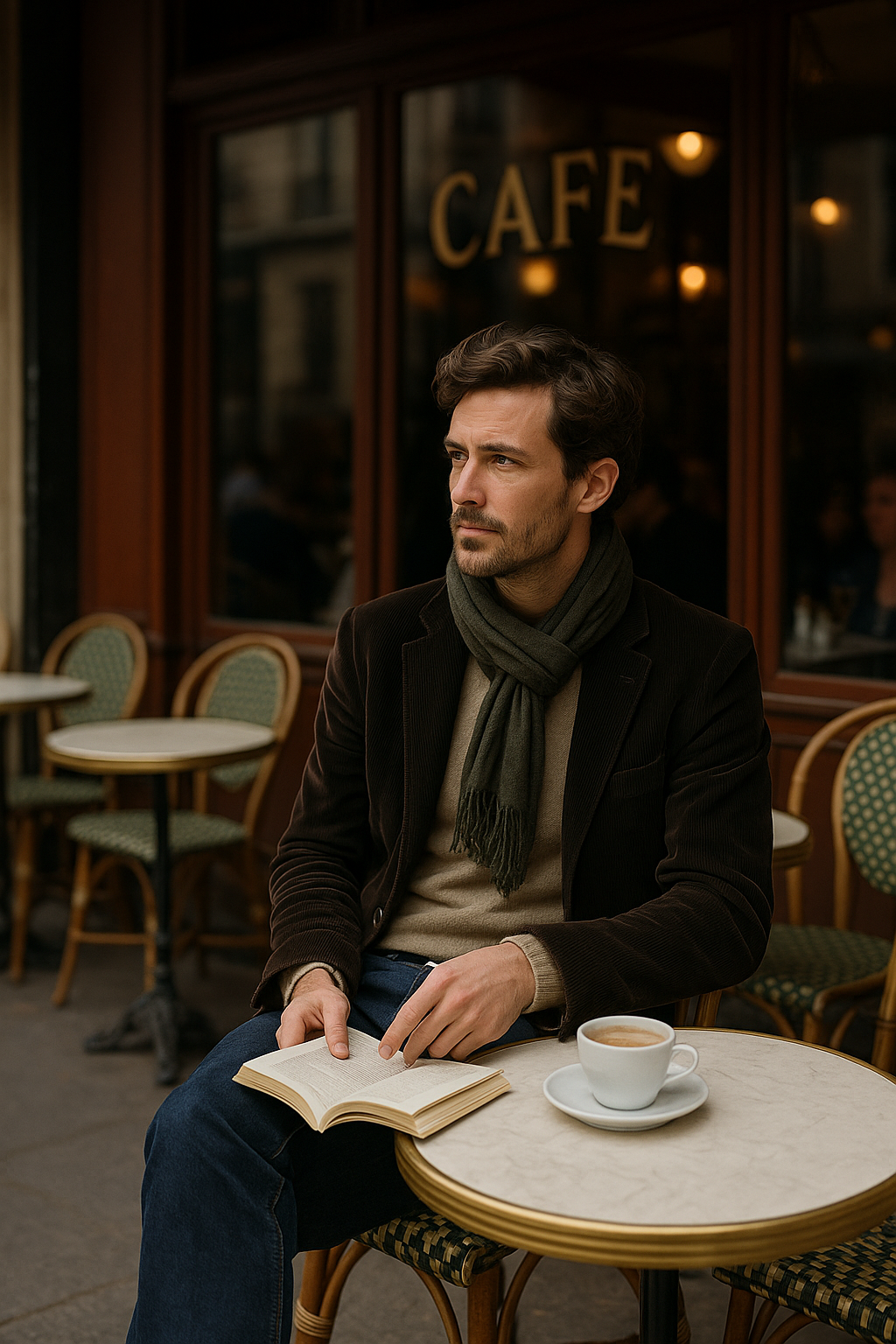
Walk through any Parisian street and you’ll see it—someone who turns heads not because they’re decked out in designer logos, but because they seem to effortlessly belong to the world around them. A woman on a bike in a wrinkled linen blouse. A man in scuffed leather shoes reading a newspaper at a café. A group of teens lounging on the Seine’s banks in oversized jackets and messy hair that somehow looks intentional. What makes them look so... French?
Is it the clothes? Maybe. But more than anything, it’s the attitude.
Ask any French person and they’ll likely tell you that “style” isn’t about putting on the perfect outfit. It’s about how you carry yourself, how you move through the world, how you relate to others and to yourself. French style is as much about subtle rebellion as it is about tradition. It’s about nonchalance, a cultivated insouciance that says, “I didn’t try too hard—and that’s exactly why it works.”
In a world obsessed with image perfection—filters, fast fashion, curated social media personas—French style feels like an antidote. It’s not a look you buy. It’s a mindset you embody.
This article explores what lies beneath the surface of the French aesthetic. We'll look at how language, culture, and daily rituals shape the French sense of self—and why understanding this attitude can teach you more about France than any fashion blog ever could.
Whether you're a language learner hoping to blend in a bit more during your next trip, a Francophile curious about the French mystique, or simply someone trying to understand what makes this culture so uniquely stylish, this deep dive is for you.
Bienvenue.
1. Where It All Begins: The French Relationship to Self
The French don’t dress to impress. They dress to express.
At the core of French style is a firm sense of identity—an internal compass that guides choices with conviction. From a young age, French children are encouraged to develop opinions, articulate them, and stand by them. Whether it's about politics, literature, or the best way to eat cheese, the idea is clear: know who you are, and don’t apologize for it.
This sense of self translates directly into style. It’s not about what’s “in” this season—it’s about what feels right. A French woman might wear the same blazer for 10 years, not because she’s frugal, but because it feels authentically her. French men may look disheveled to outsiders, but often their choices are deliberate: a lived-in jacket over a crisp new one, worn boots over shiny shoes.
The takeaway? French style starts with inner clarity, not outer trends.
2. Mastering the Art of Nonchalance
“Je m’en fiche”—I don’t care. Or rather, I care, but I’ll never show you that I care too much.
Nonchalance is not laziness. It’s a performance of effortlessness that actually requires a great deal of care. The French concept of décontraction (relaxed poise) governs not just how people dress, but how they speak, walk, flirt, and interact. There’s a quiet refusal to try too hard.
This spills over into body language: shoulders slightly slouched, a gaze that’s direct but not aggressive, speech patterns that flow but are never rushed. In fashion, it manifests as a perfectly balanced silhouette: maybe one item that’s tailored, another that’s oversized, something vintage, something undone.
Looking “put-together” is never the goal. Looking natural is.
3. The Vocabulary of Style: Why Language Shapes Attitude
French doesn’t have a word for “cool” in the same way English does. Instead, it has dozens of subtle variations: chic, stylé, branché, classe, décalé, soigné, and more. Each word carries nuances. “Stylé” might mean someone is edgy and fashion-forward, while “chic” implies timeless elegance. “Décalé” suggests deliberately offbeat. “Soigné” means meticulously groomed.
French people talk about style the same way they talk about wine or literature—analytically, but also personally. There’s no universal checklist. It's all about how it makes you feel, and what kind of impression it creates.
Learning these vocabulary terms helps more than just your French—it helps you understand the values that shape how French people present themselves to the world.
4. Simplicity Is a Power Move
Americans often think of “style” as being about standing out. The French often see it as about blending in—gracefully.
You’ll notice minimalism in everything from outfits to table settings to home décor. A single gold necklace, one perfect scarf, a well-fitted pair of jeans—these are enough. The idea is: why clutter things?
But this simplicity is powerful. It demands confidence. Without the distraction of loud branding or bold statements, all that's left is you. You become the focal point—not your clothes.
French style invites you to pare down until you’re left with only what feels truly “you.”
5. Style as Resistance: The Legacy of Rebellion
From the existentialists of Saint-Germain-des-Prés to the gilets jaunes protests, French identity has always included a streak of resistance. That resistance plays out in style, too.
Dressing in a way that says “I don’t care what you think” can be a quiet act of rebellion. Rewearing clothes, embracing signs of aging, refusing to be trendy—all of this can be subversive in a world that equates self-worth with consumerism.
For French women especially, rejecting rigid beauty standards is often part of the aesthetic. Wrinkles are not necessarily erased. Hair is not always dyed. The goal isn’t to look younger, but to look interesting.
6. How French Culture Reinforces This Attitude Daily
The French attitude toward style isn’t limited to clothing. It’s embedded in everyday life.
Meals: The way food is prepared, served, and consumed has style. Eating slowly, savoring conversation, and refusing to eat on the go are cultural defaults.
Conversation: Talking is an art form. Interruptions are common, but so are wit and philosophical banter.
Work-Life Balance: There’s a pride in having a full life beyond work. Leisure isn’t indulgent—it’s essential.
Shopping Habits: Buying less, but better. Choosing clothes with longevity in mind. Saying no to impulse purchases.
All these practices form part of an overall aesthetic—a cultivated approach to life.
7. How Language Learners Can Embrace the French Attitude
Learning French isn’t just about grammar. It’s about learning a different rhythm of life. Here’s how to start adopting that mindset:
Speak with intention. Don’t worry about speed—focus on saying what you mean, well.
Practice subtlety. Sarcasm, irony, and understatement are staples of French humor.
Curate, don’t accumulate. Whether it’s vocabulary, clothing, or habits—less is more.
Observe before acting. Whether in fashion or conversation, the French tend to read the room before asserting themselves.
Language learning becomes more enjoyable—and more effective—when you align with the cultural values behind the words.
8. Final Thoughts: Why French Style Is a State of Mind
French style is not a formula. It’s a way of being.
It’s choosing presence over pretense. Attitude over approval. Meaning over noise. When we shift our focus from how we appear to how we feel in our own skin, we begin to understand what French style is truly about.
It doesn’t matter if you’re wearing vintage jeans or designer slacks. If you carry yourself with quiet confidence, speak thoughtfully, and live with intention, you’re already halfway there.
And maybe that’s the most stylish thing of all.
FAQs
Q: Do I have to live in France to adopt the French style?
Absolutely not. French style is more about mindset than geography. You can begin cultivating it wherever you are.
Q: Are French people really as effortless as they seem?
Not exactly. What appears effortless is often carefully curated—but the difference is, they don’t talk about the effort.
Q: Is it true French people don’t wear a lot of makeup?
Yes and no. The look is usually very natural, but many do wear makeup—it’s just applied to enhance, not transform.
Q: Why don’t French people follow trends as much?
Because style is seen as personal. Following trends too closely can feel like giving up your individuality.
Q: What should I avoid if I want to blend in while in France?
Loud logos, athleisure outside the gym, excessive makeup, and overly “done” looks can feel out of place.
Q: How does language influence French style?
Language reinforces values like nuance, restraint, and intellectual curiosity—all of which show up in how people present themselves.
Q: Is there such a thing as “French style for men”?
Yes—less flashy, more classic. Think well-cut coats, worn-in shoes, scarves, and relaxed elegance.
Q: Can learning French help me understand French style better?
Without question. Learning the language opens the door to deeper cultural understanding, including how style is talked about and lived.
Ready to Live the Language?
At Polyglottist Language Academy, we don’t just teach you how to conjugate verbs—we help you live the language. Whether you're aiming to speak fluently, travel confidently, or simply understand French culture on a deeper level, our small, conversation-focused classes are designed to get you there.
✨ Sign up for our French classes today—online or in-person in the San Francisco Bay Area—and start embodying the language, not just learning it.
You Might Also Like…
Looking to explore more about French language and culture? Check out our other blog articles:
📘 French Etiquette 101: Do’s And Don’ts For Visitors
🎧 Thinking Of Moving To France? 10 Things To Know Before You Go
🤔What To Pack For France: A Seasonal Guide For Smart Travelers
😂 How Much French Do You Really Need To Know For A Trip?
🇫🇷 How To Blend In While Traveling In France (Hint: It's Not Just About Clothes)
🔡 How Polyglottist Language Academy Makes French Learning Feel Like Travel
📚 Bay Area French Cafés, And Cultural Events You’ll Love
🛍️The French Riviera: Where Writers, Painters, And Celebrities Found Paradise