
How to Use Chopsticks Without Offending Anyone
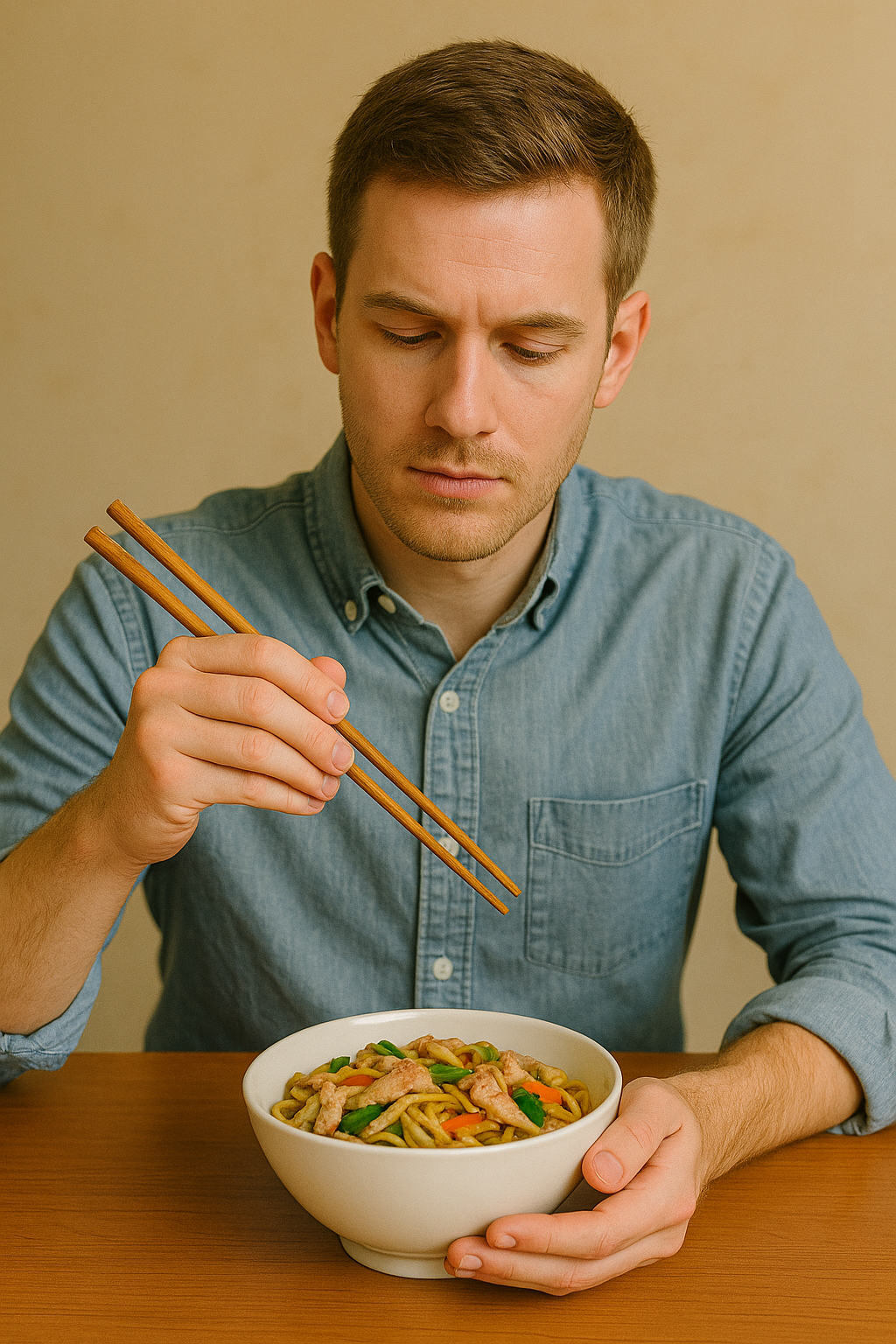
Chopsticks are more than just eating utensils—they’re cultural tools that come with unspoken rules, centuries of tradition, and a surprising power to shape your dining experience. If you're learning Mandarin, traveling through East Asia, or even just having dinner with Chinese friends, knowing how to use chopsticks correctly isn't just polite—it's a sign of cultural respect.
Many first-time chopstick users are understandably focused on how to hold and use them without dropping food everywhere, but there’s another layer: cultural etiquette. Did you know that sticking chopsticks upright in your rice is considered deeply inappropriate? Or that pointing with them can come across as rude? It’s not just about coordination—it’s about avoiding actions that could come off as careless or even disrespectful.
In this guide, you’ll learn how to use chopsticks without offending anyone—especially in Chinese dining settings, where subtle gestures and traditions matter more than you might think. Whether you’re preparing for a dinner in Beijing, a family meal in San Francisco, or simply want to eat hot pot like a local, these tips will help you feel more confident and culturally aware.
How to Use Chopsticks the Right Way (and Avoid Cultural Faux Pas)
🥢 1. Learn to Hold Chopsticks Properly
Let’s start with the basics. You don’t need to be an expert, but knowing how to hold chopsticks correctly will help you eat comfortably—and avoid accidental offenses.
Bottom chopstick: Rests between your thumb and ring finger
Top chopstick: Held like a pencil, controlled by your index and middle fingers
Key rule: Only the top chopstick moves
If you’re struggling at first, that’s okay! Many restaurants will provide training chopsticks or you can practice at home with rubber bands and paper sleeves.
🚫 2. Never Stick Chopsticks Upright in Rice
This is one of the most serious dining taboos in Chinese culture. Sticking chopsticks vertically in a bowl of rice resembles incense sticks offered at funerals and is associated with death and mourning.
What to do instead:
Lay your chopsticks horizontally across the top of your bowl or on a chopstick rest when you’re not using them.
❌ 3. Don’t Point or Gesture with Your Chopsticks
Using chopsticks to point at people, dishes, or across the table is seen as impolite or even aggressive in Chinese dining culture.
What to do instead:
If you want to reference a dish or offer something, use your hand—not your chopsticks.
🔍 4. Don’t Dig Around in Shared Dishes
We all want that perfect piece of tofu or that extra shrimp—but digging or “fishing” around a shared plate with your chopsticks is considered greedy and inconsiderate.
What to do instead:
Take the piece closest to you. If there’s a serving spoon or a separate set of serving chopsticks, use those.
🙅♂️ 5. Avoid Crossing or Drumming Chopsticks
Crossed chopsticks can symbolize bad luck or conflict. And drumming on bowls or plates with chopsticks? It’s something beggars traditionally did to ask for food, and it’s seen as disrespectful at the dinner table.
What to do instead:
Place your chopsticks neatly to the side or on a rest when you're not eating.
🤝 6. Use the Other End for Serving Others
In some homes or more formal meals, if there aren’t communal utensils, it’s polite to flip your chopsticks around and use the clean end to serve food to others from shared dishes.
This isn’t expected everywhere, but it’s a good habit that shows awareness of hygiene and respect.
🍽️ 7. Don't Pass Food Chopstick-to-Chopstick
Passing food directly from one person’s chopsticks to another’s mimics a funeral ritual in which cremated bones are passed this way. It's considered extremely inappropriate at the table.
What to do instead:
Place the food on a plate for the other person to pick up.
🙏 8. Respect the Pace and Atmosphere
In Chinese meals, it’s not just about what you eat—it’s how you eat. Take your time, join in the toasts, and remember: mealtime is about connection, not just consumption.
FAQs
Q: Is it offensive to ask for a fork if I can’t use chopsticks?
A: Not at all—especially in more casual or Westernized settings. But in traditional meals or home settings, giving chopsticks a try (even if imperfect) shows respect and interest in the culture.
Q: Are disposable chopsticks okay to use?
A: Yes, but they’re often lower quality and sometimes considered wasteful. In China, many restaurants now use reusable chopsticks. Bring your own pair if you're eating out often—it’s environmentally friendly and hygienic.
Q: Can kids use training chopsticks in Chinese homes or restaurants?
A: Absolutely. It’s totally fine for children (and even adults!) to use training chopsticks while learning. It’s more important to eat politely than perfectly.
Q: Are chopstick rules the same in Japan and Korea?
A: Many etiquette rules overlap, but each culture has its own specific do’s and don’ts. What’s acceptable in one may be frowned upon in another, so it’s worth learning the differences if you’re traveling to multiple countries.
Learn Mandarin—and Cultural Etiquette—at Polyglottist Language Academy
At Polyglottist Language Academy, we go beyond language mechanics. Our Mandarin classes for adults and teensare designed to help you speak Mandarin with confidence and understand the cultural cues that make real communication possible.
Whether you’re in San Francisco, Oakland, Berkeley, San Jose, Sacramento, Santa Rosa, Reno, or Portland, we offer both in-person and online small group Mandarin classes that include practical insights like chopstick etiquette, dining customs, and cultural values woven into every lesson.
👉 Join a class today and start your journey toward fluency—with language skills and cultural knowledge that go hand-in-hand.
You Might Also Like:
What To Expect In Your First Adult Mandarin Class (And Why You’ll Love It)
How Mandarin Can Boost Your Career In The Bay Area Tech And Business Scene
Why Learning Mandarin As An Adult Is More Doable Than You Think
From Dumplings To Dialogues: How To Speak Mandarin At Bay Area Restaurants
Best Mandarin Classes For Busy Professionals In The Bay Area