
The Italian Concept of “Dolce Vita” and How It Shapes Daily Life
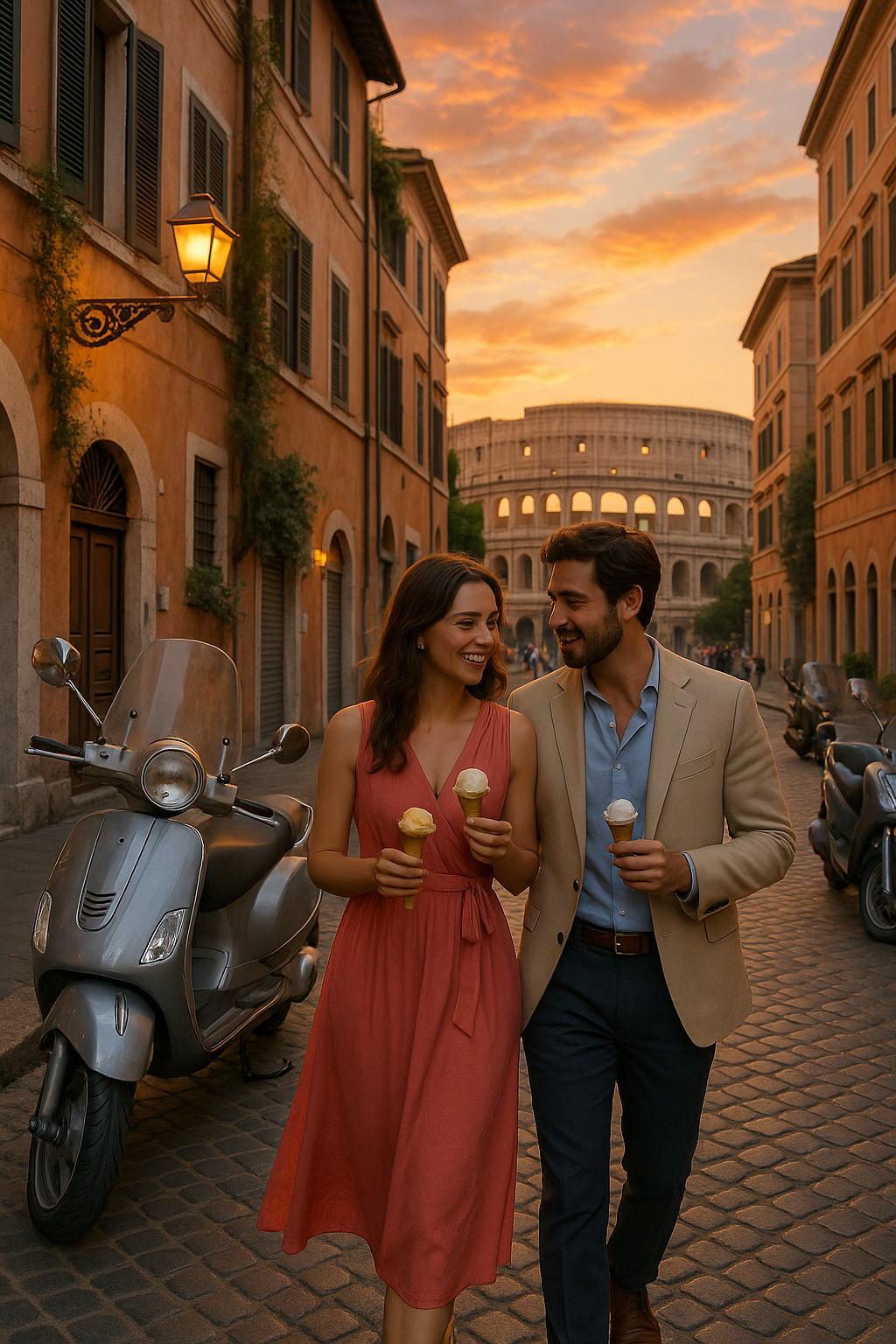
The phrase la dolce vita—literally “the sweet life”—is one of those Italian expressions that has traveled far beyond the borders of Italy, carrying with it an aura of charm, romance, and effortless elegance. For many outsiders, the words evoke sunlit piazzas, leisurely meals, stylish people strolling down cobblestone streets, and a sense of time moving just a little more slowly. But in Italy, dolce vita is more than a cinematic cliché or a stereotype of Mediterranean leisure; it is a deeply ingrained cultural mindset that informs how Italians approach work, relationships, beauty, and even the smallest of daily rituals. It is not about extravagance or luxury, as some assume, but about an artful balance between pleasure and practicality, tradition and modernity, individuality and community.
What makes the Italian version of “the sweet life” so fascinating is that it does not require wealth, fame, or a villa overlooking the Amalfi Coast. A factory worker on their lunch break, a grandmother baking bread in a mountain village, and a university student sipping an espresso in Rome are all equally capable of embodying la dolce vita. It is less about possessions and more about perspective: the ability to savor life’s fleeting moments, to recognize beauty in the everyday, and to cultivate a lifestyle that places human connection and well-being at its center. This is why the concept continues to resonate across generations, and why it remains one of Italy’s greatest cultural exports.
The term itself was immortalized by Federico Fellini’s 1960 film La Dolce Vita, a dazzling portrayal of Rome’s high society with all its glamour, excess, and contradictions. Yet beyond the iconic images of paparazzi, movie stars, and late-night revelry on the Via Veneto, the film captured something profound about Italian identity: a constant tension between indulgence and morality, spectacle and intimacy, old values and new freedoms. Since then, the phrase has taken on a life of its own, coming to represent not just an era, but an enduring philosophy of living well.
In today’s Italy, dolce vita is not about replicating Fellini’s scenes of hedonism, but about integrating beauty, pleasure, and meaning into ordinary routines. It is about drinking your morning cappuccino slowly at the bar instead of rushing to work with a paper cup. It is about meeting friends for an aperitivo after a long day and letting conversation flow as naturally as the wine. It is about choosing fresh, seasonal food and making a meal not just an act of nourishment but an act of culture. It is about dressing with care, not to impress, but because aesthetics matter and how you present yourself is part of how you honor life.
Understanding la dolce vita gives us insight into Italian society as a whole. It explains why Italians fiercely defend long lunch breaks, why they treasure Sundays with family, why even in the busiest cities there are rituals of slowing down, and why beauty—whether in architecture, fashion, or daily gestures—is not considered a luxury but a necessity.
This article explores the Italian concept of dolce vita in depth: its historical roots, how it manifests in everyday life, the regional variations, and why it continues to inspire people around the world. We’ll also look at how embracing some aspects of this philosophy can enrich not just your travels to Italy, but your own lifestyle, wherever you live.
Historical Roots of Dolce Vita
While Fellini’s film gave the phrase global recognition, the Italian appreciation for dolcezza (sweetness) in life goes back centuries. The Renaissance celebrated beauty, harmony, and humanism as guiding principles. The Baroque period indulged in drama and spectacle. Italian literature and philosophy have long debated the meaning of pleasure, virtue, and a life well lived. Even in Roman times, poets like Horace urged readers to carpe diem—seize the day.
By the postwar years, when La Dolce Vita was released, Italy was experiencing rapid transformation. From poverty and devastation after World War II, it became a hub of creativity, cinema, fashion, and design. The phrase captured the optimism of a society eager to celebrate life after hardship, but it also hinted at the contradictions of modernity: wealth versus simplicity, indulgence versus responsibility.
Dolce Vita in Daily Life
How does this philosophy show up in the rhythms of ordinary Italian life today?
1. Food and Meals
Meals are not rushed; they are rituals of connection. Even a weekday lunch often includes multiple courses, and Sundays remain sacred for family meals. Italians value fresh, seasonal ingredients and treat food as culture, not fuel.
2. Work-Life Balance
While Italians certainly work hard, they are less likely to glorify overwork. Extended vacations in August (Ferragosto) and long lunch breaks are not indulgences but essential to maintaining qualità della vita.
3. Beauty and Style
Fashion is not limited to runways. Even everyday clothing is chosen with thought, because self-presentation is an act of respect for oneself and others. Cities themselves embody this philosophy—public spaces are designed to be lived in beautifully.
4. Social Connection
Italians prioritize socializing. Meeting friends for coffee, strolling through the piazza, or enjoying an aperitivo are all small but essential rituals that strengthen bonds.
5. Slowness and Presence
Dolce vita rejects constant rushing. Whether through the slow food movement, leisurely evening walks (passeggiata), or simply taking time to savor a moment, Italians place value on being present.
Regional Flavors of Dolce Vita
While the philosophy is national, it takes on local colors:
Rome: The cinematic glamour of Fellini’s La Dolce Vita still lingers, with lively nightlife, piazzas, and timeless beauty.
Florence: A Renaissance city where dolce vita expresses itself in art, architecture, and the simple beauty of Tuscan landscapes.
Naples: Here it’s tied to passion, music, and food—the chaotic joy of living fully.
Milan: Blends the sweet life with modern sophistication—aperitivo culture, design, and a fast-paced but stylish rhythm.
Countryside & Villages: Simplicity defines dolce vita here—fresh air, traditional meals, community, and slow rhythms.
Why Dolce Vita Matters Beyond Italy
The enduring appeal of la dolce vita is that it offers an antidote to modern stress and consumerism. It reminds us that life can be sweet not because of constant productivity or accumulation, but because of meaningful relationships, beauty, and the enjoyment of simple pleasures. Adopting even a fraction of this mindset—slowing down for meals, appreciating aesthetics, prioritizing community—can transform daily life anywhere in the world.
FAQs About La Dolce Vita
Q: Does la dolce vita mean Italians don’t work hard?
A: Not at all. Italians work diligently but strive to maintain balance, ensuring work does not consume life entirely.
Q: Is dolce vita the same everywhere in Italy?
A: No. While the philosophy is shared, its expression varies by region—from Milan’s aperitivo chic to rural Tuscany’s rustic meals.
Q: Do Italians really live more slowly?
A: In some ways, yes. Certain rituals—like long meals and evening strolls—reflect a slower pace, even in busy cities.
Q: Is it just about food and fashion?
A: No. While those are part of it, dolce vita is a mindset about savoring life, valuing connection, and embracing beauty.
Q: How can I experience dolce vita as a tourist?
A: Take time to sit in piazzas, eat slowly, engage with locals, and avoid rushing through a checklist of attractions.
Q: Is la dolce vita still relevant for young Italians?
A: Yes. While lifestyles evolve, the philosophy of balance, pleasure, and presence continues to shape younger generations.
Q: What role does coffee play in dolce vita?
A: Coffee is central—small, daily pauses at the bar are moments of connection and ritual, embodying the sweet life philosophy.
Q: Can non-Italians embrace dolce vita in their own lives?
A: Absolutely. The essence—slowing down, finding joy in small things, and valuing community—can be applied anywhere.
Final Thoughts
La dolce vita is more than a phrase, more than a film, more than a stereotype. It is a philosophy of living that values beauty, balance, connection, and presence. It is the art of finding sweetness in the ordinary and making even the simplest routines meaningful. To understand Italy, one must understand la dolce vita—and perhaps learn how to carry a piece of it into one’s own life.
At Polyglottist Language Academy, we believe that learning a language is inseparable from learning the culture. Our Italian classes go beyond grammar and vocabulary; they immerse you in the rhythms of Italian life—from the rituals of coffee to the philosophy of dolce vita. If you want to speak Italian with authenticity and experience the culture on a deeper level, we invite you to join us.
👉 Sign up today for our Italian courses and start living your own version of la dolce vita.
Explore More from Our Blog
If you enjoyed this article, you may also like:
Why Italians Live With Their Parents Longer (And What It Says About Culture)
How Italians Really Eat Pasta (And The Rules Tourists Break)
How Italians Really Speak: Street Italian Vs. Textbook Italian
Italian Language Meets Italian Lifestyle: What You Can Only Learn On The Ground
Learning Italian In San Francisco: Best Places, Classes, And Meetups